
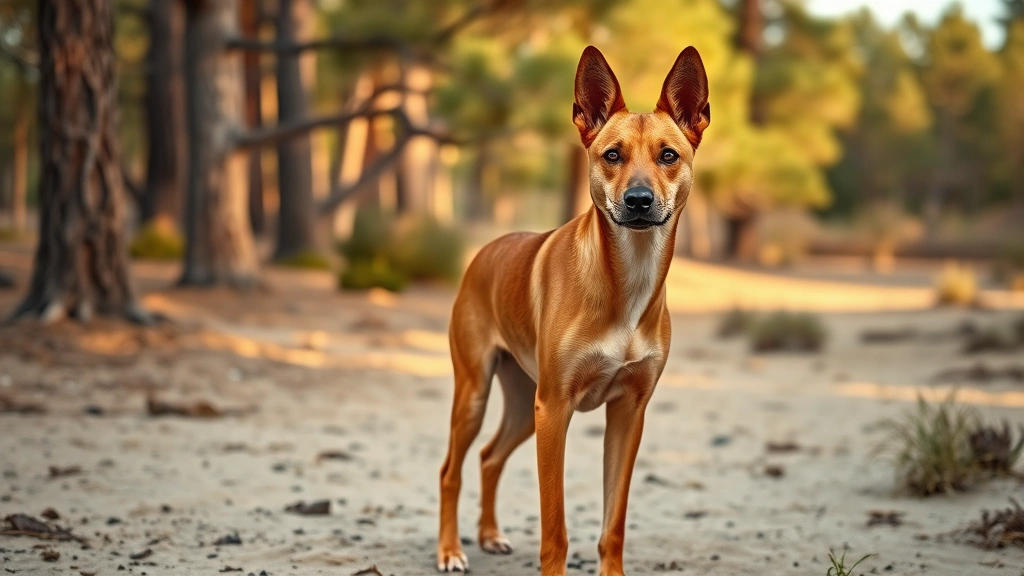
The Carolina dog breed is one of America’s most fascinating and underrated canine treasures, often called the “American Dingo” due to their wild ancestry and striking appearance. If you’re thinking about bringing one of these remarkable dogs into your home, you’re in for an adventure that’s part wolf-dog mystery, part loyal companion, and entirely unforgettable. Let’s dive deep into what makes this breed so special and what you need to know before committing to one.
Table of Contents
- What Exactly Is a Carolina Dog?
- Physical Characteristics and Appearance
- Temperament: The Wild Heart Meets Loyalty
- Training and Socialization Requirements
- Exercise and Activity Needs
- Nutrition and Caloric Needs for Dogs
- Health Concerns and Genetic Considerations
- Living Arrangements and Space Requirements
- Grooming and Coat Maintenance
- Finding and Adopting a Carolina Dog
- Cost of Ownership and Long-Term Commitment
- Frequently Asked Questions
- Conclusion: Is the Carolina Dog Breed Right for You?
What Exactly Is a Carolina Dog?
The Carolina dog breed has a wild and somewhat mysterious origin story that reads like a canine thriller. These dogs are believed to be descendants of ancient pariah dogs that arrived in North America thousands of years ago, possibly alongside the first human migrations across the Bering Strait. Unlike most modern dog breeds that were intentionally developed through selective breeding, Carolina dogs essentially bred themselves in the southeastern United States, particularly in the swamps and forests of South Carolina and Georgia.
Dr. I. Lehr Brisbin Jr., a biologist at the University of Georgia, formally identified and studied the Carolina dog breed in the 1970s. He recognized that these feral dogs possessed unique physical and behavioral characteristics that distinguished them from other wild or feral canines in North America. What’s truly wild is that these dogs were living unnoticed in rural areas for centuries before anyone really paid attention to them scientifically.
Physical Characteristics and Appearance
Don’t let anyone fool you—the Carolina dog breed looks like it just stepped out of a nature documentary. These medium-sized dogs typically weigh between 30 to 44 pounds and stand about 17 to 24 inches tall at the shoulder. They’re lean, muscular, and built for endurance, with a body structure that screams efficiency and athleticism.
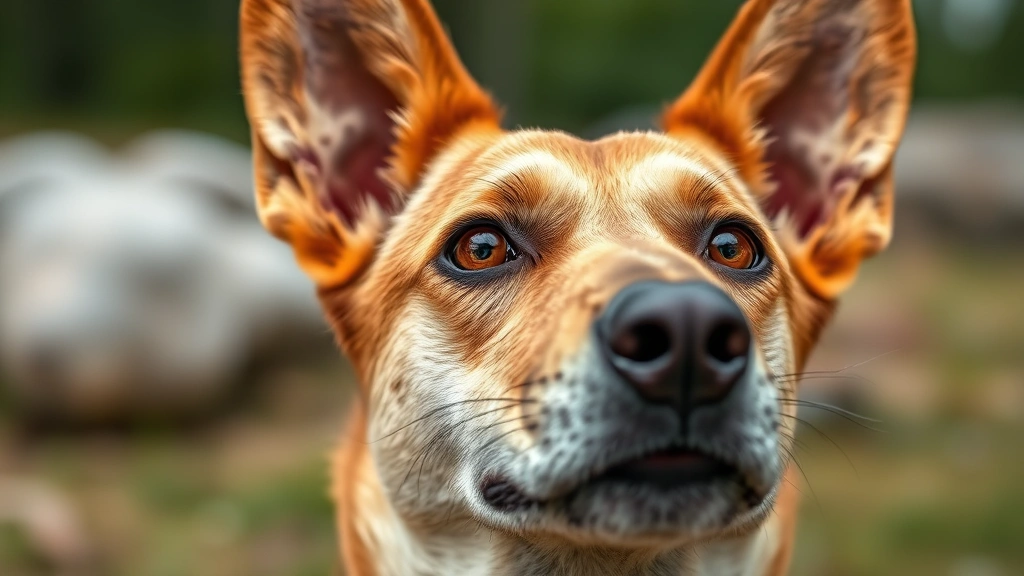
The most distinctive features include their pointed, erect ears, a long curved tail that often curves over their back, and a short, dense coat that comes in various colors including red, fawn, black and tan, and brindle. Their eyes are typically almond-shaped and amber-colored, giving them an intelligent, slightly wild expression that honestly makes them look like they’re plotting something (they probably are). Their gait is smooth and efficient, reflecting their heritage as tireless hunters and travelers.
One thing that immediately strikes people about the Carolina dog breed is their resemblance to primitive dog breeds found in other parts of the world, particularly Asian and African pariah dogs. This isn’t coincidence—it’s evidence of their ancient lineage and the universal blueprint that nature seems to favor for survival-adapted canines.
Temperament: The Wild Heart Meets Loyalty
Here’s where things get interesting with the Carolina dog breed. These aren’t your typical “golden retriever will love everyone” type of dogs. Carolina dogs are independent thinkers with strong prey drives and a healthy skepticism of strangers. They’re loyal to their pack (your family) but reserved with outsiders, which makes them excellent watchdogs but potentially challenging in social situations.
Carolina dogs are incredibly intelligent and possess strong problem-solving abilities—sometimes to the point where they’ll outsmart you if given half a chance. They’re not aggressive by nature, but they’re definitely not pushovers. Early socialization is absolutely crucial because without it, they can develop fear-based aggression or become overly territorial. These dogs need an owner who understands that you’re not just getting a pet; you’re getting a semi-wild animal that requires respect and clear boundaries.
The breed has a strong pack mentality, which means they do best in homes where they understand the hierarchy and their place in it. They’re affectionate with their family members in their own way—don’t expect constant cuddles, but expect unwavering loyalty and protection. Many Carolina dog owners describe their dogs as having a “cat-like” personality: aloof but deeply bonded to their people.
Training and Socialization Requirements
Training a Carolina dog breed requires patience, consistency, and a genuine understanding of their independent nature. These aren’t dogs that live to please you like some breeds do. They need to understand the “why” behind commands, and they respect owners who lead with confidence rather than force.
Start socialization early—ideally before 12 weeks old. Expose your Carolina dog puppy to different people, environments, sounds, and experiences. This is non-negotiable if you want a well-adjusted adult dog. Without proper socialization, even a naturally mild-mannered Carolina dog can develop anxiety or aggression issues.
Positive reinforcement works best with this breed. They respond well to high-value treats, toys, and praise. Harsh corrections or punishment-based training will damage your relationship with your dog and can actually trigger defensive behaviors. These dogs have long memories and hold grudges—treat them with respect during training sessions.
Crate training is essential, not for punishment but as a safe space and management tool. Many Carolina dogs naturally gravitate toward den-like spaces, so a properly introduced crate becomes their sanctuary. This is especially helpful during the adolescent phase when their prey drive goes into overdrive.
Exercise and Activity Needs
The Carolina dog breed was built for endurance and activity. These aren’t couch potato dogs, and underestimating their exercise requirements is a recipe for a bored, destructive dog. They need at least 60 to 90 minutes of vigorous exercise daily, and that’s not just a casual walk around the block.
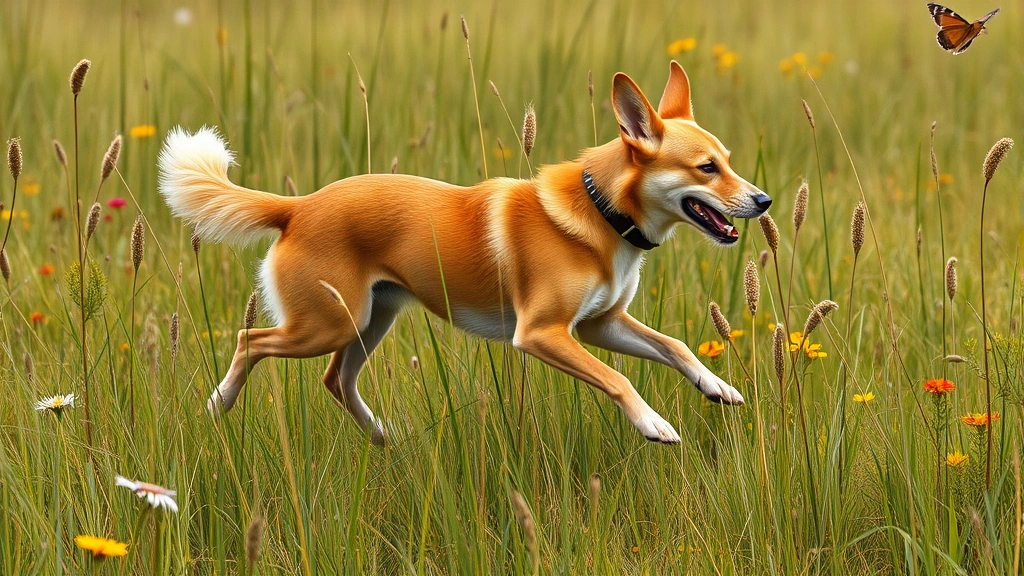
Carolina dogs thrive with activities that engage their hunting instincts: running, hiking, fetch games, and agility training. They’re excellent candidates for dog sports like lure coursing, where their natural prey drive gets channeled into a controlled activity. Off-leash exercise in a secure area is ideal, as these dogs have a strong prey drive and will chase anything that moves—squirrels, rabbits, and unfortunately, sometimes cats if they’re not properly trained.
Mental stimulation is equally important as physical exercise. Puzzle toys, scent work, and training sessions keep their intelligent minds engaged. A bored Carolina dog will find their own entertainment, which might include redecorating your furniture or excavating your yard.
Nutrition and Caloric Needs for Dogs
The Carolina dog breed has relatively modest nutritional needs compared to larger breeds, but the quality of food matters significantly. These active dogs need high-quality protein to support muscle maintenance and recovery from their vigorous activities. Look for dog foods with real meat as the primary ingredient and avoid excessive fillers.
For adolescent dog nutrition, be particularly careful about overfeeding. Carolina dog puppies grow quickly, and excessive calories can lead to joint problems and developmental issues. Work with your veterinarian to determine appropriate portion sizes based on your individual dog’s growth rate.
A typical adult Carolina dog requires between 1,000 to 1,400 calories daily, depending on activity level, age, and metabolism. Establish a consistent dog feeding routine with two meals per day to aid digestion and maintain stable energy levels. Many Carolina dog owners find that feeding raw or whole-prey diets aligns well with the breed’s evolutionary history, though this approach requires careful planning to ensure nutritional completeness.
During winter months or periods of increased activity, you may need to adjust portions. Check out our guide on cold weather caloric needs for specific recommendations during colder seasons.
Health Concerns and Genetic Considerations
One of the advantages of the Carolina dog breed is their relatively robust genetic health, likely due to their natural selection in the wild. However, they’re not immune to health issues. Hip dysplasia can occur in the breed, particularly in dogs from less selective breeding programs. Ensure any Carolina dog you acquire comes from a health-tested lineage.
Ear infections are somewhat common due to their erect ear structure and active lifestyle that involves water play and rolling in dirt. Regular ear cleaning and inspection can prevent most issues. Parasites, particularly heartworms and intestinal worms, are a concern in their native southeastern habitat, so maintain consistent preventative medication.
Some Carolina dogs develop food sensitivities, often to grain-based diets. If your dog experiences digestive issues, consider switching to grain-free or limited-ingredient formulas. Eye issues like cataracts can develop, particularly in older dogs, so regular veterinary eye exams are worthwhile.
Consider supplementing with hip and joint supplements as your Carolina dog ages, particularly if they’ve had a very active lifestyle. These supplements can help maintain mobility and reduce arthritis-related discomfort in senior dogs.
Living Arrangements and Space Requirements
The Carolina dog breed can adapt to various living situations, but they absolutely require secure fencing. These dogs have a strong prey drive and will chase anything that moves. A minimum of a 5-foot fence is recommended, though 6 feet is better given their athleticism and jumping ability. Underground electric fences won’t contain them reliably—they’ll chase prey through the shock if sufficiently motivated.
While they can technically live in apartments, it’s not ideal. These active dogs really need a yard where they can burn energy and engage in natural behaviors like digging and patrolling territory. If you live in an apartment, you must commit to extensive daily exercise and mental stimulation.
Carolina dogs are escape artists and will dig under fences or find weak spots to exploit. Regularly inspect your fencing and consider burying fence material below ground level to prevent tunneling. They also need shelter from extreme weather—a dog house or access to indoor space is essential.
Grooming and Coat Maintenance
The Carolina dog breed has minimal grooming requirements, which is one of their appealing characteristics. Their short, dense coat sheds year-round, with heavier shedding during seasonal transitions. Regular brushing—two to three times weekly—helps manage loose hair and keeps their coat healthy.
Bathe your Carolina dog only when necessary, as frequent bathing can strip natural oils from their coat. Their coat is naturally water-resistant and self-cleaning to a remarkable degree. Nail trimming every 4 to 6 weeks is necessary, and dental care should be part of your regular routine.
The Carolina dog breed doesn’t require professional grooming. Most owners simply maintain their dogs at home with basic brushing and occasional baths. This breed’s low-maintenance coat is one reason they’re becoming increasingly popular among people seeking a more natural, less fussy dog.
Finding and Adopting a Carolina Dog
Finding a Carolina dog breed can be challenging since they’re not common in the mainstream dog market. Your best options include breed-specific rescues, general dog rescues in the southeastern United States, and reputable breeders who focus specifically on Carolina dogs.
The American Kennel Club doesn’t officially recognize the Carolina dog as a breed, though they’re recognized by the United Kennel Club. This means you’ll have fewer breed clubs and resources compared to mainstream breeds, but the Carolina dog community is passionate and knowledgeable.
When working with breeders, ask about health testing, lineage, and the breeder’s philosophy. Reputable Carolina dog breeders prioritize health and temperament over appearance. They should be able to provide documentation of health screenings and be willing to take the dog back if issues arise.
Rescue organizations often have adult Carolina dogs available, which can be a wonderful option. Adult dogs often come with known temperament information, and you’re giving a home to a dog in need. However, understand that rescue Carolina dogs may have trauma histories or behavioral challenges that require patience and possibly professional training.
Cost of Ownership and Long-Term Commitment
The initial cost of acquiring a Carolina dog through a reputable breeder typically ranges from $500 to $1,500, significantly less than many purebred dogs. Adoption through rescue organizations usually costs $50 to $200. However, the initial purchase price is just the beginning.
Annual veterinary care, quality food, and preventative medications will run $800 to $1,500 annually. Factor in training costs, especially if you work with a professional trainer—$1,000 to $3,000 for comprehensive training programs. Emergency veterinary care can be expensive, so pet insurance or maintaining an emergency fund is wise.
Utilize pet health monitoring tools to track your dog’s health and catch issues early. Regular check-ups and preventative care reduce long-term costs.
The Carolina dog breed typically lives 12 to 18 years, so you’re making a commitment for the long haul. Before acquiring one, honestly assess whether you can provide the exercise, training, socialization, and financial resources these dogs require for their entire lifespan.
Frequently Asked Questions
Are Carolina dogs good family pets?
Carolina dogs can be excellent family pets for experienced dog owners who understand their independent nature and can provide proper training and socialization. They’re loyal and protective of their family members but may not tolerate young children’s unpredictable behavior without training. They’re best suited for families with older children or adults who appreciate their unique personality.
Do Carolina dogs get along with other dogs?
Carolina dogs have pack mentality and can coexist with other dogs, particularly if raised together. However, their strong prey drive and territorial nature mean they may not do well with smaller pets like cats or rabbits. Proper introduction and ongoing management are essential when keeping multiple pets.
How much exercise does a Carolina dog need?
Carolina dogs require 60 to 90 minutes of vigorous exercise daily. This should include running, hiking, or other intense activities that engage their natural hunting instincts. Without adequate exercise, they become destructive and may develop behavioral problems.
Are Carolina dogs aggressive?
Carolina dogs are not inherently aggressive, but they’re reserved with strangers and have strong territorial instincts. Proper socialization from puppyhood significantly reduces the likelihood of aggression. They make excellent watchdogs precisely because they’re naturally protective of their territory and family.
Can Carolina dogs live in apartments?
While technically possible, apartments aren’t ideal for Carolina dogs. These active dogs really need a yard and space to move. If you must live in an apartment, commit to extensive daily exercise and mental stimulation to prevent behavioral issues.
What’s the difference between a Carolina dog and a Dingo?
While often called “American Dingos,” Carolina dogs are distinct from Australian Dingos. They share similar body structures and primitive characteristics but evolved separately on different continents. Carolina dogs are domesticated (or semi-domesticated) and can be trained and socialized to live as family pets, whereas Dingos are wild animals.
Conclusion: Is the Carolina Dog Breed Right for You?
The Carolina dog breed represents something rare in modern dog ownership: a canine that hasn’t been intensively molded by human selective breeding. These remarkable dogs bring wild intelligence, loyalty, and athleticism to the right home. They’re not for everyone—they require experienced owners who respect their independent nature, provide extensive exercise and socialization, and understand that they’re getting a semi-wild animal with their own agenda.
However, for the right person or family, a Carolina dog is an incredibly rewarding companion. They’re healthier than many purebred dogs, require minimal grooming, and offer a level of loyalty and protection that’s genuinely moving. They’ll challenge you, keep you active, and remind you that dogs are capable of so much more than we typically ask of them.
Before committing to the Carolina dog breed, honestly assess your lifestyle, experience level, and long-term ability to meet their needs. Visit breed-specific rescues, talk to owners, and spend time with the breed if possible. If you decide the Carolina dog is your match, you’re not just getting a pet—you’re getting a partner in adventure who’ll stand by you through thick and thin, even if they do occasionally ignore your commands and go chase that squirrel.





