
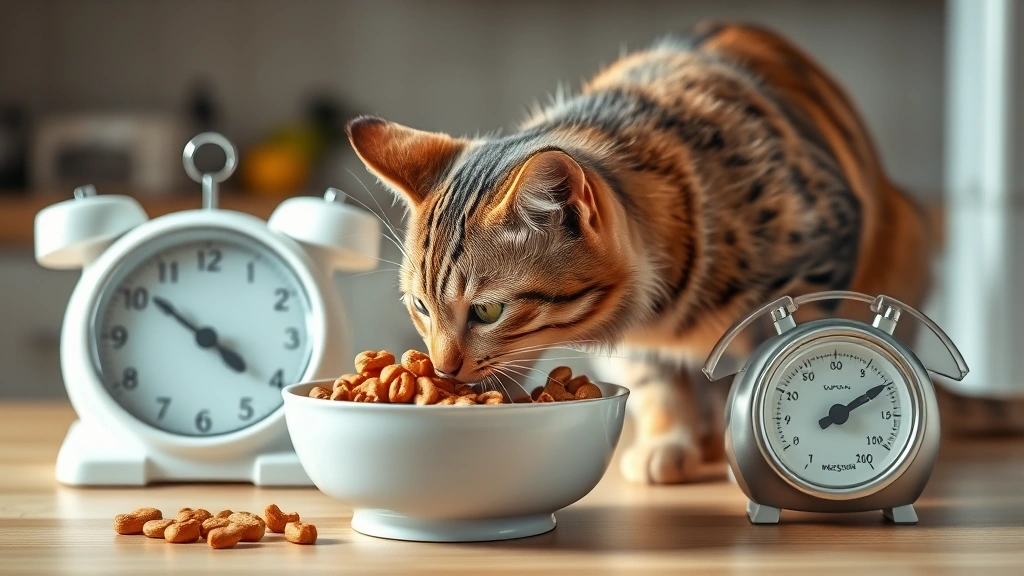
Getting cat food portions right is one of the most important decisions you’ll make for your feline friend’s health, yet it’s surprisingly easy to mess up. Whether your cat is a chunky tabby giving you guilt-trip eyes or a sleek Siamese who somehow always seems hungry, understanding the correct amount to feed them can mean the difference between a thriving kitty and one dealing with obesity, malnutrition, or digestive issues.
Table of Contents
- Why Cat Food Portions Matter More Than You Think
- Understanding Your Cat’s Daily Caloric Needs
- Reading Food Labels Like a Pro
- Wet Food vs. Dry Food Portions: What’s the Difference?
- The Age Factor: Kittens, Adults, and Seniors
- Weight Management and Portion Control Strategies
- Measuring Portions Accurately: Tools and Techniques
- Treats and Table Scraps: The Hidden Calorie Bombs
- Special Dietary Needs and Custom Portions
- Monitoring and Adjusting Portions Over Time
- Budget-Friendly Feeding Without Sacrificing Quality
- Common Portion Mistakes Cat Owners Make
- Frequently Asked Questions
- Summary: Getting Cat Food Portions Right
Why Cat Food Portions Matter More Than You Think
Your cat’s weight isn’t just about vanity—it’s about longevity. Overweight cats face increased risks of diabetes, heart disease, arthritis, and urinary tract problems. On the flip side, underfeeding can lead to nutrient deficiencies and a weakened immune system. The tricky part? Most cat owners are wildly guessing when it comes to proper portions. Studies show that roughly 60% of pet cats are overweight or obese, and incorrect feeding portions are a major culprit. The good news is that once you nail down the right amount for your specific cat, you’re setting them up for a healthier, longer life.
Understanding Your Cat’s Daily Caloric Needs
Before you can master cat food portions, you need to understand how many calories your cat actually needs. Most adult cats require between 200-250 calories per day, but this varies significantly based on age, weight, activity level, and metabolism. A sedentary indoor cat might need less, while an active or outdoor cat might need more. Kittens and senior cats have different requirements too. The best starting point? Check your cat food’s label for feeding guidelines based on your cat’s current weight, then adjust from there. If your cat is underweight, you might need to increase portions; if they’re overweight, you’ll want to decrease them gradually.

Reading Food Labels Like a Pro
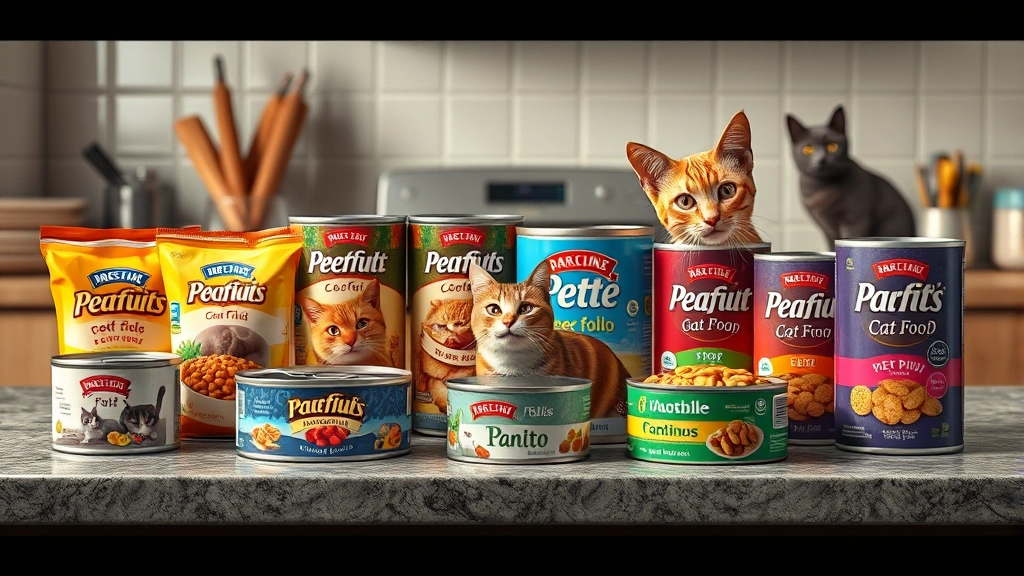
Those tiny nutrition labels on cat food cans and bags hold the secrets to proper cat food portions. Look for the “feeding guide” section, which typically shows recommended daily amounts based on your cat’s weight. Here’s the thing though—these are often guidelines for average cats, and your cat might not be average. Some cats have faster metabolisms, while others are couch potatoes. The label will tell you calories per cup or per can, which helps you calculate exact portions. Pro tip: use a kitchen scale for dry food instead of eyeballing it. Those “handfuls” you’re scooping are probably 20-30% more than you think.
Wet Food vs. Dry Food Portions: What’s the Difference?
Here’s where it gets confusing: wet food and dry food have drastically different calorie densities. A cup of dry food contains roughly 400-500 calories, while a 5.5-ounce can of wet food contains around 70-100 calories. This means your cat food portions look completely different depending on what you’re feeding. Some cats thrive on wet food only, others do better on dry, and many do well on a combination. If you’re mixing both, you need to account for the total calories from both sources. A common mistake? Feeding a full can of wet food PLUS a full bowl of dry food, which can easily double your cat’s caloric intake. When combining, reduce each portion accordingly.
The Age Factor: Kittens, Adults, and Seniors
Your cat’s age dramatically impacts how much they should eat. Kittens (under one year) need roughly twice the calories of adult cats because they’re growing and burning energy like tiny furballs on espresso. They should eat 3-4 small meals daily rather than one or two large ones. Adult cats (1-7 years) are your standard 200-250 calorie per day crowd, typically eating once or twice daily. Senior cats (7+ years) often have slower metabolisms and may need slightly fewer calories, but this varies—some seniors actually need more because they’re less efficient at absorbing nutrients. Always adjust cat food portions as your cat ages, and definitely chat with your vet about senior nutrition if your cat is creeping into their golden years.
Weight Management and Portion Control Strategies
If your cat is overweight, don’t just slash their portions in half—that’s a recipe for a cranky, hungry cat who’ll knock stuff off counters in protest. Instead, reduce portions by 10% every week or two, and increase playtime and enrichment. Swap some dry food for wet food, which is more filling with fewer calories. Consider puzzle feeders or food-dispensing toys that make your cat work for their meal, turning feeding time into exercise. You might also explore supplements like pet multivitamins to ensure they’re getting proper nutrition during weight loss. The goal is gradual, sustainable weight loss—about 1-2% of body weight per week is healthy for cats.

Measuring Portions Accurately: Tools and Techniques
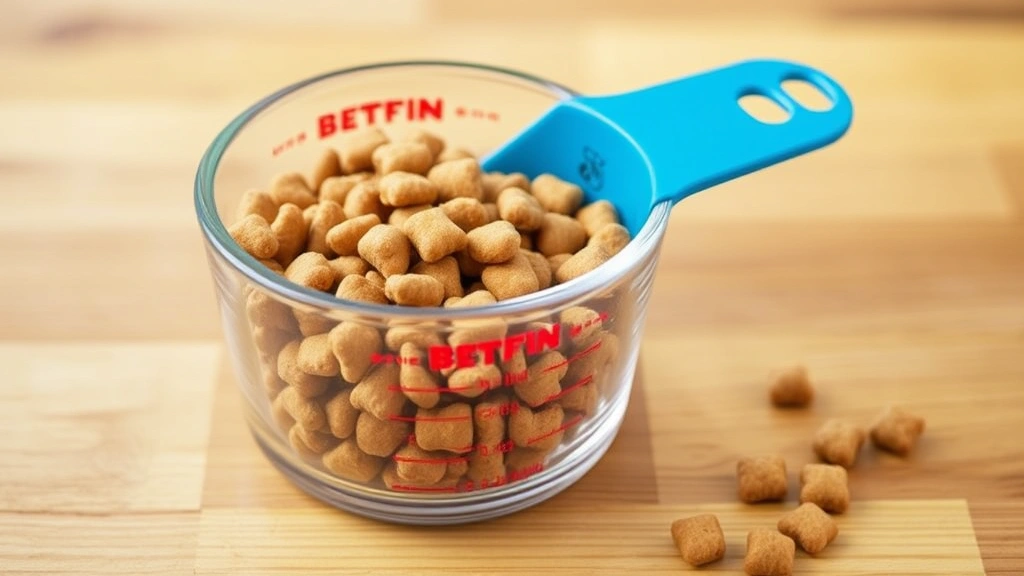
Stop eyeballing your cat’s food. Seriously. Get yourself a kitchen scale and measure dry food by weight, not volume. A measuring cup is notoriously inaccurate because you can pack food differently each time. For wet food, use the can as your guide—one 5.5-ounce can is typically one portion for many adult cats. Mark your cat’s food bowl with a permanent marker at the level you’re supposed to fill it to, or use a portion-control scoop. Some people prep their cat’s meals for the week in advance, portioning everything into containers. This takes the guesswork out of daily feeding and makes it easy to track if you’re consistently over or underfeeding. Consistency is key to maintaining healthy cat food portions.
Treats and Table Scraps: The Hidden Calorie Bombs
Here’s the sneaky saboteur of cat food portions: treats. Those little snacks you give your cat throughout the day can add 100+ calories, which for a cat only needing 250 calories daily is massive—equivalent to a human eating an extra 1,000 calories. The rule of thumb is that treats should make up no more than 10% of your cat’s daily caloric intake. If your cat eats 250 calories from their main food, treats should be capped at 25 calories. That’s like, three small treats. If you’re using treats for training or just because you love your cat, reduce their main meal portions to compensate. And please, skip the table scraps—human food is often too high in salt, fat, and calories for cats, and some foods (like onions and chocolate) are toxic.

Special Dietary Needs and Custom Portions
Some cats need customized cat food portions due to health conditions. Cats with diabetes, kidney disease, or urinary issues often require specific prescription diets with carefully calculated portions. Cats with sensitive stomach supplements might benefit from smaller, more frequent meals. Overweight cats with joint problems might need anti-inflammatory supplements for cats along with portion-controlled feeding. If your cat has any health condition, your vet should guide you on exact portions—don’t wing it. They might recommend a specific brand, specific calorie count, or specific feeding schedule. This is one area where following professional advice beats guessing.
Monitoring and Adjusting Portions Over Time
Getting portions right isn’t a set-it-and-forget-it situation. You should reassess every few months, especially if your cat’s activity level, age, or weight changes. Weigh your cat monthly if they’re on a diet, or every 2-3 months for maintenance. Keep a simple log of their weight and any behavioral changes. If your cat starts begging more, it might mean they’re hungry, or it might mean they’re bored—playtime might be the answer, not more food. If they’re leaving food in their bowl, you might be overfeeding. Pay attention to body condition: you should be able to feel their ribs without pressing hard, and they should have a visible waist when viewed from above. Adjust portions based on these observations, not just what the label says.

Budget-Friendly Feeding Without Sacrificing Quality
Quality nutrition doesn’t have to break the bank. Look for budget-friendly pet supplements and foods that offer good nutrition at reasonable prices. Sometimes buying in bulk saves money, especially for dry food. Store brands often have similar nutrition profiles to premium brands at lower prices—read the labels and compare. Focus on feeding the right portions of decent food rather than premium portions of cheap food. A smaller amount of quality nutrition beats a larger amount of filler. Your cat will actually feel fuller and healthier on properly portioned quality food than on unlimited cheap food.
Common Portion Mistakes Cat Owners Make
Let’s talk about the blunders that lead to overweight cats. First, feeding based on appetite—your cat will always want more food, especially if they’re bored. Second, not accounting for treats and table scraps in daily calories. Third, free-feeding (leaving food out all day) with no portion control. Fourth, feeding the same amount regardless of your cat’s age or activity level. Fifth, not reading food labels and just guessing at portions. Sixth, switching foods without adjusting portions (different foods have different calorie densities). Seventh, feeding multiple cats the same amount when they might have different needs. Eighth, assuming all cats need the same portions—a 5-pound cat needs way less than a 15-pound cat. Ninth, not adjusting portions as your cat ages. Tenth, ignoring your vet’s feeding recommendations. Avoid these, and you’re already ahead of the game.
Frequently Asked Questions
How much should I feed my cat per day?
Most adult cats need 200-250 calories per day, but this varies based on weight, age, and activity level. Check your cat food’s label for specific recommendations based on your cat’s current weight, then adjust based on your cat’s body condition and your vet’s guidance.
Is it better to feed cats once or twice a day?
Adult cats typically do well with once or twice daily feeding. Some cats prefer one meal, others do better with two smaller meals. Kittens should eat 3-4 times daily. Senior cats might benefit from smaller, more frequent meals. Observe your cat’s behavior and digestion to determine what works best.
How do I know if I’m feeding my cat the right portions?
Your cat should have a visible waist when viewed from above, and you should be able to feel their ribs without pressing hard. They shouldn’t be visibly overweight or underweight. If they’re constantly begging or leaving food uneaten, adjust portions accordingly. Your vet can also assess body condition during checkups.
Can I free-feed my cat?
Free-feeding (leaving food out all day) works for some cats but contributes to obesity in many. If you free-feed, use portion-controlled amounts and monitor your cat’s weight closely. Most cats do better with scheduled meals and portion control.

Should I feed wet food, dry food, or both?
Both can be nutritious—it depends on your cat’s preferences and health needs. Wet food has fewer calories per volume and can help with hydration. Dry food is convenient and often cheaper. Many cats do well on a combination. If mixing, reduce portions of each to account for total calories.
How should I transition my cat to new food portions?
Make changes gradually over 7-10 days to avoid digestive upset. If reducing portions for weight loss, decrease by 10% weekly. If switching food types, mix increasing amounts of new food with decreasing amounts of old food over the transition period.

What about treats—how much is too much?
Treats should be no more than 10% of your cat’s daily calories. For a 250-calorie diet, that’s about 25 calories from treats. Reduce main meal portions if you’re giving treats to avoid exceeding daily caloric needs.
Do indoor and outdoor cats need different portions?
Yes. Outdoor or very active cats burn more calories and typically need more food than sedentary indoor cats. If your cat goes outside, they might need 10-20% more calories. Adjust portions based on activity level and monitor weight regularly.
Summary: Getting Cat Food Portions Right
Mastering cat food portions is one of the best investments you can make in your cat’s health. Start by understanding your cat’s caloric needs (typically 200-250 calories daily for adults), read food labels carefully, and measure portions accurately using a kitchen scale. Account for your cat’s age, weight, activity level, and any treats or table scraps. Monitor your cat’s body condition monthly and adjust portions as needed. Avoid common mistakes like free-feeding, ignoring treats, and not adjusting for life stage changes. Remember that every cat is unique—what works for your friend’s cat might not work for yours. When in doubt, consult your veterinarian for personalized feeding recommendations. With the right portions, you’re setting your cat up for a healthier, longer, happier life. Your cat might not thank you for smaller portions, but their body will, and that’s what really matters.





