
Your dog just ate your favorite shoe. Again. Or maybe they’re pulling on the leash like they’re training for the Iditarod. Sound familiar? If you’re frustrated with your pup’s behavior, you’re not alone—and the good news is that solid dog training tips can genuinely transform how your dog behaves and how you feel about living with them.
Dog training isn’t about dominance or punishment. It’s about communication. Your dog wants to understand what you want; they just need you to teach them in a way that makes sense. Whether you’re dealing with a chaotic puppy or an adult dog with ingrained habits, these dog training tips will give you the framework to build a better relationship with your furry friend.
This guide covers everything from foundational obedience to solving real behavioral problems. You’ll learn why certain methods work, what mistakes to avoid, and how to stay consistent when life gets messy. Let’s dig in.
Start with the Fundamentals: What Every Dog Needs to Know
Before you worry about fancy tricks or fixing problem behaviors, your dog needs to master five core commands: sit, stay, come, down, and leave it. These aren’t just party tricks—they’re safety tools. A reliable “come” command could literally save your dog’s life if they slip out the door. A solid “stay” keeps them from bolting into traffic.
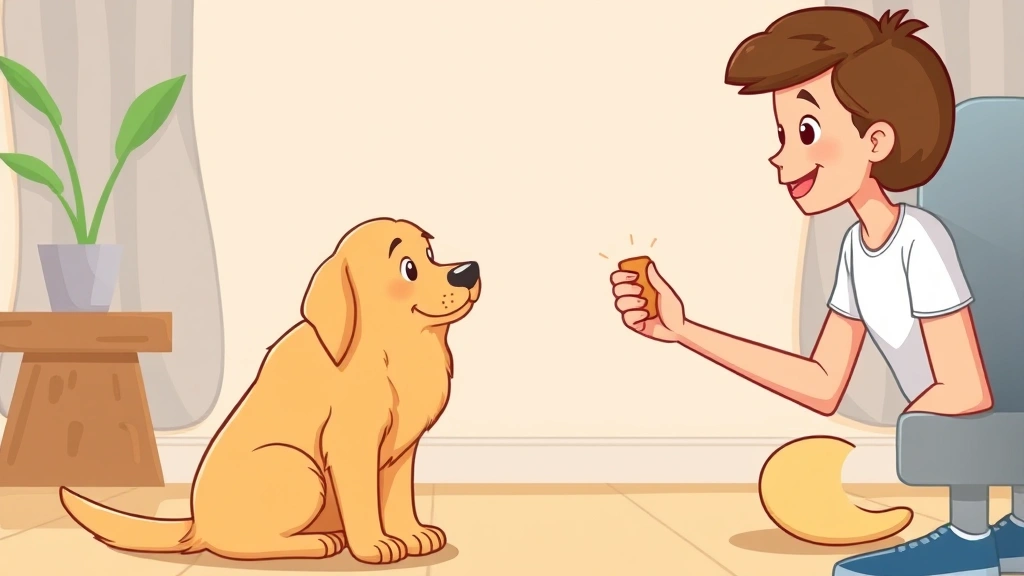
Start with sit. It’s the easiest command to teach and builds your dog’s confidence. Hold a treat close to their nose, move your hand up slowly, and let their bottom naturally follow your hand toward the ground. The moment their rear hits the floor, say “sit” clearly, give the treat, and praise like they just won an Olympic medal. That enthusiasm matters.
Once sit is solid (this takes 3-5 days of short training sessions), layer in stay. Ask your dog to sit, then hold your hand up in a “stop” gesture, take one step back, pause for 2 seconds, and reward. Gradually increase the distance and duration. The key is starting so easy they can’t fail.
According to the American Kennel Club, positive reinforcement training produces faster learning and better retention than other methods. This isn’t just feel-good advice—it’s backed by animal behavior science.
For “come,” start indoors with zero distractions. Say “come” enthusiastically while backing away, then reward heavily when they reach you. Never call them to come for something they dislike (like nail trimming). Come should always feel like the best decision they ever made.
“Leave it” is the safety command that prevents poisoning, fights with other dogs, and stolen food. Teach it by putting a treat on the floor, covering it with your foot, and waiting for them to look away. Immediately reward with a better treat from your hand. This teaches them: ignoring something = better things happen.
Positive Reinforcement Actually Works (Here’s Why)
Here’s the reality: dogs don’t understand punishment the way humans do. When you yell at your dog for an accident that happened two hours ago, they don’t connect your anger to their behavior. They just learn that you’re unpredictable and scary.
Positive reinforcement means rewarding the behavior you want to see more of. It’s not bribery—it’s communication. You’re saying: “That thing you just did? Do that again, and good things happen.”
The brain science is straightforward. When your dog gets a reward (treat, praise, play) immediately after a behavior, their brain releases dopamine. That neurochemical makes them want to repeat the behavior. Over time, the behavior becomes automatic. This is how habits form—in dogs and humans.
What counts as a reward? It depends on your dog. For food-motivated dogs, high-value treats work best: small pieces of chicken, cheese, or freeze-dried liver. For play-motivated dogs, a quick game of tug or fetch is the reward. Some dogs go crazy for praise and petting. Know your dog’s currency.
A common mistake: people reward too slowly. If you wait 5 seconds to give the treat after your dog sits, they might have already moved. The reward needs to come within 1-2 seconds so they connect it to the behavior. This is why timing (more on that in the next section) is non-negotiable.
Pro Tip: Use a clicker (a small device that makes a clicking sound) to mark the exact moment your dog does the right thing. Click, then treat. The click becomes a bridge between behavior and reward, making learning faster. Clicker training is endorsed by behaviorists worldwide and works across all dog ages and temperaments.
Another mistake: inconsistency. If you sometimes reward sit and sometimes don’t, your dog gets confused. They stop trying. Be predictable. Every time they perform the command correctly in training, reward. Once the behavior is solid (after 2-3 weeks), you can start rewarding randomly, which actually makes the behavior even stronger.
Timing Is Everything in Dog Training
Dogs live in the moment. They don’t have the cognitive ability to reflect on past actions. This is why timing is the single most important factor in dog training tips that actually work.
Imagine your dog jumps on your friend at the door. You wait 30 seconds, then say “no jump.” Your dog has no idea what you’re referring to. They’ve already moved on to five other things. But if you redirect them to sit the moment they jump—before they make contact—and reward the sit, they learn: jumping = doesn’t work, sitting = treats and attention.
This applies to everything. Caught your dog chewing the couch? Don’t yell. Instead, calmly redirect them to a chew toy, and reward them for chewing the toy. Caught them in the act of going to the bathroom inside? Quickly take them outside, and reward heavily when they finish outside.
The window for effective timing is roughly 1-2 seconds. Beyond that, your dog won’t make the connection. This is why clicker training is so effective—the click marks the exact moment the behavior happens, then the reward follows.
Here’s a practical example. Your dog is learning “down.” The second their elbows touch the ground, click (or say “yes!”), then treat. Not when they’re halfway down. Not when they’ve already started standing up. Right at the moment their elbows hit. This precision accelerates learning from weeks to days.
The same timing principle applies to corrections. If your dog is about to do something you don’t want (like jump), redirect before it happens. A gentle “uh-uh” and a redirect to sit is infinitely more effective than punishment after the fact. You’re teaching prevention, not punishing mistakes.
Solving Common Behavior Problems

Now let’s talk about the stuff that actually drives people crazy: pulling on the leash, jumping on guests, not coming when called, and excessive barking.
Leash Pulling
Your dog isn’t being stubborn. They’re genuinely excited about the world. The problem is that pulling works—they get to move forward. So they keep doing it.
The fix: become a tree. When your dog pulls, stop moving completely. Don’t jerk the leash or yell. Just stand there. The moment they release tension and the leash goes slack, move forward. Repeat. This teaches them: pulling = no progress, loose leash = we go places.
This takes patience. You might cover half a block in 15 minutes on day one. But within 2-3 weeks, most dogs figure it out. You’re not punishing; you’re making the desired behavior (walking with a slack leash) the only way to get what they want (forward motion).
For severe pullers, a front-clip harness redirects their forward momentum toward you instead of away. It’s a tool, not a crutch, but it makes the learning phase easier.
Jumping on Guests
Your dog jumps because it works. They get attention—even if it’s negative attention (you pushing them off). Attention is attention.
The solution: ignore jumping completely. Turn away, don’t make eye contact, don’t speak. The moment all four paws are on the ground, turn back, make eye contact, and give attention. Reward sitting with petting and praise.
Tell your guests to do the same. This is crucial. If one person rewards jumping while you’re ignoring it, you’ve just made the behavior intermittently rewarded, which makes it stronger and harder to extinguish.
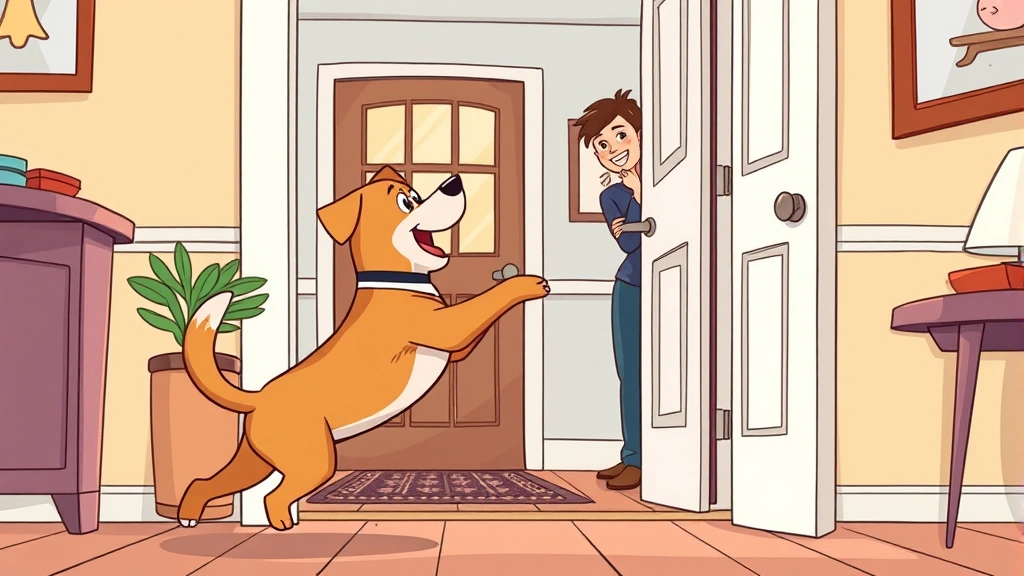
If your dog is a chronic jumper, teach “sit for greetings” before guests arrive. Practice it repeatedly. When the doorbell rings, ask for a sit before opening the door. Reward heavily. Your dog learns: people arriving = sit for rewards, not jump for chaos.
Not Coming When Called
This usually means you’ve accidentally trained your dog that “come” is optional. Maybe you call them to come, and they ignore you, and nothing happens. Or you call them to come when they’re having fun, and they learn that coming = the fun ends (bath time, nail trimming, end of playtime).
Fix this by making “come” the best thing that ever happens. Never call them to come for something they dislike. If it’s time for a bath, walk over and get them—don’t call them. Practice “come” in low-stakes situations with high-value rewards. Call them, they come, they get a jackpot reward and are immediately released to continue what they were doing.
Start indoors with zero distractions. Once they nail it inside, practice in a fenced yard. Only move to off-leash situations in open spaces once they’re rock-solid reliable. This takes months, not weeks.
If your dog has a strong prey drive, recall is even harder. This is where working with a professional trainer is worth the investment.
Excessive Barking
First, rule out medical issues. Pain, hearing loss, and cognitive decline in senior dogs can trigger excessive barking. Talk to your vet.
For behavioral barking, identify the trigger. Is your dog barking at the door? At other dogs? At nothing in particular? The solution depends on the trigger.
For door barking, teach “quiet.” Let them bark a few times (they’re alerting you), then say “quiet” and redirect to a sit or down. Reward the quiet behavior. Repeat. Eventually, they learn: bark a little = acceptable, bark a lot = doesn’t get attention.
For barking at other dogs, increase distance until they’re calm, then reward. Gradually decrease distance. This is called counterconditioning—you’re changing their emotional response from “threat” to “opportunity for treats.”
For anxiety-based barking, you might need professional help from a certified behaviorist, especially if your dog has separation anxiety.
Training Puppies vs. Adult Dogs
Puppies are sponges. They learn fast but also have goldfish-level attention spans. Training sessions should be 5-10 minutes, multiple times per day. Short, fun, frequent beats long and boring every time.
Puppies also can’t hold their bladder. Expect accidents. They’re not being defiant; their bodies literally can’t wait. Take them outside frequently (after meals, after naps, after play, before bed) and reward heavily when they go outside. Accidents happen—clean them with enzymatic cleaner so the scent doesn’t linger and trigger more accidents.
Socialization is critical for puppies. Between 3-16 weeks, expose them to different people, animals, environments, and sounds in a positive way. This window doesn’t close completely after 16 weeks, but it gets narrower. A well-socialized puppy becomes a confident adult dog. A fearful or under-socialized puppy often stays that way.
Adult dogs learn differently. They might have ingrained habits, but they also have better impulse control and longer attention spans. Training sessions can be 15-20 minutes. The challenge is unlearning old behaviors, which takes longer than learning new ones. Be patient. If your rescue dog has pulled on the leash for three years, it might take 6-8 weeks to fully retrain them.
Adult dogs also benefit from understanding their history. If your rescue dog was abused, they might have specific fears or triggers. Work around them. If they’re terrified of men, don’t force interaction—let them warm up at their own pace with positive associations (treats, gentle tone).
One advantage: adult dogs often know some basic commands already. Build on what they know. If they know “sit,” teach “down” next. Success breeds confidence in both dog and handler.
When to Call a Professional Trainer
Not every dog needs a trainer, but some situations absolutely warrant professional help.
Call a trainer if:
- Your dog shows aggression (snapping, growling, lunging at people or other dogs)
- You feel unsafe around your dog
- Your dog has severe anxiety that isn’t improving with your efforts
- You’re not seeing progress after 4-6 weeks of consistent training
- You have a puppy and want to set them up for success from day one
- You adopted a rescue with an unknown history and need guidance
When choosing a trainer, look for certifications from CCPDT (Certification Council for Professional Dog Trainers) or similar bodies. Ask about their methods—they should use positive reinforcement, not punishment-based techniques. Avoid anyone who mentions “alpha,” “dominance,” or “pack mentality.” These are outdated concepts that don’t align with modern dog behavior science.
A good trainer should be willing to explain their methods, answer your questions, and give you homework. Training isn’t something that happens in the training facility—it happens at home, every day, with you doing the work.
If your dog shows aggression, especially toward people, find a certified animal behaviorist (DACVB—Diplomate of the American College of Veterinary Behaviorists). They’re vets with additional training in behavior and can rule out medical causes while developing a behavior modification plan.
Cost varies wildly. Group classes might be $100-300 for 6-8 weeks. Private sessions run $50-200+ per hour. Board-and-train programs (where your dog stays with the trainer) can be $1,000-5,000+. It’s expensive, but it’s cheaper than a lawsuit if your dog bites someone, and it’s priceless if it saves your relationship with your dog.
Building a Training Routine That Actually Sticks
Here’s the thing nobody tells you: dog training tips only work if you actually do them. Consistency is harder than it sounds.
Start small. Pick one behavior to focus on. Don’t try to teach sit, stay, come, and leave it simultaneously. Master one, then add the next. This prevents overwhelm and sets you up for success.
Schedule training sessions. Put them on your calendar like they’re doctor’s appointments. Two 10-minute sessions per day works better than one 30-minute session. Morning and evening work well for most people. Make it non-negotiable.
Keep training sessions fun. If you’re frustrated, your dog feels it. If you’re bored, your dog feels that too. Keep it playful. Celebrate small wins. Your dog got a sit on the third try instead of the fifth? That’s progress. Reward it like they just won Westminster.
Use the same commands consistently. If you say “sit,” everyone in your household says “sit.” Not “sit down” or “have a seat” or “get your butt down.” One word, same inflection. Dogs are literal. Consistency matters.
Set your dog up for success by managing their environment. If your dog jumps on guests, don’t invite people over while you’re training. Put them in a separate room until the behavior is solid. If your dog steals food off the counter, don’t leave food on the counter. You’re not punishing your dog; you’re preventing failure.
Track progress. Keep a simple notebook or phone note of what you’ve worked on and how it went. “Day 1: sit, 5 reps, got 4/5. Day 2: sit, 5 reps, got 5/5.” This shows progress and keeps you motivated when it feels like nothing’s happening.
Expect plateaus. Your dog will make great progress, then seem to stall for a week. This is normal. The behavior is consolidating in their brain. Push through. Usually, the next breakthrough comes right after the plateau.
Remember: you’re not training your dog. You’re training yourself to be a better communicator. When you understand what your dog needs and how they learn, everything changes. Your dog isn’t stubborn or dumb—they just needed you to speak their language.
Frequently Asked Questions
How long does it take to train a dog?
– It depends on the behavior and the dog. Basic commands like sit and down take 1-2 weeks with daily practice. Reliable recall takes 3-6 months. Fixing ingrained behaviors takes even longer—sometimes 6-12 months. The timeline also depends on how consistently you train. Daily practice beats sporadic sessions every time. Don’t expect overnight results, but do expect noticeable improvement within 2-3 weeks if you’re consistent.
Is it ever too late to train an adult dog?
– Absolutely not. Adult dogs learn just as well as puppies; they just learn differently. They have longer attention spans and better impulse control, which actually makes some training easier. Old dogs can learn new tricks—it’s a myth that they can’t. The challenge is unlearning old behaviors, which takes time and patience. Give your adult dog the same chance you’d give a puppy, and you’ll be surprised at their progress.
What’s the difference between dog training and dog behavior modification?
– Training teaches new behaviors (sit, stay, come). Behavior modification changes emotional responses (fear, aggression, anxiety). A dog might learn to sit when a stranger approaches, but if they’re terrified of strangers, they need behavior modification—counterconditioning and desensitization—to change how they feel. Training is about obedience; behavior modification is about emotions. Some behaviors need both.
Can I train my dog without treats?
– Technically yes, but treats make it easier and faster. Treats are a universal language dogs understand. If your dog isn’t food-motivated, find another reward: play, petting, praise, or access to something they love. The principle is the same—reward the behavior you want to see more of. But if you have a choice, treats work fastest for most dogs.
Why does my dog listen to me at home but not on walks?
– Distractions. Your home is boring compared to the world outside. On walks, there are smells, other dogs, people, and movement. Your dog’s brain is overstimulated. Start training in boring environments (empty room, quiet house) until the behavior is rock-solid. Then gradually add distractions. Practice in your yard, then a quiet street, then busier areas. This is called “generalizing”—teaching your dog to perform commands in different environments. It takes time, but it’s worth it.
What should I do if my dog doesn’t respond to positive reinforcement?
– First, make sure you’re using the right reward. Some dogs don’t care about treats but go crazy for play or praise. Second, check your timing—are you rewarding within 1-2 seconds? Third, consider whether your dog is distracted, hungry, or unwell. A sick or scared dog won’t learn. If you’ve ruled out these factors and your dog still isn’t responding, consult a professional trainer or behaviorist. There might be an underlying issue (fear, medical problem, or learned helplessness) that needs professional attention.
Is crate training cruel?
– No. Crate training, when done correctly, teaches your dog that the crate is a safe space. Start by leaving the door open and rewarding them for going in. Never force them in or use the crate as punishment. A properly introduced crate becomes your dog’s den—a place they choose to rest. It’s invaluable for housebreaking puppies, preventing destructive behavior, and keeping your dog safe when you can’t supervise. The key is making it positive, never forcing it.
Can I train a dog with separation anxiety?
– Separation anxiety isn’t a training issue; it’s an emotional issue. Your dog isn’t being bad—they’re genuinely distressed. Training commands won’t fix it. You need behavior modification: gradually teaching your dog that you leaving isn’t a threat. Start with leaving for 30 seconds, then returning. Gradually increase duration. Some dogs need medication (talk to your vet) alongside behavior modification. This is one situation where professional help from a behaviorist is strongly recommended. You can learn more about this in our article about how to care for a dog, which covers emotional wellness.
Should I use a shock collar or prong collar?
– No. Shock collars and prong collars use pain or discomfort to suppress behavior. They don’t teach your dog what to do instead—they just teach fear and avoidance. They can also create or worsen aggression and anxiety. Modern dog training science has moved away from these tools. They’re not necessary, and they damage your relationship with your dog. Stick with positive reinforcement, which teaches your dog to make good choices because they want to, not because they’re scared.
How do I train my dog if I have multiple dogs?
– Train one dog at a time in a separate space. Dogs distract each other, and you can’t fairly reward one without creating jealousy. Once each dog has mastered a behavior individually, you can practice together. Multi-dog households also benefit from separate feeding, separate play, and separate training time. This prevents resource guarding and ensures each dog gets individual attention. If you have dogs with conflicting behaviors (one jumps while you’re training the other to sit), manage the situation by separating them until both are trained.
Is punishment ever appropriate in dog training?
– Punishment (applying something unpleasant to decrease a behavior) is rarely necessary and often backfires. It teaches your dog to avoid the behavior only when you’re watching. It doesn’t teach them what to do instead. It also damages trust and can create fear or aggression. The rare exception is immediate, mild correction (like a gentle “uh-uh” and redirect) during the moment of the behavior. But even that isn’t punishment in the technical sense—it’s redirection. Modern training focuses on preventing bad behavior and rewarding good behavior instead of punishing mistakes.
Can I train my dog while they’re on medication for anxiety?
– Yes, and often medication helps. If your dog is so anxious they can’t focus, medication can take the edge off so they can learn. Think of it like training a human who’s panicking—they need to be calm enough to receive information. Once your dog is learning reliably, your vet might gradually reduce the medication. Some dogs stay on medication long-term; others don’t need it once their behavior improves. Work with your vet and trainer together to find the right balance.
What’s the best age to start training a puppy?
– Immediately. Puppies start learning from day one. You can start basic obedience (sit, down) around 8 weeks. Formal training classes usually start at 12 weeks once puppies have their first vaccines. Socialization is critical between 3-16 weeks—expose them to different people, animals, and environments in a positive way. The earlier you start, the better. And remember, everything your puppy experiences is training them, whether you intend it or not. If they jump and people pet them, you’re training jumping. Be intentional from day one.
How do I train my dog to walk nicely with a retractable leash?
– Honestly? Switch to a 4-6 foot fixed leash. Retractable leashes actually encourage pulling because the constant tension trains your dog that pulling is normal. Once your dog walks nicely on a fixed leash, you can reintroduce a retractable leash if you want. But for training purposes, a fixed leash gives you more control and clearer communication. It’s a small investment that pays off in a much better-trained dog.
Can I train my dog if I’ve never done this before?
– Absolutely. You don’t need to be a professional. You just need patience, consistency, and a willingness to learn. Start with basics, keep sessions short and fun, and celebrate small wins. If you get stuck, consult a trainer or behaviorist. But most dogs respond well to owners who are genuinely trying. Your dog doesn’t need a perfect trainer; they need a committed one. That’s you.





