
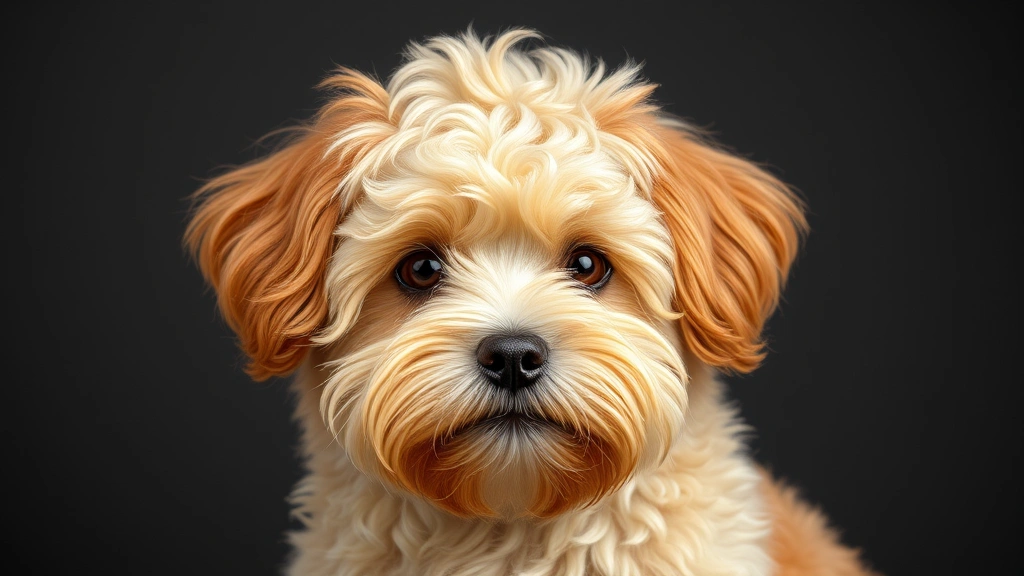
A cavachon dog is basically what happens when a Cavalier King Charles Spaniel and a Bichon Frise decide to have the cutest offspring imaginable. These designer dogs have stolen the hearts of families everywhere, and honestly, once you meet one, you’ll understand why. They’re fluffy, affectionate, and surprisingly intelligent little furballs that seem to think they’re lap dogs regardless of their actual size.
Table of Contents
- What Exactly Is a Cavachon Dog?
- Cavachon Temperament: Are They Really That Sweet?
- Size, Appearance, and Those Adorable Looks
- Grooming Requirements: Prepare for Fluff Management
- Training Your Cavachon: Smarter Than They Look
- Exercise Needs: More Active Than You’d Think
- Nutrition and Diet: Fueling Your Fluffy Friend
- Health Concerns: What Every Owner Should Know
- Cavachon Dogs and Families: The Perfect Match?
- Allergies and Hypoallergenic Qualities
- Cost Considerations: What You’ll Actually Spend
- Finding a Reputable Breeder or Rescue
- Frequently Asked Questions
- Final Thoughts: Is a Cavachon Dog Right for You?
What Exactly Is a Cavachon Dog?
Let me break this down for you: a cavachon dog is a first-generation cross between two beloved breeds. You get the gentle, loving nature of the Cavalier King Charles Spaniel mixed with the intelligence and hypoallergenic qualities of the Bichon Frise. The result? A dog that’s friendlier than a golden retriever at a dog park and just as eager to please. These pups typically weigh between 9-25 pounds, making them the perfect size for apartment living or suburban homes. They’re small enough to cuddle comfortably but sturdy enough to handle playtime with kids.
Cavachon Temperament: Are They Really That Sweet?
Yes. Absolutely yes. Cavachon dogs are known for their exceptionally sweet temperament. They’re social butterflies who love everyone—and I mean everyone. Your mailman? Best friend. The neighbor’s cat? Potential playmate. Other dogs? Bring ’em on. This breed rarely meets a person or animal they don’t like, which makes them terrible guard dogs but absolutely stellar family companions. They thrive on human interaction and can develop separation anxiety if left alone for extended periods, so they’re best suited for families who can give them plenty of attention.
Size, Appearance, and Those Adorable Looks
Cavachon dogs come in various colors—including ruby, tricolor, apricot, and cream—with soft, wavy or curly coats that make them look like living teddy bears. Their eyes are typically large and expressive, capable of melting even the hardest hearts with a single glance. Most cavachons weigh between 9-25 pounds and stand about 12-13 inches tall at the shoulder. Some inherit more of the Cavalier’s silky coat, while others get the Bichon’s curlier texture. Either way, they’re undeniably cute, and you’ll spend half your time just staring at them wondering how something so adorable actually exists.
Grooming Requirements: Prepare for Fluff Management
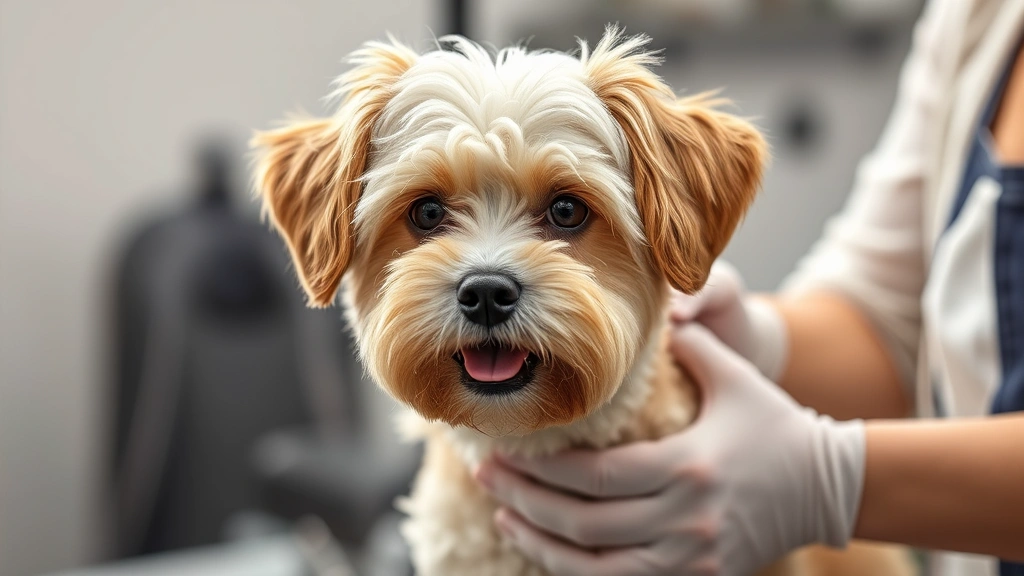
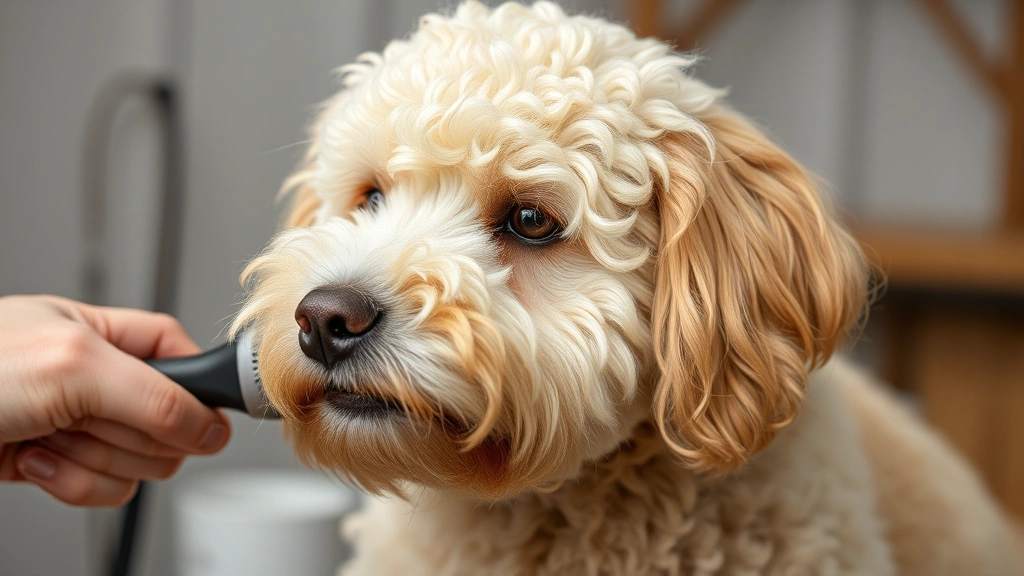
Here’s where cavachon dog ownership gets real: grooming is non-negotiable. These pups need regular brushing—ideally 3-4 times per week—to prevent matting and keep their coat healthy and shiny. Many owners opt for professional grooming every 6-8 weeks, which includes baths, haircuts, and nail trimming. If you skip the brushing, you’ll end up with a matted mess that’s uncomfortable for your pup and expensive to fix. Think of grooming as part of the package deal with these beautiful dogs. Plus, their coat health depends on proper feeding routines, so nutrition plays a role too.

Training Your Cavachon: Smarter Than They Look
Cavachon dogs are intelligent and eager to please, which makes training relatively straightforward. They respond well to positive reinforcement, treats, and praise. These pups can learn commands quickly and often excel in obedience classes. However, they can also be stubborn—especially if they inherit more of the Bichon’s independent streak. Consistency is key. Start training early, keep sessions short and fun, and always use rewards. House training typically takes a few months, and they usually catch on faster than some other breeds. Socialization during puppyhood is crucial to ensure they grow into well-adjusted adults, though honestly, most cavachons are naturally social.
Exercise Needs: More Active Than You’d Think
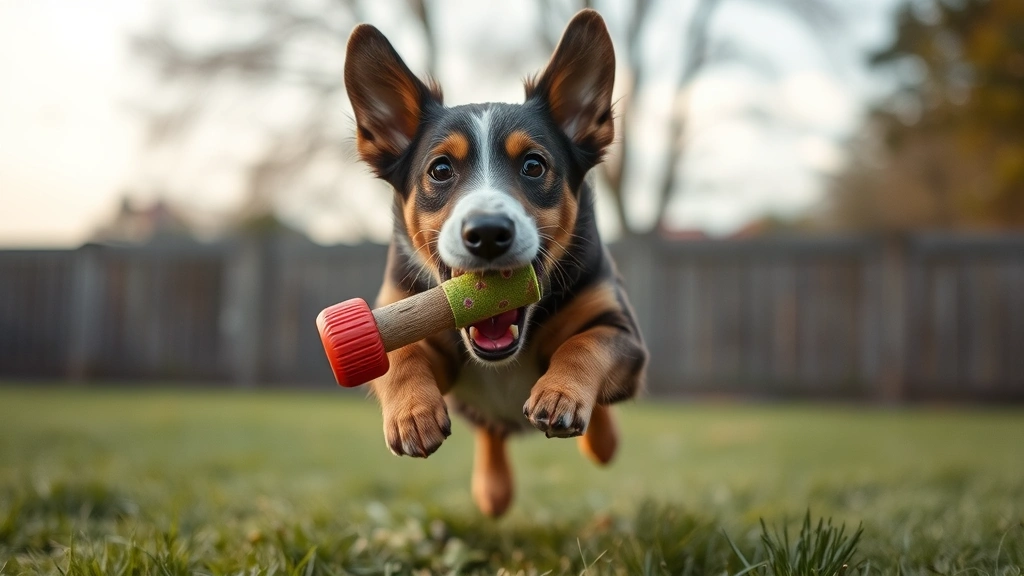
Don’t let their small size fool you—cavachon dogs have decent energy levels and need regular exercise. A daily walk of 30-45 minutes plus playtime keeps them happy and prevents destructive behavior. They enjoy fetch, agility training, and interactive games. These dogs aren’t couch potatoes, though they certainly enjoy lounging with their humans. If you live a sedentary lifestyle, a cavachon might not be your best match. They need mental stimulation too, so puzzle toys and training sessions are great additions to their routine. Understanding their nutritional needs based on activity levels helps keep them in optimal health.

Nutrition and Diet: Fueling Your Fluffy Friend
Feeding a cavachon dog properly sets the foundation for a long, healthy life. High-quality dog food formulated for small breeds is ideal. Most cavachons do well on 1-1.5 cups of food daily, split into two meals, though this varies based on age, activity level, and metabolism. Look for foods with quality proteins, healthy fats, and minimal fillers. Many owners find that high-energy dog food needs align well with active cavachons. Understanding the caloric needs for dogs of this size prevents obesity, which can lead to joint problems and other health issues. Treats should make up no more than 10% of their daily calories, and always provide fresh water. For anxious pups, calming chews for dogs can be helpful supplements.
Health Concerns: What Every Owner Should Know
Cavachon dogs are generally healthy, but like all breeds, they’re prone to certain conditions. Heart issues (inherited from Cavaliers), ear infections (thanks to those floppy ears), and patellar luxation are possibilities. Hip dysplasia, though uncommon, can occur. Regular veterinary check-ups, maintaining a healthy weight, and proper ear cleaning go a long way in preventing problems. Most cavachons live 12-15 years, giving you over a decade of companionship. Dental care is often overlooked but important—brush their teeth regularly or use dental chews to prevent tartar buildup.
Cavachon Dogs and Families: The Perfect Match?
If you’re looking for a family dog, a cavachon might be exactly what you need. They’re gentle with children, patient, and playful. Their small size means they won’t accidentally knock over toddlers, and their sweet nature means they rarely snap or bite. They’re also generally good with other pets, making them ideal for multi-pet households. The main consideration is their need for attention—they don’t do well being ignored or left alone constantly. Families that can provide companionship and regular interaction will find cavachons to be absolute dream pets. Consider your feeding schedules for pets to ensure consistency in their daily routine.
Allergies and Hypoallergenic Qualities
One of the biggest selling points of cavachon dogs is their hypoallergenic potential. Since Bichon Frises are known for being hypoallergenic, many cavachons inherit this trait. However, it’s not a guarantee—some cavachons shed more than others depending on which parent’s coat they inherit. If you have allergies, spend time with a cavachon before committing to adoption. Regular grooming definitely helps reduce allergens and loose hair. They’re certainly a better option than heavy-shedding breeds, making them suitable for allergy-prone families.

Cost Considerations: What You’ll Actually Spend
Cavachon dogs typically cost between $1,500-$3,500 from reputable breeders, though prices vary by location and breeder reputation. Beyond the initial purchase, expect annual veterinary care ($500-$1,000), grooming ($50-$100 per session), food, toys, and supplies. Pet insurance is worth considering and typically costs $30-$50 monthly. Training classes might add another $200-$500. Over their 12-15 year lifespan, you’re looking at a significant investment, but most owners agree these sweet pups are worth every penny.
Finding a Reputable Breeder or Rescue
When looking for a cavachon dog, always do your homework. Reputable breeders health-test their parents, provide health guarantees, and genuinely care about where their puppies go. Ask for references, visit their facility, and never buy from puppy mills or irresponsible breeders. Alternatively, cavachon rescues exist and often have wonderful dogs needing homes. Adoption fees are typically lower ($200-$500), and rescue dogs are often already housetrained and past the chaotic puppy phase. Either way, ensure you’re supporting ethical breeding practices.
Frequently Asked Questions
How long do cavachon dogs live?
Cavachon dogs typically live 12-15 years with proper care, good nutrition, and regular veterinary check-ups. Some have been known to live into their late teens with exceptional care.
Do cavachon dogs bark a lot?
Cavachons are moderate barkers. They’re not excessive, but they will alert you to visitors or unusual sounds. Early training can help minimize unnecessary barking.
Are cavachon dogs good for first-time dog owners?
Absolutely! Their intelligence, trainability, and sweet nature make them excellent for first-time owners. They’re forgiving, eager to please, and generally easy to manage.
Can cavachon dogs live in apartments?
Yes, cavachons adapt well to apartment living as long as they get daily exercise and mental stimulation. Their small size and moderate energy make them apartment-friendly.
What’s the difference between a cavachon and a cavalier?
A cavachon is a cross between a Cavalier King Charles Spaniel and a Bichon Frise, while a Cavalier is a purebred. Cavachons often have the Bichon’s hypoallergenic coat and the Cavalier’s gentle temperament.
How often should I groom my cavachon?
Brush your cavachon 3-4 times weekly and schedule professional grooming every 6-8 weeks. Regular grooming prevents matting and keeps their coat healthy.

Final Thoughts: Is a Cavachon Dog Right for You?
Cavachon dogs are genuinely special companions that bring joy, love, and endless cuteness to their families. They’re not perfect—no dog is—but they come pretty darn close if you’re looking for a friendly, intelligent, manageable family pet. They require commitment to grooming, regular exercise, and plenty of attention, but the rewards are immeasurable. If you have the time, resources, and love to give, a cavachon dog might just be the perfect addition to your family. These little furballs have a way of making every day better, one adorable head tilt at a time.





