
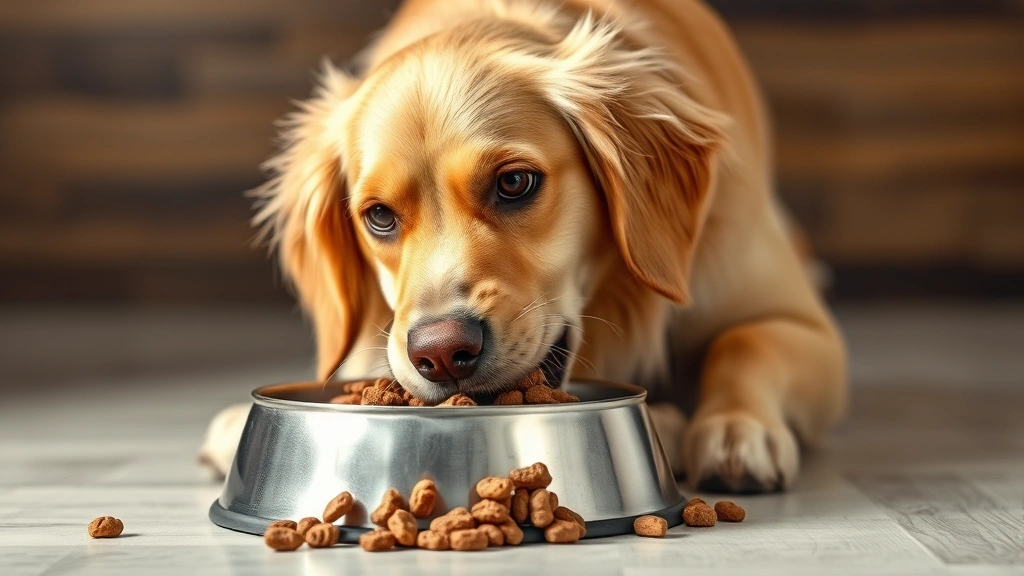
If your furry best friend has been scratching like they’re auditioning for a flea circus, or their stomach sounds like a haunted house, chicken free dog food might be exactly what the vet ordered. Many dogs develop allergies to chicken—the most common protein in commercial dog foods—and switching to poultry-free options can transform your pup from an itchy, uncomfortable mess into a happy, healthy companion.
Table of Contents
- Why Do Dogs Get Chicken Allergies?
- Signs Your Dog Might Need Chicken-Free Dog Food
- Top 5 Chicken-Free Dog Food Brands Worth Your Money
- Understanding Protein Alternatives to Chicken
- How to Transition to Chicken-Free Dog Food
- Ingredient Labels: What to Avoid Beyond Chicken
- Cost Considerations and Budget-Friendly Options
- When to See a Vet About Allergies
- The Role of Supplements with Chicken-Free Diets
- Frequently Asked Questions
- Summary: Making the Switch to Chicken-Free Dog Food
Let’s dive into why chicken allergies happen, which brands actually deliver on their promises, and how to make the switch without your dog staging a food protest in your kitchen.
Why Do Dogs Get Chicken Allergies?
Here’s the thing about chicken allergies in dogs: they’re not actually that rare. In fact, chicken is one of the top allergens for dogs, right up there with beef and dairy. Your dog’s immune system can develop a hypersensitivity to chicken proteins, causing inflammation, itching, ear infections, and digestive issues that’ll make you question your life choices at 3 AM when they’re scratching at their skin.
The irony? Chicken is in EVERYTHING. It’s cheap, it’s protein-packed, and manufacturers love it. So if your pup is allergic, you’re basically on a treasure hunt to find food without it. That’s where chicken-free dog food options come in clutch.
Signs Your Dog Might Need Chicken-Free Dog Food
Before you overhaul your dog’s entire diet, make sure they actually have a chicken allergy. Common symptoms include:

- Chronic itching and scratching (especially ears, paws, and belly)
- Red, inflamed skin or rashes
- Ear infections that keep coming back like unwanted relatives
- Vomiting or diarrhea
- Excessive licking or chewing of paws
- Hair loss or hot spots
- Yeast infections (the smell is… memorable)
If your dog’s got most of these symptoms, it’s time to chat with your vet. They might recommend an elimination diet to pinpoint the culprit. This is where poultry-free dog food becomes your new best friend.
Top 5 Chicken-Free Dog Food Brands Worth Your Money
1. Taste of the Wild High Prairie
This brand is like the cool kid in the dog food cafeteria. It’s grain-free, uses beef and venison as primary proteins, and includes a solid lineup of probiotics and antioxidants. Your dog’s digestive system will thank you, and their coat will look shinier than a freshly waxed car. The price point is mid-range, which means you’re not selling a kidney, but you’re also not feeding your pup the canine equivalent of fast food.
2. Orijen Six Fish
If your dog could talk, they’d probably tell you this food tastes like a gourmet meal. It’s packed with fish proteins (salmon, herring, flounder), which are excellent for skin and coat health. Fair warning: it’s pricey. Like, “I’m treating my dog better than I treat myself” pricey. But the quality is legitimately top-notch, and many owners swear their allergic dogs transform on this food.
3. Instinct Raw Boost Grain-Free Beef
This one’s got raw meat mixed with kibble, which sounds weird but works surprisingly well. The beef-based formula means zero chicken, and the raw component helps with digestion. It’s also got that breed-specific feeding approach that some pups respond to better than others. Your freezer might hate you for storing it, but your dog’s skin will love you.

4. Merrick Grain-Free Limited Ingredient Beef
Merrick keeps things simple with this one: beef, sweet potatoes, and minimal ingredients. It’s the Marie Kondo of dog foods—everything serves a purpose, nothing extra. For dogs with sensitive stomachs or multiple allergies, this is gold. Plus, it’s made in the USA, which matters to people who care about that stuff (and honestly, should we all?).
5. Primal Freeze-Dried Beef
Want to go full caveman mode with your dog’s diet? Primal’s got you. It’s freeze-dried raw beef with organs and bones included. It’s basically what your dog would eat if they were a wolf (minus the hunting and the whole living-in-the-wild situation). It’s expensive and requires some prep work, but the nutritional density is unmatched. Your dog’s energy levels will skyrocket.
Understanding Protein Alternatives to Chicken
When you’re hunting for chicken-free dog food, you’ll see a bunch of other protein options. Here’s what you’re actually looking at:
Beef: The classic alternative. Digestible, protein-rich, and most dogs go absolutely bonkers for it. Good choice for most allergic pups.
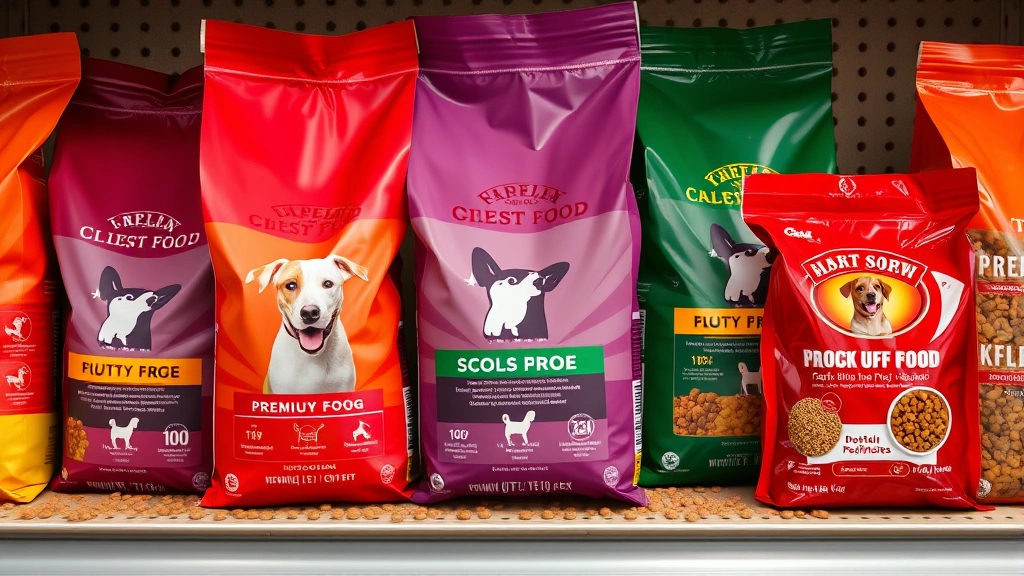
Fish: Salmon, herring, and other fish are packed with omega-3s, which are fantastic for skin and coat. They smell questionable, but your dog won’t care.
Venison: A novel protein that many allergic dogs tolerate well. It’s leaner than beef and has a unique amino acid profile.
Duck: Another solid option. It’s less common than chicken, so it’s less likely your dog’s immune system has already developed an allergy to it.
Lamb: Digestible and flavorful. Good for dogs with multiple sensitivities.
Pork: Less common in dog foods but a viable option for some pups.
The key is finding what YOUR dog tolerates best. Every dog is different—kind of like how some people can eat gas station sushi without consequences while others look at it and get stomach cramps.
How to Transition to Chicken-Free Dog Food
Here’s where most people mess up: they switch foods cold turkey (pun intended) and then act shocked when their dog’s stomach stages a rebellion. Don’t be that person.
Transition gradually over 7-10 days:
- Days 1-2: 75% old food, 25% new food
- Days 3-4: 50% old food, 50% new food
- Days 5-6: 25% old food, 75% new food
- Days 7-10: 100% new food
Your dog might still have some digestive adjustment, but this slow approach minimizes the chaos. Also, check out our feeding schedules guide to nail down the timing and portions.
Ingredient Labels: What to Avoid Beyond Chicken
Just because something says “chicken-free” doesn’t mean it’s good for your allergic dog. Watch out for:
- Chicken by-products or meal: Sneaky way to hide chicken
- Poultry fat: Derived from chicken and other birds
- Chicken broth: Yes, it counts
- Artificial colors and preservatives: These can trigger allergies too
- Excessive fillers: Corn, wheat, and soy are inflammatory for sensitive dogs
Read those labels like you’re decoding a secret message. Your dog’s health depends on it. According to AAFCO standards, pet food labels must list ingredients in order by weight, so the first few ingredients matter most.
Cost Considerations and Budget-Friendly Options
Quality chicken-free dog food isn’t cheap. You’re looking at anywhere from $40 to $100+ per month depending on the brand and your dog’s size. That’s rough on the wallet, especially if you’ve got a large breed.
Some budget-friendly strategies:
- Buy in bulk and freeze
- Subscribe to Amazon or Chewy for discounts
- Mix premium brands with mid-range options
- Consider portion control strategies to stretch your budget
- Ask your vet about prescription diets (sometimes covered by pet insurance)
Yes, it’s an investment, but think of it this way: spending more on quality food now means fewer vet visits for skin infections, ear problems, and digestive issues later. It’s basically financial self-defense.
When to See a Vet About Allergies
Not every itchy dog has a food allergy. Environmental allergies, parasites, and skin infections can cause similar symptoms. Before you drop serious money on premium food, get your vet’s opinion. They might recommend:
- An elimination diet (the gold standard for food allergy diagnosis)
- Allergy testing
- Skin scrapings or cultures
- Blood work
Your vet can also help with supplements and management strategies to support your allergic pup’s overall health.

The Role of Supplements with Chicken-Free Diets
Even with great food, some dogs benefit from supplements:
Omega-3 Fish Oil: Reduces inflammation and supports skin health. This is the MVP supplement for allergic dogs.
Probiotics: Help with digestion and gut health. A healthy gut can actually reduce allergy symptoms.
Digestive Enzymes: Help break down proteins and reduce digestive stress.

L-Histidine: An amino acid that can help with allergy symptoms.
Talk to your vet before adding anything new. They’ll help you figure out what your specific dog needs.
Frequently Asked Questions
Can my dog ever eat chicken again after developing an allergy?
Once a dog develops a true allergy to chicken, it’s usually permanent. However, some dogs with mild sensitivities might tolerate small amounts after their system settles down. Never test this without vet approval—it’s not worth the itching and discomfort.
Is chicken-free dog food more expensive than regular dog food?
Generally yes, but not always dramatically so. Premium chicken-free brands are pricier, but mid-range options are only slightly more expensive than quality chicken-based foods. The investment usually pays for itself in reduced vet bills.

How long does it take to see improvement after switching to chicken-free food?
Most dogs show improvement within 4-8 weeks, though some respond faster. Skin issues take longer to clear up than digestive problems. Be patient—good things take time.
What if my dog is allergic to multiple proteins?
This happens, and it’s frustrating. Work with your vet to do an elimination diet with a novel protein your dog hasn’t eaten before. Limited ingredient diets are your best bet.
Are grain-free chicken-free foods necessary?
Not always. Some dogs do fine with grains; it’s the chicken causing problems. Grain-free foods are trendy but not inherently better. Focus on finding the right protein source first.
Can I make homemade chicken-free dog food?
Yes, but it requires careful planning to ensure nutritional balance. You’ll likely need to work with a veterinary nutritionist to create a complete and balanced recipe. DIY feeding isn’t for the faint of heart.
Summary: Making the Switch to Chicken-Free Dog Food
Your dog’s itching, scratching, and digestive issues might finally have a solution. Chicken free dog food isn’t just a trendy pet product—it’s a legitimate game-changer for dogs with chicken allergies. Whether you go with Taste of the Wild, Orijen, Instinct, Merrick, or Primal, you’re investing in your dog’s comfort and long-term health.
Start by confirming the allergy with your vet, transition slowly to the new food, and give it time to work. Monitor your dog’s skin, energy levels, and digestion. Most dogs show significant improvement within a couple of months.
Yes, it costs more. Yes, it requires label-reading skills. But watching your dog go from a miserable, itchy mess to a happy, comfortable companion? That’s priceless. Your pup will thank you—probably by licking your face more than usual and finally stopping that incessant scratching at 2 AM.





