

If your furry best friend has started moving like they’re auditioning for a sloth documentary, chondroitin for dogs might be exactly what they need to get back to their tail-wagging, zoomie-running self. This naturally occurring compound has become the go-to solution for pet parents dealing with aging joints, arthritis, and those sad puppy eyes that scream “my knees hurt.”
Here’s the thing: our dogs can’t exactly tell us when their joints are screaming in protest. They just slow down, limp a little, and suddenly they’re skipping the couch jumps. That’s where chondroitin comes in—a legitimate game-changer that’s backed by science and loved by vets everywhere.
What Exactly Is Chondroitin and Why Should Your Dog Care?
Chondroitin is a naturally occurring compound found in cartilage, and it’s basically the cushioning system your dog’s joints desperately need. Think of it as the shock absorbers in your car—without them, every bump in the road becomes a painful experience. When dogs age or deal with joint issues, their cartilage breaks down faster than a Netflix series gets cancelled. Chondroitin helps slow that degradation and keeps those joints functioning like they’re still a spry pup.
The compound works by attracting water to the cartilage matrix, maintaining elasticity and cushioning. It’s like giving your dog’s joints a hydration spa treatment from the inside out. Pretty cool, right?
The Science Behind Joint Support for Aging Dogs
Veterinary research has consistently shown that chondroitin supplements can reduce joint inflammation and slow cartilage deterioration in dogs. Studies published in veterinary journals indicate that when combined with glucosamine (the dynamic duo of joint health), chondroitin shows even more impressive results. Your aging dog isn’t just getting placebo benefits—there’s actual biochemistry happening here.
The magic happens because chondroitin inhibits enzymes that break down cartilage while simultaneously promoting cartilage repair. It’s like having a tiny construction crew working on your dog’s joints 24/7. For dogs dealing with osteoarthritis or joint degeneration, this support can mean the difference between limping through life and actually enjoying their golden years.
How Chondroitin Reduces Inflammation in Canine Joints
Inflammation is the villain in your dog’s joint story. When joints become inflamed, movement becomes painful, and your pup starts avoiding activities they once loved. Chondroitin acts as an anti-inflammatory agent, helping to calm down those angry joints and reduce swelling. Dogs with arthritis or post-injury joint issues often show noticeable improvement in mobility within 4-6 weeks of consistent supplementation.
The reduction in inflammation isn’t just about comfort—it’s about quality of life. A dog that can walk without limping, play without wincing, and climb stairs without hesitation is a happy dog. And happy dogs make happy pet parents.
Best Forms of Chondroitin Supplements for Your Pup
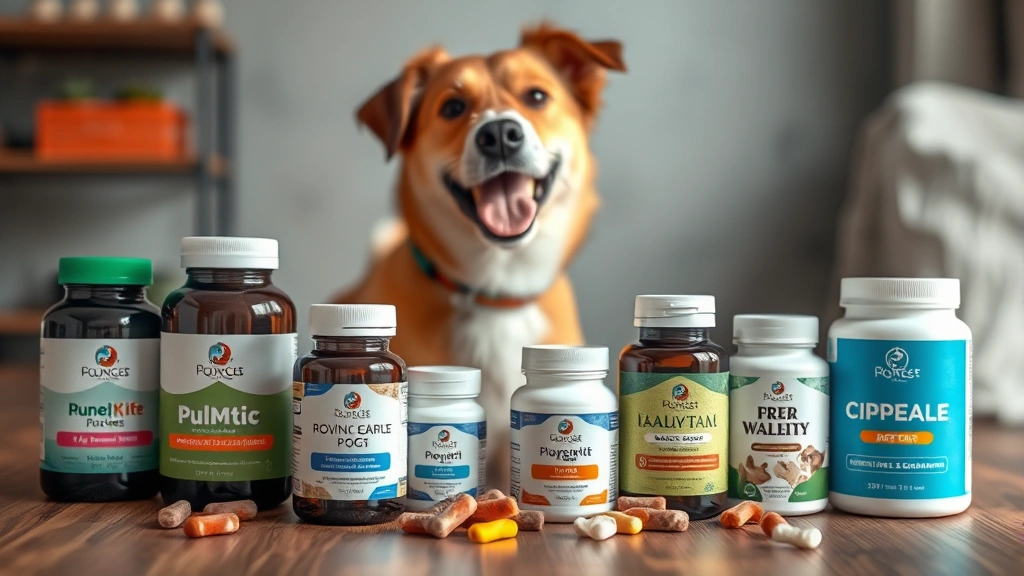
Not all chondroitin supplements are created equal. You’ve got tablets, powders, liquids, and chewables—each with their own pros and cons. Tablets work great for dogs that don’t mind swallowing pills, while powders can be mixed into food for picky eaters. Liquid supplements absorb quickly and are perfect for senior dogs with swallowing difficulties. Chewables? They’re basically dog candy that happens to support joint health.
When choosing a supplement, look for products specifically formulated for canine joint support. Check that they include chondroitin sulfate (the most bioavailable form) and ideally pair it with glucosamine for maximum effectiveness. Quality matters—you want pharmaceutical-grade ingredients, not fillers that’ll just pass through your dog’s system.
Pairing Chondroitin with Other Joint-Supporting Supplements
While chondroitin is fantastic on its own, it’s like a great song that becomes a masterpiece when paired with the right harmony. Glucosamine is the classic partner—together they’re the peanut butter and jelly of joint health. MSM (methylsulfonylmethane) adds another layer of anti-inflammatory support, while omega-3 fatty acids help reduce joint inflammation from a different angle.
Many vets recommend comprehensive joint formulas that include all these ingredients. Think of it as creating a fortress of joint support rather than relying on a single defense mechanism. Your dog’s cartilage will thank you. For dogs with sensitive digestive systems, you might explore sensitive stomach supplements that include joint support ingredients.
Dosage Guidelines: Getting the Right Amount for Your Dog
Here’s where it gets tricky—there’s no one-size-fits-all dosage because dogs come in all sizes. A Chihuahua needs vastly different amounts than a Great Dane. Generally, veterinarians recommend 10-15 mg of chondroitin per pound of body weight daily, but always check your specific product’s label and consult your vet.

Most quality supplements provide dosing guidelines based on weight categories. Start with the recommended dose and stick with it for at least 6-8 weeks before evaluating effectiveness. Some dogs show improvement in 2-3 weeks, while others need more time. Patience is key—chondroitin isn’t a miracle cure, but it’s a reliable, long-term solution for joint health.
Signs Your Dog Might Need Chondroitin Supplementation
Is your dog showing signs of joint issues? Watch for limping, reluctance to jump or climb stairs, difficulty rising after rest, or stiffness that seems worse in cold weather. Some dogs become less playful or show behavioral changes due to chronic pain. Senior dogs, large breeds, and dogs with previous injuries are prime candidates for chondroitin supplementation.
You don’t need to wait until your dog is hobbling around like they’re auditioning for a zombie movie. Many vets recommend starting joint supplements proactively in large breed puppies and senior dogs as preventative care. It’s much easier to maintain joint health than to repair significant damage.
Real-World Results: What Pet Parents Are Seeing
Pet parents across the country report remarkable improvements in their dogs’ mobility and quality of life. Dogs that could barely walk are back to their normal selves. Senior pups are playing again. Arthritis-stricken companions are showing less pain and more enthusiasm. These aren’t just anecdotal stories—they’re consistent reports from people who’ve invested in their dog’s joint health.
The timeline varies, but most see noticeable improvements within 4-8 weeks. Some dogs respond faster, while others need extended supplementation before showing dramatic changes. The key is consistency—giving supplements regularly, not sporadically.
Combining Chondroitin with Lifestyle Changes for Maximum Impact
Supplements work best when paired with smart lifestyle choices. Maintaining a healthy weight is crucial—excess weight puts additional stress on joints. Regular, low-impact exercise like swimming or walking keeps joints mobile without excessive strain. Comfortable bedding reduces pressure on joints during rest. Some pet parents even add multi-strain probiotics for pets to their dog’s routine, as gut health supports overall wellness including joint function.
Physical therapy exercises recommended by your vet can work wonders alongside supplementation. Massage, heat therapy, and controlled exercise all contribute to better joint function. Think of chondroitin as part of a comprehensive joint health strategy, not a standalone solution.
Safety, Side Effects, and What You Should Know
The beautiful thing about chondroitin is its excellent safety profile. It’s derived from natural sources (usually shark or bovine cartilage) and serious side effects are rare. Most dogs tolerate it beautifully with minimal to no adverse reactions. Occasionally, some dogs experience mild digestive upset, but this typically resolves quickly or can be managed by adjusting dosage.
Unlike some medications, chondroitin doesn’t interact negatively with most other supplements or medications. However, always mention joint supplements to your veterinarian, especially if your dog is on blood thinners or other medications. Better safe than sorry when it comes to your pup’s health.
Choosing Quality: What to Look for in Chondroitin Products
Not all supplements are regulated the same way, so quality varies significantly. Look for products from reputable manufacturers that conduct third-party testing. Check for certifications from organizations like the AAFCO (Association of American Feed Control Officials) or NSF International. Read ingredient lists carefully—you want chondroitin sulfate listed prominently, not buried under fillers.
Price isn’t everything, but suspiciously cheap supplements often indicate lower quality ingredients. Mid-range to premium products from established pet health companies tend to offer better potency and purity. Your vet can recommend trusted brands they’ve seen produce real results in their practice.
When to Expect Results and How to Monitor Progress
Give chondroitin at least 4-6 weeks before expecting dramatic improvements, though some dogs respond faster. Keep a simple log of your dog’s mobility, activity level, and pain indicators. Note whether they’re limping less, climbing stairs with more confidence, or showing increased playfulness. These observations help you and your vet determine if the supplement is working.
If you’re not seeing any improvement after 8-12 weeks, discuss alternatives with your veterinarian. Sometimes adjusting dosage, switching brands, or adding additional joint support helps. Every dog responds differently, and what works miracles for one pup might need tweaking for another.
Frequently Asked Questions
Can I give my young dog chondroitin as prevention?
Absolutely! Many vets recommend starting joint supplements in large breed puppies and high-risk dogs as preventative care. It’s much easier to maintain healthy joints than repair damaged ones later. Talk to your vet about appropriate preventative dosing for your pup’s age and breed.
How long does my dog need to take chondroitin?
Most dogs benefit from long-term, ongoing supplementation. Think of it as maintenance rather than a course of treatment. Once you find a dosage that works, your dog will likely need to continue it throughout their life for sustained joint health benefits.
Is chondroitin safe to give alongside other medications?
Generally yes, but always inform your veterinarian about all supplements your dog is taking. Chondroitin has minimal interactions with most medications, but your vet should verify it’s safe with your dog’s specific medication regimen.
What’s the difference between chondroitin from different sources?
Chondroitin can be derived from shark cartilage, bovine (cow) cartilage, or synthetic sources. Most studies show similar effectiveness regardless of source, though bioavailability can vary slightly. Choose based on your comfort level and your dog’s dietary restrictions.
Can chondroitin cure my dog’s arthritis?
Unfortunately, no supplement can cure arthritis, but chondroitin can significantly slow progression and reduce pain. It’s a management tool that helps your dog live more comfortably, not a cure. Combined with other treatments and lifestyle modifications, it provides excellent quality-of-life improvements.
How do I know if my dog is allergic to chondroitin?
Allergic reactions are rare but watch for vomiting, diarrhea, excessive itching, or swelling. If you notice any concerning symptoms after starting supplementation, stop and contact your vet immediately. Most dogs tolerate chondroitin beautifully without any issues.
Should I use human chondroitin supplements for my dog?
Not recommended. Dog supplements are formulated specifically for canine metabolism and dosing. Human supplements might contain additives unsafe for dogs or improper dosing ratios. Always use products formulated specifically for dogs.
What’s the best time of day to give chondroitin?
Most supplements work best when given with food to enhance absorption and reduce potential digestive upset. Consistency matters more than timing, so pick a time you’ll remember daily and stick with it.
The Bottom Line on Chondroitin for Dogs
Your dog deserves to move through life without pain holding them back. Chondroitin for dogs represents one of the most effective, safe, and affordable ways to support joint health and improve quality of life. Whether you’re dealing with an aging senior, a large breed prone to joint issues, or a dog recovering from injury, chondroitin offers real, scientifically-backed benefits.
The investment in joint health today pays dividends tomorrow in the form of a more active, happier, pain-free companion. Start the conversation with your veterinarian, choose a quality supplement, and commit to consistent supplementation. Your dog’s future mobility will thank you. And for comprehensive wellness, consider exploring how liquid probiotics for pets can support overall digestive and immune health alongside joint care.
Remember, every dog is unique, and what works for your neighbor’s Lab might need adjustment for your Dachshund. Work with your vet, monitor results, and don’t hesitate to adjust your approach. Your dog’s comfort and happiness are worth the effort.





