
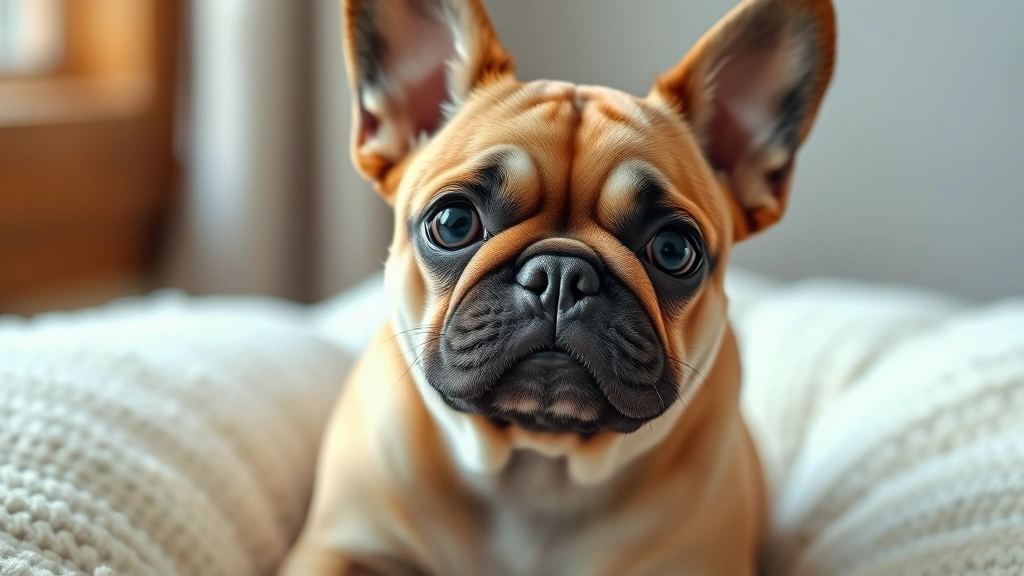
A chug dog is one of the most charming designer dog breeds you’ll ever meet—a delightful cross between a Chihuahua and a Pug that combines the best (and sometimes the quirkiest) traits of both parents. If you’re considering bringing a chug into your home, you’re in for a treat. These little furballs pack massive personality into tiny bodies, and they’ve become increasingly popular among dog lovers who want a compact companion with a big heart.
Table of Contents
- What Exactly Is a Chug Dog?
- Physical Characteristics of Chug Dogs
- Temperament: The Big Personality in a Small Package
- Training Your Chug Dog: Patience Pays Off
- Health Considerations for Chug Dogs
- Nutrition and Feeding: Getting It Right
- Grooming and Coat Care for Your Chug
- Exercise Needs: Don’t Underestimate These Little Athletes
- Common Behavioral Issues and Solutions
- Is a Chug Dog Right for Your Family?
- Finding a Healthy Chug Dog
- Cost Considerations
- Frequently Asked Questions
What Exactly Is a Chug Dog?
Let’s start with the basics. A chug dog is a hybrid breed that results from crossing a purebred Chihuahua with a purebred Pug. The name itself is a cute mashup of the parent breeds’ names, and honestly, it fits perfectly. Unlike purebred dogs, chugs can inherit traits from either parent, making each one unique. Some chugs look more like tiny Pugs with longer snouts, while others resemble Chihuahuas with stockier builds and flatter faces.
The chug dog phenomenon really took off in the early 2000s when designer dog breeding became trendy. Breeders wanted to create dogs that had the Pug’s charming personality without some of the serious breathing issues, while also toning down the Chihuahua’s notorious yappy nature. The result? A companion dog that’s genuinely fantastic for apartment living and small-space situations.
Physical Characteristics of Chug Dogs
Here’s where things get interesting with chug dogs—they’re gloriously unpredictable in appearance. Most chugs weigh between 4 and 12 pounds, making them perfect lap dogs. Their height typically ranges from 5 to 9 inches, so they’re truly pocket-sized pups.
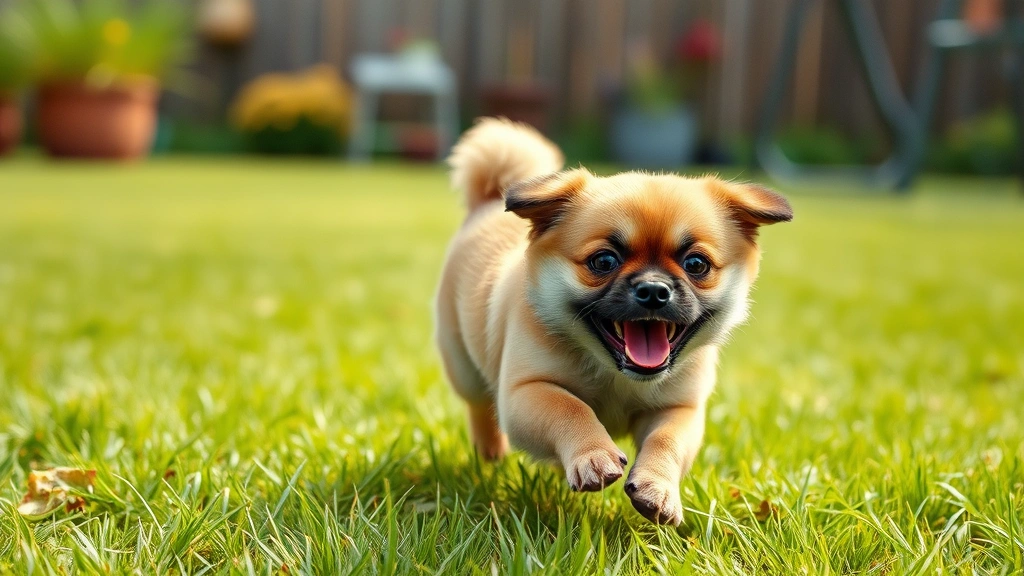
The coat varies significantly depending on which parent they favor. Some chug dogs sport the short, smooth coat of a Pug, while others inherit the longer, sometimes slightly wiry coat of a Chihuahua. You’ll find them in various colors: fawn, black, cream, chocolate, and even spotted patterns. Their eyes are usually large and expressive—absolutely impossible to resist when they’re giving you those puppy-dog eyes.

One thing many chug owners love is that they often have longer muzzles than their Pug parents, which can mean fewer respiratory issues. Their ears might be perky like a Chi’s or droopy like a Pug’s, and their tails can be curled or straight depending on genetics.
Temperament: The Big Personality in a Small Package
If you’re looking for a dog with attitude and charm, a chug dog delivers in spades. These little characters are known for being affectionate, playful, and surprisingly bold. They genuinely believe they’re much larger than they actually are, which makes their behavior absolutely entertaining to watch.
Chugs are social butterflies who love being the center of attention. They bond intensely with their owners and often follow them from room to room like tiny furry shadows. Unlike some toy breeds that are content to lounge around all day, many chug dogs have decent energy levels and enjoy playtime, though they’re not hyperactive maniacs.
The Chihuahua influence sometimes means they can be a bit stubborn and independent-minded, while the Pug side brings in that goofy, silly personality. This combination makes them excellent companions for people who appreciate humor in their pets.

Training Your Chug Dog: Patience Pays Off
Here’s the honest truth: training a chug dog requires patience and consistency. They’re intelligent little creatures, but they’ve got that independent streak that can make them occasionally ignore commands they perfectly well understand.
Start training early, use positive reinforcement, and keep sessions short—these pups have limited attention spans. Treats work wonders, especially small, soft treats that don’t take forever to eat. Chugs respond well to praise and affection, so make training feel like a game rather than a chore.
Socialization is crucial. Expose your chug dog to different people, environments, and other dogs early in life. This helps prevent the territorial or snappy behavior that sometimes appears in toy breeds. A well-socialized chug is genuinely friendly with everyone, from mail carriers to other pets.
Health Considerations for Chug Dogs
One major reason people choose chug dogs is the potential for better health outcomes compared to their purebred parents. This phenomenon is called “hybrid vigor.” Because chugs have genetic diversity, they often avoid some of the breed-specific issues that plague Pugs and Chihuahuas.
That said, they can still inherit certain conditions. Common health concerns include dental problems (small mouths = crowded teeth), patellar luxation (knee issues common in toy breeds), and heart conditions. Some chugs may have respiratory challenges if they inherit the Pug’s flatter face, though many have longer muzzles that help.
Regular veterinary checkups are essential. Maintain good dental hygiene—seriously, brush those tiny teeth regularly. Keep your chug at a healthy weight, as obesity can exacerbate joint and heart problems. Most chugs live 10-13 years with proper care, though some reach their mid-teens.
Nutrition and Feeding: Getting It Right
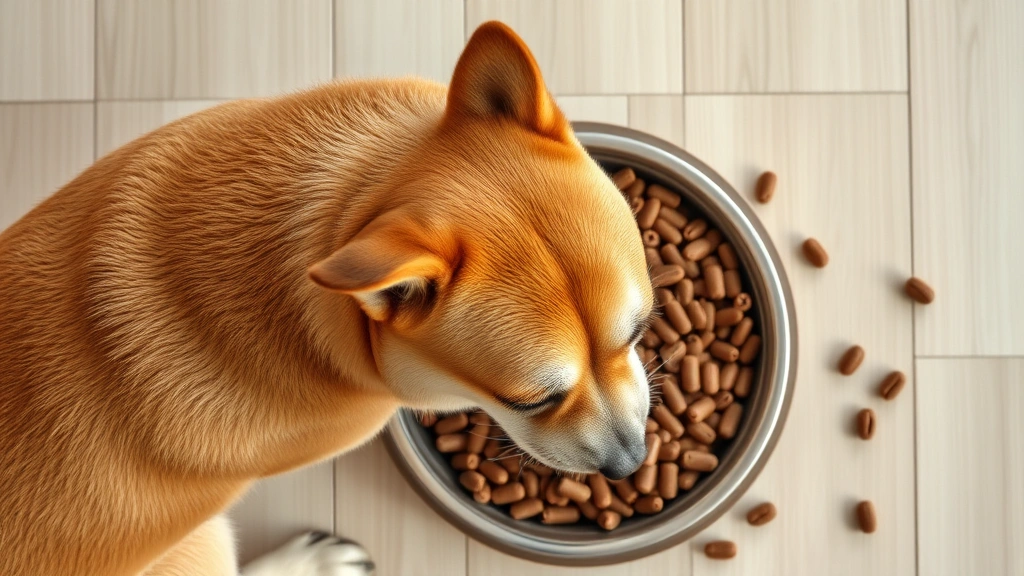
Feeding your chug dog properly is crucial because these little guys can pack on pounds faster than you’d expect. Despite their small size, they often have big appetites, especially if they inherit the Pug’s food-motivated personality.
Use timed feeding for pets rather than free-feeding. Portion control matters tremendously for small breeds. A typical adult chug needs about 150-250 calories daily, though this varies based on age, activity level, and metabolism. High-quality dog food formulated for small breeds is ideal.
Consider implementing slow feeder bowls to prevent rapid eating and potential digestive issues. You might also explore Kong feeding routine strategies to make mealtime more engaging and mentally stimulating.
Understanding your chug’s caloric needs for dogs prevents obesity, which is particularly important since these pups are prone to weight gain. Treats should comprise no more than 10% of daily calories. Fresh water should always be available.
Grooming and Coat Care for Your Chug
Grooming needs depend heavily on which parent your chug takes after. If they have a Pug’s short coat, brushing once or twice weekly is usually sufficient. If they inherited the Chihuahua’s longer coat, you might need more frequent brushing to prevent matting.
Bathe your chug every 3-4 weeks with gentle dog shampoo. Their ears need regular checking and cleaning, especially if they inherited droopy Pug ears, which can trap moisture and lead to infections. Trim nails every 2-4 weeks—small dogs’ nails grow quickly and can become uncomfortable.
Dental care cannot be overstated. Brush teeth daily if possible, or at least several times weekly. Toy breeds are notorious for dental problems, and chugs are no exception. Professional dental cleanings may be necessary throughout their lives.
Exercise Needs: Don’t Underestimate These Little Athletes
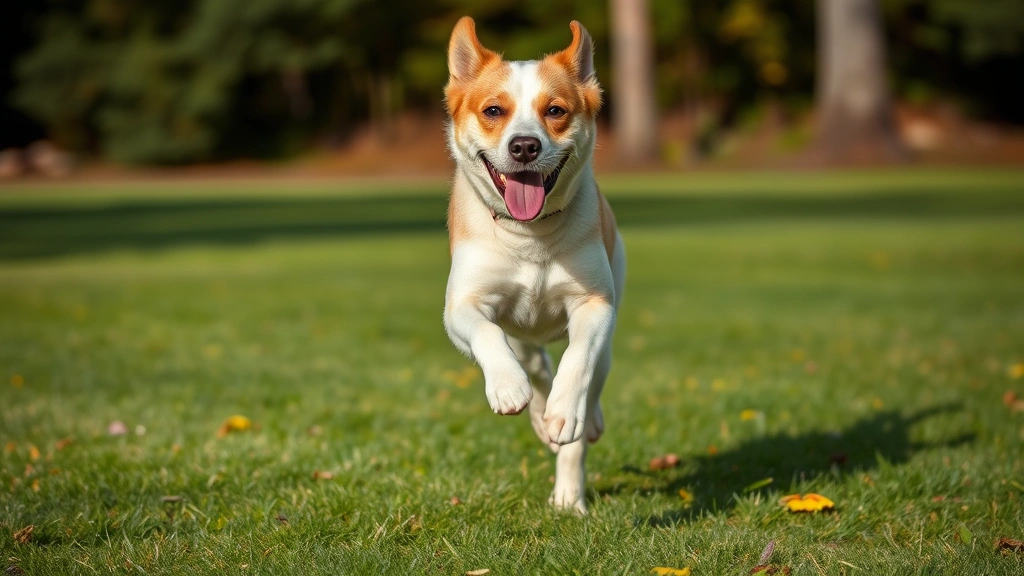
While chugs are small, they’re not couch potatoes. Most chug dogs need 30-60 minutes of exercise daily, split into multiple sessions. This might include walks, playtime in a fenced yard, or indoor games on rainy days.
Their small size makes them perfect for apartment living, but they still need mental stimulation and physical activity. Interactive toys, puzzle feeders, and games like fetch keep them engaged. Some chugs enjoy agility training or obedience competitions.
Be mindful of temperature extremes. Both parent breeds struggle in heat, so exercise your chug early morning or evening during summer. Winter walks are fine, but watch for signs of discomfort in extreme cold.

Common Behavioral Issues and Solutions
Chugs can develop some behavioral quirks if not properly trained and socialized. The most common issue is excessive barking—they inherit the Chihuahua’s tendency to alert-bark at everything. This doesn’t mean they’re bad dogs; they just need training to understand when barking is appropriate.
Some chugs display resource guarding with toys or food. Address this early through proper training and management. Separation anxiety can also occur, especially in dogs that bond intensely with their owners. Gradual desensitization and possibly crate training help manage this.
Stubbornness is real with chugs. They’ll test boundaries if given the chance. Consistent rules, positive reinforcement, and patience are your best tools. Never use harsh corrections—these sensitive little dogs respond much better to gentle guidance.
Is a Chug Dog Right for Your Family?
Chugs make excellent pets for specific situations. They’re ideal for apartment dwellers, seniors, and people with limited space. They’re great for families with older children who understand how to handle small dogs gently. Singles and couples who want a devoted companion will absolutely adore a chug.
However, they might not be perfect for families with very young children who could accidentally hurt them, or for people who work long hours without dog-sitting arrangements. These pups don’t like being alone for extended periods.
If you’re considering pet obesity prevention and water intake monitoring, you’ll do well with a chug since they need active management of their health. They’re not a “set it and forget it” pet—they require attention, training, and care.
Finding a Healthy Chug Dog
When looking for a chug dog, research breeders carefully. Reputable breeders health-test their parent dogs, provide medical records, and offer guarantees. Avoid puppy mills and irresponsible breeders who don’t care about genetic health.
Alternatively, consider adoption. Many chugs end up in rescue organizations. Adopting an adult chug means you know their personality and size already, and you’re giving a home to a dog in need.
Ask breeders or rescue organizations about the parents’ health histories. Request to see health certifications. A responsible breeder will be happy to answer questions and provide references from previous buyers.
Cost Considerations
Chug dogs typically cost $400-$1,500 from breeders, depending on location and breeder reputation. Adoption fees are usually $50-$300. Beyond the initial purchase, budget for veterinary care, quality food, toys, grooming supplies, and potential training classes.
Pet insurance is worth considering for chugs, given their potential health issues. Monthly premiums typically range from $15-$40 depending on coverage and the dog’s age.
Frequently Asked Questions
Are chug dogs hypoallergenic?
Not really. While they shed less than some breeds, chugs do shed and produce dander, making them unsuitable for people with severe dog allergies. Neither parent breed is hypoallergenic, so the hybrid isn’t either.
How long do chug dogs live?
Most chugs live 10-13 years with proper care. Some reach 14-15 years. Their lifespan depends on genetics, health management, diet, and exercise.
Can chug dogs live in apartments?
Absolutely! Chugs are perfect apartment dogs. They’re small, don’t require extensive outdoor space, and adapt well to compact living. Just ensure they get adequate exercise and mental stimulation.
Do chug dogs have breathing problems?
Some do, especially if they inherit the Pug’s flat face. However, many chugs have longer muzzles than Pugs, which reduces respiratory issues. Choose breeders who prioritize longer muzzles if this is a concern.
Are chug dogs good with children?
Yes, with older children who understand how to handle small dogs gently. Young children might accidentally injure a fragile chug, so supervision is essential. Proper socialization helps ensure they’re good with kids.
How much exercise do chugs need?
About 30-60 minutes daily, split into multiple sessions. They’re small but energetic. Indoor play counts, so apartment dwellers can meet their needs easily.





