

Your dog’s coat health feeding routine is literally what separates a dull, flaky mess from a glossy, head-turning mane that makes other pet parents jealous. And honestly? It’s not rocket science. But it does require some intentional choices about what goes into your furry friend’s bowl.
Table of Contents
- Why Your Dog’s Coat Reflects Their Diet
- Tip #1: Prioritize High-Quality Protein Sources
- Tip #2: Add Omega Fatty Acids to the Mix
- Tip #3: Don’t Forget the Micronutrients
- Tip #4: Establish Consistent Meal Timing and Portions
- Tip #5: Hydration Is Non-Negotiable
- Building Your Personalized Coat Health Feeding Routine
- What to Expect: Timeline for Coat Improvement
- Common Coat Health Feeding Mistakes to Avoid
- Frequently Asked Questions
- Final Thoughts: Your Dog Deserves a Shiny Coat
Let me be real with you: a shiny coat isn’t just about vanity (though let’s not pretend we don’t love showing off our pups). A healthy coat is actually a window into your dog’s overall health. If your dog’s fur looks like it survived a tumble dryer, that’s your body’s way of saying something needs to change in their diet.
Why Your Dog’s Coat Reflects Their Diet
Before we dive into the five tips, let’s talk about why nutrition matters so much for coat quality. Your dog’s skin and fur are living, breathing tissues that require constant nourishment. When you skimp on quality nutrition, your pup’s body prioritizes vital organs first—and the coat comes last. That’s why you’ll notice dull fur, excessive shedding, and itchy skin when the diet isn’t cutting it.
The coat health feeding routine you establish today directly impacts the fur quality you’ll see in 6-8 weeks. That’s the typical growth cycle for dog hair, which means your dietary changes aren’t instant gratification, but they’re absolutely worth the wait.
Tip #1: Prioritize High-Quality Protein Sources
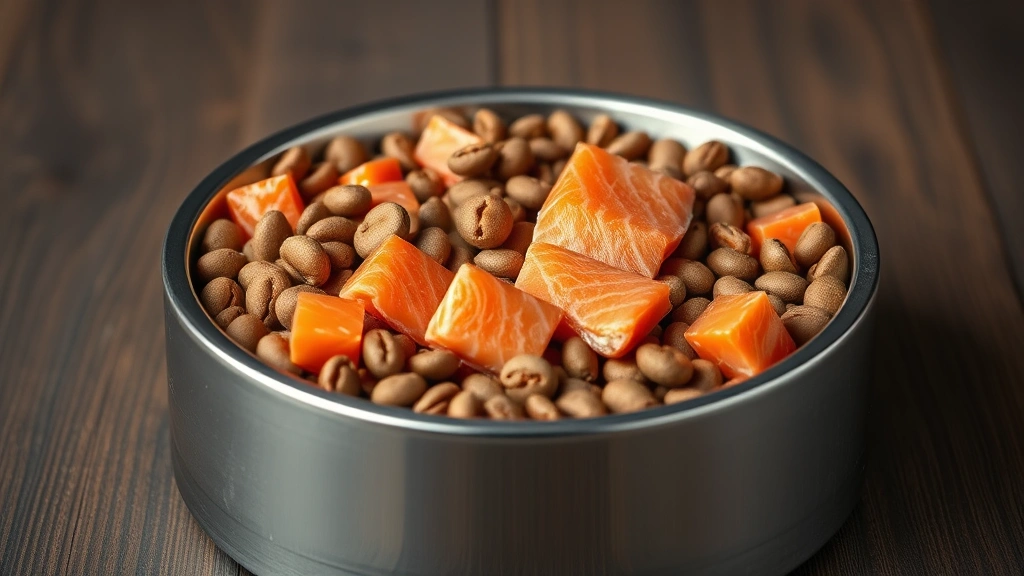
Protein is the building block of hair, and not all proteins are created equal. Your dog needs amino acids—the components of protein—to construct strong, resilient hair strands. When you’re evaluating your dog’s food, look for named meat sources like chicken, beef, fish, or lamb as the first ingredient, not vague terms like “meat meal” or “animal by-products.”
Here’s the thing about protein and coat health: your dog needs adequate amounts throughout the day. A coat health feeding routine that includes high-quality protein at every meal will show results faster than sporadic premium food. Aim for at least 18-25% protein content in adult dog food, depending on your dog’s age and activity level.
Fish-based proteins are particularly beneficial because they naturally contain omega fatty acids. Speaking of which…
Tip #2: Add Omega Fatty Acids to the Mix
Omega-3 and omega-6 fatty acids are absolute game-changers for coat quality. These essential fats reduce inflammation, support skin barrier function, and literally make fur shine. Without adequate omega fatty acids, your dog’s coat will look dry and brittle, regardless of protein intake.
The easiest way to boost omega content? Add krill oil for pets to their meals. Krill oil is superior to standard fish oil because it’s more bioavailable—meaning your dog’s body actually absorbs and uses it more efficiently. A quarter teaspoon for small dogs, half teaspoon for medium, and a full teaspoon for large breeds works wonders.

You can also explore EPA for dogs, which is the specific omega-3 compound that targets inflammation and coat health directly. Many vets recommend EPA supplementation specifically for coat quality improvements. Your coat health feeding routine should include omega sources at least 5-6 days per week for noticeable results.
Tip #3: Don’t Forget the Micronutrients
Zinc, copper, and B vitamins are the unsung heroes of coat health. These micronutrients support hair growth, pigmentation, and skin integrity. A deficiency in any of these will absolutely tank your dog’s coat quality, and you might not even realize what’s missing.
This is where pet multivitamins become invaluable to your coat health feeding routine. A quality multivitamin fills nutritional gaps that might exist in commercial dog food. Look for formulations that specifically include biotin, zinc, and B-complex vitamins.
Biotin, in particular, is phenomenal for coat health. It strengthens hair structure and reduces shedding. Some dogs show visible improvement in coat quality within 4-6 weeks of consistent biotin supplementation. It’s like giving your dog’s hair a personal trainer.
Tip #4: Establish Consistent Meal Timing and Portions
Here’s what most people miss about coat health feeding routine: consistency matters as much as content. Your dog’s body thrives on predictable nutrition. When you feed at random times with random portions, you create nutritional chaos that directly impacts coat quality.
Establish a feeding schedule—ideally the same time every day—with consistent portions. This allows your dog’s digestive system to work efficiently and absorb nutrients optimally. Inconsistent feeding leads to poor nutrient absorption, which means even the best food won’t translate into a great coat.
Pro tip: Feed high-quality food in smaller, more frequent meals if your dog is prone to digestive issues. Better digestion equals better nutrient absorption, which equals better coat health. It’s simple cause-and-effect.
Tip #5: Hydration Is Non-Negotiable
You can feed the most expensive, nutrient-dense food on the planet, but if your dog isn’t drinking enough water, coat health suffers. Proper hydration is essential for nutrient transport throughout the body and for maintaining skin moisture from the inside out.
Ensure fresh water is available 24/7. Some dogs respond better to running water (like from a dog fountain), while others prefer still water. The key is making hydration so convenient that your dog naturally drinks more.
Dehydrated dogs have dry skin and dull coats. It’s one of the easiest problems to fix, yet people overlook it constantly. Your coat health feeding routine isn’t complete without a hydration component.
Building Your Personalized Coat Health Feeding Routine
Now that you know the five tips, let’s talk about implementing them. Start by auditing your current feeding routine. What’s the protein percentage? Are you including omega sources? Are you using a multivitamin? Once you identify the gaps, fill them gradually.
Don’t overhaul everything at once—that’s a recipe for digestive upset. Instead, introduce changes over 7-10 days. Switch to higher-quality food gradually, add supplements one at a time, and monitor your dog’s response.

For supplementation guidance, check out pet supplement dosage guidance to ensure you’re not overdoing it. More isn’t always better with supplements; balance is key. Also, proper pet supplement storage ensures your investments maintain their potency.
Consider adding pet longevity supplements to support overall health alongside coat quality. A healthy dog is a dog with a healthy coat, and these supplements often work synergistically with your coat health feeding routine.
What to Expect: Timeline for Coat Improvement
Let’s set realistic expectations. You won’t wake up tomorrow with a magically transformed coat. Hair growth cycles take time. However, here’s what you can expect:
Weeks 1-2: Reduced shedding (sometimes), improved skin comfort if itching was an issue, and your dog feeling more energized.

Weeks 3-6: Visible improvements in coat shine and texture. New hair growth is stronger and shinier.
Weeks 7-12: Dramatic transformation. The entire coat has cycled through with new, healthy hair. People will comment on how good your dog looks.
The timeline varies based on your dog’s starting point, breed, age, and overall health. Older dogs might take slightly longer. Breeds with double coats might show results differently than single-coated breeds. But every dog benefits from improved nutrition.
Common Coat Health Feeding Mistakes to Avoid
Don’t fall into these traps that sabotage coat health:
Switching foods constantly: Your dog’s digestive system needs time to adjust. Constant switching prevents nutrient absorption optimization.
Assuming grain-free is better: Grain-free diets don’t automatically improve coat health. Focus on protein quality and nutrient density instead.
Overdoing treats: If treats make up more than 10% of daily calories, they’re displacing nutritious meals. That directly impacts coat quality.
Ignoring digestive health: Poor digestion means poor nutrient absorption. If your dog has GI issues, address those first for coat improvements to follow.
Relying solely on supplements: Supplements enhance a good diet; they don’t replace one. Start with quality food first, then supplement strategically.
Frequently Asked Questions
How often should I change my dog’s food as part of their coat health feeding routine?
Stick with the same high-quality food for at least 8-12 weeks before evaluating results. Constant switching prevents your dog’s system from optimizing nutrient absorption. Once you’ve found a food that works, consistency is your best friend.
Can I improve my dog’s coat with food alone, or do I need supplements?
High-quality food is the foundation, but most commercial dog foods lack optimal omega-3 levels and certain micronutrients. Strategic supplementation (omega oils, multivitamins, biotin) accelerates results. Think of food as the base and supplements as the enhancement.
My dog has itchy skin. Will a coat health feeding routine fix it?
Often, yes—but not always. Itching can stem from allergies, parasites, or other medical issues. Improve nutrition first, but if itching persists beyond 4-6 weeks, consult your vet. Sometimes medical treatment is necessary alongside dietary improvements.
Is expensive dog food necessary for coat health?
Not necessarily expensive, but quality matters. A mid-range food with high-quality protein sources, appropriate fat content, and whole-food ingredients often outperforms premium brands with filler ingredients. Read labels carefully rather than just checking price tags.
How much omega oil should I add to my dog’s food?
For krill oil: small dogs get ¼ teaspoon, medium dogs get ½ teaspoon, large dogs get 1 teaspoon daily. Always check your specific supplement’s dosage recommendations, as concentrations vary. More isn’t better—follow guidelines to avoid digestive upset.
Will my dog’s coat improve if they’re stressed or anxious?
Stress absolutely impacts coat quality. A stressed dog has elevated cortisol, which impairs nutrient absorption and promotes inflammation. Combine your coat health feeding routine with stress-reduction activities like exercise, mental enrichment, and training. Whole-dog wellness matters.
Final Thoughts: Your Dog Deserves a Shiny Coat
Your dog’s coat health feeding routine is one of the most impactful investments you can make in their wellbeing. It’s not complicated, but it does require intentionality and consistency. High-quality protein, omega fatty acids, essential micronutrients, consistent meal timing, and proper hydration—these five elements create the foundation for a coat that turns heads at the dog park.
Start today. Audit your current routine, identify one or two gaps, and begin filling them. Your dog will thank you with a glossy, healthy coat that’s as beautiful on the outside as they are on the inside. And honestly? Watching your dog’s coat transformation is one of those small joys of pet parenthood that reminds you why you do this in the first place.





