

Collagen for pets is becoming the go-to supplement for pet parents who want their furry friends bouncing around like they’re half their age. If your dog’s joints creak louder than your old hardwood floors or your cat moves like she’s made of concrete, you’re not alone—and there’s actually something you can do about it.
What Exactly Is Collagen for Pets?
Let’s start with the basics. Collagen is the most abundant protein in your pet’s body, making up everything from their skin and fur to their joints, tendons, and ligaments. Think of it as the glue holding your pet together—literally. As pets age, their bodies produce less collagen naturally, which is why older dogs and cats often develop joint issues, dull coats, and less elastic skin.
When you supplement with collagen for pets, you’re essentially giving their body the raw materials it needs to repair and maintain these structures. It’s like giving your pet’s body a construction crew to fix things that have been slowly falling apart.
The Joint Support Revolution: Why Vets Are Recommending It
One of the biggest reasons collagen for pets has exploded in popularity is joint health. Dogs, especially larger breeds prone to hip dysplasia, and senior cats dealing with arthritis, see remarkable improvements in mobility when collagen supplementation is part of their routine.
Collagen contains amino acids like glycine and proline that help rebuild cartilage. Studies show that pets on consistent collagen supplementation regimens show improved flexibility and reduced stiffness, particularly after exercise. Your senior pup might actually want to fetch again instead of just watching from the couch.
If your pet has a sensitive stomach, pairing collagen with sensitive stomach supplements can help maximize nutrient absorption while keeping their digestive system happy.
Skin and Coat Health: The Glow-Up Your Pet Deserves
Ever notice how a dog with a shiny, thick coat just looks healthier? That’s not just vanity—it’s a sign of good nutrition. Collagen is a key structural component of skin, and when your pet’s collagen levels are optimized, you’ll see a noticeable difference in coat quality.
Pets on collagen supplementation often show reduced shedding, shinier fur, and healthier skin. If your cat or dog has been dealing with dry, flaky skin or a dull coat, collagen for pets could be the missing piece. The improvement typically shows up within 4-6 weeks of consistent use.
Digestive Health and Gut Integrity
Here’s something many pet parents don’t realize: collagen plays a huge role in gut health. Collagen contains amino acids that help strengthen the intestinal lining, which is crucial for nutrient absorption and preventing leaky gut syndrome. When combined with multi-strain probiotics for pets, collagen creates a powerhouse duo for digestive wellness.
Pets with inflammatory bowel issues, food sensitivities, or general digestive upset often see improvements when collagen is added to their diet. It’s like giving their gut a protective shield while the good bacteria (from probiotics) do their job.
Ligament and Tendon Strength: Keeping Your Pet Active
Whether your dog is a weekend warrior hitting the hiking trails or your cat is still convinced she’s a kitten climbing the curtains, strong ligaments and tendons are essential. Collagen for pets strengthens these connective tissues, reducing the risk of sprains, strains, and other injuries.
Athletic dogs, in particular, benefit enormously from collagen supplementation. It’s not just about recovery from injury—it’s about prevention. A dog with strong connective tissues is less likely to blow out an ACL or suffer from soft tissue injuries.

Bone Density and Strength: Building a Solid Foundation
Collagen isn’t just about what you see on the surface; it’s also crucial for bone health. The collagen matrix in bone provides flexibility and strength, while minerals like calcium and phosphorus provide hardness. Together, they create strong, resilient bones.
Senior pets, especially small breed dogs prone to fractures, benefit significantly from collagen supplementation. It helps maintain bone density and reduces the risk of breaks and fractures as they age. Think of it as an insurance policy for your pet’s skeleton.
Choosing the Right Collagen for Pets
Not all collagen supplements are created equal. Here’s what to look for:
Type of Collagen: Type I and Type III collagen are best for pets, as these are the types found in their skin, joints, and connective tissues. Type II is more specific to cartilage.
Source: Look for grass-fed, pasture-raised bovine collagen or wild-caught fish collagen. These sources are typically cleaner and more bioavailable.
Hydrolyzed Format: Hydrolyzed collagen (also called collagen peptides) is broken down into smaller molecules, making it easier for your pet’s body to absorb and utilize.
Third-Party Testing: Always choose brands that have been third-party tested for purity and potency. This ensures you’re getting what the label says you’re getting.
For cats specifically, powder probiotics for cats mixed with collagen powder can be easily sprinkled on their food.
How to Introduce Collagen for Pets Safely
Start slow. Introduce collagen for pets gradually over 7-10 days to allow their digestive system to adjust. Begin with about half the recommended dose and work up to the full amount. Most pets tolerate collagen beautifully, but some might experience mild digestive changes initially.
Mix it with their regular food, or if you’re using liquid collagen, you can add it to their water bowl. Some pets don’t even notice it’s there, while others seem to know they’re getting something special.
Combining Collagen with Other Supplements
Collagen works synergistically with other supplements. When paired with liquid probiotics for pets, you create an environment where your pet’s body can absorb and utilize nutrients more effectively. Adding omega-3 fatty acids, glucosamine, and chondroitin creates a comprehensive joint and skin health protocol.
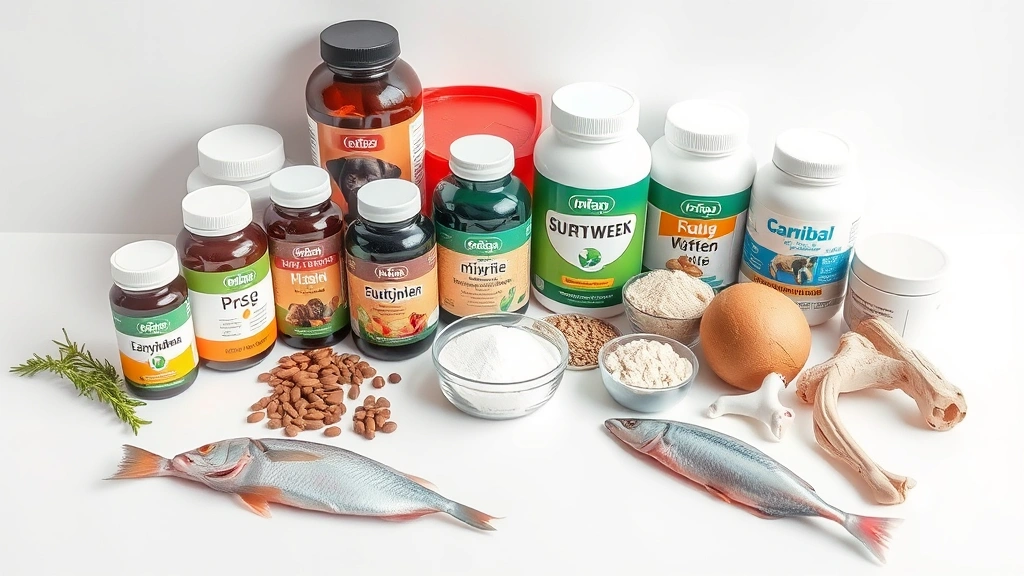
The key is consistency. These supplements work best when given daily over extended periods. You’re not looking for overnight miracles—you’re investing in long-term vitality.
Real Results: What Pet Parents Are Seeing
The anecdotal evidence is overwhelming. Pet parents report their senior dogs climbing stairs again, cats playing with renewed energy, and noticeable improvements in coat quality within weeks. While individual results vary, the pattern is consistent: collagen for pets delivers measurable improvements in mobility, coat health, and overall vitality.
One thing to note: results aren’t instant. Most pet parents see noticeable changes within 4-8 weeks of consistent supplementation. Patience pays off with collagen.
Frequently Asked Questions
Is collagen for pets safe for all ages?
Yes, collagen is safe for pets of all ages. However, puppies and kittens naturally produce plenty of collagen, so supplementation is most beneficial for adult and senior pets. Always consult your vet before starting any new supplement, especially if your pet has existing health conditions.
How long does it take to see results from collagen for pets?
Most pet parents notice improvements within 4-6 weeks of consistent daily use. Joint mobility improvements might take 8-12 weeks, while coat improvements often show up faster. Consistency is key—skipping doses delays results.
Can I give collagen for pets with other medications?
Collagen is generally safe to use alongside most medications, but you should always check with your veterinarian first. Some medications might interact with supplements, and your vet needs to know everything your pet is taking.
What’s the difference between collagen and glucosamine?
Glucosamine helps maintain cartilage structure, while collagen provides the structural foundation for joints, skin, and connective tissues. They work differently but complement each other beautifully. Many pet parents use both for maximum joint support.
Does collagen for pets have any side effects?
Collagen is well-tolerated by most pets. Some might experience mild digestive changes initially (like slightly loose stools), which typically resolve within a few days. If your pet has a sensitive stomach, introducing it gradually helps minimize any adjustment period.
The Bottom Line: Invest in Your Pet’s Vitality
Collagen for pets isn’t just a trendy supplement—it’s a scientifically-backed way to support your furry friend’s health from the inside out. Whether you’re dealing with joint issues, dull coat, digestive concerns, or just want to give your pet the best chance at a long, active life, collagen deserves a spot in your supplement cabinet.
The combination of joint support, skin and coat health, digestive benefits, and overall vitality makes collagen for pets one of the most versatile supplements available. Start with a quality product, introduce it gradually, and give it time to work. Your senior dog bouncing up the stairs or your cat playing with kitten-like energy will thank you.
For more information on supporting your pet’s health, check out our blog for additional resources on pet wellness and nutrition.





