
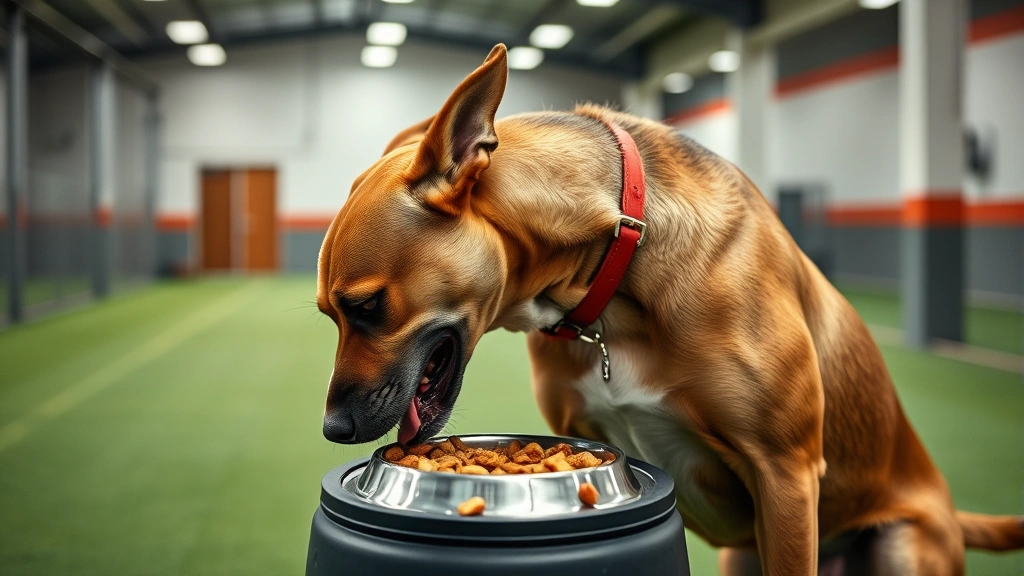
A competitive dog feeding schedule isn’t just about tossing kibble in a bowl and hoping for the best—it’s a strategic game that separates champion-level pet parents from the rest of the pack. Whether you’re preparing your pup for agility competitions, dock diving, or just want to optimize their nutrition for peak performance, timing and consistency are everything.
Table of Contents
- Why a Competitive Dog Feeding Schedule Matters More Than You Think
- Tip #1: Time Your Meals Around Training Sessions
- Tip #2: Calculate Precise Caloric Intake for Performance
- Tip #3: Choose Performance-Optimized Nutrition
- Tip #4: Implement Strategic Meal Frequency and Timing
- Tip #5: Monitor Hydration as Part of Your Feeding Protocol
- Understanding Your Dog’s Individual Metabolism
- Common Mistakes in Competitive Dog Feeding
- Supplements and Performance Enhancement
- Adjusting Your Schedule for Competition Days
- Frequently Asked Questions
- Summary: Winning Through Nutrition
Why a Competitive Dog Feeding Schedule Matters More Than You Think
Let’s be real: feeding your competitive dog isn’t like feeding a couch potato. Performance dogs have different metabolic demands. They burn through calories like a Tesla on a road trip, and their bodies need fuel at precisely the right moments to maximize energy, recovery, and muscle development. A poorly timed competitive dog feeding schedule can literally be the difference between a podium finish and a disappointing performance.
Elite athletes—whether human or canine—thrive on structure. Your dog’s digestive system is basically a finely-tuned engine that performs best when it knows exactly when fuel is arriving. Consistency builds predictability, which reduces stress and improves nutrient absorption. Plus, a proper feeding schedule helps prevent bloat, a potentially life-threatening condition in deep-chested breeds.
Tip #1: Time Your Meals Around Training Sessions
Here’s the golden rule: never feed your competitive dog immediately before or after intense exercise. Wait—hear me out. Feeding right before activity can cause gastric dilatation-volvulus (GDV), commonly called bloat. It’s serious stuff.

Instead, establish this rhythm: feed your dog 2-3 hours before training sessions. This allows adequate digestion time while maintaining energy reserves. After training, wait 30-45 minutes before offering a light snack or meal. This post-workout window is when your dog’s muscles are primed to absorb nutrients for recovery.
For high energy dog food needs, consider splitting daily calories into smaller, more frequent meals. A dog competing in agility might benefit from three meals instead of two, preventing energy crashes during training sessions.
Tip #2: Calculate Precise Caloric Intake for Performance
Your dog isn’t eating the same amount as a pet who spends 18 hours napping. Competitive dogs need 25-50% more calories than their sedentary counterparts, depending on activity level. Here’s how to calculate:

Start with your dog’s resting metabolic rate (roughly 70 × body weight in kg^0.75). Then multiply by an activity factor: sedentary dogs get 1.2-1.4x, moderately active get 1.5-1.8x, and highly competitive athletes get 2.0-2.5x. Yes, that math is annoying, but it’s worth it.
Track your dog’s weight weekly. Their ribs should be easily felt but not visibly protruding. A competitive dog’s body condition should be lean but muscular—think athlete, not supermodel. Adjust portions based on performance and appearance, not just the bag’s recommended serving size.
Tip #3: Choose Performance-Optimized Nutrition
Not all dog foods are created equal, especially for competitive athletes. Look for foods with:
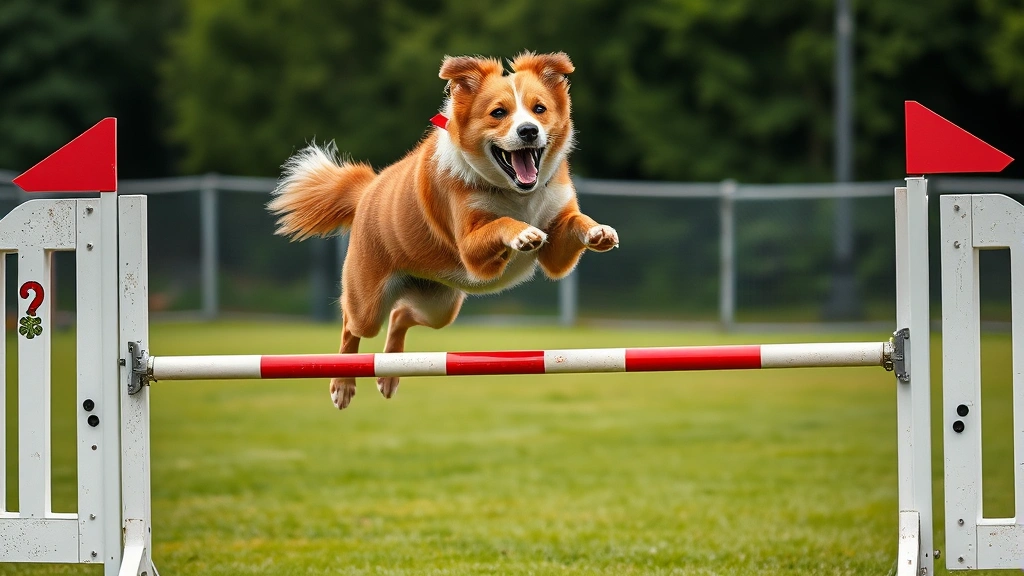
- High-quality protein sources (25-30% crude protein minimum) for muscle maintenance and recovery
- Balanced omega fatty acids for joint health and coat quality
- Appropriate fat content (15-20%) for sustained energy without excess weight
- Digestible carbohydrates for quick energy during events
Many competitive dog owners explore raw feeding schedules for enhanced bioavailability and nutrient density. If you go this route, ensure nutritional balance and consult your vet. According to the AAFCO (Association of American Feed Control Officials), complete and balanced nutrition is non-negotiable for performance dogs.
Tip #4: Implement Strategic Meal Frequency and Timing
The classic twice-daily feeding schedule works for many dogs, but competitive athletes often thrive on three meals. Here’s a sample schedule for a dog training 5 days weekly:
Monday-Friday (Training Days): 7 AM breakfast, 12 PM light lunch, 6 PM dinner. Saturday-Sunday (Rest/Light Activity): 8 AM breakfast, 6 PM dinner.

This approach maintains consistent energy levels during training weeks while allowing digestive rest on lighter days. Your dog’s body becomes attuned to this rhythm, improving digestion efficiency and nutrient absorption. Consider interactive feeding games to slow consumption and improve digestion.
Tip #5: Monitor Hydration as Part of Your Feeding Protocol
Feeding and hydration are inseparable twins. Competitive dogs lose significant fluids through panting and sweat during performance. Fresh water should be available 24/7, but timing matters too.
Offer small amounts of water during training breaks rather than allowing unlimited drinking post-exercise (which can trigger bloat). Some competitive dog owners use electrolyte supplements during intense training sessions. According to PetMD, proper hydration directly impacts muscle function and thermoregulation in athletic dogs.
Understanding Your Dog’s Individual Metabolism
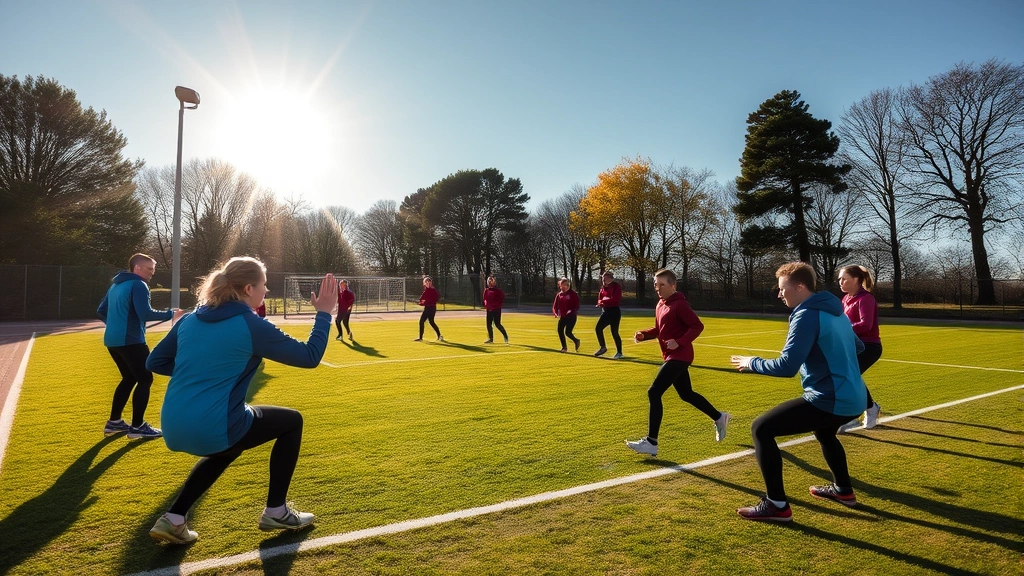
Here’s where things get spicy: every dog is unique. A Border Collie and a Golden Retriever competing at the same level might need completely different caloric intakes due to metabolism differences. Breed specific feeding needs vary significantly, so don’t blindly follow generic recommendations.
Work with your veterinarian or a veterinary nutritionist to develop a personalized plan. They can assess your dog’s body condition score, activity level, and health status to create an optimal competitive dog feeding schedule. Some dogs are metabolic ninjas who thrive on less food; others are caloric furnaces.
Common Mistakes in Competitive Dog Feeding
Let’s talk about what NOT to do. Many well-intentioned owners overfeed their competitive dogs, thinking more calories equal more performance. Wrong. Excess weight impairs agility and increases joint stress. Others feed inconsistently, expecting their dogs’ bodies to adapt to chaos—spoiler alert, they don’t.

Another classic mistake: ignoring food aggressive dog feeding issues. If your competitive dog shows aggression around food, address it immediately. Stress hormones suppress nutrient absorption and impair performance. Finally, switching foods constantly disrupts digestion. Stick with one quality food for at least 4-6 weeks before evaluating results.
Supplements and Performance Enhancement
Some competitive dog owners add supplements to boost performance. Joint support (glucosamine, chondroitin), omega-3 fish oils, and probiotics have legitimate research backing. However, avoid unproven “performance enhancers”—they’re usually expensive placebos.
Before adding anything beyond a balanced diet, consult your vet. The American Kennel Club (AKC) emphasizes that proper nutrition should be your foundation, with supplements filling specific gaps, not replacing quality food.
Adjusting Your Schedule for Competition Days
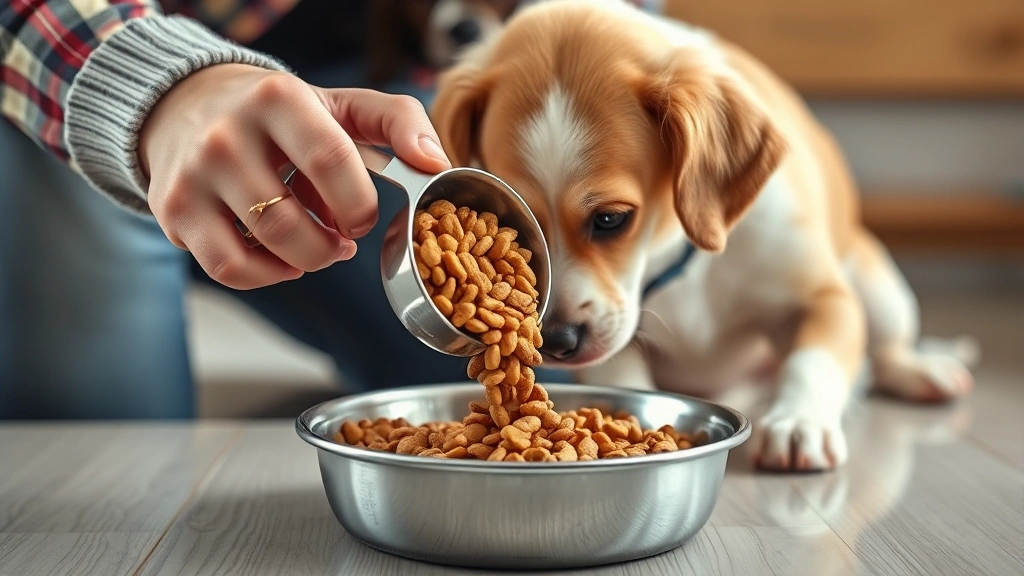
Race day requires tactical adjustments. Feed your dog their normal breakfast 4-5 hours before competition, not 2-3 hours. This allows complete digestion while maintaining energy. Offer only water 1-2 hours before the event. After competition, wait 30 minutes before offering water and 1-2 hours before a full meal.
Some competitive dog owners feed a small, easily digestible snack (like plain chicken or a performance-specific treat) 30 minutes post-competition for quick recovery fuel. This is especially valuable for multi-round events.
Frequently Asked Questions
How often should I feed a competitive dog?
Most competitive dogs thrive on 2-3 meals daily. Three meals are often superior for high-performance athletes, providing consistent energy without digestive stress. Adjust frequency based on your dog’s individual metabolism and training schedule.
Can I feed my competitive dog right before exercise?
Absolutely not. Wait 2-3 hours after feeding before intense exercise to prevent bloat. This is non-negotiable for safety. Feed after training, not before.
What’s the best food for competitive dogs?
High-quality, performance-specific formulas with 25-30% protein, balanced fats, and digestible carbs work best. Consult your vet about options; individual dogs have different needs.
How do I know if my competitive dog is getting enough calories?
Monitor body condition score weekly. Your dog should have visible ribs (easily felt), a defined waist, and lean muscle. Adjust portions if your dog loses performance capacity or gains excess weight.
Should competitive dogs take supplements?
Joint support and omega-3 supplements have merit for athletic dogs. However, a balanced diet is your foundation. Only add supplements after consulting your veterinarian about your dog’s specific needs.
What should I feed my dog on rest days?
Reduce portions slightly on rest days since caloric needs decrease. Maintain the same meal frequency and quality to preserve digestive consistency and routine.
Summary: Winning Through Nutrition
A competitive dog feeding schedule isn’t complicated—it’s just intentional. Time meals strategically around training, calculate precise caloric intake, choose performance-optimized nutrition, implement consistent meal frequency, and prioritize hydration. Monitor your individual dog’s response and adjust accordingly.

Remember, nutrition is one pillar of competitive success. Combine your optimized competitive dog feeding schedule with proper training, recovery, and veterinary care, and you’ve got the recipe for peak performance. Your dog will thank you with podium finishes and that unmistakable athletic gleam.





