
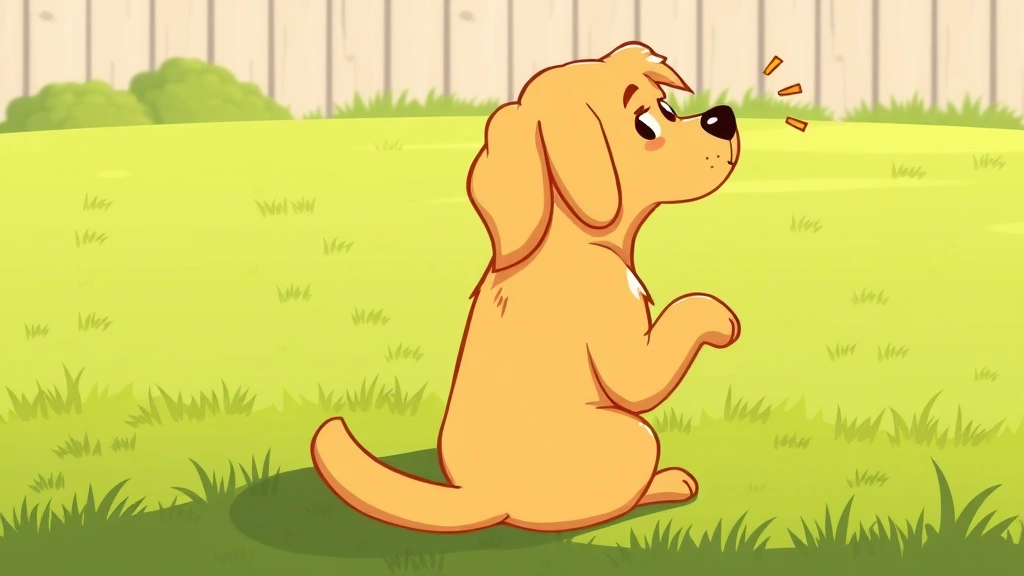
Your dog hasn’t pooped in three days. You’re watching them strain in the yard, looking uncomfortable. You’re wondering if it’s serious or just a bad week. Here’s the real talk: a constipated dog is uncomfortable, but most cases are fixable at home with the right approach. I’ve seen hundreds of dogs deal with this in the clinic, and the good news is that simple changes—more water, better fiber, a little movement—solve it for the vast majority of them.
Constipation in dogs is when stool moves too slowly through the colon, making it harder and drier than normal. It happens more often than you’d think, especially in older dogs, less active breeds, or dogs eating low-quality food. The key is catching it early and knowing when to call your vet versus when you can handle it yourself.
Signs Your Dog is Constipated
Not every dog owner knows what constipation looks like. Some think their dog is fine because they’re eating normally. But a constipated dog shows clear signs if you know what to watch for.
- Straining or struggling in the yard with little or no stool coming out
- Hard, dry stools that look like pebbles or marbles
- Less frequent bathroom breaks (normally 1-2 times daily; now it’s every other day or less)
- Abdominal discomfort—your dog may whine, pace, or have a hunched posture
- Loss of appetite or seeming lethargic
- Scooting their rear on the ground (sometimes confused with anal gland issues)
- Small amounts of liquid stool leaking around impacted feces (this is a red flag)
The most obvious sign is your dog spending 5-10 minutes trying to go and producing nothing, or only tiny, hard pieces. If this happens once, it’s not an emergency. If it happens for 2-3 days straight, that’s when you need to act.
Why Your Dog is Constipated
Understanding the constipated dog problem means knowing what caused it. Most of the time, it’s one of a few things:
Low Fiber Diet
This is the #1 culprit. Dogs need fiber to keep stool moving. If your dog eats low-quality kibble with minimal fiber, or if they’re eating mostly meat with no vegetables, constipation will follow. Fiber acts like a broom—it pushes everything through. Without it, stool sits in the colon and dries out.
Dehydration
A dehydrated dog has dry stool. Period. If your dog doesn’t drink enough water, their body reabsorbs moisture from stool, making it hard and difficult to pass. This is especially common in dogs that don’t have constant access to fresh water or who just aren’t thirsty drinkers. Check out our guide on how to get a dog to drink water if your pup is stubborn about hydration.
Lack of Exercise
Movement stimulates the colon. A sedentary dog—especially older dogs or breeds like Bulldogs that aren’t naturally active—can develop constipation. Think of it like this: if you sit all day, your digestion slows down. Same with dogs.
Medications
Certain drugs, especially opioids (painkillers) and some antihistamines, slow intestinal movement. If your dog started a new medication and then became constipated, that’s likely the connection.
Obstruction or Foreign Objects
Dogs eat weird things. Hair, toys, bones, grass—sometimes these things get stuck and cause a blockage. This is more serious and requires vet attention.
Age and Underlying Health Issues
Older dogs are more prone to constipation because their intestinal muscles weaken. Conditions like hypothyroidism, megacolon, or neurological issues can also cause it. This is why a vet check is important if it keeps happening.
Anal Gland Problems
Impacted anal glands can make a dog uncomfortable and reluctant to defecate, mimicking constipation. Your vet can check this quickly.
Home Remedies That Actually Work for a Constipated Dog
Before you panic and book an emergency vet visit, try these proven remedies. Most constipated dog cases resolve in 24-48 hours with these interventions.
Increase Water Intake
This is step one. A hydrated dog has softer stool that moves easier. Add water to their kibble (make a gravy), offer wet food instead of dry, or try bone broth (unsalted, no onions or garlic). Some dogs respond to a dog water fountain because the moving water is more enticing. Aim for your dog to drink at least 1 ounce per pound of body weight daily—so a 50-pound dog needs 50 ounces minimum.
Pro Tip: If your dog refuses plain water, try adding a tiny bit of low-sodium chicken broth. The flavor boost often works wonders.
Add Pumpkin Puree
Plain canned pumpkin (not pie filling) is a game-changer. It’s high in fiber and moisture. Give 1-4 tablespoons depending on your dog’s size (small dogs: 1 tbsp, large dogs: 4 tbsp) once or twice daily. Most dogs see improvement within 24 hours. You can mix it into their regular food or give it straight.
Psyllium Husk Powder
This is a soluble fiber supplement that absorbs water and bulks up stool, encouraging movement. Start with 1 teaspoon mixed into wet food for small dogs, up to 1 tablespoon for large dogs. Do this once daily. It’s gentler than some over-the-counter laxatives and works naturally.
Wet Food or Broth
Switch temporarily from dry kibble to wet food or add warm low-sodium broth to their meals. The extra moisture helps soften stool. This is especially helpful if dehydration is the culprit.
Olive Oil or Coconut Oil
A small amount of olive oil acts as a natural lubricant. Give 1 teaspoon for small dogs, up to 1 tablespoon for large dogs, mixed into food once daily. Coconut oil works similarly. Don’t overdo it—too much causes diarrhea, which is the opposite problem.
Exercise and Movement
Take your dog for longer, more frequent walks. Even a 20-minute walk can stimulate bowel movement. If your dog is senior or has mobility issues, shorter, gentler walks still help. Movement literally massages the intestines and gets things moving.
Abdominal Massage
Gently massage your dog’s belly in a clockwise direction (following the path of the colon). Do this for 5-10 minutes, a few times daily. It’s soothing and can help move stool along. Most dogs find it relaxing.
Stool Softeners (Over-the-Counter)
Products like Colace (docusate) are safe and available without a prescription. Follow the dosing on the label for your dog’s weight. These soften stool without forcing movement, so they’re gentler than laxatives. Ask your vet for the right dose for your dog.
Safety Warning: Never give your dog milk of magnesia, Ex-Lax, or human laxatives without vet approval. Some can be too harsh or even toxic for dogs. When in doubt, call your vet.
Diet Changes to Prevent a Constipated Dog
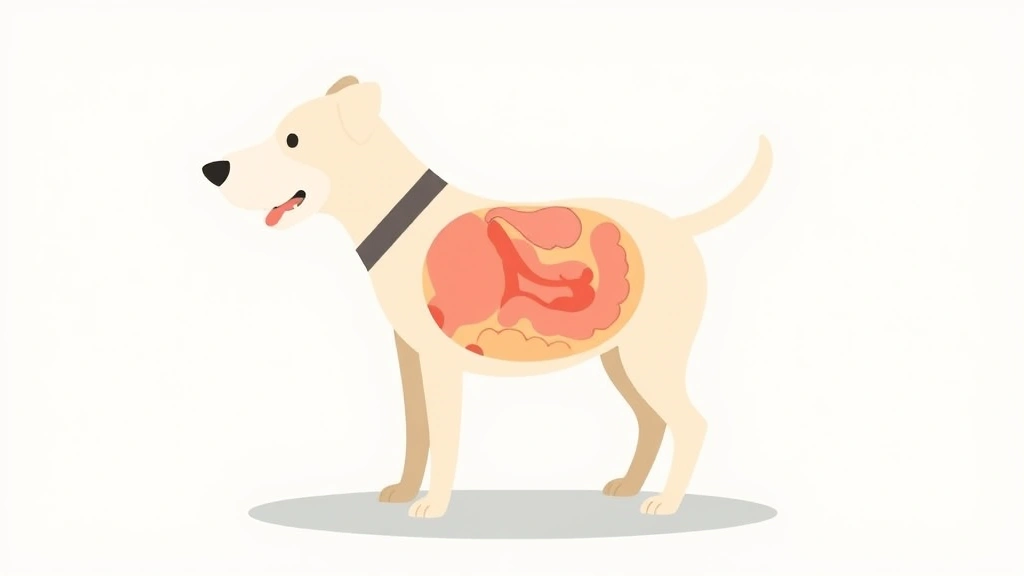
Once you’ve relieved the immediate constipation, the goal is preventing it from happening again. Diet is huge here.
Choose High-Fiber Dog Food
Look for dog foods with fiber content of at least 3-5%. Check the ingredient list—whole grains, vegetables, and legumes are good fiber sources. If your dog is on a grain-free diet and constipated, that might be the issue; grain-free foods are often lower in fiber. According to the Association of American Feed Control Officials (AAFCO), quality dog foods should meet specific nutritional standards including adequate fiber.
Add Vegetables
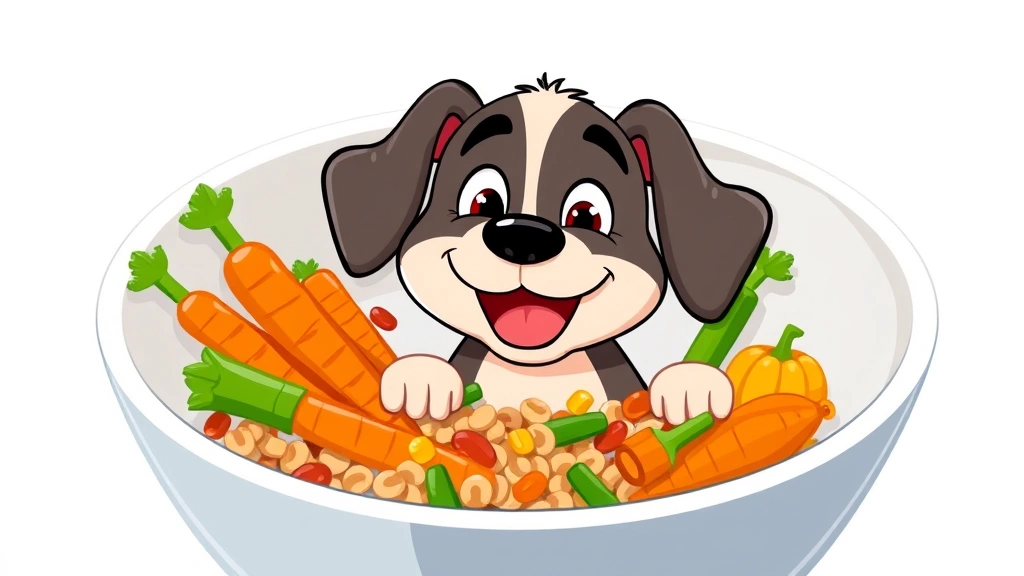
Cooked carrots, green beans, sweet potato, and peas are all safe and fiber-rich. Add a small handful to their regular food a few times weekly. Dogs don’t need vegetables to survive, but they’re excellent for digestion. Just avoid onions, garlic, grapes, and avocado—those are toxic.
Consider Wet Food
Canned or fresh dog food has higher moisture content than kibble. If your dog does better on wet food, there’s no rule saying they can’t eat it regularly. It’s often more digestible too.
Avoid Problematic Ingredients
Some dogs get constipated from certain ingredients. Low-quality fillers, excessive fat, or foods with minimal fiber are common culprits. Our guide on what is chicken meal in dog food breaks down ingredient quality so you can make informed choices.
Transition Slowly
When changing foods, do it over 7-10 days, gradually mixing more new food with the old. Sudden diet changes can cause both constipation and diarrhea. Take your time.
When to Call Your Vet About a Constipated Dog
Home remedies work for most cases, but sometimes a constipated dog needs professional help. Call your vet if:
- Constipation lasts more than 3 days despite home treatment
- Your dog is in obvious pain or very distressed
- There’s blood in the stool or straining produces only liquid
- Your dog vomits or stops eating
- You suspect your dog ate something they shouldn’t (toy, bone, foreign object)
- Your dog is very old, very young, or has existing health conditions
- This is a recurring problem happening multiple times per month
Your vet might do an abdominal exam, X-rays, or bloodwork to rule out blockages, tumors, or underlying disease. They might also express anal glands if that’s the issue, or prescribe stronger medications if needed. In rare cases, severe impaction requires hospitalization and manual extraction.
According to the American Kennel Club, persistent constipation can indicate serious underlying conditions, so professional evaluation is important for chronic cases.
Prevention Tips: Long-Term Solutions for a Constipated Dog
The best medicine is prevention. Once your dog is back to normal, keep them there with these habits:
Maintain Consistent Hydration
Fresh water available 24/7. Monitor intake. If your dog isn’t drinking enough, use the strategies in our article on how to get a dog to drink water.
Daily Exercise
At least one good walk daily, more for high-energy breeds. Exercise keeps the digestive system active and healthy.
Consistent Feeding Schedule
Feed at the same times each day. This regulates bowel movements and makes it easier to spot problems.
Regular Vet Checkups
Annual exams (or twice yearly for seniors) catch issues early. Your vet can also check anal glands and assess diet quality.
Monitor Treat Intake
Too many treats, especially low-quality ones, can throw off digestion. Treats should be no more than 10% of daily calories.
Avoid Bones and Hard Objects
Cooked bones especially can cause constipation or blockage. Stick to appropriate chew toys.
Know Your Dog’s Normal
How often does your dog usually poop? What does normal stool look like? When you know the baseline, you’ll spot changes immediately. That’s the difference between catching constipation on day one versus day three.
Pro Tip: Keep a simple log of your dog’s bathroom habits, especially if they’re prone to digestive issues. It helps your vet tremendously and helps you spot patterns.
Frequently Asked Questions
How long can a dog go without pooping before it’s an emergency?
– Most dogs poop once or twice daily. If your dog hasn’t gone in 48 hours and shows no other symptoms, monitor closely but don’t panic yet. If it’s been 3+ days with straining or pain, or if there are other symptoms like vomiting or loss of appetite, call your vet. Every dog is different—some naturally go less frequently—so know your dog’s normal.
Can I give my constipated dog a laxative?
– Over-the-counter stool softeners like Colace are safe with vet approval. Mineral oil is sometimes recommended. But harsh laxatives meant for humans can be dangerous. Always check with your vet before giving anything. What works for you won’t work the same way for your dog.
Is pumpkin really effective for constipated dogs?
– Yes. Plain canned pumpkin (not pie filling) is high in fiber and moisture. Most vets recommend it, and I’ve seen it work in the majority of cases. It’s safe, natural, and most dogs actually like the taste. Start with 1-2 tablespoons and adjust based on results.
What’s the difference between constipation and blockage?
– Constipation is slow-moving stool that’s hard and dry. A blockage is when something physically obstructs the intestines—a toy, bone, or mass. Blockage is an emergency requiring surgery sometimes. Constipation is uncomfortable but usually manageable. If you suspect a blockage (sudden inability to poop, severe pain, vomiting), go to the vet immediately.
Can diet alone cause constipation?
– Absolutely. Low-fiber, low-moisture foods are a major cause. If your dog switched to a new food and then got constipated, that’s likely the connection. Our article on is rice bad for dogs covers how certain foods affect digestion.
Why is my senior dog suddenly constipated?
– Older dogs have slower metabolism and weaker intestinal muscles. They also drink less water and move less. If your senior dog suddenly gets constipated, it could be diet, dehydration, medication, or an underlying health issue like thyroid problems. Get a vet check to rule out disease, then adjust diet and hydration.
Is it normal for a constipated dog to lose appetite?
– Mild constipation might not affect appetite, but significant discomfort or impaction can. If your dog is constipated and not eating, that’s worth a vet call. It could mean pain or a more serious issue.
Can stress cause constipation in dogs?
– Yes. Changes in routine, travel, new pets, or household stress can upset digestion. If your dog got constipated after a stressful event, address the stress and maintain normal feeding/exercise routines. Most dogs bounce back once things settle.





