
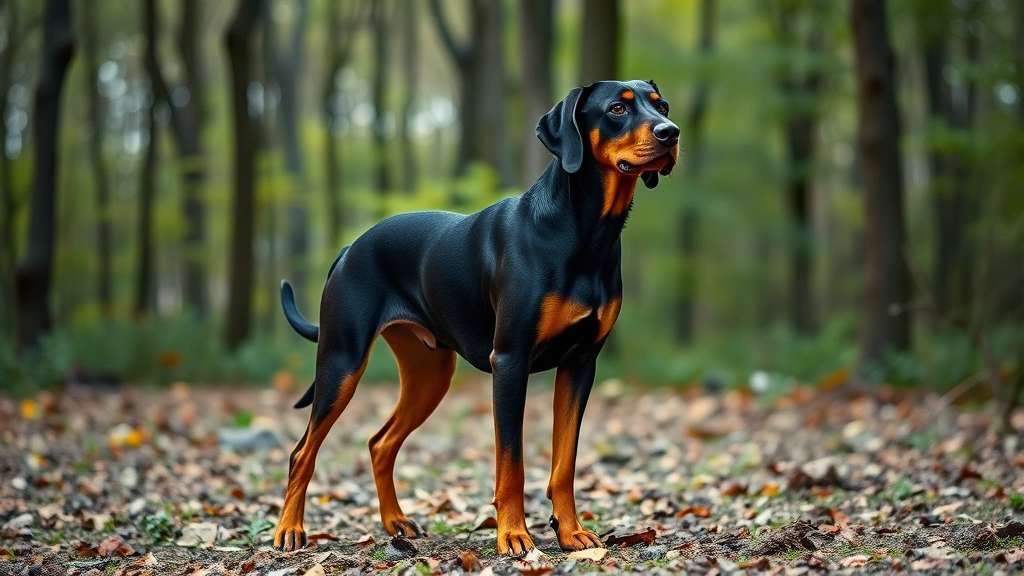
If you’re thinking about bringing a coon dog into your home, you’re probably wondering what you’re actually getting into. These aren’t lap dogs. They’re not couch potatoes. A coon dog is a working breed with serious drive, intelligence, and energy that demands respect and understanding. But here’s the real talk: if you match their intensity with proper training, exercise, and care, a coon dog becomes one of the most loyal, capable companions you’ll ever own.
This guide covers everything you need to know about coon dogs—from their hunting heritage to daily care, temperament, health concerns, and whether one actually fits your lifestyle. Because adopting a coon dog isn’t a casual decision; it’s a commitment to a dog that was bred to work hard and think independently.
What Exactly Is a Coon Dog?
A coon dog isn’t a single breed—it’s a category of hunting dogs specifically bred and trained to hunt raccoons, and sometimes other game like opossum or fox. The term “coon dog” is deeply rooted in American hunting culture, particularly in the South and Midwest. These dogs were developed over generations to have the right combination of nose, speed, endurance, and treeing ability (the instinct to chase prey up a tree and alert the hunter).
The coon dog tradition runs deep. Hunters would breed dogs selectively for specific traits: a keen sense of smell to follow a scent trail, the speed to keep up with a running raccoon, and the determination to pursue prey for hours if necessary. Some coon dogs are registered with the United Kennel Club (UKC), which maintains detailed records and holds competitive hunts and field trials.
What makes a coon dog different from, say, a Beagle or Pointer? It’s the specific blend of traits. A coon dog combines the scenting ability of hounds with the athleticism and independence of a working dog. They’re not bred primarily for show or companionship—they’re bred to do a job, and that job shapes everything about their behavior and needs.
Common Coon Dog Breeds
Several breeds fall under the coon dog umbrella. Understanding the differences matters because each brings its own personality quirks and challenges.
- Black and Tan Coonhound: Probably the most iconic coon dog, these are large (80-100 lbs), muscular dogs with distinctive black coats and tan markings. They’re scent-driven, vocal (they bay when they’ve treed), and incredibly determined. Black and Tans are recognized by the American Kennel Club (AKC) as an official breed.
- Redbone Coonhound: Smaller than Black and Tans (45-70 lbs), Redbones are all-red and known for being slightly more adaptable to family life while still maintaining that hunting drive. They’re fast, tireless, and have incredible endurance.
- Treeing Walker Coonhound: These lean, athletic dogs (50-70 lbs) are tricolor (black, white, and tan). They’re the sprinters of the coon dog world—incredibly fast and often used for competitive hunting.
- Bluetick Coonhound: Mottled gray-blue coats with tick markings, these medium-to-large dogs (55-80 lbs) are known for being slightly less intense than Black and Tans but still serious hunters.
- Plott Hound: Originally bred to hunt wild boar, Plotts (40-60 lbs) are tough, confident, and sometimes considered the most independent of the coon dog breeds.
Each breed has nuances, but they all share core coon dog traits: strong prey drive, independence, athleticism, and a need for a job to do.
Temperament and Personality
Here’s where coon dog ownership gets real: these dogs are not “easy.” They’re intelligent, stubborn, and bred to make independent decisions in the field. That means they don’t automatically obey commands the way a Golden Retriever might. They were selected for the ability to think for themselves—to follow a scent trail for hours without constant direction from a handler.
In a home setting, this independence can feel like defiance. A coon dog might ignore your recall command if they’ve caught an interesting scent. They might chase a rabbit across your yard because their instincts are screaming at them to do it. This isn’t disobedience in the traditional sense; it’s their nature.
That said, coon dogs are deeply loyal to their people. They form strong bonds and genuinely want to please—they just need to understand why your request makes sense to them. A coon dog that respects you (through consistent, fair training) is a devoted companion.
Pro Tip: Coon dogs are pack animals at heart. They often do better with other dogs than as solo pets. If you have the space, consider adopting or having two coon dogs. They’ll keep each other occupied and mentally stimulated.
Vocalization is another big thing. Most coon dogs bay—a distinctive, loud howl-bark sound. When they’re excited, hunting, or just feeling communicative, they bay. If you live in an apartment or have noise-sensitive neighbors, a coon dog is probably not your dog. This isn’t a behavior you can train away; it’s hardwired.
With proper socialization from puppyhood, coon dogs can be friendly with strangers and other dogs. But early, consistent exposure is critical. A coon dog raised in isolation will be wary and potentially aggressive.
Training and Socialization
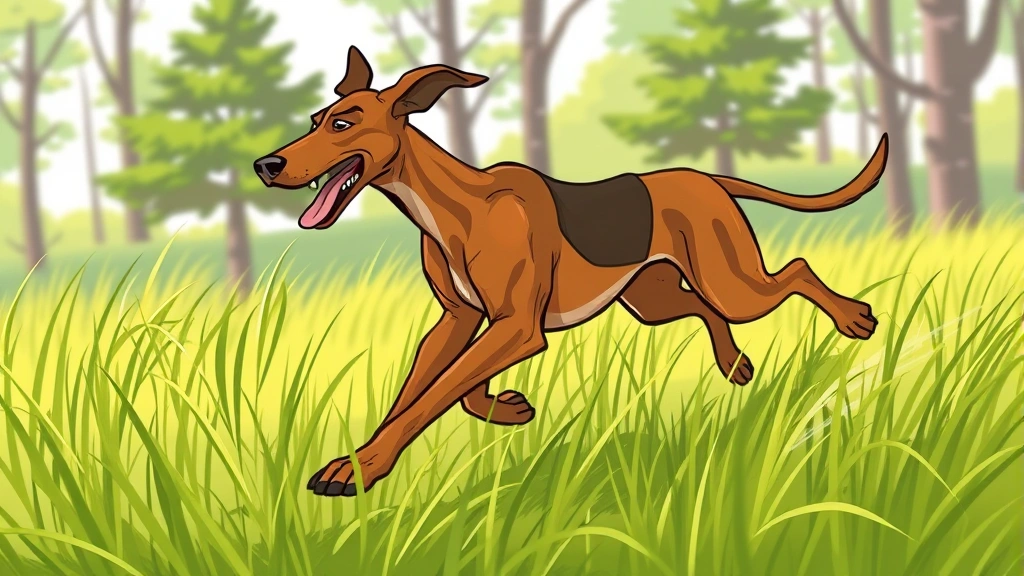
Training a coon dog is different from training most companion breeds. You can’t rely on food motivation alone or gentle positive reinforcement in a vacuum. Coon dogs need to understand that you’re the pack leader and that following your direction benefits them in a tangible way.
Start socialization early. Expose your coon dog puppy to different people, environments, sounds, and experiences before they’re 16 weeks old. This window is critical. A coon dog that’s well-socialized as a pup is far more adaptable and less likely to develop fear-based aggression later.
For obedience training, consistency is non-negotiable. Coon dogs respect clear rules and firm boundaries. If you let them get away with something once, they’ll test it again. Use a combination of positive reinforcement (treats, praise, play) and mild corrections (a firm “no,” withholding privileges). Many successful coon dog owners use a check collar or e-collar during training—not to hurt, but to get the dog’s attention and communicate clearly.
Professional training can be invaluable, especially if you’re new to hunting dogs. A trainer experienced with hounds understands the coon dog mindset and can help you establish authority without crushing the dog’s spirit or independence.
Safety Warning: Never use punishment-based training exclusively with a coon dog. These dogs are sensitive despite their toughness. Excessive corrections can lead to fear-based aggression or a shut-down dog that won’t engage with you at all.
Recall training is especially important. A coon dog off-leash in an unsecured area is a dog that might not come back. Invest time in a solid “come” command. Many owners use a long training lead in open spaces to enforce recalls while building the behavior.
Exercise Needs and Activity Level
A coon dog needs serious exercise—not just a 20-minute walk around the block. These dogs were bred to run for hours, following scent trails through brush and woods. A bored coon dog is a destructive coon dog. They’ll dig, chew through furniture, and find ways to entertain themselves that you won’t enjoy.
Ideally, a coon dog gets 1-2 hours of vigorous activity daily. This could be:
- Off-leash running in a secure, fenced area
- Hunting trips (if you hunt)
- Long trail hikes
- Flirt pole play (a toy on a rope that mimics prey movement)
- Scent work games and training
- Competitive field trials or lure coursing
Simply walking on a leash isn’t enough. A coon dog needs to use their nose, run at full speed, and engage their hunting instincts in a controlled way. If you can’t provide this, honestly, a coon dog isn’t the right fit.
Mental exercise matters as much as physical. A tired coon dog is a good coon dog. Puzzle toys, scent games, and training sessions all count toward their daily mental stimulation needs.
Health Concerns Specific to Coon Dogs
Like all breeds, coon dogs have genetic predispositions to certain health issues. Knowing what to watch for helps you catch problems early.
- Hip Dysplasia: Common in larger hound breeds, hip dysplasia is a malformation of the hip joint that can lead to arthritis. Reputable breeders screen for this using OFA or PennHIP evaluations. If your coon dog starts limping, especially after activity, have your vet check their hips.
- Ear Infections: Those long, floppy ears that make coon dogs adorable also trap moisture and create a perfect environment for bacteria and yeast. Check and clean your coon dog‘s ears weekly. Learn how to properly clean a dog’s ears to prevent infections.
- Fleas and Ticks: Hunting dogs spend time in brush and woods where parasites thrive. Use year-round flea and tick prevention. Know the signs of fleas so you can catch an infestation early.
- Bloodhound Ear Syndrome: Some coon dogs develop chronic ear issues related to their ear structure. This requires ongoing management and sometimes veterinary intervention.
- Treeing Walker Coonhounds and Deafness: Some lines carry a genetic predisposition to deafness, particularly in dogs with excessive white markings. A simple BAER test (Brainstem Auditory Evoked Response) can check for this in puppies.
- Gastric Dilatation-Volvulus (Bloat): Large, deep-chested dogs are prone to bloat, a life-threatening emergency. Feed smaller meals, avoid vigorous exercise right after eating, and know the symptoms (restlessness, distended belly, unproductive retching).
Working coon dogs also face hunting-related injuries: cuts from brush, puncture wounds from prey, and muscle strains. First aid knowledge is essential if your coon dog hunts.
Find a veterinarian experienced with hunting dogs or hounds. They’ll understand the unique demands on your coon dog‘s body and can provide tailored preventive care advice.
Daily Care and Grooming
Coon dogs are relatively low-maintenance in terms of grooming compared to breeds with longer coats. Most have short, dense coats that shed moderately year-round and heavily during shedding seasons.
Grooming Basics:
- Brushing: Brush 2-3 times weekly with a slicker brush or undercoat rake to manage shedding and keep the coat healthy.
- Ear Care: Clean ears weekly with a vet-approved solution. Check for redness, odor, or discharge, which signal infection.
- Nail Trimming: Trim nails every 3-4 weeks or when they start clicking on hard floors. Active coon dogs that run on soft ground might not wear nails down naturally.
- Dental Care: Brush teeth 3-4 times weekly. Dental disease is common in older dogs and can lead to systemic health problems.
- Bathing: Bathe every 4-6 weeks or as needed. Use a gentle, dog-specific shampoo. Over-bathing can dry out their skin.
Nutrition: Feed a high-quality dog food appropriate for your coon dog‘s age and activity level. Active hunting dogs need adequate protein (at least 25%) and fat. Research dog food options and discuss nutrition with your vet. Some owners feed raw diets to their coon dogs; others use premium kibble. There’s no single “best” option—it depends on your dog’s individual needs and your ability to maintain consistency.
Working coon dogs need extra calories on hunting days. Monitor body condition closely. A coon dog should have visible ribs (you should be able to feel them easily) but not see them prominently. Overweight coon dogs are prone to joint problems and heat stress.
Parasite Prevention: Year-round flea, tick, and heartworm prevention is non-negotiable, especially for dogs that spend time outdoors. Consult your vet about the best options for your region and your coon dog‘s lifestyle.
Identification: Microchip your coon dog and keep tags current. A coon dog‘s prey drive means they might chase something and get lost. Microchipping has reunited thousands of dogs with their owners.
If your coon dog works in the field, consider a properly fitted harness for safety and control during hunts or trail work.
Frequently Asked Questions
Are coon dogs good family pets?
– Yes, but with caveats. Coon dogs can be excellent family companions if you understand their needs and can meet them. They’re loyal, intelligent, and protective. However, they’re not ideal for families with very young children (their size and energy can accidentally knock over toddlers), apartments, or homes without secure fencing. They also require significant exercise and mental stimulation. If your family is active, experienced with dogs, and can provide proper training and socialization, a coon dog can thrive.
How much does a coon dog cost?
– Purebred coon dog puppies from reputable breeders typically cost $300-$800, depending on pedigree, breed, and location. Field trial champions or dogs with exceptional hunting lineage can cost more. Rescue or adoption fees are usually $50-$200. Remember that the initial purchase price is just the beginning; budget for food, veterinary care, training, and emergency medical costs throughout the dog’s life (12-14 years on average).
Can you keep a coon dog as an indoor pet?
– Technically, yes, but it’s not ideal. Coon dogs are outdoor-oriented working dogs. They shed heavily, need constant activity, and can become destructive if confined indoors for long periods. Many owners keep coon dogs outdoors with proper shelter or in a kennel setup. If you want an indoor coon dog, you must provide extensive outdoor time, secure fencing, and vigorous daily exercise. A compromise: indoor at night, outdoor during the day with supervised activity.
What’s the difference between a coon dog and other hounds?
– Coon dogs are specifically selected and trained for raccoon hunting. Other hounds (like Beagles or Basset Hounds) might be used for different game or have different temperaments. Coon dogs are generally larger, more independent, and more intense than companion hounds. They also tend to be more vocal and have a higher prey drive. The main difference is breeding purpose and the resulting behavioral traits.
Do coon dogs get along with cats?
– It depends on the individual dog and early socialization. Coon dogs have a strong prey drive, so cats can trigger that instinct. A coon dog raised with a cat from puppyhood might coexist peacefully. An adult coon dog introduced to a cat for the first time is risky. Never leave them unsupervised together. If you have a cat and want a coon dog, discuss this carefully with breeders or rescues to find a dog with a lower prey drive or previous cat experience.
How do I know if a coon dog is right for me?
– Ask yourself: Do I have at least 1-2 hours daily for vigorous exercise? Can I handle a stubborn, independent dog? Do I have secure fencing? Can I tolerate barking and baying? Am I prepared for potential hunting instincts (chasing small animals)? Do I have the financial means for veterinary care and quality food? If you answered “no” to any of these, reconsider. Coon dogs need owners who respect their nature and can provide for their specific needs.
Can coon dogs be trained off-leash reliably?
– Not completely. Even well-trained coon dogs might ignore recall if they catch an interesting scent. Many owners use long training leads or electronic fencing to manage off-leash time safely. In a secure, fenced yard with consistent training, some coon dogs develop reliable recall, but there’s always an element of risk. Never assume a coon dog will come back if they’ve caught prey’s scent.
What should I look for in a reputable coon dog breeder?
– Look for breeders who health-test parents (OFA/PennHIP for hips, BAER for hearing), maintain detailed pedigrees, can discuss the dog’s working background, and are involved in field trials or hunting. They should ask you questions about your lifestyle and whether a coon dog is right for you. Avoid breeders who sell puppies without screening buyers or who can’t discuss health testing. The United Kennel Club maintains registries of recognized coon dog breeds and can help you find registered breeders.
How do I introduce a coon dog to a new home?
– Give your new coon dog time to decompress. Don’t overwhelm them with visitors or activities immediately. Set up a quiet space (crate, kennel, or room) where they can retreat. Establish a routine quickly—feeding times, potty times, exercise times. Use a secure leash and long lead until they’re familiar with your property and recall is reliable. Work with a trainer on basic obedience. Most coon dogs settle in within 2-4 weeks, though building trust takes longer.





