
If you’re thinking about bringing home a furry friend, buckle up—because the costliest breed of dog can drain your wallet faster than a leaky water bowl. We’re talking anywhere from $5,000 to a jaw-dropping $250,000+ for some pups. Yeah, you read that right. Some dogs cost more than a used car, a college semester, or a decent down payment on a house.
Table of Contents
- Why Are Some Dogs So Ridiculously Expensive?
- The French Bulldog: The Instagram Star That Costs a Fortune
- The Tibetan Mastiff: The $250,000 Wonder Dog
- Chow Chow: The Fluffy Bear That Costs Big Bucks
- The Rottweiler: Misunderstood and Expensive
- The Akita: Japan’s Noble Guardian
- The English Bulldog: Expensive and High-Maintenance
- The Dogo Argentino: The Rare Hunter
- The Samoyed: The Smiling Fluffball
- The German Shepherd: The Expensive Working Dog
- The Shar-Pei: The Wrinkled Wonder
- Factors That Drive Up the Price Tag
- Frequently Asked Questions
- The Bottom Line: Expensive Doesn’t Always Mean Better
But here’s the thing: expensive doesn’t always mean better, and budget-friendly doesn’t mean worse. That said, if you’re curious about which pooches command the highest price tags and why, you’ve come to the right place. Let’s dive into the world of luxury dog breeds and find out what makes them worth their weight in gold (or at least in diamonds).
Why Are Some Dogs So Ridiculously Expensive?
Before we get to the fancy list, let’s talk about what makes a dog cost more than a luxury vacation. The price of a dog breed depends on several factors: rarity, breeding difficulty, health testing, pedigree, and demand. Some breeds require artificial insemination because they literally can’t reproduce naturally. Others have genetic health issues that require extensive screening. And then there are the “status symbol” dogs that wealthy folks are willing to pay premium prices for.
Breeders who do things right—health testing, genetic screening, proper socialization—charge more. And honestly? That’s a good thing. A reputable breeder who invests in their dogs’ health will cost more upfront but could save you thousands in veterinary bills down the road. This is where understanding nursing dog nutrition becomes crucial, as premium breeds often have specific dietary needs from puppyhood onward.
The French Bulldog: The Instagram Star That Costs a Fortune
The French Bulldog tops many “most expensive” lists, and it’s not just because they’re adorable little potato-shaped goofballs. These dogs can cost anywhere from $1,500 to $8,000, with some rare colors pushing beyond that. Why? Breeding French Bulldogs is a nightmare. Their narrow hips make natural breeding nearly impossible, so most require artificial insemination. They also have respiratory issues, skin problems, and ear infections that require constant vet attention.

If you’re bringing home a Frenchie, prepare for ongoing medical expenses. Budget for feeding puppies multiple times throughout the day with high-quality nutrition, as their sensitive digestive systems demand premium food.
The Tibetan Mastiff: The $250,000 Wonder Dog
Hold onto your hats, because the Tibetan Mastiff holds the record for the most expensive dog ever sold. In 2011, a red Tibetan Mastiff named Big Splash sold for $1.95 million in China. Even “regular” Tibetan Mastiffs from reputable breeders cost $5,000 to $15,000, with show-quality specimens reaching $250,000 or more.

These massive, lion-like dogs were bred to guard livestock in the Himalayan mountains. They’re independent, stubborn, and require experienced owners who can handle their strong-willed nature. Their thick double coats shed like they’re trying to fill your entire house with fur, so grooming costs are substantial.
Chow Chow: The Fluffy Bear That Costs Big Bucks
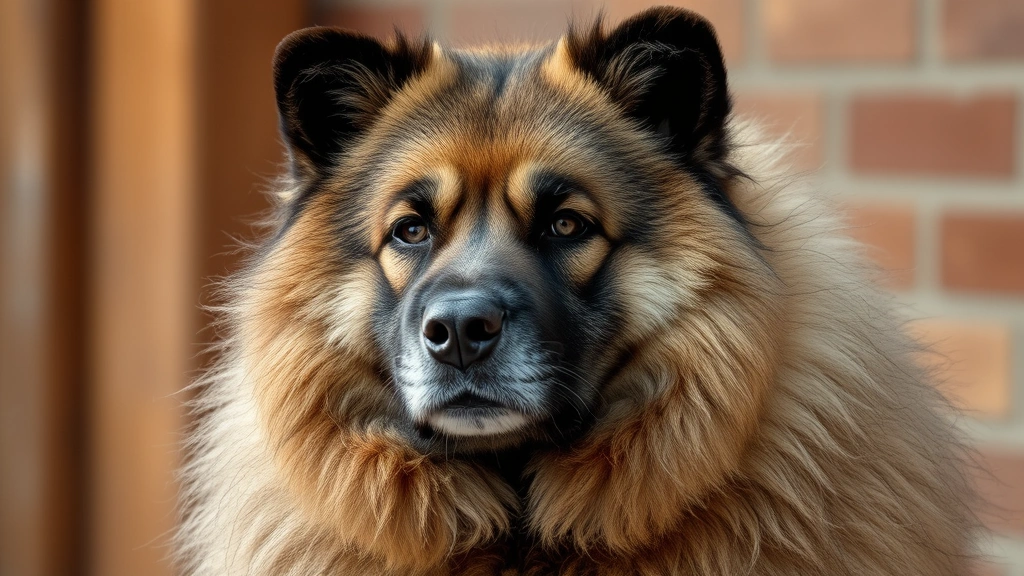
Chow Chows are another expensive breed, typically ranging from $3,000 to $8,500. These fluffy teddy bear lookalikes have a unique blue-black tongue and an aloof personality that makes them seem royalty. They’re prone to hip dysplasia, elbow dysplasia, and eye problems, so health screening is essential.

Chow Chows require consistent training and socialization from puppyhood. Their grooming needs are intense, and their independent streak means they’re not for first-time dog owners. As they age, consider geriatric pet feeding tips to maintain their health through their senior years.
The Rottweiler: Misunderstood and Expensive
Rottweilers often get a bad rap, but these intelligent, loyal dogs are worth their $2,000 to $8,000 price tag when bred responsibly. Show-quality Rottweilers with champion bloodlines can cost significantly more. The reason? Responsible breeders invest heavily in health testing to screen for hip dysplasia, elbow dysplasia, and heart conditions.

These powerful dogs need experienced owners, extensive training, and proper socialization. They’re prone to obesity, so diet management is crucial. Many vets recommend veterinarian recommended supplements to support their joint health as they age.
The Akita: Japan’s Noble Guardian
Akitas are massive, beautiful dogs that can cost $1,500 to $7,000 from reputable breeders. These Japanese guardians are loyal to their families but suspicious of strangers. They’re prone to hip dysplasia, hypothyroidism, and autoimmune diseases, requiring thorough health screening before breeding.

Akitas have a thick double coat that sheds year-round, making grooming a significant ongoing expense. They’re also prone to bloat, a life-threatening condition, so feeding practices matter. Understanding proper pet supplement dosage guidance can help prevent nutritional imbalances that might contribute to health issues.
The English Bulldog: Expensive and High-Maintenance
English Bulldogs are another breed where the costliest breed of dog category applies, ranging from $2,000 to $9,000. These wrinkly, snorting companions have serious health issues due to their flat faces and compact bodies. They struggle with breathing, overheating, skin infections in their wrinkles, and joint problems.

The high cost reflects the extensive health testing needed and the reality that many require surgical interventions (like soft palate correction) just to breathe properly. Veterinary costs for Bulldogs are notoriously high, so factor that into your budget.
The Dogo Argentino: The Rare Hunter
Dogo Argentinos are relatively rare outside their native Argentina, which drives up their price to $4,000 to $9,000. These powerful, athletic dogs were bred for hunting wild boar and puma. They’re intelligent, loyal, and require experienced owners who can provide firm, consistent training.

These dogs have high prey drives and can be aggressive toward other animals, so socialization from puppyhood is critical. Their short coats are low-maintenance, but their exercise needs are intense, requiring dedicated owners.
The Samoyed: The Smiling Fluffball
Samoyeds, with their perpetual smiles and white fluffy coats, cost $4,000 to $11,000 from reputable breeders. These friendly, social dogs were bred to herd reindeer and pull sleds in Siberia. They’re prone to hip dysplasia, progressive retinal atrophy, and diabetes.

Samoyeds shed like they’re auditioning for a hair commercial, requiring regular grooming. Their friendly nature makes them terrible guard dogs but excellent family companions for those who can handle the fur.
The German Shepherd: The Expensive Working Dog
German Shepherds, especially those with champion bloodlines or trained for specific work (police, military, service), can cost $500 to $15,000 or more. Working-line German Shepherds command higher prices due to their training, health testing, and genetic screening for hip and elbow dysplasia.

These intelligent, versatile dogs require consistent training, mental stimulation, and physical exercise. Their health issues are well-documented, making responsible breeding and health screening essential.
The Shar-Pei: The Wrinkled Wonder
Chinese Shar-Peis, with their distinctive wrinkled skin, cost $1,500 to $6,500. These dogs require meticulous care because their skin folds are prone to infections. They also suffer from hip dysplasia, elbow dysplasia, and eye problems.

Shar-Peis need regular ear cleaning, skin fold cleaning, and high-quality nutrition. Their grooming and medical needs are above average, making them expensive long-term investments.
Factors That Drive Up the Price Tag
Now that you know which breeds are the priciest, let’s break down why they cost so much:

- Rarity: Breeds that are rare in your region cost more.
- Breeding Difficulty: Breeds that can’t reproduce naturally require artificial insemination, driving costs up.
- Health Testing: Responsible breeders perform extensive genetic and health screening.
- Pedigree: Dogs from champion bloodlines cost significantly more.
- Training: Pre-trained or service dogs command premium prices.
- Demand: Trendy breeds cost more because everyone wants them.
Frequently Asked Questions
Is it worth paying thousands for a dog breed?
It depends. Paying more to a responsible breeder who health tests their dogs is worth it because you’re likely to get a healthier dog with fewer genetic issues. Paying more just for a trendy breed from a backyard breeder? Absolutely not. Do your research, ask for health certifications, and meet the parents.
What’s the cheapest breed of dog?
Mixed breeds and shelter dogs are typically free to $200. Many wonderful dogs are waiting in shelters for homes. If cost is a concern, adoption is a fantastic option.

Do expensive dog breeds live longer?
Not necessarily. In fact, many expensive breeds have shorter lifespans due to genetic health issues. A well-cared-for mixed breed can easily outlive a purebred with genetic predispositions to disease.
How can I afford an expensive breed?
Save up, budget for ongoing veterinary costs, and consider pet insurance. Factor in grooming, specialized nutrition, and potential health issues. The purchase price is just the beginning.

Are expensive dog breeds better pets?
Not at all. The best pet is one that matches your lifestyle, living situation, and personality. A $500 shelter dog can be just as loving and loyal as a $5,000 purebred.
The Bottom Line: Expensive Doesn’t Always Mean Better
The costliest breed of dog might have a fancy pedigree and a hefty price tag, but that doesn’t guarantee a perfect pet. What matters most is finding a responsible breeder who prioritizes health over profit, getting a dog that fits your lifestyle, and committing to proper care, training, and nutrition throughout their life.

Whether you’re bringing home a Tibetan Mastiff or a mixed breed rescue, your dog will love you just the same. The real investment isn’t the initial purchase price—it’s the time, effort, and resources you dedicate to keeping your furry friend healthy, happy, and well-adjusted for their entire life.
If you do decide to bring home one of these expensive breeds, remember that their health needs don’t stop after puppyhood. As they grow, their nutritional requirements change, and senior dogs have special dietary considerations. Being a responsible dog owner means staying informed and adapting to their needs at every life stage.