
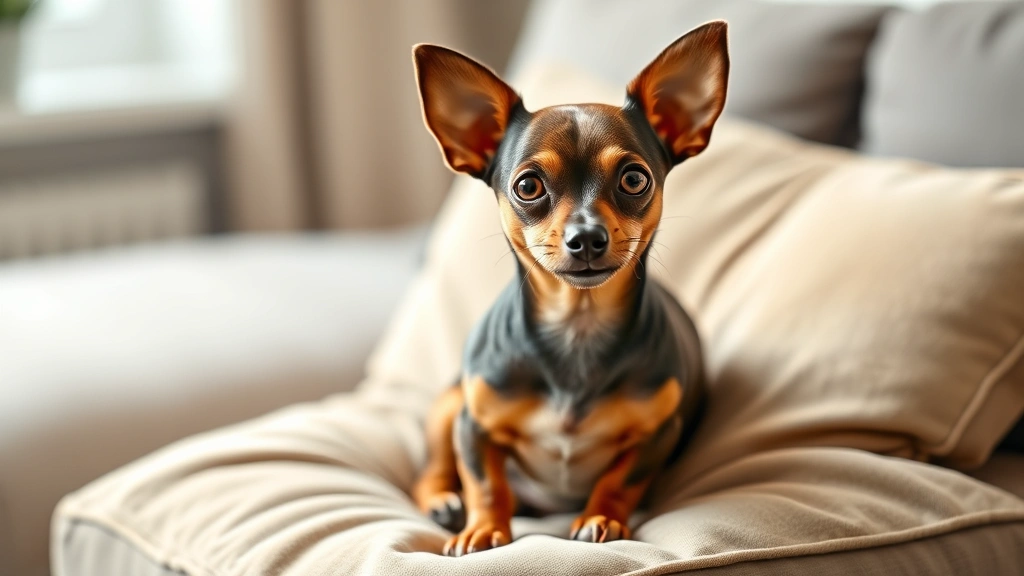
If you’re thinking about bringing home a dachshund and chihuahua mix dogs into your life, buckle up—you’re about to meet one of the most entertaining, stubborn, and lovable little furballs on the planet. These pint-sized pups are a wild combination of two already-quirky breeds, creating a dog that’s part wiener dog, part tiny terror, and 100% personality. Whether you call them a “Chiweenie” or “Dachshund Chihuahua mix,” one thing’s for sure: life with one of these dogs is never boring.
Table of Contents
- What Exactly Is a Dachshund Chihuahua Mix?
- Physical Appearance and Size Variations
- Temperament: The Spicy Side of Small Dogs
- Training and Socialization Essentials
- Health Considerations for Chiweenie Dogs
- Nutrition and Diet for Optimal Health
- Exercise and Activity Requirements
- Grooming and Coat Care
- Cost of Ownership: What to Expect
- Finding the Right Chiweenie for Your Family
- Common Behavioral Issues and Solutions
- Is a Chiweenie Right for You?
- Frequently Asked Questions
- Conclusion: Your Chiweenie Adventure Awaits
What Exactly Is a Dachshund Chihuahua Mix?
A dachshund and chihuahua mix is the offspring of a purebred Dachshund and a purebred Chihuahua. Both parent breeds are already small dogs with massive personalities, so combining them creates a dog that’s roughly 5-9 pounds of pure chaos and affection. These designer dogs have exploded in popularity over the past decade, and honestly, once you meet one, you’ll understand why.
The mix typically inherits the elongated body of the Dachshund with the tiny stature and apple-shaped head of the Chihuahua. Some have the Dachshund’s longer coat, while others sport the Chihuahua’s sleeker appearance. There’s really no telling what you’ll get until you meet your specific pup—that’s part of the charm (and the surprise).
Physical Appearance and Size Variations
Here’s the thing about designer breed mixes: they’re basically genetic slot machines. Your dachshund and chihuahua mix might inherit more Dachshund traits or lean heavily toward the Chihuahua side. Generally, expect a dog weighing between 5-12 pounds with a body length that’s slightly longer than it is tall.
The coat can vary wildly. Some have the Dachshund’s longer, silkier coat, while others have the Chihuahua’s shorter, smoother coat. Colors run the gamut—tan, black, brown, cream, or a mix of multiple colors. Their ears can be floppy like a Dachshund’s or pointy like a Chihuahua’s, sometimes even a weird hybrid of both that honestly looks adorable.
One quirky trait many inherit from the Dachshund side is that elongated snout and body, which can make them look like a tiny sausage with Chihuahua eyes. It’s ridiculous, it’s weird, and dog lovers absolutely eat it up.
Temperament: The Spicy Side of Small Dogs
If you’re expecting a calm lap dog, think again. Dachshund Chihuahua mixes are feisty, intelligent, and absolutely convinced they’re much larger than they actually are. They’ve got the hunting instinct of the Dachshund combined with the territorial nature of the Chihuahua—a combination that means your pup might chase squirrels with the determination of a German Shepherd while simultaneously thinking they’re a guard dog for your entire house.
These dogs are loyal to their families but can be suspicious of strangers. They’re also prone to small dog syndrome if you let them get away with it. Without proper training and socialization, a dachshund and chihuahua mix dogs can become yappy, aggressive, or overly clingy. But raise them right, and you’ve got a devoted companion with a sense of humor that rivals your own.
They thrive on attention and can develop separation anxiety if left alone for too long. These aren’t dogs you can ignore—they demand interaction, playtime, and affection on their own terms (which is usually constantly).
Training and Socialization Essentials
Training a Chiweenie requires patience, consistency, and a sense of humor. These dogs are smart—sometimes too smart for their own good—but they’re also stubborn as hell. They’ll learn commands quickly if they see a benefit to themselves, but good luck getting them to obey just because you said so.
Start socialization early. Expose your pup to different people, environments, and other dogs while they’re young. This helps prevent the territorial aggression and excessive barking that can plague unsocialized small breeds. Use positive reinforcement with training treats from human food or their favorite toys—these dogs respond better to rewards than punishment.
House training can be a challenge with this breed. Small dogs have smaller bladders, and Dachshund Chihuahua mixes seem to have a particular disdain for going outside in bad weather. Crate training helps, but patience is essential. Some owners swear by pee pads, while others insist on outdoor-only training. Find what works for your pup and stick with it.
Health Considerations for Chiweenie Dogs
Like all designer breeds, dachshund and chihuahua mix dogs can inherit health issues from both parent breeds. The most common concerns include:
Intervertebral Disc Disease (IVDD): The Dachshund’s long spine is prone to disc problems, and your Chiweenie might inherit this risk. Avoid excessive jumping and maintain a healthy weight to minimize strain.
Dental Problems: Small dogs are notorious for dental issues. Both parent breeds are susceptible to tooth decay and gum disease. Regular brushing and professional cleanings are crucial.
Patellar Luxation: This knee issue is common in tiny breeds. Your vet can monitor for signs of limping or reluctance to use a hind leg.
Hypoglycemia: Chihuahuas are prone to low blood sugar, especially as puppies. Make sure your pup eats regularly and monitor for signs of lethargy or seizures.

Heart Issues: Both parent breeds can have heart problems. Regular vet checkups and listening for heart murmurs is important. If you’re concerned about costs, check out costliest breed of dog to understand potential expenses.
Work with a reputable veterinarian and consider getting health screening done on both parents before adopting a puppy. A good breeder should provide health clearances and be transparent about potential genetic issues.
Nutrition and Diet for Optimal Health
Feeding a dachshund and chihuahua mix dogs requires attention to portion control and quality ingredients. These tiny dogs have fast metabolisms but can quickly become overweight if overfed. A sedentary Chiweenie can pack on pounds, leading to exacerbated joint and spinal issues.
Most Chiweenies do well on 1/2 to 1 cup of high-quality dog food daily, split between two meals. Choose a food formulated for small breeds—the kibble size and nutrient profile are designed for their needs. Look for real meat as the first ingredient and avoid excessive fillers.
If you’re switching food, do it gradually using pet diet transition advice to avoid digestive upset. Some owners prefer fresh or raw diets, but that requires research and veterinary guidance.
Treats should comprise no more than 10% of daily calories. You can use high-value treats from kitchen ingredients for training—just watch the portions. And please, don’t feed your pup human food regularly, even though those big puppy eyes are absolutely irresistible.
Exercise and Activity Requirements
Despite their tiny size, Chiweenies have decent energy levels and need regular exercise. A 20-30 minute daily walk is ideal, plus playtime indoors. These dogs love to play fetch, chase toys, and burrow into blankets (the Dachshund in them loves burrowing).
Be careful with excessive jumping or intense play, especially on hard floors. Their spines are vulnerable, and repetitive impact can cause injury. Soft surfaces like grass or carpet are better for play sessions.
Mental stimulation is just as important as physical exercise. Puzzle toys, sniff games, and training sessions keep their clever brains engaged. A bored Chiweenie becomes a destructive Chiweenie—they’ll chew furniture, dig holes in your couch, and bark at everything.
Grooming and Coat Care
Grooming needs depend on which parent breed your dog takes after. If they inherit the Dachshund’s longer coat, expect weekly brushing to prevent mats and tangles. Shorter-coated Chiweenies need less frequent brushing—maybe twice weekly—but still shed regularly.
Bathe your pup every 4-6 weeks with a gentle dog shampoo. Regular baths help keep their skin healthy and reduce odor. Trim nails every 3-4 weeks, clean ears weekly (especially important given their floppy ears), and brush teeth daily if possible (or at least several times weekly).
Some owners take their Chiweenies to professional groomers every 6-8 weeks, while others handle grooming at home. Either way, consistency is key to keeping your pup looking and feeling their best.
Cost of Ownership: What to Expect
Dachshund Chihuahua mix puppies typically cost between $300-$900 from reputable breeders, though some can be more expensive. Adoption from a rescue is usually cheaper and comes with the bonus of knowing you’re saving a life.
Beyond the initial purchase, factor in food, veterinary care, grooming, toys, and training. Annual vet visits run $200-$500, depending on your location and your dog’s health. Dental cleanings can cost $500-$1,500. Pet insurance might be worth considering—premiums for small dogs are usually affordable, and coverage helps with unexpected health issues.
Finding the Right Chiweenie for Your Family
If you’re serious about getting a dachshund and chihuahua mix dogs, you have two main options: breeders or rescues. Reputable breeders should provide health clearances, allow you to meet the parents, and be available for questions throughout your dog’s life. Avoid puppy mills and backyard breeders at all costs.
Rescue organizations and shelters often have Chiweenies available. Adopting an adult dog means you know their full personality, and you’re giving a dog a second chance. Plus, adoption fees are typically much lower than breeder prices.

Whichever route you choose, take time to find the right pup. Meet them in person, ask questions, and trust your gut. A good match between dog and owner is crucial for long-term happiness.
Common Behavioral Issues and Solutions
Excessive barking is probably the most common complaint from Chiweenie owners. These dogs bark at everything—the mailman, a leaf blowing past the window, their own shadow. Training and desensitization help, but you might never fully eliminate it. Some owners find that melatonin (under vet guidance) can help anxious dogs relax, though it’s not a long-term solution.
Separation anxiety is another issue. These dogs bond deeply with their owners and hate being alone. Crate training, gradual alone-time exposure, and sometimes medication can help manage it.
Aggression toward other dogs or people usually stems from poor socialization or lack of training. Early intervention with a professional trainer is important—don’t ignore warning signs like growling or snapping.
Resource guarding (protecting toys, food, or people) is common in Chiweenies. Training them to drop items and rewarding them for sharing helps manage this behavior.
Is a Chiweenie Right for You?
Dachshund and chihuahua mix dogs are perfect for people who want a small, affectionate companion with loads of personality. They’re ideal for apartment living and don’t require extensive exercise. They’re great for single people, couples, or families with older children.
However, they’re not ideal for families with very young kids (they’re fragile and can be snappy), people who work long hours without dog care options, or anyone expecting a calm, low-maintenance pet. These dogs demand attention, training, and socialization.
If you’re prepared for a tiny dog with a huge personality, excellent at entertaining you, loyal beyond measure, and occasionally infuriating in their stubbornness, then a Chiweenie might be your perfect match.
Frequently Asked Questions
How long do Dachshund Chihuahua mixes live?
With proper care, most Chiweenies live 12-16 years, with some reaching their late teens. Regular vet checkups, a healthy diet, and preventive care all contribute to a longer lifespan.
Do Chiweenies shed a lot?
Shedding varies depending on their coat type. Longer-coated Chiweenies shed moderately year-round and heavily during seasonal changes. Shorter-coated ones shed less but still require regular brushing.
Are Chiweenies good with kids?
They can be, but they’re better suited for families with older children (10+) who understand how to handle small dogs gently. Young kids might accidentally hurt them, and Chiweenies can be snappy if handled roughly.
Can Chiweenies be left alone during the day?
Not ideally. They’re prone to separation anxiety and can develop behavioral issues if left alone for long periods. If you work full-time, consider a dog walker, doggy daycare, or asking a friend to check in.
What’s the difference between a Chiweenie and other small breed mixes?
Chiweenies specifically combine Dachshund and Chihuahua traits. Other small mixes like Pomeranians or Maltese mixes have different parent breeds and thus different characteristics.
Do I need a fenced yard for a Chiweenie?
A fenced yard is helpful but not absolutely necessary. These dogs can get adequate exercise indoors and on walks. However, a secure outdoor space gives them room to play safely.
Conclusion: Your Chiweenie Adventure Awaits
A dachshund and chihuahua mix dogs is more than just a cute accessory—they’re a full-fledged family member with opinions, quirks, and an incredible capacity for love. Yes, they’re stubborn. Yes, they bark. Yes, they’ll probably steal your spot on the couch and refuse to move. But they’ll also greet you like you’ve been gone for years when you come home from work, snuggle into your neck, and make you laugh at their ridiculous antics daily.
If you’re ready for the commitment, prepared to train and socialize properly, and willing to embrace a tiny dog with a massive personality, a Chiweenie could be your perfect companion. These little dogs punch way above their weight in terms of love, loyalty, and entertainment value. Welcome to the wonderful, chaotic world of dachshund and chihuahua mix dog ownership—you’re in for one hell of a ride.





