
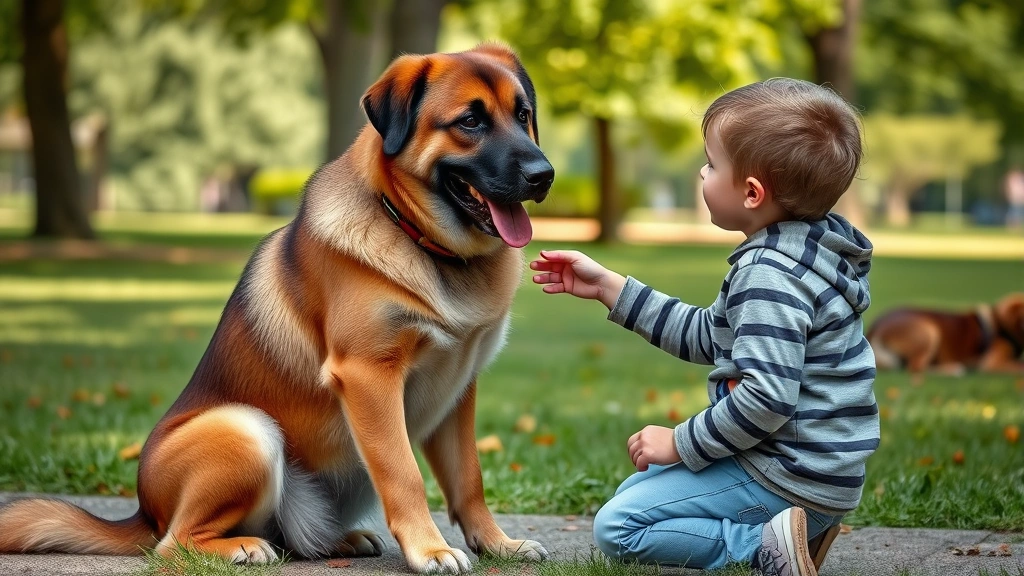
When it comes to dangerous dog breeds, most people picture snarling monsters ready to pounce. But here’s the thing—breed reputation is way more complicated than a scary TikTok video or a sensationalized news headline. Let’s cut through the nonsense and talk about what actually makes a dog dangerous, because spoiler alert: it’s rarely just about the breed.
Table of Contents
- Fact #1: Breed Isn’t Everything (It’s Actually Just One Piece of the Puzzle)
- Fact #2: Size and Strength Amplify Risk (But Don’t Create It)
- Fact #3: The “Dangerous” Breeds List Is Politically Motivated
- Fact #4: Owner Behavior Matters More Than Breed Behavior
- Fact #5: Socialization During Puppyhood Is Non-Negotiable
- Fact #6: Certain Breeds Were Literally Bred for Power (But Not Necessarily Aggression)
- Fact #7: Bite Statistics Are Wildly Unreliable
- Fact #8: Abuse, Neglect, and Chaining Create Dangerous Situations
- Fact #9: Training and Certification Can Neutralize Risk
- Fact #10: Responsible Ownership Includes Proper Nutrition and Health Care
- Which Breeds Are Actually Most Likely to Bite?
- Red Flags That Indicate a Dangerous Dog (Regardless of Breed)
- Frequently Asked Questions
- The Bottom Line: It’s About Responsibility, Not Breed
Fact #1: Breed Isn’t Everything (It’s Actually Just One Piece of the Puzzle)
Listen, if you’ve heard that pit bulls or German Shepherds are inherently evil, you’re buying into a narrative that’s been blown way out of proportion. The truth? A dog’s behavior depends on a cocktail of factors: genetics, training, socialization, environment, and the owner’s responsibility level. A well-trained Rottweiler is infinitely safer than an untrained Chihuahua with aggression issues. Yes, we said it.
The American Kennel Club has consistently pointed out that no breed is inherently dangerous. What matters is how the dog is raised, trained, and treated. Shocking, right?
Fact #2: Size and Strength Amplify Risk (But Don’t Create It)
Here’s where we get real: larger dogs can inflict more physical damage if they do bite. A 90-pound dog’s bite carries more force than a 10-pound dog’s bite. That’s just physics. This is why large breed dog safety training is crucial. But damage potential doesn’t equal aggression. A massive Great Dane can be a gentle giant, while a tiny Dachshund can be a snappy terror. The difference? Usually training and socialization.
Fact #3: The “Dangerous” Breeds List Is Politically Motivated
Ever notice how the “dangerous breeds” list changes depending on who’s talking? In the 1980s, everyone freaked out about Dobermans. In the 1990s, it was Rottweilers. Now pit bulls get the spotlight. This is called “breed of the decade” syndrome, and it’s driven more by media sensationalism than actual statistics.
Countries and cities that have implemented breed-specific legislation (BSL) haven’t seen significant reductions in dog bite incidents. Instead, they’ve just punished specific breeds while ignoring the real culprits: irresponsible ownership and lack of training.
Fact #4: Owner Behavior Matters More Than Breed Behavior
Want to know what the biggest predictor of a dangerous dog is? A negligent owner. Dogs used for fighting, chaining, abuse, or neglect become dangerous—not because of their genetics, but because of how they’re treated. An untrained dog of any breed can be unpredictable. A well-trained dog of any breed can be trustworthy.
Check out our guide on online vet advice for food reactions to understand how health issues can also affect dog behavior and temperament.
Fact #5: Socialization During Puppyhood Is Non-Negotiable
If you want a safe, well-adjusted dog, socialization isn’t optional—it’s mandatory. Dogs exposed to different people, environments, and experiences as puppies are significantly less likely to develop fear-based aggression. This applies to every breed, but it’s especially critical for larger or more powerful dogs.
A puppy that meets 100 different people before 16 weeks old has a drastically different temperament than one raised in isolation. It’s that simple.
Fact #6: Certain Breeds Were Literally Bred for Power (But Not Necessarily Aggression)
Pit bulls, for example, were originally bred from bulldogs and terriers for bull-baiting—a brutal sport that’s now illegal everywhere. But here’s the kicker: they were bred to be aggressive toward bulls, not people. Breeders actually selected against human aggression because handlers needed to safely control the dogs. Compare this to the Coonhound, which was bred to hunt prey, giving it a high prey drive that requires specific management.
Understanding breed history helps you understand breed tendencies, but it doesn’t make a breed inherently dangerous to humans.
Fact #7: Bite Statistics Are Wildly Unreliable
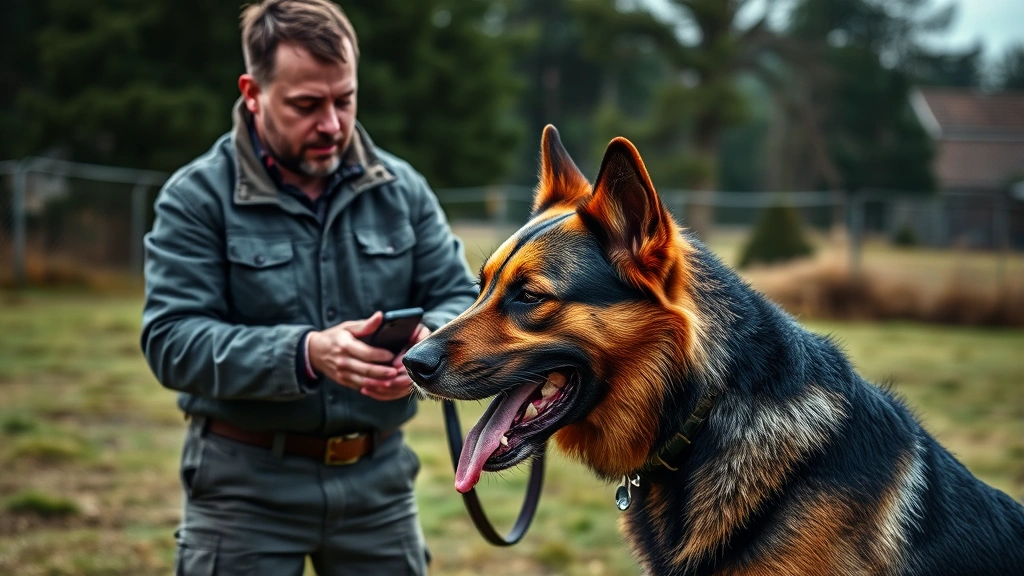
When a dog bites someone, the victim often can’t accurately identify the breed—especially in mixed breeds. Studies show that dog bite reports misidentify breeds 25-40% of the time. Plus, attacks by larger dogs are more likely to be reported and remembered than attacks by smaller breeds. This skews the data in favor of blaming certain breeds.
Also, dogs that aren’t reported (like that neighbor’s aggressive Poodle) don’t show up in statistics. The data we have is incomplete and biased.
Fact #8: Abuse, Neglect, and Chaining Create Dangerous Situations
Dogs kept on chains, in isolation, or in abusive situations develop serious behavioral problems. Chained dogs are 2.8 times more likely to bite than unchained dogs, according to research. A dog that’s never socialized, never trained, and constantly punished will be dangerous—regardless of breed.
This is why responsible ownership is the real issue. A Chug dog raised with love and training will be safer than a German Shepherd raised in a garage and beaten.
Fact #9: Training and Certification Can Neutralize Risk
A well-trained dog is exponentially safer than an untrained dog. Professional trainers can work with even the most challenging dogs to teach impulse control, obedience, and appropriate behavior. Many dangerous situations are completely preventable with basic training: teaching a “leave it” command, practicing recall, establishing boundaries.
Dogs with behavioral issues need professional help, not exile or euthanasia. Training works.
Fact #10: Responsible Ownership Includes Proper Nutrition and Health Care
A dog’s temperament is also affected by its physical health. Pain, hormonal imbalances, neurological issues, and nutritional deficiencies can all contribute to aggression or unpredictable behavior. Make sure your dog has regular vet checkups, proper nutrition, and appropriate exercise.
Be cautious about toxic foods—for instance, xylitol poisoning in dogs can cause serious health complications that might affect behavior. Also, review pet food safety standards to ensure your dog is getting quality nutrition.
Which Breeds Are Actually Most Likely to Bite?
If we’re being honest about statistics, small breeds like Chihuahuas, Dachshunds, and Jack Russell Terriers actually bite more frequently than large breeds. But their bites cause less damage, so they’re not reported or remembered the same way. A Chihuahua bite to your ankle is annoying; a large dog bite to your face is a medical emergency.
This doesn’t mean small breeds are “more dangerous”—it means danger is contextual. Bite frequency ≠ bite severity.
Red Flags That Indicate a Dangerous Dog (Regardless of Breed)
Instead of focusing on breed, watch for these actual warning signs:
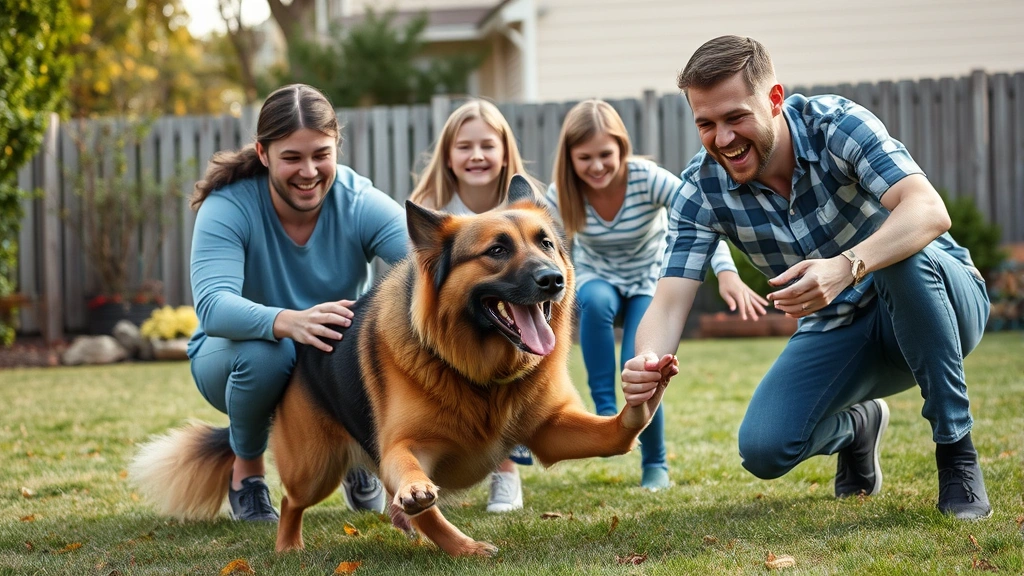
- Resource guarding (growling over food, toys, or people)
- Stiff body language, raised hackles, or intense staring
- Lunging or snapping at people or other animals
- Unpredictable behavior or sudden mood swings
- History of bites or attacks
- Lack of socialization or training
- Signs of abuse, neglect, or trauma
- Inability to follow basic commands
A dog showing these signs needs professional intervention, not breed-based blame.
Frequently Asked Questions
Are pit bulls actually dangerous?
Pit bulls aren’t inherently more dangerous than other breeds. They’re powerful dogs that require responsible ownership, proper training, and socialization—just like any large breed. Breed-specific legislation hasn’t reduced dog bite incidents in areas where it’s been implemented. The danger comes from how the dog is raised, not from its breed.
What’s the safest dog breed for families?
There’s no single “safest” breed because safety depends on individual temperament, training, and the owner’s responsibility. Breeds commonly recommended for families include Golden Retrievers, Labs, and Beagles—but a poorly trained Golden Retriever is less safe than a well-trained Rottweiler. Focus on the individual dog, not the breed.
Can dangerous dogs be rehabilitated?
Yes, absolutely. Professional trainers work with behaviorally challenging dogs all the time. Dogs showing aggression or fear-based reactivity can improve dramatically with proper training, socialization, and sometimes medication. Rehabilitation requires time, patience, and professional help, but it’s often successful.
Should dangerous breeds be banned?
Breed-specific bans are controversial and largely ineffective. Research shows they don’t reduce dog bite incidents significantly. Instead, experts recommend focusing on dangerous owners, promoting responsible ownership, requiring training and licensing, and enforcing animal cruelty laws. Punishing specific breeds punishes responsible owners and doesn’t address the real problem.
How can I tell if my dog is becoming aggressive?
Watch for warning signs like resource guarding, stiff body posture, raised hackles, intense staring, growling, snapping, or lunging. If you notice these behaviors, consult a professional trainer or veterinary behaviorist immediately. Early intervention prevents escalation and keeps everyone safe.
Do mixed breeds behave differently than purebreds?
Mixed breeds can be just as well-behaved or problematic as purebreds. Their temperament depends on their individual genetics, socialization, training, and environment—not on whether they’re mixed or purebred. Some mixed breeds have unpredictable temperaments because their ancestry is unknown, but this isn’t a rule.
The Bottom Line: It’s About Responsibility, Not Breed
The conversation about dangerous dog breeds needs a serious reality check. The truth is that any dog can be dangerous if it’s abused, neglected, untrained, or poorly socialized. Conversely, any dog can be safe, trustworthy, and loving with proper care, training, and responsibility.
Instead of fearing certain breeds, fear irresponsible ownership. Instead of banning breeds, ban negligence. Instead of blaming genetics, invest in training. The most dangerous dog isn’t a pit bull or a German Shepherd—it’s the one whose owner doesn’t care enough to train it, socialize it, or treat it with respect.
If you’re considering getting a dog, focus on finding a responsible breeder or rescue organization, commit to training and socialization, and understand that owning a dog—especially a large or powerful breed—is a serious responsibility. Do that, and you’ll have a safe, wonderful companion regardless of breed.





