
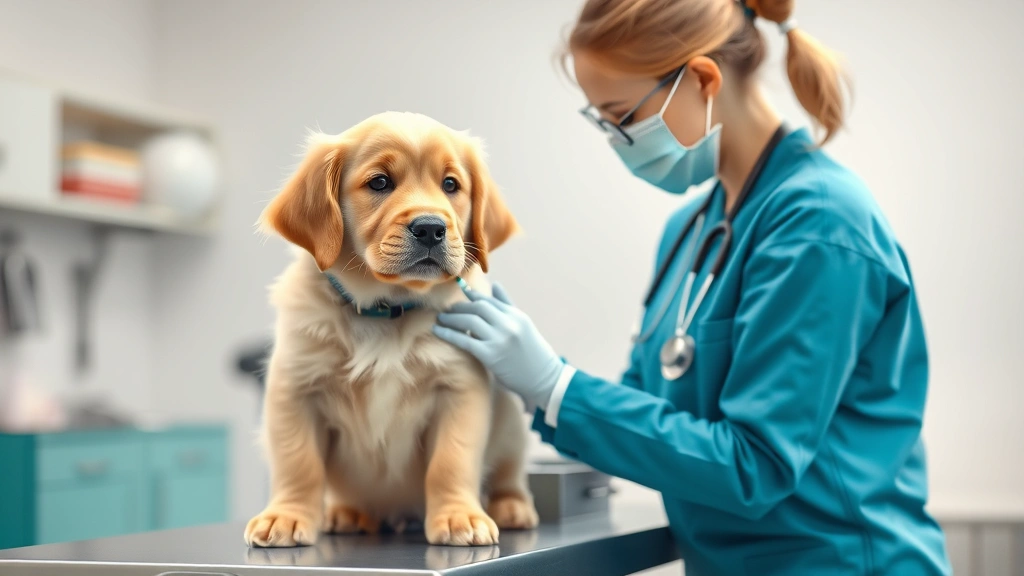
The DAPP vaccine for dogs is one of the most critical health investments you’ll make for your furry best friend, protecting them against four potentially deadly diseases that can turn a happy pup into a medical nightmare faster than you can say “vet bill.” If you’re a dog parent who actually cares about keeping your pooch alive and thriving, understanding what DAPP covers and why it matters is non-negotiable.
Table of Contents
- What Exactly Is the DAPP Vaccine?
- The Four Villains DAPP Protects Against
- When Should Your Dog Get the DAPP Vaccine?
- Is the DAPP Vaccine Safe for Your Dog?
- Core vs. Non-Core: Why DAPP Is Mandatory
- Cost Considerations and What to Expect
- What Happens If You Skip the DAPP Vaccine?
- DAPP Vaccine and Puppy Development
- Keeping Records and Staying Organized
- Special Situations: Pregnant Dogs, Elderly Dogs, and Immunocompromised Pups
- Frequently Asked Questions
- The Bottom Line on DAPP Vaccine for Dogs
What Exactly Is the DAPP Vaccine?
Let’s break down the acronym because it’s actually pretty clever. DAPP stands for Distemper, Adenovirus, Parvovirus, and Parainfluenza – four diseases that would make any vet’s waiting room look like a disaster zone. This combo vaccine is the Swiss Army knife of dog immunization, hitting multiple threats with one injection. Your vet probably calls it the “core vaccine,” which means it’s so important that basically every responsible dog owner should get it for their pup. Think of it as the foundation of your dog’s health insurance policy, except way cheaper and actually prevents problems instead of just covering them.
The Four Villains DAPP Protects Against
Understanding what each letter represents helps you appreciate why this vaccine isn’t optional:
Distemper is a highly contagious viral disease that attacks your dog’s respiratory, gastrointestinal, and nervous systems. It’s like the flu’s evil cousin – contagious, devastating, and historically fatal in unvaccinated dogs. We’re talking seizures, paralysis, and a pretty grim prognosis.
Adenovirus (specifically type 2) causes infectious hepatitis, which sounds fancy but basically means liver disease that spreads like wildfire through dog parks. Your dog could pick this up from contaminated water, soil, or another dog’s saliva. It’s the kind of thing that makes you paranoid about every puddle your dog sniffs.
Parvovirus is the absolute worst. This virus causes severe vomiting, bloody diarrhea, and can destroy your dog’s intestinal lining faster than you can get to the emergency vet. Puppies and unvaccinated dogs have mortality rates that’ll make you want to cry. Parvo is so tough it can survive on surfaces for months – seriously, it’s basically the cockroach of dog viruses.
Parainfluenza is the respiratory component, causing kennel cough and upper respiratory infections. While usually less severe than the other three, it’s still miserable for your dog and spreads faster than gossip at a dog park.
When Should Your Dog Get the DAPP Vaccine?
Timing matters here, and your vet isn’t being annoying when they send you reminders. Puppies typically start their DAPP series at 6-8 weeks old, then get boosters every 3-4 weeks until they’re 16 weeks old. That’s usually three or four shots total – think of it as building up your puppy’s immune system defenses gradually. After the initial series, adult dogs need a booster every 1-3 years depending on which vaccine formulation your vet uses. Some vaccines last longer than others, so ask your vet specifically about your dog’s schedule instead of guessing.
Senior dogs still need DAPP protection, though your vet might adjust the schedule based on their health status. If your dog’s vaccination history is mystery meat (rescue dog with no records?), your vet might recommend starting from scratch to be safe. Better safe than sorry when we’re talking about potentially fatal diseases.
Is the DAPP Vaccine Safe for Your Dog?
Let’s address the elephant in the room: vaccine hesitancy. The DAPP vaccine has been used for decades and has an excellent safety profile. Sure, some dogs might experience mild side effects like soreness at the injection site, slight fever, or temporary lethargy – basically, they feel like they got a shot, because they did. Serious adverse reactions are rare, and the risk of those diseases is WAY higher than vaccine risks. It’s like comparing a mosquito bite to malaria; one is annoying, the other is life-threatening.
If your dog has specific health conditions or previous vaccine reactions, definitely chat with your vet before vaccination. They might recommend spacing out vaccines or using alternative protocols. This is where telehealth vet appointments come in handy – you can discuss your dog’s unique situation without the hassle of leaving home.
Core vs. Non-Core: Why DAPP Is Mandatory
The veterinary world divides vaccines into two categories: core and non-core. Core vaccines are the ones basically every dog needs because the diseases are either very common, very serious, or both. DAPP is absolutely core – it’s not like the rabies vaccine (also core but separate) or the Bordetella vaccine (non-core, recommended for social dogs). If you’re boarding your dog, taking them to training classes, or visiting dog parks, they need DAPP protection. Period.
Non-core vaccines like Lyme disease or Leptospirosis depend on your dog’s lifestyle and geographic location. Your vet can help you decide which ones make sense for your specific pup.
Cost Considerations and What to Expect
DAPP vaccines typically cost between $20-$50 per shot, depending on your location and veterinary clinic. That’s genuinely affordable insurance against diseases that could cost thousands in emergency vet bills. If cost is a concern, many animal shelters and low-cost clinics offer discounted vaccination services. There’s literally no excuse not to vaccinate your dog – the financial barrier is basically non-existent.
When you take your dog in for their DAPP vaccine, expect a quick exam first. Your vet wants to make sure your dog is healthy enough for vaccination. They’ll check temperature, listen to the heart and lungs, and ask about any recent illnesses or concerns. This is also a perfect time to ask questions about online vet advice for food reactions or any other health concerns while you’re there.
What Happens If You Skip the DAPP Vaccine?
This is where I get real with you: skipping DAPP is like leaving your car unlocked in a sketchy neighborhood. Sure, maybe nothing bad happens, but the odds aren’t in your favor. Unvaccinated dogs are sitting ducks for these diseases. Distemper can cause permanent neurological damage. Parvo can kill your dog in days. Adenovirus destroys organs. These aren’t hypothetical risks – they’re diseases that vets see regularly in unvaccinated populations.
If your unvaccinated dog gets exposed, you’re looking at potential emergency vet bills in the thousands, a sick dog suffering through a serious illness, and possibly losing your pet. The DAPP vaccine costs less than a fancy coffee habit and prevents all that misery. The math is embarrassingly simple.
DAPP Vaccine and Puppy Development
Getting your puppy vaccinated on schedule is crucial because their immune system is still developing. Those maternal antibodies they inherited from mom provide some protection initially, but they fade over time. The DAPP series is timed to catch the window when maternal immunity wanes but before your puppy is fully vulnerable. This is why the schedule matters – skipping doses or spacing them out too far leaves gaps where your puppy could get infected.
After the initial puppy series, your dog’s immune system remembers the vaccine and responds quickly if exposed to these diseases. It’s like the difference between a first-time fighter and a seasoned boxer – experience matters.
Keeping Records and Staying Organized
Your vet should give you vaccination records every time your dog gets a shot. Keep these somewhere safe – you’ll need them for boarding facilities, training classes, dog parks, and travel. Many vets now offer digital records, which is fantastic for people who lose paper documents (guilty). Set phone reminders for booster shots so you don’t accidentally let them lapse. Some vets send automated reminders, which is clutch if you’re the forgetful type.
If you’re getting virtual vet consultation for diet questions or other health concerns, ask your vet to confirm your dog’s vaccination status is current while you’re at it.
Special Situations: Pregnant Dogs, Elderly Dogs, and Immunocompromised Pups
Pregnant dogs shouldn’t receive live vaccines (though DAPP is typically inactivated, which is safe). Elderly dogs with certain health conditions might need modified vaccination schedules – your vet can determine if annual boosters are still appropriate or if longer intervals are safer. Dogs with compromised immune systems due to illness or medication need special consideration too.
These situations aren’t reasons to skip DAPP entirely – they’re reasons to have a detailed conversation with your vet about the best approach for your specific dog. This is where professional guidance matters more than internet advice.
Frequently Asked Questions
Can I give my dog the DAPP vaccine at home?
No. DAPP vaccines require proper storage, handling, and administration by a licensed veterinarian. Improper storage can destroy the vaccine’s effectiveness, and incorrect injection technique can cause problems. Always go to a vet clinic.
How long does DAPP immunity last?
That depends on the specific vaccine formulation. Some provide 1-year protection, others 3 years. Your vet can tell you which type they’re using and when your dog needs their next booster. Don’t assume – ask specifically.
Can my dog get DAPP if they’re already sick?
Generally, no. Dogs with fever, active infections, or serious illnesses should wait until they’re healthy before vaccination. A sick dog’s immune system is already taxed and won’t respond well to the vaccine. Wait until they’re better, then schedule the shot.
Is DAPP vaccine required by law?
DAPP isn’t legally required in most places (rabies is the one that’s often mandatory), but it’s required by boarding facilities, training classes, and dog parks. Many vets and pet professionals consider it non-negotiable for responsible pet ownership.
What’s the difference between DAPP and DHPP?
They’re the same vaccine with different naming conventions. DHPP includes Distemper, Hepatitis (adenovirus), Parvovirus, and Parainfluenza. Some vets say DAPP, others say DHPP – it’s just regional preference. Either way, you’re getting the same four-disease protection.
Can I get DAPP at a pet store or online?
Technically some places sell vaccines online, but you shouldn’t administer them yourself. Vaccines require proper storage, handling, and professional administration. Plus, your vet needs to examine your dog first to ensure they’re healthy enough for vaccination. Always go through a licensed vet clinic.
My dog had DAPP years ago – do they need it again?
Probably yes. Immunity wanes over time, which is why boosters exist. Even if your dog had DAPP as a puppy, they likely need boosters now. Ask your vet about your dog’s specific situation and vaccination history.
The Bottom Line on DAPP Vaccine for Dogs
The DAPP vaccine for dogs is genuinely one of the easiest, cheapest, most effective health decisions you’ll make as a pet owner. It protects against four serious diseases that can devastate your dog’s health and finances. The vaccine is safe, well-tested, and has been preventing disease for decades. Your dog needs it, your vet recommends it, and responsible pet ownership demands it.
Don’t overthink this. Schedule your dog’s DAPP vaccine if they’re not current, keep up with boosters, and keep those vaccination records safe. Your dog will thank you by staying healthy and living a longer, happier life. If you have questions about your specific dog’s vaccination needs or health concerns, emergency food poisoning telehealth services can connect you with a vet quickly, or just call your regular vet clinic. They’re the experts, and they want your dog to be healthy as much as you do.
For additional guidance on your dog’s overall health and nutrition, resources like the American Kennel Club, PetMD, and veterinary schools can provide evidence-based information. Your vet is still your best resource for personalized advice, but these organizations offer solid general information about dog health and wellness.





