
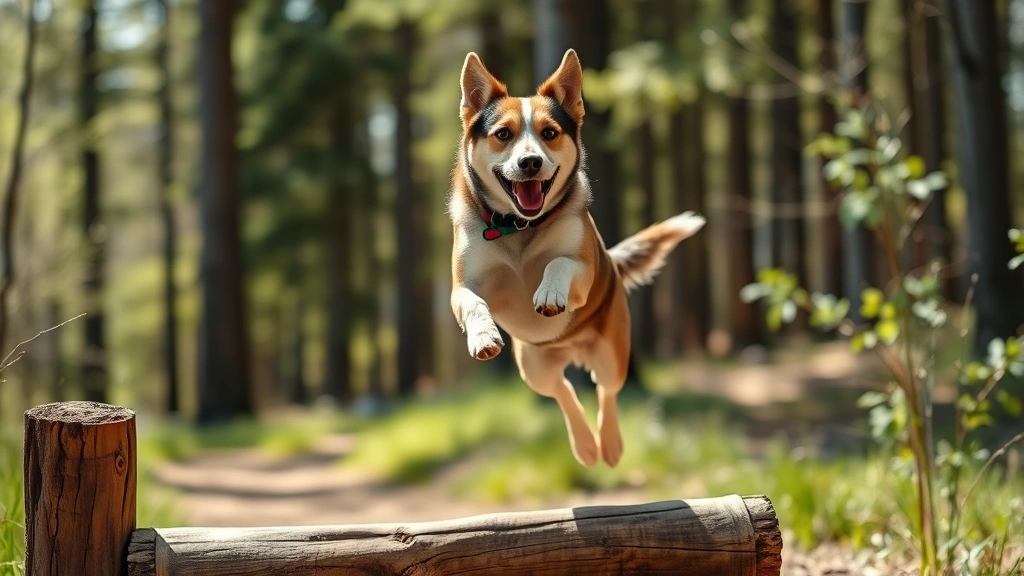
Your dog stares out the window like they’re plotting the next great escape. That tail wag isn’t just excitement—it’s a call to adventure. A daredevil dog isn’t necessarily reckless or dangerous. Often, it’s a pup with boundless energy, curiosity, and a need for stimulation that goes beyond a quick walk around the block. Whether your dog is a fearless explorer, an escape artist, or just someone who’d rather climb a mountain than nap on the couch, understanding how to channel that adventurous spirit safely is crucial. This guide walks you through real strategies to keep your daredevil dog entertained, healthy, and out of trouble.
What Makes a Daredevil Dog?
Not every high-energy dog is a daredevil dog. The difference matters. A daredevil dog combines natural athleticism with an almost fearless attitude toward new experiences. These are the pups who see a rocky trail and think “obstacle course,” not “danger.” They’re often breeds with strong prey drives, herding instincts, or hunting backgrounds—think Border Collies, Australian Shepherds, Jack Russell Terriers, and Weimaraners.
But genetics isn’t destiny. Some rescue mutts develop a daredevil dog personality after gaining confidence in a safe home. Others are just naturally bold personalities, regardless of breed.
Signs your pup is a daredevil dog:
- Constantly testing boundaries (physical and behavioral)
- Fearless around new objects, animals, or environments
- High prey drive—chasing everything that moves
- Escape artist tendencies (jumps fences, digs under gates)
- Needs intense exercise to settle down
- Boredom leads to destructive behavior fast
- Always seeking the next challenge or stimulation
Here’s the real talk: a daredevil dog isn’t broken or bad. They’re just wired differently. The problem isn’t the dog—it’s when their adventure-seeking energy meets an environment with no outlets. That’s when you get torn furniture, escaped dogs, and frustrated owners.
Adventure Activities for High-Energy Pups
Your daredevil dog needs more than a walk. They need experiences that challenge their body and mind simultaneously. Real adventures, not just longer leash time.
Hiking & Trail Running
This is the gold standard for daredevil dog enrichment. Trails offer varied terrain, new smells, and natural obstacles. Start with easier trails and build up. Your pup’s paws need conditioning just like human feet—rough terrain can cause cuts and soreness if they’re not used to it.
Pro tip: Bring a collapsible water bowl and check the trail for hazards like sharp rocks, toxic plants, or wildlife. The AKC has solid guidance on safe outdoor activities that covers everything from heat exhaustion to proper conditioning.
Agility Training & Obstacle Courses
Agility isn’t just for competition. Building a simple obstacle course in your yard—jumps, weave poles, tunnels—gives your daredevil dog a legitimate challenge. Many local dog clubs offer agility classes where your pup learns technique and burns serious energy. Teaching fetch is a foundation skill that makes many agility games possible.
Swimming & Water Sports
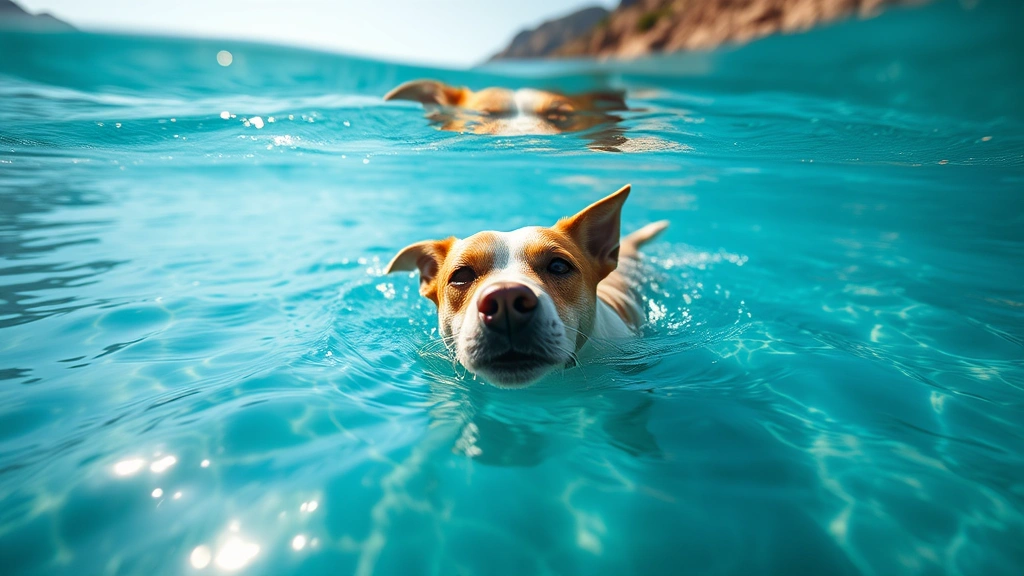
Water is magic for high-energy dogs. Swimming is low-impact, exhausting, and fun. Some daredevil dog breeds love dock diving or retrieving from water. Always supervise, use a dog life jacket if needed, and know your dog’s swimming ability—not all dogs are natural swimmers.
Canicross & Skijoring
If you’re a runner, canicross (running with your dog on a harness) is perfect for a daredevil dog. Same concept applies to skijoring in winter. Your dog pulls while you ski or run. It’s intense, controlled, and incredibly bonding.
Scent Work & Tracking
Mental challenges tire dogs faster than physical ones. Scent work games—hiding treats or toys for your dog to find—engage their natural instincts and problem-solving skills. This is especially good for daredevil dog breeds with strong noses.
Training & Safety First
Adventure without training is just chaos with a leash. Your daredevil dog needs solid foundational commands before you take them anywhere interesting.
Non-negotiable commands:
- Recall (“Come”) – This is life-or-death important. Practice in low-distraction environments first, then gradually increase difficulty. Use high-value rewards (treats, toys) consistently.
- “Leave it” – Prevents your dog from eating something toxic or chasing wildlife.
- “Heel” or loose-leash walking – Keeps your dog from pulling you into traffic or off a cliff.
- “Sit” and “Stay” – Basic impulse control in any situation.
Training a daredevil dog is harder than training a cautious dog because they’re less naturally deferential. They question authority. This means you need to be more consistent, more interesting, and more rewarding than whatever adventure they’re tempted by. It’s not impossible—it’s just a different challenge.
Safety Warning: Never take your daredevil dog off-leash in unfenced areas unless they have a 100% reliable recall. “100%” means they come back even when a squirrel runs by, even when another dog appears, even when they’re scared. Most dogs never reach this level. Be honest with yourself.
Consider a long line (30-50 feet) as a compromise. Your dog has freedom to explore while you maintain control. This is especially smart near water, cliffs, or roads.
Essential Gear for Adventurous Dogs
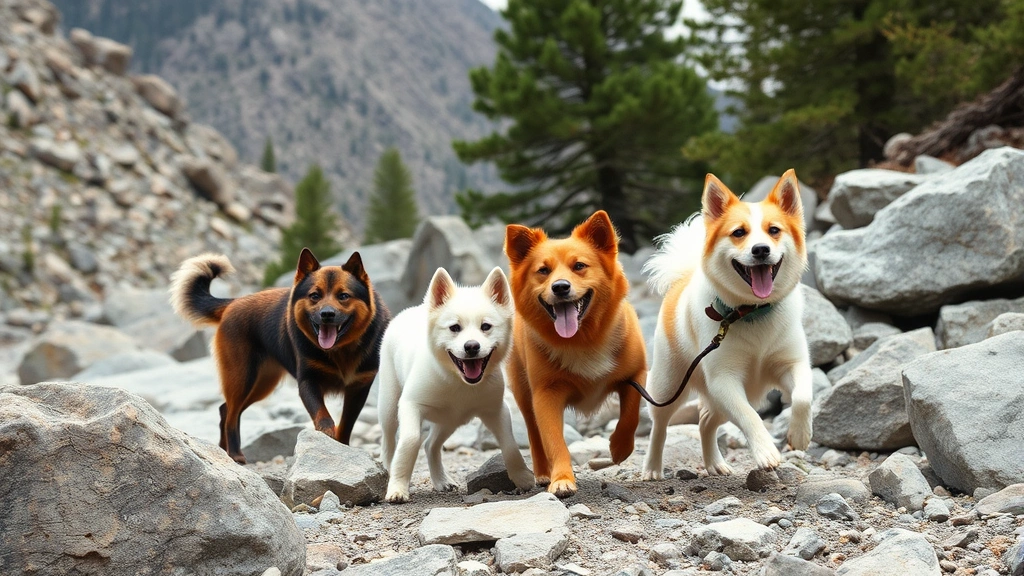
The right equipment makes adventures safer and more enjoyable for your daredevil dog.
Harnesses Over Collars
A no-pull harness gives you better control without choking your dog. For daredevil dog breeds that pull hard, this is non-negotiable. Harnesses distribute pressure across the chest and back, not the throat.
GPS Dog Collar
If your daredevil dog has any escape tendencies, a GPS tracker is worth every penny. Brands like Fi and AirTag holders give real-time location data. It’s not a substitute for training and secure fencing, but it’s insurance.
ID Tags & Microchip
Always. Your daredevil dog is more likely to get lost than a couch potato. Make sure tags are current and your microchip registration is up-to-date. The AAFID microchip registry is a free resource for recovery.
Protective Gear
Depending on your activities:
- Dog boots – Protect paws on rocky terrain or hot pavement
- Life jacket – For water activities, even if your dog swims well
- Protective vest – For thick brush or thorny areas
- Cooling vest – For hot-weather adventures
First Aid Kit
Pack a dog-specific first aid kit for longer adventures. Include bandages, antiseptic, tweezers (for splinters/thorns), pain relief, and any medications your dog takes. The ASPCA has a detailed first aid guide worth reviewing before you head out.
Mental Stimulation Beyond the Backyard
Physical exercise alone won’t cut it for a true daredevil dog. They need mental challenges too.
Puzzle Toys & Enrichment
Rotate different puzzle toys to keep your dog engaged. Kong Wobblers, snuffle mats, and hide-and-seek games force your daredevil dog to problem-solve. This type of mental work is exhausting—sometimes more so than a physical run.
Training Sessions
Short, frequent training sessions (10-15 minutes) keep your dog’s brain active. Teach new tricks, practice old ones, or work on obedience. The novelty and challenge tire a daredevil dog out faster than repetitive exercise.
Nose Work & Games
Hide treats around the house, in boxes, or under blankets. Let your dog search. This taps into natural instincts and provides mental engagement. Some daredevil dog breeds live for this type of activity.
Socialization & New Experiences
New environments, new dogs, new people—these are all stimulating for a daredevil dog. Dog parks, beach trips, hiking with friends, or outdoor café visits expose your dog to novelty. Just make sure they’re properly vaccinated and trained before introducing them to other dogs.
Health Considerations for Active Dogs
A daredevil dog that’s always on the move needs different health management than a sedentary pup.
Joint & Bone Health
High-impact activities stress joints. Large breed daredevil dog puppies are especially vulnerable to joint damage if exercised too hard too soon. Follow the “5-minute rule”—multiply your dog’s age in months by 5 to get the maximum exercise duration per session. So a 4-month-old gets 20 minutes max.
Once your dog is fully grown (12-18 months depending on breed), you can increase intensity. Consider joint supplements like glucosamine or fish oil if your vet recommends them.
Nutrition & Calorie Needs
An active daredevil dog burns significantly more calories than average. They may need higher-protein, higher-fat diets. Talk to your vet about appropriate nutrition for your dog’s activity level. Overfeeding is still possible even with active dogs—monitor body condition regularly.
Parasite Prevention
Outdoor adventuring means more exposure to ticks, fleas, and parasites. Stay current on preventatives. Wildlife encounters are also more likely for outdoor-loving dogs, so discuss rabies and other wildlife-related risks with your vet.
Heat & Exhaustion
A daredevil dog‘s enthusiasm can override their body’s signals to slow down. They’ll keep going until they collapse. It’s your job to manage exercise intensity, especially in hot weather. Watch for excessive panting, drooling, or lethargy. Take frequent water breaks. Avoid exercise during peak heat hours.
Regular Vet Checkups
Active dogs need annual or bi-annual vet visits to screen for injuries, joint issues, or other problems. Tell your vet about your dog’s activity level so they can assess appropriately.
Escape Prevention for Houdini Hounds
Many daredevil dog breeds are escape artists. If your pup is a fence-jumper, digger, or gate-opener, you need a multi-layered approach.
Fencing Standards
- Height: Minimum 5-6 feet for athletic breeds. Some daredevil dog breeds can clear 6 feet, so 7-8 feet may be necessary.
- Depth: Bury fencing at least 12-18 inches underground or use an L-shaped footer to prevent digging.
- Materials: Solid fencing (not chain-link) prevents your dog from getting a foothold or seeing distractions outside.
- Maintenance: Check regularly for gaps, loose boards, or damage.
Supervision & Management
Even with perfect fencing, never leave your daredevil dog unsupervised outdoors long-term. They might escape out of boredom or opportunity. Rotate them in and out. Provide shade, water, and enrichment if they’re outside.
Secure Gating & Doors
Install self-closing gates and double-check that exterior doors close completely. Many escaped dogs slip out during normal household traffic. Train your daredevil dog not to bolt through open doors (“sit-stay” at thresholds).
Crate Training
A properly sized crate gives you a safe containment option when you can’t supervise. Make it a positive space, not a punishment. Your daredevil dog should view the crate as their den, not a jail.
Frequently Asked Questions
At what age can I start adventuring with my daredevil dog?
– Wait until your dog is fully vaccinated (usually 16 weeks) before exposing them to unfamiliar environments. For high-impact activities like jumping or long runs, wait until growth plates close (12-18 months depending on breed). Short, easy hikes are fine much earlier, but avoid repetitive stress on young joints.
Is my daredevil dog’s behavior a sign of aggression?
– Not necessarily. Fearlessness and high energy are different from aggression. However, some daredevil dog traits (high prey drive, resource guarding) can escalate into aggression if not managed. Work with a certified trainer if you’re unsure. Understanding your dog’s breed tendencies helps determine appropriate management strategies.
How much exercise does a daredevil dog actually need?
– It varies by breed and individual, but most daredevil dog breeds need 60-120+ minutes of quality exercise daily. “Quality” means mentally engaging, not just walking. A 2-hour hike with varied terrain and problem-solving is worth more than a 4-hour walk on flat pavement.
Can I take my daredevil dog on airplane trips?
– Yes, but plan carefully. High-stress environments like airports can spook even bold dogs. Practice crate training, desensitize them to travel, and consider anti-anxiety medication from your vet if needed. Traveling with a daredevil dog requires extra preparation because they’re more likely to bolt if startled.
My daredevil dog is destructive indoors. What should I do?
– Destructiveness usually signals under-stimulation. Increase exercise and mental enrichment first. Sudden behavior changes can indicate underlying issues, so rule out anxiety, pain, or medical problems with your vet. Then implement crate training, puzzle toys, and more frequent training sessions.
Is it safe to let my daredevil dog off-leash at the beach?
– Only if they have a reliable recall and you’re in a designated off-leash area. Beaches have hazards: strong currents, salt water ingestion, wildlife, and other dogs. Even the boldest daredevil dog can panic in unfamiliar water. Use a long line as a compromise—gives freedom while maintaining control.
What’s the difference between a daredevil dog and an anxious dog that acts out?
– A daredevil dog seeks adventure and challenges; they’re confident and forward-moving. An anxious dog that acts out is reacting to fear or stress. Watch body language: daredevil dogs have relaxed, forward-facing posture; anxious dogs show tension, tail tucking, or avoidance. If unsure, consult a certified behaviorist.
Can senior dogs be daredevil dogs?
– Absolutely. Some dogs maintain their adventurous spirit into their senior years. Adjust activities to lower impact (swimming instead of jumping, slower hikes). Watch for pain, fatigue, or joint issues. A senior daredevil dog still needs mental stimulation and appropriate physical activity.





