
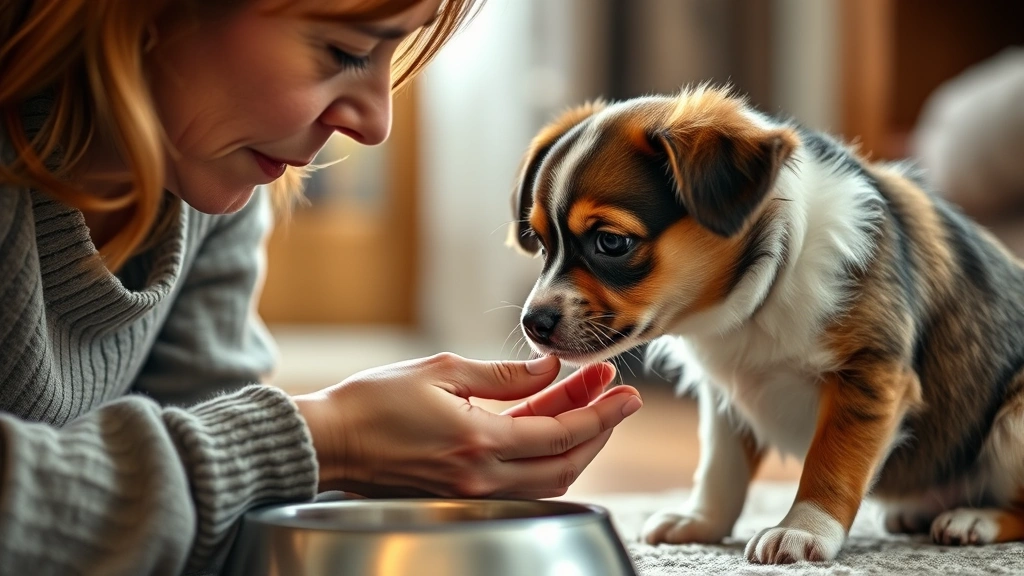
If you’ve noticed decreasing pet food intake in your furry friend lately, you’re not alone—and honestly, it can be more stressful than finding a matching sock in the laundry. Your pet’s appetite is basically their way of saying “I’m doing great!” or “Something’s up, buddy.” When that appetite tank starts running on empty, it’s time to put on your detective hat and figure out what’s going on.
Table of Contents
- Understanding Why Your Pet’s Appetite Is Taking a Nosedive
- Solution #1: Rule Out Medical Issues First
- Solution #2: Switch Up the Menu (Strategically)
- Solution #3: Address Stress and Environmental Factors
- Solution #4: Optimize Feeding Practices and Meal Timing
- Solution #5: Enhance Nutrition and Consider Supplementation
- When to Get Serious About Vet Visits
- Practical Tips You Can Implement Today
- The Bottom Line on Decreasing Pet Food Intake
- Frequently Asked Questions
Whether your dog suddenly turned their nose up at their favorite kibble or your cat’s treating meals like an optional social event, reduced pet food consumption deserves your attention. The good news? We’ve got five solid solutions that actually work, plus some insider knowledge about when to panic and when to chill.
Understanding Why Your Pet’s Appetite Is Taking a Nosedive
Before we jump into solutions, let’s talk about why pets decide to go on spontaneous hunger strikes. Your pet’s appetite can tank for reasons ranging from the mundane (they’re bored with the same old flavor) to the serious (underlying health issues). The key is knowing the difference between “my pet is being picky” and “my pet needs a vet visit ASAP.”
Common culprits include stress, dietary boredom, dental problems, digestive issues, or environmental changes. Maybe you switched brands, moved to a new house, or brought home a new family member. Pets are creatures of habit—shake up their routine, and their food bowl might become about as appealing as gym class.
Solution #1: Rule Out Medical Issues First
Here’s the unsexy truth: before you get creative with pet cuisine, you need to eliminate health problems. Dental disease, infections, gastrointestinal issues, and metabolic disorders are common reasons for reduced appetite in pets. A vet can do a quick check-up and run bloodwork if needed.
If your pet is showing other signs like lethargy, vomiting, diarrhea, or weight loss, this isn’t the time for home experiments. Get them to a veterinarian. For convenience, consider a remote vet consultation if you need quick guidance before an in-person visit.
Pro tip: Keep a food diary for a few days before your vet appointment. Note what they ate, how much, and any other behavioral changes. Vets love this stuff—it’s like giving them the cheat codes to diagnosis.
Solution #2: Switch Up the Menu (Strategically)
Your pet might just be bored. Imagine eating the exact same meal every single day for years. Sounds like culinary prison, right? Rotating proteins and flavors can reignite interest in meals.
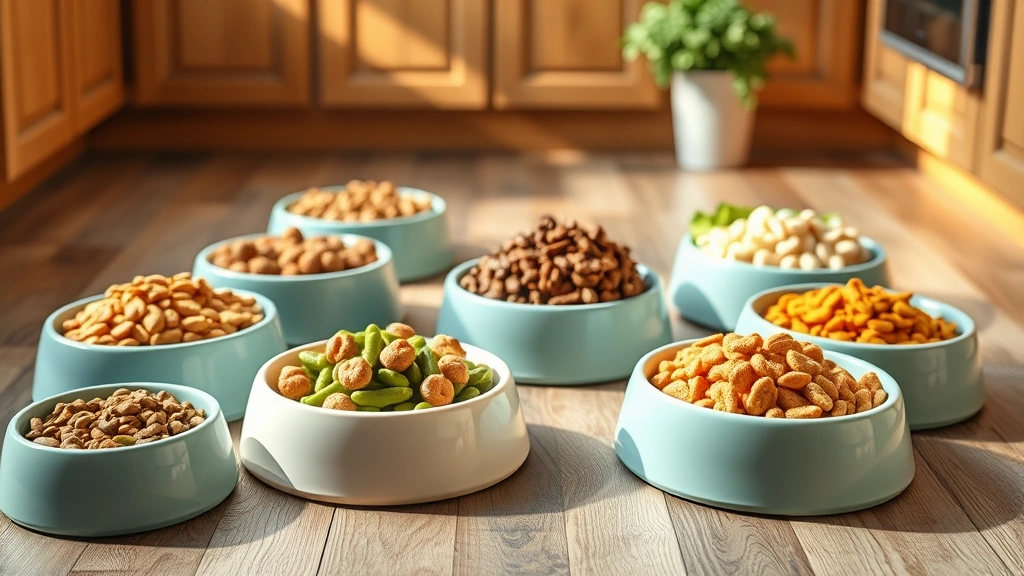
If you’re changing food, do it gradually over 7-10 days to avoid digestive upset. Mix increasing amounts of the new food with the old stuff until the transition is complete. Try different proteins (chicken, beef, fish, lamb), textures (wet, dry, raw), or brands. Some pets prefer warm food—try heating it slightly to release those appetizing aromas.
Consider adding healthy toppers like bone broth, pumpkin puree, or plain cooked vegetables. These additions can make meals feel like an exciting event rather than a boring obligation. Just keep portions balanced so your pet doesn’t pack on extra pounds from all the fancy extras.
Solution #3: Address Stress and Environmental Factors
Stressed pets don’t eat well. If there’s been a major life change—new pet, moving, loud construction, or schedule changes—your pet might be too anxious to focus on food. Anxiety-related poor appetite in pets is surprisingly common and often overlooked.
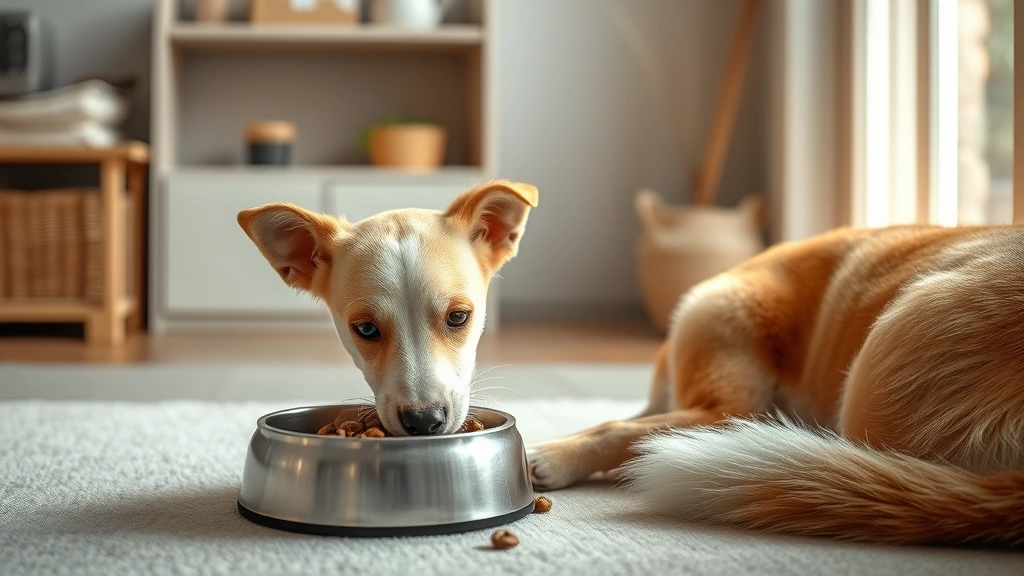
Create a calm feeding environment away from chaos and competition. Feed them at consistent times in a quiet space. If you have multiple pets, feed them separately to reduce stress and prevent food guarding. Environmental enrichment like puzzle feeders, toys, and interactive play can reduce overall anxiety.
For pets dealing with significant stress, pet stress supplements containing ingredients like L-theanine or ashwagandha might help. Additionally, behavioral support supplements can provide extra help during transitions. Always consult your vet before adding supplements to ensure they won’t interact with any medications.
Solution #4: Optimize Feeding Practices and Meal Timing
Sometimes the problem isn’t the food—it’s how and when you’re serving it. Pets thrive on routine. Feed them at the same times each day, and they’ll develop a proper hunger schedule. Leaving food out all day trains pets to graze, which can lead to picky eating when meal times become structured.
Portion sizes matter too. Overfeeding treats or giving too many snacks throughout the day kills appetite for actual meals. Treats should make up no more than 10% of daily calories. If your pet is snacking constantly, you’re basically pre-filling their tank before dinner time.
Try the “meal window” approach: put food down for 15-20 minutes, then remove it whether eaten or not. This creates urgency and helps establish healthy eating patterns. Most healthy pets will eat when they’re actually hungry.
Solution #5: Enhance Nutrition and Consider Supplementation
If your pet is eating less but still needs proper nutrition, make sure what they do eat is nutrient-dense and appealing. Higher-quality foods with better palatability might encourage better intake. Look for foods with named meat proteins (chicken, not “poultry by-product”) and minimal fillers.
A pet multivitamin can help fill nutritional gaps if your pet is going through a period of reduced intake. This is especially important if weight loss accompanies the appetite decrease. Check out our pet supplement dosage guidance to ensure you’re giving the right amounts.
During seasonal changes or stress periods, immune boosting supplements for winter can support overall health when appetite is compromised. However, supplements aren’t a replacement for addressing the underlying cause—they’re support players, not the main event.
When to Get Serious About Vet Visits
Not all appetite changes warrant panic, but some absolutely do. If your pet stops eating for more than 24 hours, loses weight rapidly, or shows signs of illness alongside reduced appetite, call your vet immediately. Cats are especially sensitive—they can develop serious liver problems if they don’t eat for a few days.
Other red flags include: vomiting, diarrhea, lethargy, excessive drooling, bad breath, or difficulty chewing. These symptoms suggest something beyond simple pickiness and need professional evaluation.
Practical Tips You Can Implement Today
Start small and be patient. Change one variable at a time so you can actually figure out what works. If you switch food AND add supplements AND change feeding times all at once, you won’t know which change helped.
Keep meals positive and pressure-free. Don’t force your pet to eat or make a big fuss if they skip a meal. That just creates negative associations with food. Let them come to the bowl naturally.
Track progress. Note appetite improvements, energy levels, and overall behavior. This information is gold for your vet and helps you understand what actually makes a difference for your specific pet.
The Bottom Line on Decreasing Pet Food Intake
Addressing decreasing pet food intake requires a systematic approach: rule out medical issues, optimize their environment, make meals interesting, and provide proper nutrition. Most appetite problems resolve with simple adjustments, but persistent issues need veterinary attention.
Your pet’s appetite is a window into their overall health and happiness. Pay attention to changes, act thoughtfully, and don’t hesitate to bring in the professionals when something feels off. With these five proven solutions and a little detective work, you’ll likely have your pet back to enthusiastically diving into their food bowl in no time.
Frequently Asked Questions
How long should I wait before calling the vet about decreased appetite?
If your pet skips one meal, it’s usually fine. If they skip meals for more than 24 hours, especially cats, contact your vet. If there are other symptoms (lethargy, vomiting, weight loss), don’t wait—call immediately. When in doubt, it’s always better to check with a professional.
Can stress really cause pets to stop eating?
Absolutely. Stress and anxiety are significant appetite suppressants in pets, just like in humans. Major changes like moving, new pets, or schedule shifts can trigger stress-related appetite loss. Creating a calm environment and addressing the stressor usually helps normalize eating patterns.
Is it okay to free-feed my pet instead of scheduled meals?
Free-feeding works for some pets but encourages picky eating in others. Scheduled meals create structure and help you monitor intake. If your pet has a medical condition requiring consistent food intake, scheduled feeding is definitely better. It also helps with weight management and housetraining.
Should I add water to dry kibble to make it more appealing?
Yes, adding water, bone broth, or warm food can make kibble more appetizing and easier to digest. Just ensure the liquid is pet-safe and doesn’t contain added salt or harmful ingredients. This works especially well for senior pets with dental issues.
What’s the difference between picky eating and a medical appetite problem?
Picky eaters are usually healthy, energetic, and maintain weight—they just want tastier food. Medical appetite problems come with weight loss, lethargy, or other symptoms. Picky eaters will usually eat when truly hungry, while pets with medical issues may refuse food entirely.





