
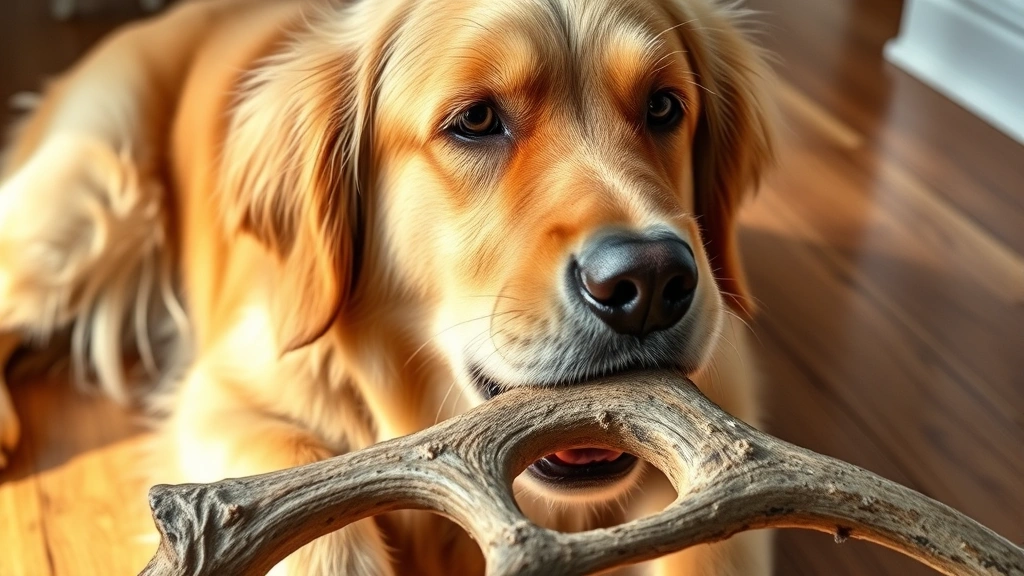
Deer antlers for dogs have become one of the most popular natural chew toys on the market, and honestly, it’s easy to see why—they’re basically nature’s perfect dog treat. But before you load up your cart with shed antlers, let’s talk about whether these gnarly chew toys are actually safe for your furry friend, what benefits they offer, and how to use them responsibly.
Table of Contents
- What Are Deer Antlers for Dogs, Anyway?
- The Real Benefits: Why Dogs Actually Love These Things
- Safety Concerns: The Real Talk
- Which Dogs Should Avoid Deer Antlers?
- How to Safely Introduce Deer Antlers to Your Dog
- Antler Size Matters: Matching Your Dog
- Comparing Antlers to Other Natural Chew Options
- Signs Your Dog Isn’t Handling Antlers Well
- The Sustainability and Ethical Side
- Budget-Friendly Chewing: Cost Comparison
- Frequently Asked Questions
- Final Thoughts: Are Deer Antlers Right for Your Dog?
What Are Deer Antlers for Dogs, Anyway?
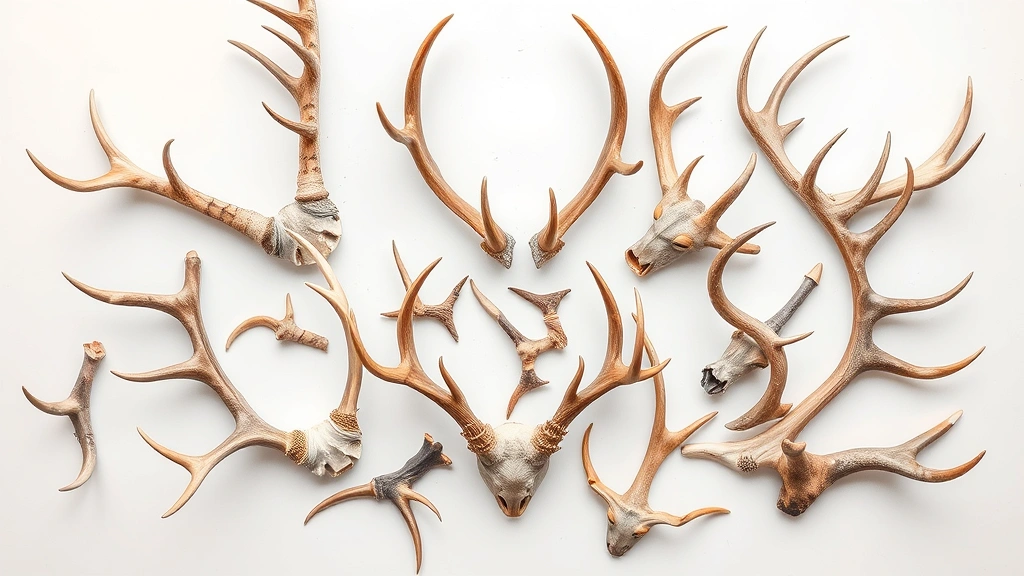
Deer antlers, also called elk antlers or moose antlers depending on the source, are naturally shed antlers collected from wild deer populations. Unlike synthetic chew toys, these are 100% real bone material that dogs have been chewing on for centuries (well, not literally these specific antlers, but you get the idea). They’re typically harvested after the animals naturally shed them, making them a sustainable and cruelty-free option. The antlers are usually cleaned, sometimes split lengthwise to expose the marrow inside, and packaged for sale. Some are left whole, while others are cut into smaller pieces for different-sized dogs.
The Real Benefits: Why Dogs Actually Love These Things
Your dog’s obsession with single ingredient natural treats like deer antlers isn’t just random—there’s actual science behind it. First, there’s the mental stimulation factor. Dogs are natural chewers, and giving them an appropriate outlet for that instinct keeps them mentally engaged and reduces destructive behaviors like chewing your furniture (you’re welcome, couch). Second, the act of chewing itself promotes dental health by naturally scraping away plaque and tartar buildup. It’s like a toothbrush, except your dog actually wants to use it.
Third, and this is the big one for many dog owners, deer antlers keep dogs occupied for hours. If you’ve got a bored pup who’s driving you up the wall, a good antler chew session can buy you some peaceful quiet time. Plus, they’re meat-based treats for dogs that provide natural protein and minerals like calcium and phosphorus. Unlike processed treats loaded with artificial ingredients, antlers are literally just bone—no fillers, no mystery meat byproducts, no weird preservatives.
Safety Concerns: The Real Talk
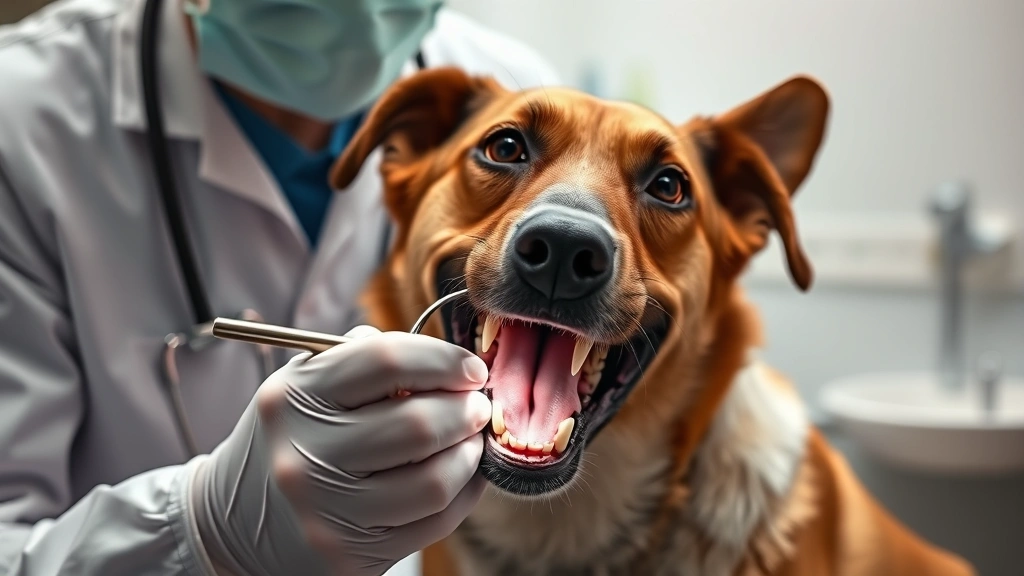
Here’s where we need to pump the brakes and be honest about potential risks. Deer antlers are hard—like, really hard. We’re talking harder than many dog teeth. This means there’s a legitimate risk of dental fractures, especially in dogs with already compromised teeth or aggressive chewers who go full caveman mode. According to AAFCO guidelines, treats should be appropriately sized and durable for the individual dog’s chewing style.
There’s also the choking hazard to consider. As the antler gets smaller and your dog gnaws it down, there’s a risk they could swallow large chunks or splinters. Additionally, some dogs experience digestive upset from consuming antler pieces, leading to vomiting or constipation. In rare cases, blockages have occurred that required veterinary intervention. This is why pet food safety is absolutely crucial when introducing any new chew.
Which Dogs Should Avoid Deer Antlers?
Not every dog should have access to deer antlers. Puppies with developing teeth should skip them entirely. Senior dogs with dental disease or missing teeth should probably avoid them too. Dogs with a history of digestive issues, inflammatory bowel disease, or those on restricted diets need to get vet approval first. Aggressive chewers who demolish toys in minutes are also high-risk candidates for dental damage and blockages.
If your dog has a tendency toward resource guarding or gets overly possessive with food items, antlers might create behavioral problems or increase tension in multi-dog households. And obviously, if your dog has had previous reactions to chews or treats, err on the side of caution.
How to Safely Introduce Deer Antlers to Your Dog
Start small. Literally. If you’re new to this, get a smaller antler piece rather than a massive whole shed. Let your dog investigate it without pressure. Some dogs take to them immediately; others need time to figure out what this weird thing is.
Supervise the first few chewing sessions. Watch how aggressively your dog chews and whether they try to swallow large chunks. If they’re a power chewer who treats everything like it’s their last meal, antlers might not be the best fit. Set time limits—maybe 15-30 minutes at a time rather than leaving it out all day. This reduces the risk of digestive issues and gives you a chance to monitor things.
Store antlers properly between chewing sessions. Keep them in a cool, dry place away from moisture, which can promote bacterial growth. And here’s a pro tip: if your dog is really going to town on an antler and it’s getting down to a tiny nub, remove it before it becomes a choking hazard. You can save those little pieces for broth or discard them.
Antler Size Matters: Matching Your Dog
A Great Dane needs a completely different antler situation than a Chihuahua. For small dogs (under 20 pounds), look for smaller pieces or antler chews specifically sized for them. Medium dogs (20-60 pounds) can usually handle standard antler pieces. Large and giant breed dogs can handle bigger antlers, but watch out—their powerful jaws might demolish them faster than you’d expect.
The general rule is that the antler should be too large for your dog to swallow whole. If your dog can fit the entire thing in their mouth, it’s too small. You want them to gnaw and work at it, not inhale it.
Comparing Antlers to Other Natural Chew Options
How do deer antlers stack up against other organic pet treats and chew options? Bully sticks are softer and easier to digest, making them safer for some dogs, but they’re also more expensive and can smell pretty funky. Yak chews (like Himalayan dog chews) are another popular option—they’re harder than bully sticks but softer than antlers, and they’re fully digestible. Rawhide chews are generally not recommended by veterinarians due to choking and blockage risks.
Compared to synthetic rubber toys, antlers provide actual nutritional value and are more environmentally friendly. But they do carry more risk of dental damage. It really comes down to your individual dog’s needs, chewing style, and any pre-existing health conditions.
Signs Your Dog Isn’t Handling Antlers Well
Keep an eye out for red flags. Excessive drooling, difficulty chewing on one side, or reluctance to eat hard food might indicate a cracked tooth. Vomiting, constipation, loss of appetite, or abdominal pain could signal digestive issues. If your dog seems lethargic or uncomfortable after chewing, that’s a sign to stop and call the vet about food or chew-related concerns.
Some dogs develop an obsessive relationship with antlers, chewing them compulsively to the point of self-injury. If you notice your dog’s gums bleeding or their mouth becoming raw, remove the antler and give their mouth a break.
The Sustainability and Ethical Side
One reason many pet owners love deer antlers is because they’re a sustainable product. Unlike some other animal-based treats, antlers are naturally shed—no animals are harmed in the process. The antlers are simply collected from the ground where deer have naturally dropped them. This makes them an organic pet treat option that aligns with ethical sourcing practices.
However, make sure you’re buying from reputable sources. Some sketchy sellers might use antlers from hunted animals or source them unethically. Look for companies that can trace their antler sourcing and verify that they’re genuinely shed antlers, not harvested from animals.
Budget-Friendly Chewing: Cost Comparison
Deer antlers typically cost between $10-$30 depending on size, though you might find bulk deals. Since a single antler can last weeks or even months depending on your dog’s chewing intensity, they’re actually pretty economical compared to buying new toys constantly. They’re definitely cheaper than multiple vet visits for broken teeth or blockages, just saying.
Frequently Asked Questions
Are deer antlers safe for dogs to chew?
Deer antlers are generally safe for most healthy adult dogs when supervised and appropriately sized. However, they do carry risks of dental fractures and digestive issues in some dogs. Always supervise initial use and consult your vet if your dog has dental disease, digestive issues, or is an extremely aggressive chewer.
Can deer antlers cause blockages in dogs?
While blockages are rare, they can happen if a dog swallows large chunks or splinters. This is more likely in dogs with aggressive chewing styles or those prone to gulping food without proper chewing. Supervise chewing sessions and remove the antler when it becomes a small nub.
How long do deer antlers last?
This varies dramatically based on your dog’s size and chewing intensity. A small dog might enjoy an antler for several weeks, while a large aggressive chewer might demolish it in a few days. On average, expect 1-4 weeks of regular chewing.
What’s the difference between deer, elk, and moose antlers?
They’re all basically the same product—naturally shed antlers from different deer species. Moose antlers are the largest, elk antlers are medium-large, and deer antlers are smaller. Choose based on your dog’s size and chewing style.
Can puppies have deer antlers?
It’s best to wait until puppies have their adult teeth before introducing antlers, usually around 6-7 months old. Puppies’ teeth are still developing, and the hardness of antlers could cause damage. Softer chew options are better for young pups.
Do deer antlers help clean dogs’ teeth?
Yes, the mechanical action of chewing antlers does help scrape away plaque and tartar, promoting dental health. However, they shouldn’t replace regular dental care and professional cleanings when needed.
Final Thoughts: Are Deer Antlers Right for Your Dog?
Deer antlers for dogs can be a fantastic natural chew option—IF your dog is a good candidate. They’re sustainable, long-lasting, nutritious, and provide excellent mental enrichment. But they’re not a one-size-fits-all solution. Consider your dog’s individual health status, chewing style, and any pre-existing conditions. Start slowly with supervision, watch for warning signs, and don’t hesitate to consult your vet if you have concerns.
The bottom line? When used responsibly with the right dog, deer antlers are a solid addition to your chew toy rotation. Just make sure you’re making an informed decision based on your specific pup’s needs, not just because they’re trendy at the pet store.





