
A defrosting schedule for raw food is absolutely crucial if you’re feeding your furry friend a raw diet—and honestly, it’s way more important than most pet parents realize. Thawing raw meat improperly can turn your kitchen into a bacterial playground faster than you can say “foodborne illness.” Whether you’re into BARF (Biologically Appropriate Raw Food) or just dabbling in fresh feeding, getting the thaw timing right means the difference between a thriving pup and a trip to the emergency vet.
Table of Contents
- Why Your Defrosting Method Actually Matters
- The Refrigerator Method: The Gold Standard
- Cold Water Bath: When You’re in a Time Crunch
- Thawing in the Microwave: The Last Resort
- Never, Ever Use Room Temperature
- Planning Your Weekly Defrosting Schedule
- Portion Control and Defrosting Size
- Storage After Thawing: The Countdown Begins
- Seasonal Considerations and Temperature Fluctuations
- Combining Raw Feeding with Supplements and Variety
- Signs Your Thawed Food Has Gone Bad
- Making the Transition to Raw: Timing Matters
- Frequently Asked Questions
- Summary: Making Defrosting Your Raw Feeding Foundation
Why Your Defrosting Method Actually Matters
Here’s the thing: raw meat sitting at room temperature is basically a five-star resort for nasty bacteria like E. coli, Salmonella, and Listeria. These pathogens multiply like rabbits in a warm environment, and your dog’s stomach acid isn’t always the superhero we hope it is. The USDA and pet nutrition experts (including those at PetMD) are pretty clear about this—safe thawing isn’t optional, it’s essential. When you’re planning your BARF diet feeding frequency, you’ve got to build in proper defrosting time or risk contaminating both your pet and your household.
The Refrigerator Method: The Gold Standard
If you’ve got time on your side, the refrigerator is your best friend. Move your frozen raw food from the freezer to the fridge 24-48 hours before feeding time. Yep, that’s right—patience is literally the safest approach. At temperatures between 35-40°F, bacteria growth slows to a crawl, and your meat thaws evenly without any hot spots where pathogens could party. This method is especially important if you’re rotating between different rotating protein sources throughout the week. Pro tip: place the frozen food on a lower shelf to prevent any drips onto other food items.
Cold Water Bath: When You’re in a Time Crunch
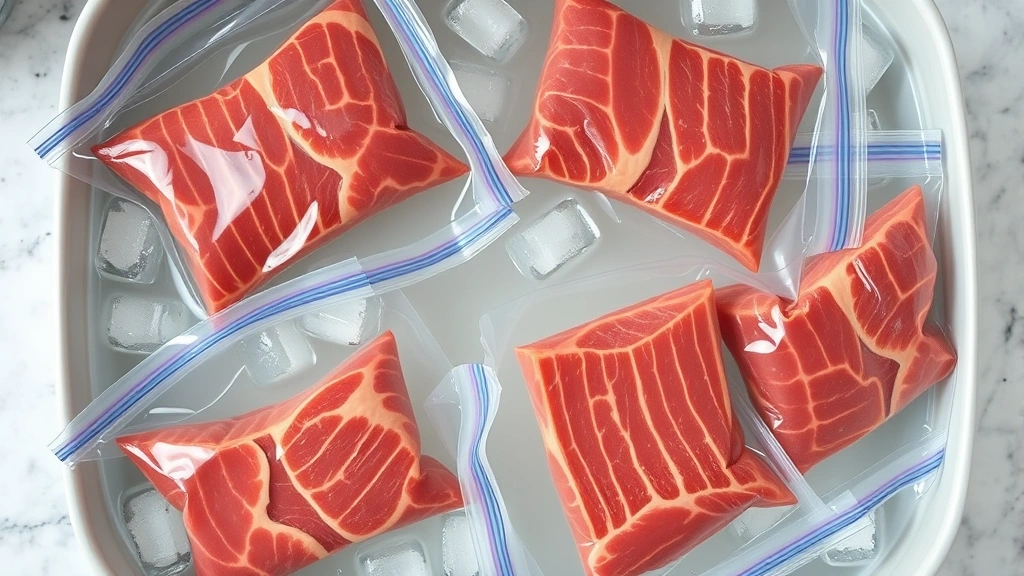
Sometimes life happens and you forget to move that chicken from the freezer. No judgment—we’ve all been there. The cold water bath method is your backup plan. Seal your raw food in a leak-proof bag (seriously, don’t skip this step) and submerge it in cold water. Change the water every 30 minutes to keep it cold. Most portions will thaw in 1-2 hours depending on size. It’s faster than the fridge method but still keeps bacteria growth minimal. Just remember: this only works if you’re actually changing that water regularly, not just hoping for the best.
Thawing in the Microwave: The Last Resort
Look, we all know microwaves exist, but they’re the least ideal option for raw meat. Using the defrost setting can create uneven thawing, with some parts getting warm while others stay frozen—hello, bacterial multiplication! If you absolutely must use a microwave, use the lowest power setting and check frequently. Better yet, plan ahead so you never have to resort to this. It’s like eating gas station sushi—technically possible, but why would you?
Never, Ever Use Room Temperature
This deserves its own section because it’s that important. Room temperature thawing is basically asking for trouble. Bacteria double in number every 20 minutes in the “danger zone” (40-140°F), which means your beautiful raw meal becomes a petri dish in no time. Your dog might seem fine eating contaminated food (they have stronger stomach acid than humans), but they can still get sick, shed bacteria in their poop, and potentially spread it to your family members. Not worth the risk, trust us.
Planning Your Weekly Defrosting Schedule
Here’s where strategy comes in. If you’re feeding your dog raw food regularly, you need a system. Sunday night prep is a game-changer: move Monday’s portion to the fridge, keep Tuesday’s in the freezer, and so on. This approach works beautifully with fresh food feeding routine plans. Create a simple calendar on your fridge showing what needs to move from freezer to fridge each day. It sounds tedious, but once you’re in the groove, it becomes second nature. Plus, you’ll never scramble at dinner time wondering what your pup’s eating.
Portion Control and Defrosting Size
The size of your portions affects thawing time significantly. A 2-pound chicken breast takes longer to thaw than 4 ounces of ground beef. Most vets recommend feeding 2-3% of your dog’s body weight daily, so plan your portions accordingly. Smaller, individual portions actually thaw faster and are easier to manage. Consider pre-portioning your raw food into meal-sized amounts before freezing—it’s a game-changer for busy pet parents. This strategy pairs perfectly with mixed diet feeding approaches where you might be combining different proteins.
Storage After Thawing: The Countdown Begins
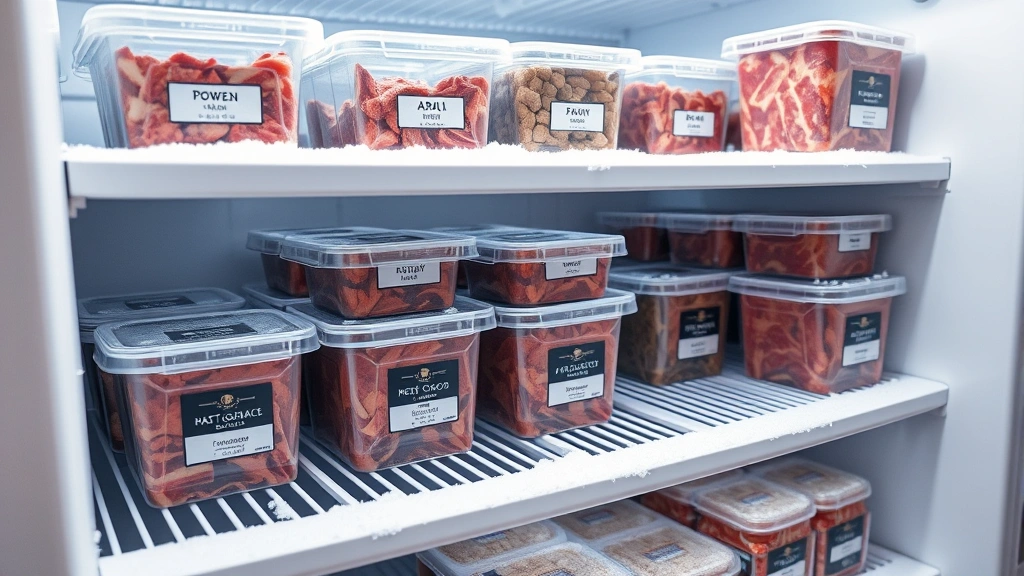
Once your raw food is thawed, you’re working against the clock. Thawed raw meat should be fed within 24-48 hours maximum. Don’t re-freeze thawed raw food—that’s just asking for bacterial growth and quality degradation. If your pup doesn’t finish their meal within 15-20 minutes, remove it from the bowl. Leaving raw food sitting out is basically the opposite of everything we’ve discussed. Store thawed portions in the coldest part of your fridge, usually the back of the bottom shelf.
Seasonal Considerations and Temperature Fluctuations
Here’s something people don’t think about: seasons matter. Summer heat can affect how quickly food thaws, and winter cold might slow things down. If you’re thawing in a cold water bath during winter, the water might stay colder longer, requiring fewer changes. During summer, you might need to change the water more frequently or stick exclusively to fridge thawing. Keep a thermometer in your fridge to ensure it’s staying at the right temperature—it should be 35-40°F consistently. Some raw feeders even invest in a separate freezer for pet food to maintain better temperature control.
Combining Raw Feeding with Supplements and Variety
When you’re incorporating raw diet supplementation, your defrosting schedule becomes part of a bigger nutritional picture. If you’re adding organ meats, bone, or supplements, make sure everything thaws together if possible. This ensures your dog gets balanced nutrition at each meal. Some pet parents thaw their main protein separately from organ meats and bones, which is fine as long as you’re keeping proper timing on everything. The goal is consistency and safety working hand-in-hand.
Signs Your Thawed Food Has Gone Bad
Even with perfect planning, sometimes things go wrong. Trust your senses: if the meat smells off, has a slimy texture, or looks discolored beyond normal, don’t feed it. Your nose is actually pretty good at detecting bacterial growth. When in doubt, throw it out—your vet bills will be way higher than the cost of replacing the food. Freezer burn (those white crystalline spots) isn’t dangerous but indicates quality degradation, so older frozen food should be used first.
Making the Transition to Raw: Timing Matters
If you’re new to raw feeding, your defrosting schedule becomes even more critical because you’re establishing a routine your dog’s digestive system will rely on. Check out our guide on pet food transition schedule to understand how to introduce raw food gradually while maintaining safe thawing practices. A smooth transition combined with proper food safety sets your dog up for success.
Frequently Asked Questions
How long does it take to thaw raw dog food in the refrigerator?
Most raw dog food portions thaw in 24-48 hours in the refrigerator, depending on size. Smaller portions (under 2 pounds) typically thaw in 24 hours, while larger portions might need the full 48 hours. Plan accordingly by moving food from freezer to fridge the day before you intend to feed it.
Can I thaw raw dog food at room temperature?
Absolutely not. Room temperature thawing allows bacteria to multiply rapidly in the danger zone (40-140°F). This increases the risk of foodborne illness for both your dog and your family. Always use refrigerator or cold water bath methods instead.
Is it safe to refreeze thawed raw dog food?
No, refreezing thawed raw meat is not recommended. This can promote bacterial growth and quality degradation. Once thawed, you should feed the food within 24-48 hours or discard it. Plan your portions carefully to avoid waste.
What’s the fastest safe way to thaw raw dog food?
The cold water bath method is fastest, typically thawing food in 1-2 hours when you change the water every 30 minutes. Keep the food in a sealed, leak-proof bag and use cold water only—never warm water, as that promotes bacterial growth.
How long can thawed raw dog food sit in the refrigerator?
Thawed raw dog food should be used within 24-48 hours of thawing. Don’t leave it sitting in the fridge longer than this, as bacterial growth increases over time. If you won’t use it within 48 hours, discard it.
Should I thaw different proteins separately?
You can thaw them together or separately—it’s really about convenience. If you’re feeding a mix of proteins in one meal, thawing together is fine. Some pet parents prefer thawing organ meats separately to ensure proper portion control and nutritional balance.
Summary: Making Defrosting Your Raw Feeding Foundation
A solid defrosting schedule for raw food isn’t just about convenience—it’s about keeping your dog healthy and safe. Whether you choose the slow-and-steady refrigerator method or the faster cold water bath approach, the key is planning ahead and never, ever taking shortcuts with room temperature thawing. Build your weekly schedule around your feeding plan, portion your food appropriately, and always trust your senses when evaluating thawed meat. Raw feeding can be incredibly beneficial for your dog’s health and vitality, but it only works when food safety is your top priority. Your pup is counting on you to get this right, and honestly, once you establish your routine, it becomes second nature. Now go forth and thaw responsibly!





