
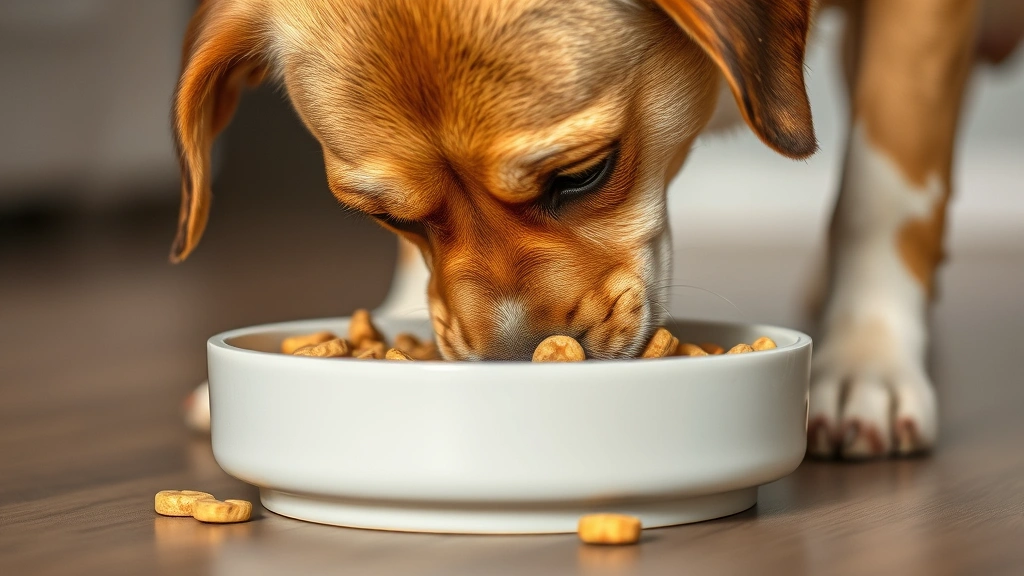
Your pet’s smile is more than just cute—dental health feeding practices are absolutely crucial for their overall wellbeing, and honestly, most pet parents are getting it totally wrong. We’re talking about the difference between a dog that can enjoy their golden years pain-free versus one dealing with tooth decay, gum disease, and potentially life-threatening infections. The good news? You can fix this starting today.
Table of Contents
- Why Dental Health Feeding Practices Matter More Than You Think
- Tip #1: Choose Dry Food Over Wet Food for Better Oral Hygiene
- Tip #2: Incorporate Teeth-Cleaning Ingredients Into Daily Meals
- Tip #3: Balance Calcium and Phosphorus Ratios Properly
- Tip #4: Avoid Hidden Sugars and Problematic Additives
- Tip #5: Implement Strategic Feeding Timing and Frequency
- The Role of Professional Supplementation in Dental Health
- Water Quality and Hydration’s Impact on Dental Health
- Recognizing When Professional Dental Care is Necessary
- Creating a Sustainable Long-Term Dental Health Plan
- Frequently Asked Questions
Why Dental Health Feeding Practices Matter More Than You Think
Here’s the thing nobody tells you at the pet store: what goes into your pet’s mouth directly impacts their teeth and gums. Bad dental health feeding practices can lead to plaque buildup, tartar accumulation, and periodontal disease that affects not just their mouth, but their heart, kidneys, and liver too. Studies show that by age three, most dogs have some form of dental disease. That’s wild, right? But it’s preventable with proper nutrition and feeding strategies.
When you optimize your pet’s diet for oral health, you’re essentially building a fortress around those chompers. Certain foods and nutrients actively fight against bacterial growth, while others actually accelerate decay. This is where understanding proper oral care feeding strategies becomes your secret weapon.
Tip #1: Choose Dry Food Over Wet Food for Better Oral Hygiene
This might seem obvious, but the science backs it up hard. Dry kibble creates a natural abrasive action against teeth surfaces, similar to how brushing works. When your pet chews dry food, they’re essentially giving themselves a mini dental cleaning with every meal. Wet food? It clings to teeth like dental plaque’s best friend, creating the perfect environment for bacterial growth.

That said, not all dry foods are created equal. Look for kibble that’s specifically formulated with dental health in mind. Some premium brands include ingredients like calcium, phosphorus, and polyphosphates that actively reduce tartar formation. Your pet’s pet multivitamins should also support bone and dental health—it’s all connected.
The texture matters too. Larger kibble sizes require more chewing action, which means more mechanical cleaning. Smaller kibble that gets swallowed whole? Not doing your pet any favors.
Tip #2: Incorporate Teeth-Cleaning Ingredients Into Daily Meals
Raw carrots, apples (without seeds), and certain vegetables aren’t just healthy snacks—they’re nature’s toothbrushes. The fibrous texture helps scrape away plaque while you’re feeding your pet something nutritious. Just avoid anything too sticky or sugary, because yeah, pets can get cavities too.

Some pet parents swear by adding a small amount of coconut oil to their pet’s food. There’s legitimate research showing coconut oil has antimicrobial properties that fight the bacteria responsible for dental disease. Even a teaspoon a few times weekly can make a difference.
Another game-changer? Bone broth. It’s packed with collagen and minerals that support gum health. Just make sure it’s pet-safe and free of onions, garlic, and excessive sodium. This is where quality matters—invest in brands that actually care about your pet’s health.
Tip #3: Balance Calcium and Phosphorus Ratios Properly
Your pet’s teeth are made of calcium and phosphorus, so you’d think loading up on both would be the answer. Wrong. The ratio is what matters. A proper balance (typically around 1.2:1 calcium to phosphorus) supports strong tooth development and maintenance. Too much phosphorus? It actually interferes with calcium absorption, weakening teeth and bones.

This is especially important for growing puppies and kittens. Their developing teeth need the right mineral balance to form correctly. If you’re feeding homemade diets, you absolutely need to consult with a veterinary nutritionist. Most homemade diets are dangerously imbalanced in ways that sabotage dental health.
Commercial foods from reputable manufacturers already have this balanced, but check the label anyway. It’s printed right there in the guaranteed analysis section.
Tip #4: Avoid Hidden Sugars and Problematic Additives
This one’s sneaky. Many pet foods marketed as “healthy” contain hidden sugars and sweeteners that feed the bacteria causing dental disease. Your pet doesn’t need sugar—ever. Period. Yet some treats and even some wet foods contain corn syrup, molasses, or artificial sweeteners that wreak havoc on oral health.
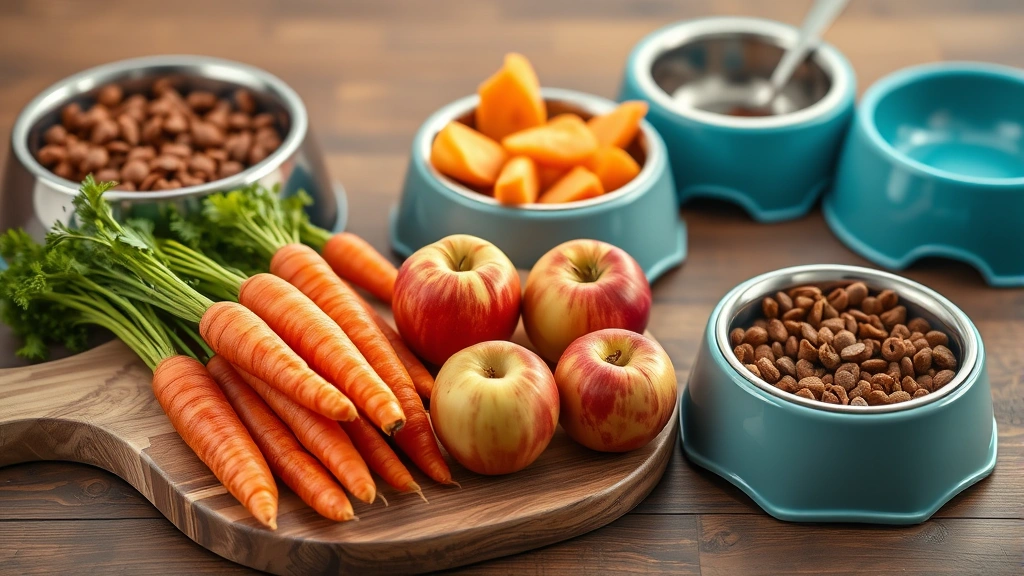
Read ingredient lists like you’re decoding a secret message. If you see sugar, corn syrup, honey, or anything ending in “-ose,” skip it. Your pet’s teeth will thank you. This is especially critical if your pet already has sensitive stomach supplements in their routine—you want to avoid adding inflammatory ingredients.
Artificial colors and flavors? Also unnecessary and potentially problematic. Stick with simple, recognizable ingredients. Your pet doesn’t care if their food is colorful—they care about how it makes them feel.
Tip #5: Implement Strategic Feeding Timing and Frequency
How often and when you feed your pet impacts dental health more than most people realize. Constant grazing throughout the day means constant exposure to food particles and bacterial growth. Scheduled feeding times (typically twice daily for adult pets) are better for oral health because they limit the window for bacterial activity.

After meals, your pet’s mouth naturally cleanses itself through saliva production. But if food is constantly available, this natural cleaning process never gets a chance to work. Plus, scheduled feeding makes it easier to monitor what your pet is actually eating and catch any changes in appetite that might signal dental problems.
Feeding at consistent times also helps with digestion and overall health. It’s a win-win situation that most pet parents overlook.
The Role of Professional Supplementation in Dental Health
Sometimes diet alone isn’t enough, especially for senior pets or those predisposed to dental issues. This is where professional grade pet supplements come in. Supplements specifically formulated for oral health can include probiotics that fight harmful bacteria, enzymes that break down plaque, and minerals that strengthen teeth.

Probiotics are particularly fascinating because they establish beneficial bacteria in your pet’s mouth, crowding out the harmful strains that cause disease. It’s like having a microscopic security team protecting your pet’s teeth 24/7.
When considering supplements, proper pet supplement dosage guidance is essential. More isn’t better—it’s just more expensive and potentially harmful. Work with your vet to determine what your specific pet needs.
Water Quality and Hydration’s Impact on Dental Health
Here’s something nobody talks about: your pet’s water quality affects their teeth. Fluoridated water can help strengthen enamel, but excessive fluoride causes problems. Most municipal water supplies have appropriate levels, but if you’re using filtered or distilled water, your pet might be missing out on these natural protective minerals.
Proper hydration also keeps saliva production optimal. Saliva is basically your pet’s natural mouthwash, constantly working to neutralize acids and wash away bacteria. A dehydrated pet has reduced saliva production, which means increased risk of dental disease. Make sure your pet always has access to fresh water.
Recognizing When Professional Dental Care is Necessary
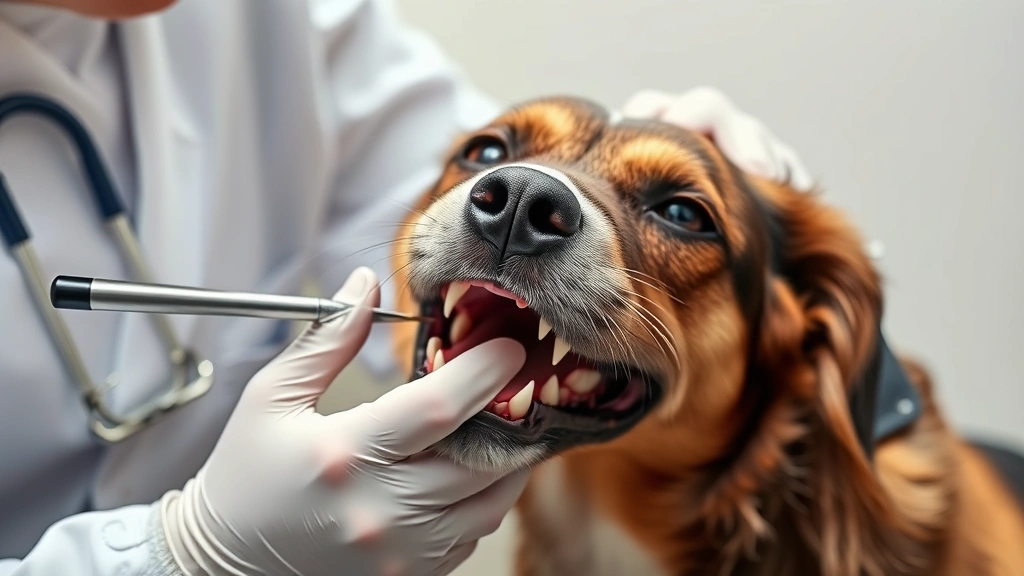
Even with perfect dental health feeding practices, some pets need professional dental cleanings. This isn’t failure—it’s just reality for some animals. Signs that professional intervention is needed include bad breath (worse than normal pet breath), visible tartar buildup, difficulty eating, drooling, or swollen gums.
Professional cleanings remove tartar below the gumline where your pet’s diet can’t reach. This is crucial preventative care. The American Veterinary Medical Association recommends regular dental exams as part of routine preventative care, similar to how you visit the dentist annually.

Don’t put off professional cleanings because you’re worried about anesthesia. Modern veterinary anesthesia is incredibly safe, and the risks of untreated dental disease far outweigh the minimal risks of a professional cleaning.
Creating a Sustainable Long-Term Dental Health Plan
The best dental health feeding practices are the ones you’ll actually stick with long-term. Creating a sustainable plan means finding solutions that fit your lifestyle and budget. Maybe that’s switching to premium dry food, maybe it’s adding certain vegetables to meals, maybe it’s supplements—the key is consistency.
Track what works for your pet. Some pets respond amazingly to certain feeding practices while others don’t. Your vet can help you monitor progress through regular dental exams, which should be part of your pet’s annual wellness visits.

Remember, dental health feeding practices aren’t separate from overall health—they’re foundational to it. A pet with healthy teeth lives longer, experiences less pain, and maintains better quality of life in their senior years. That’s worth the effort.
Frequently Asked Questions
Can I feed my pet only wet food and still maintain good dental health?
Technically yes, but it’s much harder. Wet food doesn’t provide the abrasive action that helps clean teeth. If you prefer wet food, you’ll need to compensate with more frequent professional cleanings, daily tooth brushing, and possibly dental supplements. Ideally, mix wet and dry food—dry kibble for the cleaning action, wet food for palatability and nutrition.
What’s the best age to start implementing good dental health feeding practices?
Start immediately, even with puppies and kittens. Proper nutrition from the beginning prevents problems rather than trying to fix them later. Young pets with good feeding practices rarely develop dental disease as adults. It’s so much easier to prevent than to treat.

Are dental treats actually effective?
Some are, some aren’t. Look for treats that require significant chewing and avoid those with added sugars or artificial ingredients. The VOHC (Veterinary Oral Health Council) seal indicates a treat has been tested and proven effective. However, treats should supplement, not replace, proper diet and feeding practices.
How often should I brush my pet’s teeth if I’m following good feeding practices?
Ideally daily, but realistically, most pet parents manage 3-4 times weekly. Good dental health feeding practices reduce the urgency of daily brushing but don’t eliminate the need entirely. Even with perfect diet, brushing removes plaque in ways food alone cannot.
Can senior pets benefit from changing their feeding practices?
Absolutely. Senior pets often have existing dental issues, but improving feeding practices can prevent further deterioration and reduce pain. Work with your vet to adjust diet appropriately—sometimes softer foods are necessary if teeth are compromised, but they should still be nutritionally optimized for oral health.
What should I do if my pet has severe dental disease already?
Professional veterinary intervention is necessary. Good feeding practices help prevent future problems but can’t reverse existing disease. Your vet might recommend extraction of severely damaged teeth, professional cleaning, or antibiotics if infection is present. After treatment, proper feeding practices prevent recurrence.





