
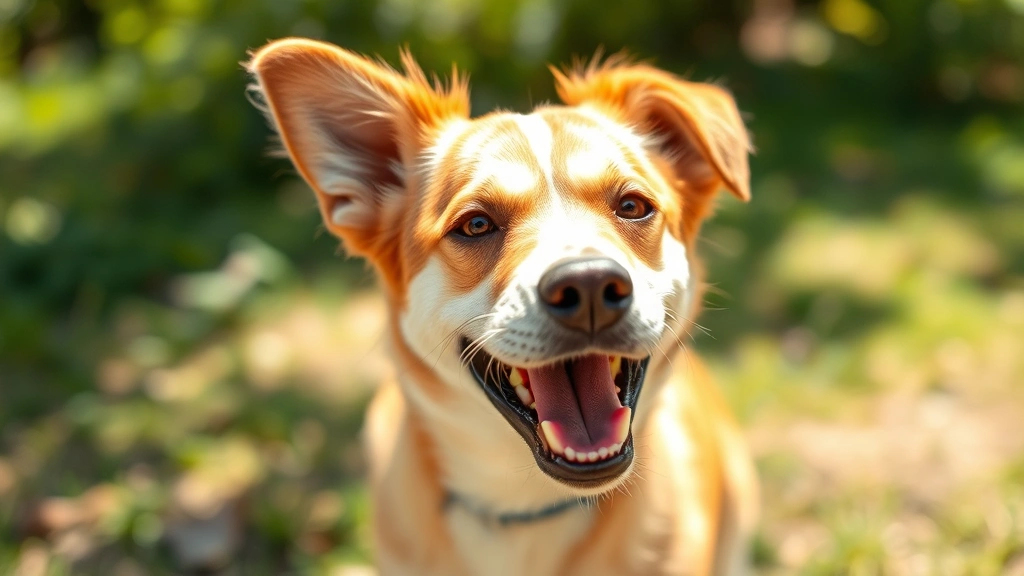
If you’ve heard someone call their pup a “devil dog,” you might think they’re talking about a mischievous troublemaker—and honestly, you’re not entirely wrong. But the real story behind the devil dog meaning is way more interesting than just “my dog ate my couch.” It’s a blend of military history, folklore, breed characteristics, and pure canine personality. Whether you’re curious because your own dog is living up to the name or you just stumbled across the term, let’s dig into what makes a dog earn this cheeky label.
The Military Origin of “Devil Dogs”
Here’s where it gets genuinely cool: the term “devil dog” has roots in U.S. Marine Corps history. During World War I, German soldiers allegedly called American Marines “Teufel Hunden” (devil dogs) after witnessing their fierce fighting spirit and relentless determination in combat. The Marines loved it so much they adopted the nickname themselves. It became a badge of honor—a symbol of toughness, loyalty, and unwavering commitment to the mission.
By extension, the term eventually crossed over into everyday dog language. It started being used to describe dogs with similar traits: fearless, energetic, loyal to a fault, and absolutely unstoppable once they set their mind to something. Think of it as the canine equivalent of a Marine—all heart, all guts, and ready for anything.
This military connection is why you’ll still hear dog owners use “devil dog” affectionately for their most spirited, determined companions. It’s not an insult; it’s respect wrapped in a cheeky grin.
Which Breeds Get Called Devil Dogs?
Not all dogs earn the “devil dog” title equally. Some breeds are practically born to the role. Pit bulls, American Staffordshire Terriers, and other bull-type breeds frequently get tagged with this label—though often unfairly, thanks to outdated stereotypes. In reality, any dog with high drive, intense energy, and a stubborn streak can become a devil dog.
According to the American Kennel Club, terriers as a whole tend toward this personality type. They were originally bred to hunt small prey with fierce determination, and that genetic wiring doesn’t just disappear because they’re now living in your house. Terriers, Jack Russell Terriers especially, are notorious for their “devil dog” antics—digging, chewing, and getting into everything.
Other breeds commonly labeled devil dogs include:
- Husky and Malamute mixes – Those sled dog genetics mean boundless energy and a “what’s the worst that could happen?” attitude
- Beagles – Hunting dogs with noses that override their brains
- Boxers – Playful, powerful, and absolutely convinced they’re lap dogs
- Australian Shepherds – Herding drive means they’ll “herd” your furniture if you’re not careful
- Mixed breeds with unknown backgrounds – Sometimes the most unpredictable ones are the spiciest
But here’s the real talk: devil dog meaning isn’t strictly about breed. It’s about personality. A calm, well-socialized pit bull isn’t a devil dog. A hyperactive, untrained Chihuahua absolutely is. It’s the combination of energy, intelligence, stubbornness, and that “I do what I want” attitude that seals the deal.
Why Your Dog Might Be a “Devil Dog”
So what exactly makes a dog deserve this title? It’s usually a constellation of behaviors and traits that, when combined, create absolute chaos in the best possible way.
Unstoppable Energy: Devil dogs don’t just have energy—they have the kind of energy that makes you exhausted watching them. They wake up ready for action and don’t wind down until bedtime (if then). A 30-minute walk? Cute. They’re ready for round two before you’ve caught your breath.
Mischievous Intelligence: These dogs aren’t dumb. If anything, they’re too smart for their own good. They figure out how to open cabinet doors, escape from crates, and orchestrate elaborate schemes to steal your sandwich off the counter. They understand cause and effect, and they’re willing to take risks to get what they want.
Selective Obedience: Devil dogs hear you just fine. They simply choose to ignore you when something more interesting is happening. You call “come!” and they’re suddenly very focused on that interesting smell three yards away. It’s not defiance exactly—it’s more like they’re evaluating whether your request is worth their time.
Destructive Tendencies: Your couch isn’t a couch to them; it’s a chew toy. Your shoes are squeaky toys. Your garden is a digging opportunity. They don’t destroy things out of malice—they’re just exploring the world with their mouths and paws, and your belongings happen to be in the way.
The PetMD team notes that many of these behaviors stem from insufficient exercise and mental stimulation. A bored devil dog is a destructive devil dog. Give them an outlet, and they’re actually pretty manageable.
Fearlessness: Devil dogs don’t have much of an off switch when it comes to confrontation or new experiences. They’ll charge at a much larger dog, jump off a deck, or eat something they absolutely shouldn’t. This lack of self-preservation instinct keeps their owners on their toes.
Loyalty That’s Almost Annoying: Here’s the flip side—despite all the chaos, devil dogs are fiercely loyal. They’d walk through fire for their person. They’re clingy, protective, and absolutely convinced that wherever you are is where they need to be. Even when you’re in the bathroom. Especially then.
Devil Dogs in Pop Culture & Snacks

The devil dog meaning extends beyond just dog behavior. If you grew up in the U.S., you might know “Devil Dogs” as the chocolate snack cake made by Little Debbie—two soft chocolate cakes with a creamy filling in the middle. They’ve been around since 1952 and are basically the chocolate equivalent of a devil dog: indulgent, a little bit bad for you, and impossible to resist.
The name choice was brilliant marketing. “Devil Dog” evokes something fun, slightly naughty, and irresistible—exactly what you want in a snack. The term has that playful edge that makes it memorable.
In movies and TV, devil dogs have become a trope. The scrappy underdog (pun intended) who shouldn’t win but does anyway. The loyal companion who saves the day despite being written off as troublemakers. Think of how many films feature a “problem dog” that turns out to be the hero. That’s the devil dog archetype—underestimated, underappreciated, but absolutely essential when it counts.
Managing Your Own Devil Dog at Home
If you’ve got an actual devil dog living with you, you already know this isn’t easy. These dogs require a specific approach—one that respects their intelligence and energy while establishing clear boundaries.
Exercise is Non-Negotiable: This isn’t optional. A devil dog needs at least an hour of vigorous exercise daily, and that’s the bare minimum for many. Running, fetching, swimming, or structured play sessions aren’t luxuries—they’re survival tools. A tired devil dog is a well-behaved devil dog. An under-exercised one will redecorate your home in creative ways.
Mental Stimulation Matters as Much as Physical: These dogs need to use their brains. Puzzle toys, training sessions, scent work, or interactive games keep their minds engaged. When they’re mentally stimulated, they’re less likely to invent their own entertainment (which usually involves your belongings).
Secure Your Space: Devil dogs are escape artists and destructive geniuses. Invest in quality crates, baby gates, and secure fencing. Don’t leave tempting items lying around. Make your home devil-dog-proof because they will find and exploit every weakness.
Establish Consistent Rules: These dogs respect structure. If jumping on people is sometimes okay and sometimes not, they’ll be confused. Pick your rules and stick to them religiously. They need to understand the boundaries, even if they don’t always respect them.
Use Positive Reinforcement: Devil dogs respond better to rewards than to punishment. They’re motivated by food, toys, and praise. When they do something right, make it worth their while. When they do something wrong, redirect rather than punish.
Training Tips for the Mischievous Pup
Training a devil dog is like trying to teach a toddler who’s had three espressos. It’s possible, but you need patience, consistency, and a sense of humor.
Start Early and Be Patient: The younger you start, the better. But even adult devil dogs can learn—they just need motivation. Keep training sessions short (5-10 minutes) because their attention span is shorter than a goldfish’s at a rave.
Find Their Currency: What does your devil dog absolutely love? Is it treats? Toys? Praise? Figure out what motivates them and use it liberally during training. Some devil dogs will do anything for a specific treat; others are toy-obsessed.
Work on Impulse Control: This is crucial. Sit before getting the leash. Wait before going through the door. These small exercises teach them that good things come to those who can control themselves. It’s the foundation for everything else.
Teach a Solid “Leave It” Command: Devil dogs eat things. Lots of things. Teaching them to drop or leave items on command could literally save their life. Practice with low-value items first, then work up to high-value ones.
Invest in Professional Help if Needed: There’s no shame in hiring a trainer who specializes in high-drive dogs. A good trainer can give you tools and strategies tailored to your specific devil dog’s personality and quirks.
According to research from the National Center for Biotechnology Information, positive reinforcement training is significantly more effective than aversive methods, especially for dogs with strong personalities. Devil dogs respond better when they feel like training is their idea.
Energy Levels & Health Considerations
Devil dogs aren’t just high-energy—they often have the metabolism to match. This comes with both benefits and challenges.
Metabolic Needs: High-energy dogs burn calories faster than couch potatoes. They might need more food or higher-quality nutrition to maintain their weight and health. Talk to your vet about appropriate portions and feeding schedules.
Joint Stress: All that running, jumping, and playing puts stress on joints. Devil dogs are prone to injuries if they overdo it or if they’re overweight. Maintain a healthy weight, avoid high-impact activities on hard surfaces when possible, and consider joint supplements as they age.
Heat Sensitivity: Some devil dog breeds (especially those with short coats or brachycephalic features) are sensitive to heat. Exercise during cooler parts of the day, provide plenty of water, and watch for signs of overheating.
Behavioral Issues from Frustration: Under-exercised devil dogs develop behavioral problems—not because they’re bad dogs, but because they’re frustrated. Anxiety, aggression, and destructiveness are often symptoms of unmet needs rather than character flaws.
The American Veterinary Medical Association recommends regular veterinary check-ups for high-energy dogs to catch any issues early. Devil dogs are prone to injuries and need preventative care to stay healthy.
Mental Health Matters: Devil dogs can develop anxiety, especially if they’re separated from their people. They bond intensely and can struggle with alone time. Some benefit from anti-anxiety medication or behavioral modification, especially if they’re destructive when left alone.
Frequently Asked Questions
Is “devil dog” a specific breed?
– No. “Devil dog” is a personality descriptor, not a breed. Any dog with high energy, intelligence, and a stubborn streak can earn the label. It’s more about temperament than genetics, though certain breeds (terriers, bull breeds, herding dogs) are more likely to fit the profile.
Are devil dogs dangerous?
– Not inherently. A well-trained, properly exercised devil dog is no more dangerous than any other dog. The problem arises when their energy and intelligence aren’t channeled appropriately. An under-stimulated devil dog becomes destructive and potentially dangerous, but that’s an environmental issue, not a breed or personality flaw.
Can you train a devil dog to be calm?
– You can train them to have better impulse control and to settle on command, but you can’t fundamentally change their nature. A devil dog will always be high-energy. The goal is to manage that energy constructively, not eliminate it. Think of it like trying to make a sports car drive like a sedan—possible with the right conditions, but fighting against their nature.
What’s the best living situation for a devil dog?
– Ideally, a home with space to run, access to outdoor areas, and an owner who understands their needs. A devil dog in an apartment with a sedentary owner is a recipe for disaster. They need active families who can commit to daily exercise and mental stimulation. That said, what is the devil dog really comes down to matching the dog’s needs with the owner’s lifestyle.
Do devil dogs make good family pets?
– Yes, absolutely—but with caveats. They’re loyal, protective, and often great with kids (their playfulness matches kids’ energy levels). However, they require experienced owners who understand their needs and can provide appropriate exercise and training. For first-time dog owners or sedentary families, a devil dog might be overwhelming.
Why do some dogs become devil dogs and others don’t?
– Genetics, early socialization, training, and environment all play roles. A dog with high-drive genetics raised by an active owner who provides structure and exercise might be a perfectly behaved companion. The same dog raised by someone who doesn’t meet their needs becomes a chaos agent. What type of dog are you quiz can help you figure out if you’re devil dog material.
Is there medication for devil dog behavior?
– For some dogs, yes. If the behavior stems from anxiety or other medical conditions, medication can help. But medication isn’t a substitute for exercise and training. It’s a tool to use alongside proper management, not instead of it.
How do I know if my dog is a devil dog?
– Ask yourself: Is your dog constantly in motion? Do they have selective hearing when they want something? Have they destroyed multiple items despite your best efforts? Are they fearless and stubborn? Do they bond intensely with their people? If you’re nodding yes to most of these, congratulations—you’ve got a devil dog. If you want to explore your own personality match, what dog breed am I quiz might be fun.

Can devil dogs live with other pets?
– It depends on the individual dog and their socialization history. Some devil dogs are great with other animals; others have high prey drive and see smaller pets as toys. Early socialization helps, but some devil dogs are just wired for solo living. Know your individual dog and manage accordingly.
What should I know about devil dog behavior around smells and rolling?
– Devil dogs are often driven by scent and have less inhibition about rolling in things you find disgusting. This ties into their hunting heritage and their “I don’t care what you think” attitude. If you’re wondering why your devil dog has this behavior, why do dogs roll in dead animals explains the evolutionary reasons. You can’t stop this behavior entirely, but you can manage it with regular baths and keeping them away from temptation. Understanding what smells do dogs not like might help you redirect their behavior toward more acceptable scents.





