
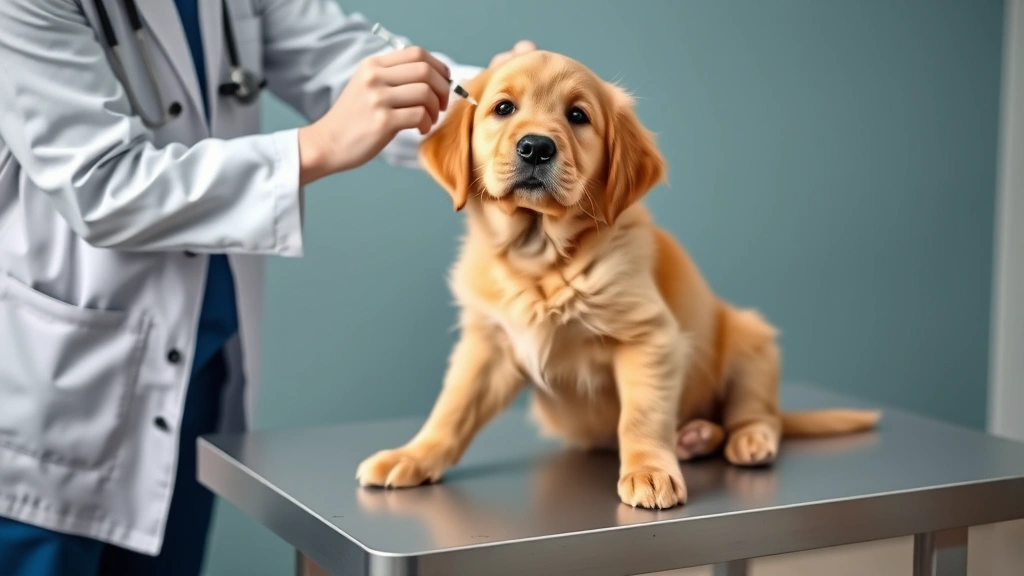
The dhlpp vaccine for dogs is basically your furry friend’s superhero shield against some seriously nasty diseases. If you’re a dog parent, understanding this vaccine is non-negotiable—it’s the difference between a healthy pup and one battling preventable illnesses that could’ve been avoided with a simple shot.
Table of Contents
- What Exactly Is the DHLPP Vaccine?
- Understanding Each Component: DHLPP Breakdown
- Puppy Vaccination Schedule: Getting Started Right
- Adult Dog Booster Requirements and Timing
- Common Side Effects: What’s Normal vs. Concerning
- DHLPP vs. Other Canine Vaccines: What’s the Difference?
- Cost Considerations: What You’ll Pay
- Nutrition and Recovery: Supporting Your Dog Post-Vaccination
- Special Considerations: Senior Dogs and Health Conditions
- Titer Testing: An Alternative to Regular Boosters
- Travel and Boarding Requirements
- Frequently Asked Questions
- Final Thoughts: Protecting Your Pup
What Exactly Is the DHLPP Vaccine?
Let’s break down the alphabet soup. DHLPP stands for Distemper, Hepatitis, Leptospirosis, Parvovirus, and Parainfluenza. Think of it as a five-in-one combo deal at your vet’s office. Instead of getting five separate shots (which would make your dog look like a pincushion), this combination vaccine protects against all five diseases in one go. Pretty efficient, right?
Each letter in DHLPP represents a different viral or bacterial threat that could seriously mess with your dog’s health. The vaccine trains your dog’s immune system to recognize and fight these invaders before they cause real damage. It’s preventative medicine at its finest.
Understanding Each Component: DHLPP Breakdown
Distemper is a highly contagious viral disease that affects the respiratory, gastrointestinal, and nervous systems. Unvaccinated dogs exposed to distemper often don’t survive the infection. It’s genuinely terrifying stuff.
Hepatitis (specifically Canine Adenovirus-1) attacks the liver and can cause organ failure. Dogs with hepatitis might seem fine one day and critically ill the next. Not cool.
Leptospirosis is a bacterial infection that damages kidneys and the liver. Here’s the kicker—it can spread to humans too, making it a zoonotic disease. Your dog could be a disease vector without proper vaccination.
Parvovirus is probably the scariest component. This virus destroys the intestinal lining and immune cells, causing severe vomiting, bloody diarrhea, and dehydration. Puppies and unvaccinated dogs have mortality rates that’ll keep you up at night.
Parainfluenza is a respiratory virus that contributes to kennel cough. While usually not fatal, it’s incredibly annoying and highly contagious in multi-dog environments.
Puppy Vaccination Schedule: Getting Started Right
Puppies need multiple doses of the DHLPP vaccine because their maternal antibodies interfere with vaccine effectiveness. Most vets recommend starting the series at 6-8 weeks of age, then boosting every 3-4 weeks until the puppy reaches 16 weeks old.
A typical puppy schedule looks like this: first shot at 6-8 weeks, second at 10-12 weeks, third at 14-16 weeks, and a final booster at 1 year. After that first year, your dog gets a booster every 1-3 years depending on your vet’s recommendation and local laws.
Don’t skip doses thinking it’s no big deal. Each vaccination builds immunity, and incomplete series leave gaps in protection. Your puppy is vulnerable during this window, so stick to the schedule religiously.
Adult Dog Booster Requirements and Timing
Once your dog reaches adulthood, the DHLPP vaccine for dogs requires regular boosters to maintain immunity. Most veterinarians recommend annual or triennial (every three years) boosters, though some newer research suggests every three years might be sufficient for low-risk dogs.
The frequency depends on several factors: your dog’s lifestyle, local disease prevalence, whether they travel, and if they visit dog parks or boarding facilities. A dog that stays home mostly has different risk factors than one who’s constantly around other pups.
Your vet will discuss what’s best for your specific situation. Don’t just assume yearly boosters are necessary—have a conversation about your dog’s actual risk profile. Some vets are moving toward titer testing (checking antibody levels) instead of automatic boosters.
Common Side Effects: What’s Normal vs. Concerning
Most dogs handle the DHLPP vaccine beautifully. Some mild reactions include soreness at the injection site, slight lethargy, or a low-grade fever. Your dog might be a bit grumpy for 24-48 hours—totally normal.
More serious (but rare) reactions include allergic responses, facial swelling, hives, or vomiting. If your dog shows these signs within hours of vaccination, contact your vet immediately. Anaphylaxis is rare but possible, so don’t ignore severe symptoms.
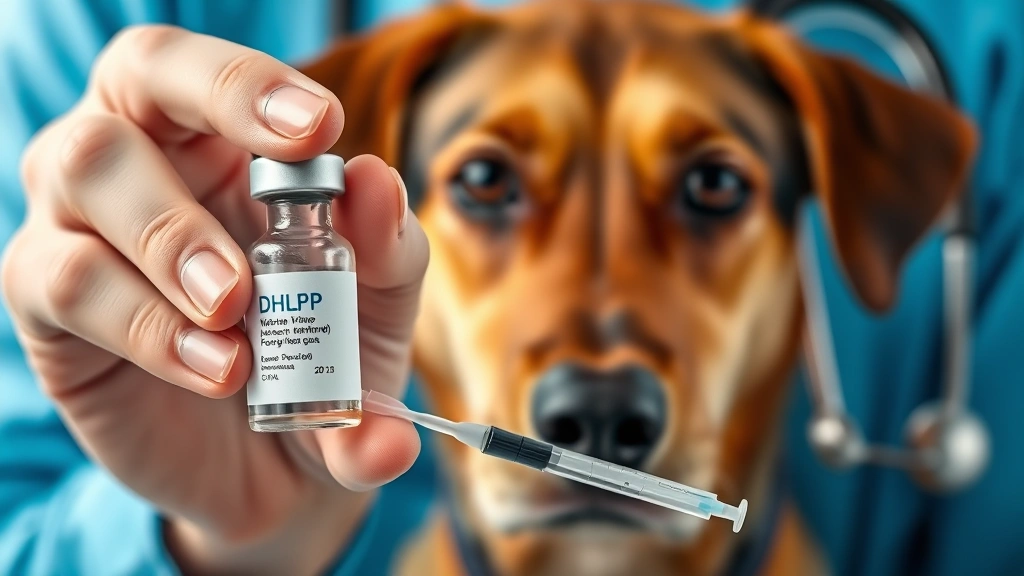
Some dogs develop a small lump at the injection site that disappears within weeks. This is just the body’s inflammatory response and nothing to panic about. However, if a lump persists beyond a few weeks, mention it to your vet at the next visit.
DHLPP vs. Other Canine Vaccines: What’s the Difference?
The DHLPP is considered a core vaccine—meaning every dog should get it regardless of lifestyle. Non-core vaccines like Bordetella (kennel cough), Lyme disease, and Rabies are optional depending on risk factors and local requirements.
Rabies is actually legally required in most places, but it’s often given separately from the DHLPP. Some vets offer combination shots that include Rabies plus DHLPP, while others administer them separately to reduce the number of vaccines given at once.
The core vs. non-core distinction exists because DHLPP diseases are widespread and serious. Your dog will likely encounter exposure risk at some point, making universal vaccination essential. Non-core vaccines target specific risks based on geography and lifestyle.
Cost Considerations: What You’ll Pay
DHLPP vaccine costs typically range from $20-$50 per shot, though this varies by location and veterinary clinic. Puppies needing multiple doses in their first year might spend $100-$200 just on DHLPP vaccination. Annual boosters add another $25-$50 to your yearly vet expenses.
Some clinics offer package deals for puppy vaccination series, and low-cost clinics might charge significantly less. Don’t let cost deter you from vaccinating—the expense of treating distemper, parvovirus, or hepatitis far exceeds vaccination costs. We’re talking thousands of dollars in emergency vet care.
Check if your pet insurance covers vaccination costs. Some plans reimburse preventative care, which could offset expenses. Also, ask your vet about payment plans if cost is a genuine barrier.
Nutrition and Recovery: Supporting Your Dog Post-Vaccination
After vaccination, your dog’s immune system is working hard. Supporting their recovery with proper nutrition helps optimize vaccine response. Consider offering vet-approved human foods for pets that boost immunity, like plain cooked chicken or sweet potatoes.
Some dogs experience mild appetite changes after vaccination. This usually resolves within 24 hours. If your dog refuses food for more than a day or shows other concerning symptoms, contact your vet.
Anti-inflammatory foods for pets can help if your dog seems sore at the injection site. Omega-3 rich foods support immune function and reduce inflammation naturally.
Ensure your dog has fresh water available at all times. Hydration supports the immune system’s ability to develop antibodies in response to the vaccine. Some vets recommend light exercise for a day or two after vaccination—nothing strenuous, just normal play.
Special Considerations: Senior Dogs and Health Conditions
Senior dogs might have different vaccination needs than younger adults. If your older dog has underlying health conditions, discuss vaccination timing and frequency with your vet before assuming annual boosters are appropriate.
Dogs with compromised immune systems, certain allergies, or previous vaccine reactions need individualized vaccination plans. Your vet might recommend spacing vaccines out or using alternative products designed for sensitive dogs.
Pregnant or nursing dogs shouldn’t receive live vaccines, though the DHLPP is typically inactivated (dead virus). Still, discuss timing with your vet if you’re planning to breed your dog. Puppies receive maternal antibodies from nursing, which affects their vaccination schedule.
Titer Testing: An Alternative to Regular Boosters
Titer testing measures antibody levels in your dog’s blood to determine if immunity is still present. Instead of automatically boosting every year or three years, some owners opt for titer testing to see if their dog actually needs a booster.
This approach appeals to owners concerned about over-vaccination, though the veterinary consensus supports regular boosters as safe and necessary. Titer testing is more expensive than a booster shot, so it’s not always cost-effective unless you’re specifically trying to minimize vaccine exposure.
If you’re interested in titer testing, discuss it with your vet. They can explain whether it makes sense for your dog’s situation and help you understand the results.
Travel and Boarding Requirements
Planning to travel with your dog or leave them at a boarding facility? Most require proof of current DHLPP vaccination. Boarding kennels especially are sticklers about this because diseases spread rapidly in multi-dog environments.
Keep vaccination records handy and request a copy from your vet for your files. Many facilities now accept digital records, but having physical documentation never hurts. If you’re traveling internationally, check destination requirements—some countries have specific vaccination rules.
Boarding facilities often require additional vaccines like Bordetella (kennel cough) even if DHLPP is up-to-date. Plan ahead and schedule appointments well before travel dates to avoid last-minute stress.
Frequently Asked Questions
Is the DHLPP vaccine safe for all dogs?
The DHLPP vaccine is safe for the vast majority of dogs. Serious adverse reactions are rare. However, dogs with severe allergies, certain medical conditions, or previous vaccine reactions should discuss options with their vet. Your veterinarian can assess your individual dog’s risk factors and make appropriate recommendations.
Can I give my dog treats after vaccination?
Yes, you can offer healthy snack alternatives for dogs after vaccination. Some dogs feel under the weather temporarily, so high-value treats might be rejected. Wait a few hours and offer something your dog loves if they seem interested in eating.
What happens if I miss a booster appointment?
If you’re only a few weeks late, your vet will typically just give the booster without restarting the series. If you’re significantly overdue (varies by vet and local law), you might need to restart the vaccination series. Contact your vet to clarify—don’t assume it’s fine to be late.
Can dogs eat chicken after the DHLPP vaccine?
Absolutely! Dogs can eat chicken after vaccination. Plain cooked chicken is actually an excellent protein source that supports immune function during recovery. Avoid seasoning and bones, and offer it in appropriate portions.
How long does DHLPP immunity last?
This depends on the specific disease component and individual dog factors. Generally, immunity lasts 1-3 years, which is why boosters are recommended at those intervals. Some newer research suggests immunity might last longer for certain components, but regular boosters remain the standard recommendation.
Is DHLPP required by law?
DHLPP itself isn’t legally required, but Rabies vaccination is required in most jurisdictions. However, DHLPP is so important for dog health that most vets strongly recommend it, and many facilities require proof of vaccination. Check your local regulations.
Final Thoughts: Protecting Your Pup
The DHLPP vaccine for dogs is one of the most important health investments you’ll make as a dog owner. These five diseases are serious, potentially fatal, and entirely preventable with proper vaccination. Your dog depends on you to make informed health decisions, and getting the DHLPP vaccine is one of the easiest ways to keep them safe.
Work with your veterinarian to develop an appropriate vaccination schedule for your dog’s age, lifestyle, and health status. Keep vaccination records organized and current. Stay on top of booster appointments. And remember—preventing disease is always easier and less expensive than treating it.
Your dog’s health is worth the investment. Get them vaccinated, keep them protected, and enjoy many healthy years together.





