

A diabetic pet feeding schedule is literally the difference between your furry friend thriving and just surviving with diabetes. If your vet just handed you a diabetes diagnosis and said “feed them twice a day,” you’re probably wondering what the heck that actually means in real life. Spoiler alert: it’s way more nuanced than just dumping kibble in a bowl at 8 AM and 6 PM.
Table of Contents
- Understanding Why Timing Matters for Diabetic Pets
- Tip #1: Coordinate Feeding Times with Insulin Injections
- Tip #2: Choose the Right Food for Your Diabetic Pet’s Needs
- Tip #3: Establish a Consistent Daily Routine
- Tip #4: Monitor Blood Sugar Response to Your Schedule
- Tip #5: Plan for Life’s Curveballs (Travel, Illness, Schedule Changes)
- The Role of Preventative Care in Managing Diabetes
- Common Mistakes People Make with Diabetic Pet Feeding
- When to Adjust Your Diabetic Pet Feeding Schedule
- Real Success Stories: What Works in Practice
- Frequently Asked Questions
- Conclusion: Your Diabetic Pet Can Thrive
Managing your pet’s diabetes through proper nutrition timing isn’t rocket science, but it does require some planning, consistency, and honestly, a bit of patience. The good news? Once you nail your diabetic pet feeding schedule, you’ll likely see improvements in blood sugar levels, energy, and overall health. Let’s break down exactly how to do this right.
Understanding Why Timing Matters for Diabetic Pets
Here’s the thing about diabetic pets: their bodies can’t regulate blood sugar the way healthy animals do. When you feed them matters just as much as what you feed them. Your vet probably mentioned insulin injections, and that’s where the magic (and the schedule) comes in.
Most diabetic pets receive insulin injections, and these need to be coordinated with meals. Insulin works by helping cells absorb glucose from the bloodstream, but it works best when there’s actually food being digested. If you inject insulin without feeding your pet shortly after, you risk dangerously low blood sugar (hypoglycemia). That’s the scary stuff you want to avoid.
The timing creates a predictable metabolic pattern. Your pet’s body learns to expect food at certain times, which helps stabilize their blood sugar throughout the day. Think of it like setting an internal clock—consistency is absolutely key.
Tip #1: Coordinate Feeding Times with Insulin Injections
This is the foundation of any successful diabetic pet feeding schedule. Most vets recommend feeding your pet within 30 minutes to an hour before giving an insulin injection, or immediately after injection before the insulin peaks in their system.
Here’s a practical example: if you’re injecting insulin at 8 AM, feed your pet breakfast between 7:30-8:30 AM. The food enters their digestive system right as the insulin starts working, creating perfect synchronization. Same thing for evening injections—if that’s at 6 PM, dinner should happen around 5:30-6:30 PM.
Some vets prefer feeding after injection, and that works too. The key is finding what your vet recommends for your specific pet and sticking to it religiously. Write it on your calendar, set phone reminders, tattoo it on your forehead—whatever keeps you consistent. Seriously, consistency beats perfection every single time.
Tip #2: Choose the Right Food for Your Diabetic Pet’s Needs
Not all pet foods are created equal when it comes to managing diabetes. High-carb diets are basically the enemy here because they cause rapid blood sugar spikes. Your goal is finding food that keeps blood sugar stable.
Most vets recommend either prescription diabetic formulas or high-protein, low-carb commercial diets. Cats especially do better on higher-protein options since they’re obligate carnivores anyway. Dogs have more flexibility but still benefit from lower carbohydrate content.
The veterinarian recommended supplements can complement your pet’s diet, but food quality comes first. Talk to your vet about whether your current food is actually appropriate for a diabetic pet. Sometimes switching to a better option actually helps reduce insulin requirements over time.
Tip #3: Establish a Consistent Daily Routine
Your diabetic pet’s body craves predictability like your cat craves knocking things off counters. The more consistent your diabetic pet feeding schedule, the more stable their blood sugar stays.
This means feeding at the exact same times every single day—yes, even weekends. It means not skipping meals or delaying them because you slept in. It means coordinating with your household so everyone knows the schedule and nobody accidentally feeds your diabetic pet extra treats or snacks.
Create a simple chart and post it on your fridge. Include insulin injection times, feeding times, and any monitoring notes. Make it visible and impossible to ignore. If you have family members helping with pet care, make sure they understand that consistency isn’t optional—it’s medical.
Tip #4: Monitor Blood Sugar Response to Your Schedule
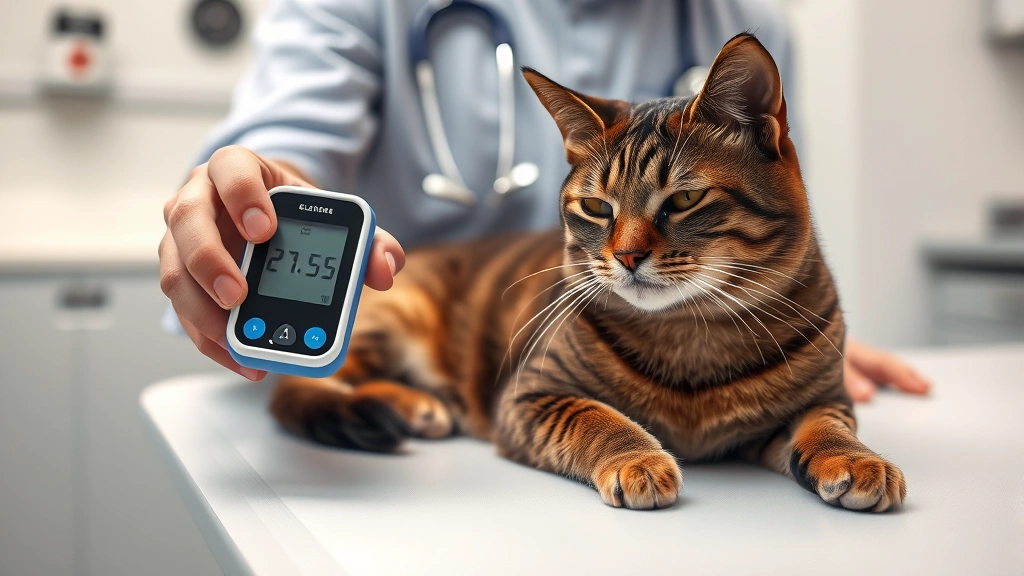
Once you’ve established your diabetic pet feeding schedule, you need to actually track how your pet responds. This is where home blood glucose monitoring becomes your best friend (even though it’s a bit annoying).
Work with your vet to establish a monitoring routine. Some pets need daily checks initially, while others might move to weekly or monthly testing once stable. You’re looking for patterns: are blood sugar levels consistently high? Low? Erratic? These patterns tell you whether your current schedule is working or needs adjustment.
Keep detailed records of feeding times, insulin doses, and blood glucose readings. Yes, this sounds tedious, but it gives your vet actual data to work with. Data beats guessing every single time. Many vets now offer home monitoring kits that make this way easier than it used to be.
Tip #5: Plan for Life’s Curveballs (Travel, Illness, Schedule Changes)
Life happens. You might need to travel, your work schedule might change, or your pet might get sick. A good diabetic pet feeding schedule needs to be flexible enough to handle real life while maintaining the core principle of consistency.
If you’re traveling, plan ahead. Pack enough food and insulin for your trip plus extra. If your work schedule is changing, gradually shift feeding times by 15-minute increments over several days rather than making a dramatic change overnight. Your pet’s body needs time to adjust.
If your pet gets sick or their appetite changes, contact your vet immediately. Illness can affect blood sugar levels and insulin requirements. Don’t just assume your normal schedule will work during health issues.
The Role of Preventative Care in Managing Diabetes
Beyond just feeding schedules, managing a diabetic pet requires comprehensive care. Preventative care supplements can support overall health and potentially help manage diabetes alongside proper nutrition and insulin therapy.
Some pets benefit from pet multivitamins that support metabolic function. Others with sensitive digestive systems might need sensitive stomach supplements to ensure they’re absorbing nutrients properly from their food.
Always check with your vet before adding any supplements. Some can interact with insulin or affect blood sugar levels. Your vet can guide you on appropriate pet supplement dosage guidance if supplements are beneficial for your specific pet.
Common Mistakes People Make with Diabetic Pet Feeding
Let’s talk about what NOT to do. The biggest mistake? Inconsistency. Feeding at random times because “life got busy” absolutely tanks blood sugar stability. Your pet’s pancreas doesn’t care about your schedule—it needs predictability.
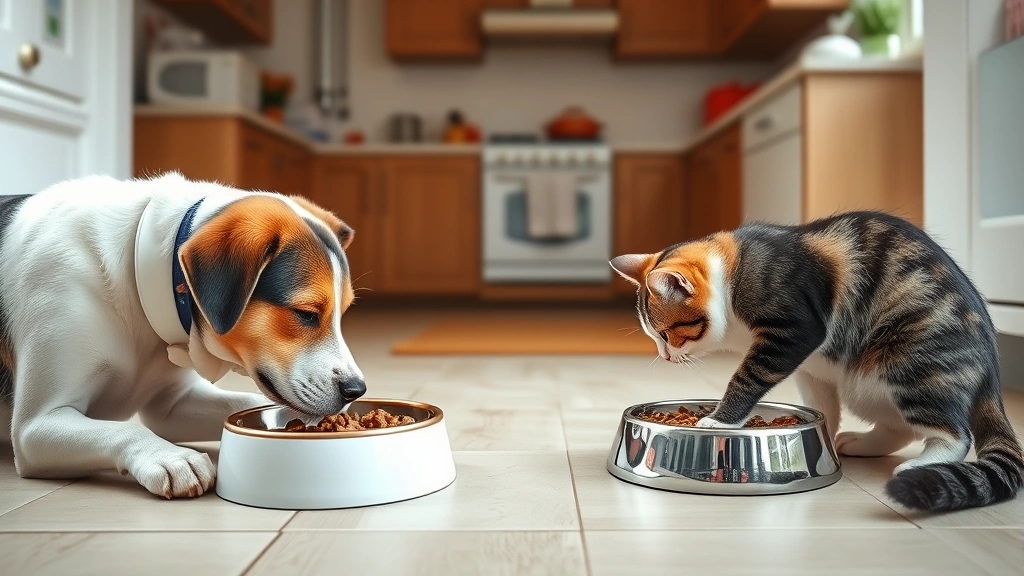
Another huge mistake is free-feeding. Leaving food out all day might work for healthy pets, but diabetic pets need portion control and timed meals. You need to know exactly when they’re eating so you can time insulin accordingly.
People also underestimate the importance of measuring portions. Just eyeballing food amounts leads to overfeeding, which affects blood sugar. Use a measuring cup. Be precise. Your pet won’t resent you for following their medical needs.
And please, don’t give your diabetic pet “just one treat” without accounting for it. Treats have calories and carbs that affect blood sugar. If you want to give treats, plan them into your feeding schedule and adjust portions accordingly.
When to Adjust Your Diabetic Pet Feeding Schedule
Sometimes your initial schedule needs tweaking. Signs that adjustment is needed include consistently high or low blood glucose readings, weight changes, or changes in your pet’s appetite or energy levels.
Work with your vet to make adjustments. Small changes are better than dramatic overhauls. Maybe you shift feeding times by 30 minutes, or adjust portion sizes slightly. Give any changes at least 2-3 weeks before evaluating results—your pet’s body needs time to adapt.
As your pet’s diabetes is managed better, sometimes insulin requirements actually decrease. This is great news, but it means your vet needs to adjust doses regularly. Never change insulin amounts on your own without veterinary guidance.
Real Success Stories: What Works in Practice
Tons of pet owners successfully manage their diabetic pets with proper feeding schedules. Many report that their pets actually go into remission—meaning they no longer need insulin injections. This doesn’t happen by accident; it happens because owners nail their diabetic pet feeding schedule and stick with it religiously.
The key factor in these success stories? Consistency combined with monitoring. Owners who track blood glucose, maintain strict feeding times, and work closely with their vet see the best results. Your pet’s diabetes is manageable. It just requires commitment and organization.
Frequently Asked Questions
How many times a day should I feed a diabetic pet?
Most diabetic pets do well with twice-daily feeding coordinated with insulin injections. Some pets might benefit from three meals, but this needs to align with your insulin schedule. Talk to your vet about what’s best for your specific pet.
Can a diabetic pet ever stop needing insulin?
Yes! Some pets achieve diabetic remission with proper diet, weight management, and consistent feeding schedules. This is more common in cats than dogs, but it’s possible. However, never stop insulin without explicit veterinary guidance.
What should I do if I miss a feeding time?
Don’t panic. Feed your pet as soon as you remember, but don’t double-feed to make up for it. If you’ve already given insulin, feeding late is safer than not feeding at all. Going forward, set phone reminders to prevent this.
Is wet food or dry food better for diabetic pets?
Both can work, depending on the specific food and your pet’s preference. Wet food often has fewer carbs and can help with hydration. Dry food is more convenient. The most important factor is choosing a food appropriate for diabetic pets and sticking with it consistently.
How do I know if my diabetic pet’s feeding schedule is working?
Regular blood glucose monitoring is your answer. You’re looking for stable readings without extreme highs or lows. Your pet should also have good energy levels, stable weight, and normal appetite. Work with your vet to interpret results.
Conclusion: Your Diabetic Pet Can Thrive
Managing a diabetic pet through a proper feeding schedule might seem overwhelming at first, but it becomes second nature quickly. The five essential tips—coordinating with insulin, choosing appropriate food, maintaining consistency, monitoring response, and planning for changes—create the foundation for successful diabetes management.
Your diabetic pet feeding schedule is one of the most powerful tools you have to improve their health and potentially achieve remission. It requires commitment, yes, but the payoff is a healthier, happier pet with stable blood sugar and better quality of life.
Talk to your vet about creating a specific plan for your pet, write everything down, set reminders, and give yourself grace as you learn. You’ve got this, and your pet is lucky to have someone who cares enough to get the details right.





