
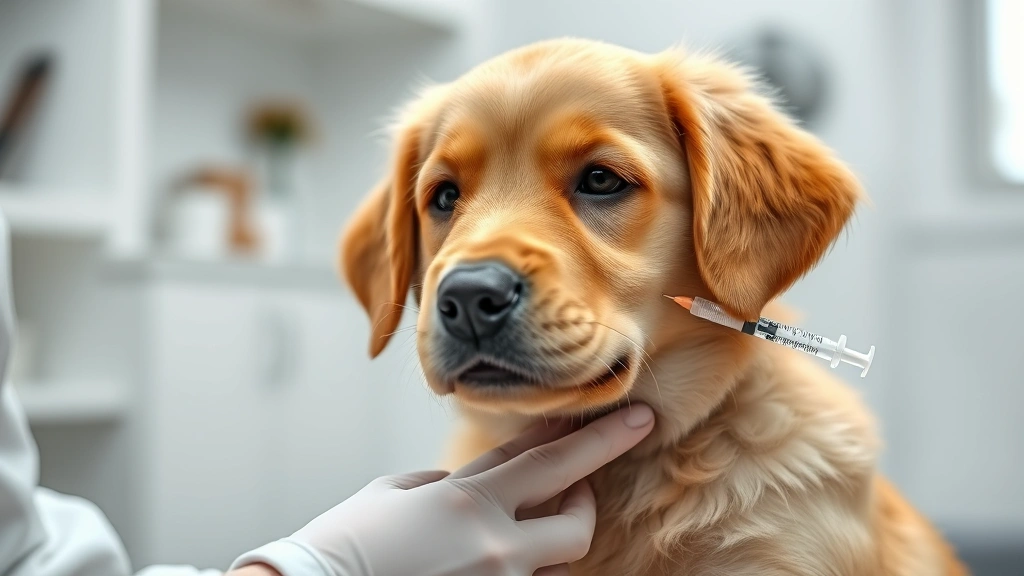
The distemper vaccine for dogs is one of the most critical shots your furry friend can receive, and honestly, it’s a lifesaver. If you’re a dog parent who’s ever wondered whether you really need to haul your pup to the vet for vaccines, let me be clear: distemper protection isn’t optional—it’s essential. This guide breaks down everything you need to know about keeping your dog safe from one of the most dangerous viral diseases out there.
Table of Contents
- What Exactly Is Canine Distemper?
- Why Your Dog Needs Distemper Protection Now
- Understanding the Vaccine Schedule for Puppies
- Adult Dogs and Booster Shots: Don’t Skip Them
- Types of Distemper Vaccines Available
- Recognizing Distemper Symptoms: What to Watch For
- Potential Side Effects: Separating Fact from Fiction
- Senior Dogs and Vaccination: Special Considerations
- Distemper Vaccine Cost and What to Expect
- Legal Requirements and Travel Considerations
- Working with Your Veterinarian on Vaccination Strategy
- Immunity Timeline: How Long Does Protection Last?
- Frequently Asked Questions
- Conclusion: Making the Right Choice for Your Dog
What Exactly Is Canine Distemper?
Canine distemper is a highly contagious viral disease that affects dogs, raccoons, minks, and other mammals. It’s caused by the canine distemper virus (CDV), and it’s basically the canine equivalent of measles in humans. Once a dog contracts this nasty virus, it can attack multiple organ systems simultaneously—respiratory, gastrointestinal, and nervous systems all at once. The mortality rate is genuinely terrifying, ranging from 50% in adult dogs to nearly 100% in puppies. That’s why getting your dog protected with a distemper vaccine for dogs is non-negotiable.
Why Your Dog Needs Distemper Protection Now
Let’s talk about why this isn’t something to procrastinate on. Distemper spreads through airborne droplets, contaminated surfaces, and even through urine and feces. Your dog doesn’t need to have direct contact with an infected animal—they can catch it from a park bench, a shared water bowl, or even your shoe if you’ve walked through contaminated areas. The virus is hardy and can survive in the environment for extended periods. This is exactly why veterinarians worldwide recommend consistent vaccination protocols. Check out immune boosting foods for pets to complement your dog’s overall health alongside vaccination.
Understanding the Vaccine Schedule for Puppies
Puppies are the most vulnerable to distemper, which is why the vaccination schedule starts early. Most vets recommend beginning the distemper vaccine series at 6-8 weeks of age, with booster shots every 3-4 weeks until the puppy reaches 16 weeks old. This staggered approach ensures that maternal antibodies don’t interfere with the vaccine’s effectiveness while still providing protection during those critical early months. After the initial series, your puppy needs a booster at one year, then every 1-3 years depending on your vet’s recommendation and local requirements.
Adult Dogs and Booster Shots: Don’t Skip Them
Think your adult dog is done with vaccines? Not quite. Even fully vaccinated adult dogs need regular booster shots to maintain immunity. The frequency depends on the vaccine type—some provide 1-year protection, while others offer 3-year immunity. Your veterinarian will create a personalized schedule based on your dog’s lifestyle, age, and health status. A dog that spends time in boarding facilities, dog parks, or travels frequently might need more frequent boosters than a homebody. For guidance on when health concerns arise, when to call the vet about food provides helpful insight into recognizing warning signs.
Types of Distemper Vaccines Available
There are two main types of distemper vaccines: live attenuated (modified live) and inactivated vaccines. Modified live vaccines contain weakened virus particles that stimulate a strong immune response, while inactivated vaccines contain killed virus particles. Both are highly effective, but your vet might recommend one over the other based on your dog’s age, health status, or specific circumstances. Some dogs with compromised immune systems do better with inactivated vaccines, while healthy puppies typically respond excellently to modified live versions. The DHPP vaccine (Distemper, Hepatitis, Parvo, Parainfluenza) is the standard combination shot that protects against multiple diseases simultaneously.
Recognizing Distemper Symptoms: What to Watch For
Even with vaccination, it’s crucial to recognize distemper symptoms in case exposure occurs. Early signs include fever, lethargy, loss of appetite, and nasal discharge. As the disease progresses, you might see vomiting, diarrhea, coughing, and eye discharge. The scary part? Neurological symptoms can develop, including seizures, muscle twitching, and behavioral changes. If you notice any combination of these symptoms, get your dog to a vet immediately. There’s no cure for distemper once contracted—treatment is purely supportive, focusing on managing symptoms while the dog’s immune system fights the virus. This is why prevention through vaccination is absolutely critical.
Potential Side Effects: Separating Fact from Fiction
Let’s address the elephant in the room: vaccine side effects. Yes, they happen, but they’re typically mild and temporary. Common reactions include slight lethargy, reduced appetite, or mild fever for a day or two after vaccination. Some dogs develop a small swelling at the injection site. These reactions are actually signs that the immune system is responding appropriately. Serious side effects like anaphylaxis are extremely rare, occurring in roughly 1 in 10,000 vaccinations. The risk of distemper infection far outweighs the minimal risk of vaccine complications. Your vet can discuss any specific concerns about your dog’s health history.

Senior Dogs and Vaccination: Special Considerations
Senior dogs (typically 7+ years) still need distemper protection, but the approach might differ slightly. Older dogs with chronic health conditions should be evaluated thoroughly before vaccination. Some senior dogs might have adequate immunity from previous vaccinations and lifestyle, potentially requiring less frequent boosters. However, don’t assume your senior is protected—titers (blood tests measuring antibody levels) can determine actual immunity status. Many vets recommend continuing regular boosters for senior dogs unless specific health contraindications exist. Learn more about keeping seniors healthy by checking out senior pet friendly human foods.
Distemper Vaccine Cost and What to Expect
The cost of distemper vaccination varies by location and veterinary clinic, typically ranging from $15-$30 per shot for the basic vaccine. If you’re getting the combination DHPP vaccine, expect to pay $25-$50. Puppies requiring multiple shots in their series might run $100-$200 total for the complete initial protection. While this might seem like an expense, compare it to the thousands of dollars in emergency veterinary care if your dog contracts distemper. Many animal shelters and low-cost clinics offer discounted vaccination programs, so cost shouldn’t be a barrier to protection.
Legal Requirements and Travel Considerations
Here’s something many dog owners don’t realize: distemper vaccination requirements vary by location. Some states and municipalities legally require it, while others don’t. However, if you’re traveling with your dog, boarding facilities, dog parks, and groomers almost universally require proof of current vaccination. Airlines require it for air travel. Essentially, even if your area doesn’t legally mandate it, you’ll need it for your dog’s social life. Keep vaccination records handy and request copies from your vet for travel purposes.
Working with Your Veterinarian on Vaccination Strategy
Your vet is your best resource for creating a personalized vaccination plan. They’ll consider your dog’s age, lifestyle, overall health, and local disease prevalence. If your dog has had previous adverse reactions, discuss alternative vaccine formulations. If you’re concerned about over-vaccination, talk about titer testing to measure existing immunity. The key is having an open conversation with your vet rather than making vaccination decisions in isolation. According to the American Kennel Club, regular veterinary consultation is essential for optimal pet health. For additional health monitoring, pet telehealth offers convenient options for follow-up questions between appointments.
Immunity Timeline: How Long Does Protection Last?
This is where it gets interesting. Immunity from distemper vaccination doesn’t last forever—it gradually wanes over time. This is why boosters exist. Modified live vaccines typically provide longer-lasting immunity (3 years or more) compared to inactivated vaccines (often 1 year). However, individual dogs respond differently based on genetics, overall health, and prior exposure. Some dogs maintain strong immunity for years after vaccination, while others might need more frequent boosters. This is precisely why your vet might recommend titer testing for senior dogs or those with specific health concerns—it’s a way to measure actual immunity rather than guessing.
Frequently Asked Questions
Can vaccinated dogs still get distemper?
While extremely rare, vaccinated dogs can theoretically contract distemper if immunity has waned significantly or if they encounter an unusually virulent strain. However, vaccinated dogs typically experience milder symptoms and have much better survival rates than unvaccinated dogs. This is why maintaining current booster schedules is crucial.
Is the distemper vaccine safe for pregnant dogs?
Modified live vaccines should not be given to pregnant dogs as they could theoretically affect developing puppies. Inactivated vaccines are generally considered safer for pregnant females. Always inform your vet if your dog is pregnant before vaccination.

How often does my adult dog need distemper boosters?
Most vets recommend booster shots every 1-3 years, depending on the vaccine type and your dog’s lifestyle. Your veterinarian will provide specific recommendations based on your dog’s individual circumstances.
What happens if I miss a booster appointment?
If you miss a booster, your dog’s immunity gradually decreases. Contact your vet to reschedule. You won’t need to restart the entire vaccination series—a single booster shot will restore protection.
Can I get the distemper vaccine at a low-cost clinic?
Absolutely. Many animal shelters, rescue organizations, and low-cost veterinary clinics offer distemper vaccination at reduced prices. These vaccines are identical to those at traditional veterinary hospitals.
Is distemper contagious to humans?
No, canine distemper virus only affects animals, not humans. You cannot catch distemper from your dog, though you could potentially carry the virus on your clothing or shoes to other dogs.
Conclusion: Making the Right Choice for Your Dog
The distemper vaccine for dogs isn’t just another veterinary recommendation—it’s one of the most important health decisions you’ll make as a dog owner. Distemper is a serious, often fatal disease that’s entirely preventable through vaccination. Whether you have a bouncy puppy, an active adult dog, or a dignified senior, maintaining appropriate distemper protection is non-negotiable. Work closely with your veterinarian to establish a vaccination schedule that fits your dog’s lifestyle and health profile. The minimal cost and effort of vaccination pale in comparison to the devastating consequences of distemper infection. Your dog depends on you to make informed health decisions, and keeping them protected against distemper is one of the best investments you can make in their long, healthy life.





