Can All Dogs Swim? What Pet Experts Say
You’ve probably seen those viral videos of dogs paddling through pools with pure joy, their tails wagging like propellers. It’s natural to assume that all dogs are born swimmers, right? After all, they’re animals, and many animals take to water like… well, like ducks. But here’s the thing: not all dogs swim, and some absolutely hate water. In fact, some breeds are genetically predisposed to struggle in aquatic environments, while others are natural-born water babies.
The truth about whether all dogs can swim is more nuanced than a simple yes or no. While most dogs have a natural instinct to paddle when placed in water, this doesn’t mean every pup is equipped for a leisurely lake day. Factors like breed, body structure, age, and individual temperament all play crucial roles in determining your dog’s swimming ability and comfort level in water.
In this guide, we’re diving deep into the swimming capabilities of our canine companions. We’ll explore which breeds are natural swimmers, which ones struggle, and how you can safely introduce your dog to water—even if they’re not naturally inclined to paddle.
Breeds Built for Water
Some dog breeds were literally designed by centuries of selective breeding to work in and around water. These pups have physical characteristics that make them excellent swimmers: water-resistant coats, webbed paws, powerful hindquarters, and lean body structures that slice through water efficiently.
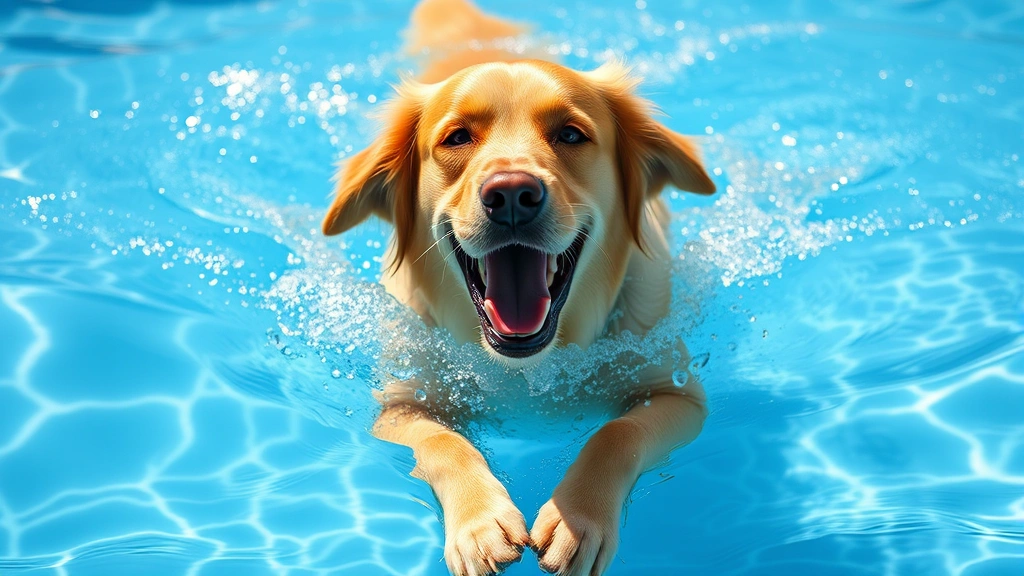
Retrievers are perhaps the most famous water-loving dogs. Labrador Retrievers and Golden Retrievers were originally bred to retrieve waterfowl for hunters, and they absolutely love swimming. Their dense, water-repellent coats and strong swimming muscles make them naturals in any aquatic environment. Similarly, Chesapeake Bay Retrievers are even more specialized for water work, with an oily coat that provides extra protection against cold water.
Other exceptional swimmers include:
- Portuguese Water Dogs – Originally used to help fishermen in Portugal, these medium-sized dogs have webbed feet and boundless aquatic enthusiasm
- Newfoundlands – Despite their large size, these gentle giants are incredibly buoyant and have webbed paws perfect for water rescue work
- Irish Water Spaniels – With a distinctive curly coat and webbed toes, these spaniels are built for water retrieval
- Labrador Retrievers – Their otter-like tail and water-resistant coat make them exceptional swimmers
- Poodles – Originally bred as water retrievers, they maintain strong swimming instincts despite their fancy appearance
These breeds don’t just tolerate water—they genuinely love it. Many will seek out water opportunities and can spend hours swimming without fatigue. If you own one of these breeds, you’re likely familiar with the challenge of keeping them out of water rather than encouraging them into it!
Breeds That Struggle in Water
On the flip side, certain breeds have physical characteristics that make swimming difficult, uncomfortable, or even dangerous. Understanding which dogs struggle in water is crucial for responsible pet ownership, as these dogs require extra supervision and caution around aquatic environments.
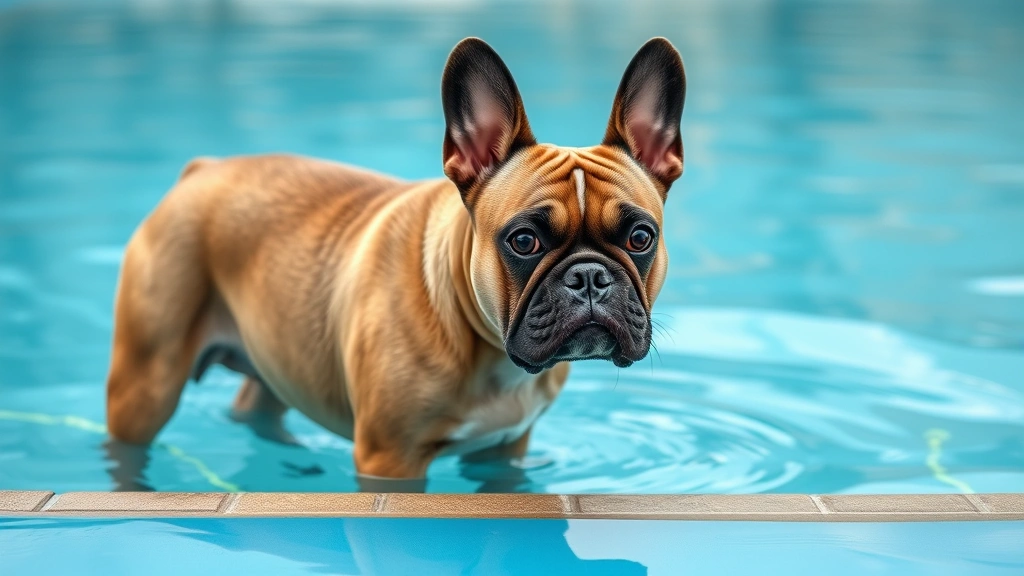
Brachycephalic breeds – dogs with flat, pushed-in faces – are particularly vulnerable in water. Bulldogs, French Bulldogs, Pugs, and Boston Terriers have shortened airways that make breathing more laborious even on land. Add water into the equation, and you’ve got a serious problem. These dogs can tire quickly, struggle to keep their noses above water, and are at higher risk of drowning.
Additionally, breeds with short legs and long bodies face challenges:
- Dachshunds – Their short legs and elongated bodies make it difficult to stay afloat and paddle effectively
- Corgis – Similarly built with short legs, they can struggle with water depth and buoyancy
- Basset Hounds – Long bodies and short legs create an unfavorable weight distribution for swimming
- Bulldogs and French Bulldogs – Their front-heavy build and brachycephalic structure make swimming extremely challenging
- Shih Tzus and Maltese – Toy breeds with dense coats that absorb water, becoming heavy and difficult to manage
It’s important to note that just because a breed typically struggles doesn’t mean every individual dog in that breed will. Some determined Dachshunds and enthusiastic Bulldogs do enjoy water, but they require careful supervision and may benefit from flotation devices. Never assume your dog can swim based solely on breed—always assess your individual dog’s comfort and ability.
Why Body Structure Matters
Swimming ability isn’t just about breed; it’s fundamentally about anatomy. Let’s break down the physical factors that determine whether a dog can swim effectively:
Buoyancy and Body Composition: Dogs with more body fat tend to be more buoyant, which sounds like an advantage. However, excess weight can also make movement more laborious. Lean, muscular dogs often have better swimming mechanics but may be less naturally buoyant. The ideal swimming dog has a balance of lean muscle and moderate body fat.
Leg Length and Positioning: Dogs with longer legs and a more horizontal body structure have an easier time staying level in the water. Their legs can provide more powerful strokes. Conversely, dogs with very short legs or those that naturally crouch must work harder to maintain proper swimming position, which exhausts them quickly.
Head and Muzzle Length: Dogs with longer muzzles can breathe more easily while swimming because their noses naturally sit higher in the water. Flat-faced dogs must lift their heads higher to breathe, which disrupts their swimming form and causes rapid fatigue.
Coat Type: Water-resistant coats like those of Retrievers and Poodles help dogs stay warmer and more comfortable in water. Dense, water-absorbent coats add weight and can become uncomfortably heavy when wet, discouraging the dog from enjoying aquatic activities.
Interestingly, research from the American Kennel Club shows that swimming ability correlates strongly with these anatomical factors rather than overall athleticism. A very athletic Bulldog will still struggle in water due to their body structure, while a less athletic Labrador will excel.
How to Teach Your Dog to Swim
Just because your dog isn’t a natural swimmer doesn’t mean they can’t learn to enjoy water. Many dogs can overcome initial water anxiety with patient, positive introduction. Here’s how to teach your pup:
Start in Shallow Water: Begin in a kiddie pool, shallow lake, or the shallow end of a pool. Your dog needs to feel confident with their paws touching the bottom. Let them wade at their own pace without pressure.
Use Positive Reinforcement: Bring their favorite toys or treats to the water’s edge. Make water association positive before expecting them to enter. When they do venture in, praise enthusiastically and reward immediately.
Never Force Them: Throwing a dog into water or forcing them in creates trauma and water phobia that can last a lifetime. Patience is essential. Some dogs need weeks or months to become comfortable.
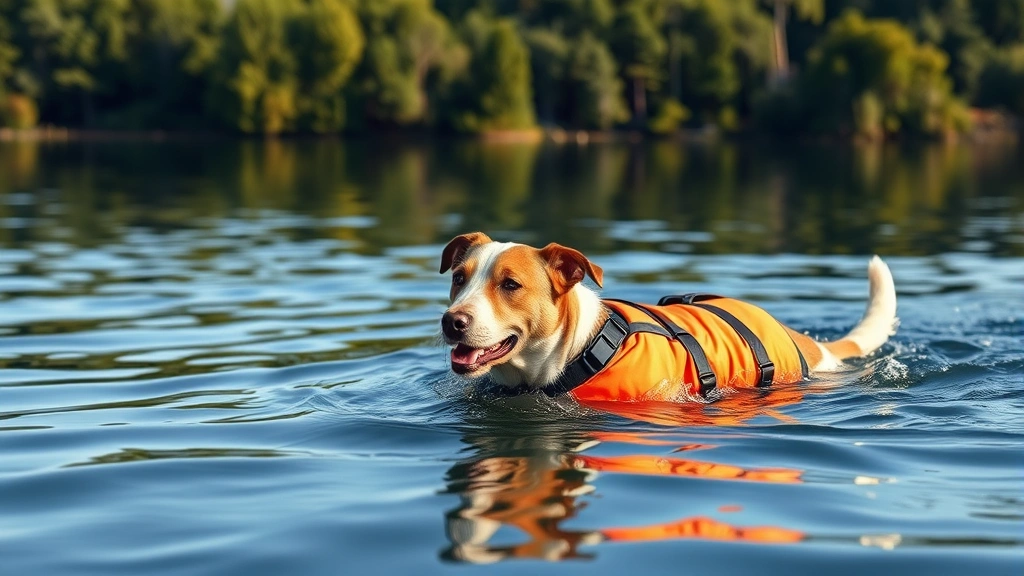
Consider a Life Jacket: Flotation devices aren’t just for safety—they also build confidence. Dogs wearing properly-fitted life jackets can focus on enjoying water rather than worrying about staying afloat. This confidence often translates to better swimming even without the jacket eventually.
Practice Gradually: Increase water depth and duration slowly. Today’s shallow paddle might become tomorrow’s deeper swim. Consistency matters more than intensity.
Make It Fun: Play games in the water. Fetch with floating toys, wade together, or simply splash around. The more enjoyable the experience, the more likely your dog will want to repeat it. Why dogs love tennis balls applies to water play too—use toys they’re naturally excited about.
According to the ASPCA, most dogs can learn to tolerate water through gradual exposure, even if they never become enthusiastic swimmers. The key is respecting their individual comfort levels and never forcing the issue.
Water Safety for Dogs
Whether your dog is a natural swimmer or learning to tolerate water, safety is paramount. Water-related incidents are among the leading causes of accidental death in dogs, so take these precautions seriously:
Always Use a Life Jacket: Even strong swimmers should wear Coast Guard-approved dog life jackets in open water like lakes, rivers, or ocean. Currents, exhaustion, or unexpected obstacles can happen to any dog. A life jacket provides insurance against tragedy.
Never Leave Dogs Unattended Near Water: Drowning is often silent. Dogs don’t splash and call for help like humans do. A dog can slip into a pool or pond and be in serious trouble within seconds. Constant supervision is non-negotiable.
Be Aware of Water Conditions: Cold water can cause shock and hypothermia. Saltwater can cause stomach upset. Stagnant water may contain harmful bacteria or parasites. River currents can sweep dogs downstream. Always assess water conditions before allowing your dog in.
Watch for Signs of Fatigue: Dogs don’t always know their limits. Signs of exhaustion include slower movement, difficulty staying afloat, coughing, or reluctance to continue. Exit the water immediately if you notice these signs.
Rinse After Swimming: Chlorine, saltwater, and pond water can irritate skin and ears. Rinse your dog with fresh water after swimming to prevent irritation and infection. Pay special attention to ears—excess moisture can lead to ear infections.
Dry Thoroughly: Wet dogs lose body heat rapidly, especially small breeds and those with thin coats. Dry your dog completely after swimming, especially if it’s cool outside. Consider a dog-specific towel or dryer for efficient drying.
Know CPR: While hopefully you’ll never need it, learning dog CPR could save your pet’s life. Many veterinary clinics and dog training organizations offer CPR certification courses specifically for pet owners.
Frequently Asked Questions
Do all dogs have a natural swimming instinct?
Most dogs have some instinctive paddling reflex when placed in water, but this doesn’t constitute true swimming ability. The instinct to paddle doesn’t guarantee the physical capability to swim effectively or safely. Some dogs panic in water despite having the paddling reflex, while others who struggle initially can learn to swim with patient training.
Can dogs with health conditions swim?
Dogs with certain health conditions can benefit from swimming as low-impact exercise, while others should avoid water entirely. Dogs with joint problems or arthritis often find swimming therapeutic because water supports their weight. However, dogs with ear infections, skin conditions, or respiratory issues should avoid water. Always consult your veterinarian before introducing a dog with health concerns to swimming.
At what age can puppies start swimming?
Puppies can begin gradual water exposure around 8-12 weeks old, though formal swimming lessons are better reserved for after 4-6 months when they’re more coordinated. Young puppies have less body control and tire more easily. Start with shallow water and brief sessions. Avoid forcing puppies into water—let them explore at their own pace.
Why do some dogs hate water when they’re supposed to be water dogs?
Individual personality varies tremendously. A Golden Retriever bred from water-loving lines might still be a dog who dislikes water due to a negative early experience, temperament differences, or simply personal preference. Additionally, just as dogs have different visual abilities, they have different sensory sensitivities to water temperature, pressure, and texture. Respect your dog’s preferences rather than forcing them into water activities they dislike.
Are there any health benefits to swimming for dogs?
Swimming provides excellent low-impact cardiovascular exercise, particularly beneficial for senior dogs, puppies, and dogs with joint issues. The water supports their weight while they exercise, reducing stress on joints. Swimming also helps build muscle, improve flexibility, and maintain healthy weight. Veterinary experts often recommend swimming for dogs recovering from surgery or managing arthritis.
What should I do if my dog falls in water unexpectedly?
First, don’t panic—panic is contagious to dogs. If your dog falls in shallow water, most will instinctively paddle to safety. For deeper water, reach them with an extended object like a branch or pool noodle rather than diving in yourself, which could endanger you both. If your dog is struggling, get them out immediately and check for signs of water inhalation. Contact your veterinarian if your dog coughs, seems disoriented, or shows signs of distress after any water incident.
Can dogs get water in their lungs?
Yes, and it’s serious. Secondary drowning (also called dry drowning) can occur hours after water exposure when fluid accumulates in the lungs. Signs include excessive coughing, lethargy, difficulty breathing, or foaming at the mouth. Any dog who has struggled in water or inhaled water should be examined by a veterinarian immediately. This is why supervision and limiting water exposure for dogs who struggle is so important.
How can I help my dog who has water anxiety?
Water anxiety often stems from negative early experiences. Patience and positive association are key. Never force interaction with water. Instead, let your dog approach water at their own pace, reward any interest with treats and praise, and gradually increase exposure. Some dogs benefit from comfort behaviors like being close to their owner while near water. Professional dog trainers specializing in anxiety can provide additional strategies. Some dogs may benefit from calming supplements or anxiety medication prescribed by your veterinarian for water-related situations.
Do dogs need swimming lessons?
While not absolutely necessary for water-loving breeds, professional swimming lessons can be beneficial, especially for dogs who struggle with water or whose owners lack swimming experience themselves. Professional trainers know how to safely introduce dogs to water and can provide confidence-building techniques. However, just as you need to understand your dog’s physical needs and limitations, you should understand their comfort level with water and proceed accordingly with or without professional help.