
Do Australian Sheepdogs Shed? What Owners Should Know
If you’re considering bringing an Australian Shepherd into your home, you’ve probably already fallen in love with their striking good looks and energetic personalities. But before you commit to this intelligent breed, there’s one question that might be keeping you up at night: do Australian Sheepdogs shed? The honest answer is yes—and we’re talking about a lot of fur. These beautiful herding dogs are notorious shedders, and if you’re not prepared for the tumbleweeds of fluff that will grace your floors, you might be in for a surprise.
Australian Shepherds sport a gorgeous double coat that serves a practical purpose: protecting them from various weather conditions while they work on farms and ranches. This double coat is both a blessing and a curse for owners. While it keeps your Aussie comfortable year-round, it also means you’ll be finding dog hair in places you didn’t even know existed. Your couch, your car, your coffee—nothing is sacred when you own an Australian Shepherd.
Understanding the shedding patterns of Australian Sheepdogs is crucial for making an informed decision about whether this breed is right for your lifestyle. In this comprehensive guide, we’ll explore everything you need to know about Australian Shepherd shedding, from seasonal patterns to grooming strategies that can help manage the fur explosion.
Australian Shepherd Shedding Basics
Let’s cut straight to the chase: Australian Sheepdogs are heavy shedders. If you’re someone who values a pristine, fur-free home, this breed might not be your best match. The American Kennel Club recognizes Australian Shepherds as a breed with significant shedding, and breeders and veterinarians consistently confirm this characteristic.
The shedding intensity varies depending on several factors, including the individual dog’s genetics, age, health status, and environmental conditions. Some Australian Shepherds shed more than others, but expecting moderate shedding from this breed is unrealistic. You should plan for regular vacuuming, lint rolling, and possibly investing in a good robotic vacuum if you want to maintain any semblance of order in your home.
What makes Australian Shepherd shedding particularly noticeable is that they shed year-round, not just seasonally. However, there are peak shedding seasons when the volume increases dramatically. Many owners describe these periods as “shedding season” when their dogs seem to leave a trail of fur wherever they go.
Understanding the Double Coat
To truly understand why Australian Sheepdogs shed so much, you need to understand their coat structure. These dogs have a double coat consisting of two distinct layers: the outer coat (guard hairs) and the inner coat (undercoat). The guard hairs are longer, coarser hairs that provide protection and give the breed their characteristic appearance. The undercoat is denser and fluffier, providing insulation.
This double coat structure is what makes the breed so adaptable to different climates. The undercoat traps air, which helps regulate body temperature—keeping the dog cool in summer and warm in winter. However, this same undercoat is also the primary culprit behind the shedding issue. When dogs shed, they’re typically losing undercoat hair, which sheds in large quantities.
The double coat requires regular maintenance to keep it healthy and to manage shedding. Unlike single-coated breeds, Australian Shepherds cannot simply be shaved down to reduce shedding. Doing so can damage the coat’s structure and potentially harm the dog’s ability to regulate body temperature. Instead, proper grooming and maintenance are essential for keeping both the coat and the shedding under control.
Seasonal Shedding Patterns
While Australian Sheepdogs shed year-round, there are definitely peak shedding seasons that will have you reaching for the vacuum more frequently. The most intense shedding typically occurs during spring and fall—periods known colloquially as “coat blowing” in dog circles.
During spring, Australian Shepherds shed their heavy winter undercoat to prepare for warmer weather. This shedding can last several weeks and results in massive amounts of fur. Similarly, in fall, they shed their lighter summer coat and grow in a thicker undercoat for winter protection. These seasonal transitions can be particularly challenging for owners who aren’t prepared for the volume of fur.
The timing of these seasonal sheds can vary depending on where you live and your dog’s individual genetics. Dogs living in areas with dramatic seasonal changes tend to have more pronounced shedding patterns, while those in more temperate climates might shed more consistently throughout the year. Indoor dogs with consistent artificial lighting and temperature control may have less predictable shedding patterns than their outdoor counterparts.
Understanding these seasonal patterns helps you prepare mentally and practically for the increased shedding. Many owners schedule professional grooming appointments during peak shedding season to help manage the fur explosion. Planning ahead means you won’t be caught off guard when your Australian Shepherd decides to redecorate your home with their coat.
Grooming Strategies to Manage Shedding
While you can’t stop an Australian Shepherd from shedding, you can definitely manage it with proper grooming techniques. The key is consistency—establishing a regular grooming routine will make a significant difference in the amount of loose fur your dog leaves around your home.
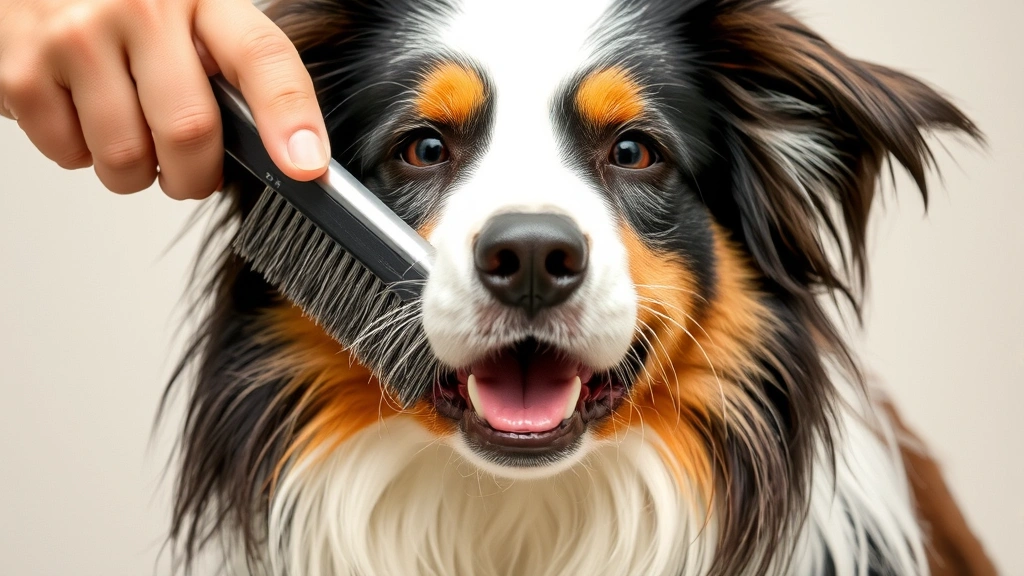
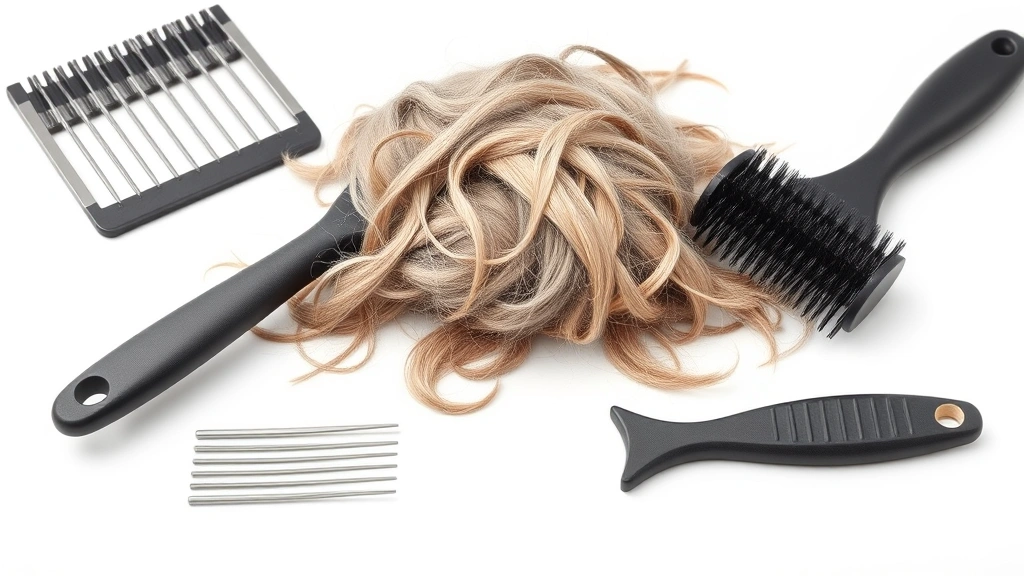
Brushing is your first line of defense against excessive shedding. A high-quality undercoat rake or slicker brush can remove loose undercoat hair before it ends up on your furniture. During peak shedding seasons, you should brush your Australian Shepherd at least three to four times per week, and ideally daily. Outside of shedding season, two to three times per week should suffice. Regular brushing not only removes loose hair but also distributes natural oils throughout the coat, promoting overall coat health.
Professional grooming can also help manage shedding significantly. A professional groomer has access to high-powered dryers and specialized tools that can remove far more loose hair than home grooming alone. Many owners schedule professional grooming appointments every six to eight weeks, with more frequent visits during peak shedding seasons. Some groomers specialize in de-shedding treatments that can remove up to 90% of loose undercoat.
Bathing your Australian Shepherd regularly can also help with shedding management. A good bath with quality dog shampoo and conditioner followed by thorough drying can loosen and remove a significant amount of dead hair. However, avoid over-bathing, as this can dry out the skin and potentially increase shedding. Most veterinarians recommend bathing dogs every four to six weeks unless there’s a specific reason to bathe more frequently.
The tools you use matter considerably. Invest in quality grooming equipment specifically designed for double-coated breeds. A comprehensive guide to reduce shedding on dogs can provide detailed recommendations on the best tools for your Australian Shepherd. Some owners also find that de-shedding sprays and grooming products designed for heavy shedders can be helpful additions to their grooming arsenal.
Health Factors That Affect Shedding
While normal shedding is a characteristic of the breed, excessive or abnormal shedding can sometimes indicate underlying health issues. It’s important to distinguish between normal Australian Shepherd shedding and shedding that might warrant veterinary attention.
Skin allergies are a common cause of excessive shedding in dogs. If your Australian Shepherd is shedding more than usual and you notice itching, redness, or bald patches, allergies might be the culprit. Environmental allergies, food allergies, and contact allergies can all trigger increased shedding and skin irritation. The ASPCA provides information on common dog health problems that can affect coat quality.
Nutritional deficiencies can also impact shedding. A dog’s coat health is directly related to their diet. Insufficient protein, omega-3 and omega-6 fatty acids, or other essential nutrients can result in a dull, unhealthy coat and increased shedding. Ensuring your Australian Shepherd eats a high-quality dog food formulated for their specific life stage and activity level is crucial for maintaining a healthy coat.
Stress and anxiety can trigger increased shedding in dogs, just as they can in humans. If your Australian Shepherd is experiencing significant stress from changes in their environment, routine, or family situation, you might notice an uptick in shedding. Providing adequate exercise, mental stimulation, and a stable environment can help reduce stress-related shedding.
Parasites, including fleas and mites, are another potential cause of excessive shedding. If your dog is scratching more than usual or has visible signs of parasites, a veterinary visit is warranted. Regular flea and tick prevention is essential for all dogs, but especially important for breeds prone to skin issues.
Hormonal imbalances, thyroid problems, and other medical conditions can also affect shedding. If you notice sudden, dramatic changes in your dog’s shedding patterns, it’s best to consult with your veterinarian. The American Kennel Club provides breed-specific health information that can help you understand what’s normal for Australian Shepherds.
Impact on Your Lifestyle
Owning an Australian Shepherd with significant shedding means making lifestyle adjustments. Before bringing one of these beautiful dogs home, consider whether you’re prepared for the practical realities of living with a heavy shedder.
Home maintenance becomes a bigger commitment. You’ll need to vacuum regularly—possibly multiple times per week during shedding season. Lint rollers will become your best friend, and you might want to consider investing in furniture covers or choosing darker-colored furniture that’s less likely to show dog hair. The reality is that some dog hair in your home is simply inevitable with an Australian Shepherd.
If you have a car, be prepared for significant dog hair accumulation. Your Australian Shepherd might spend time in your vehicle, and even a single trip can result in noticeable fur shedding. Learning how to get dog hair out of your car will become a valuable skill. Many owners use seat covers or keep a small vacuum handy for quick cleanups.
Allergies are another consideration. If you or anyone in your household has dog allergies, living with an Australian Shepherd might be challenging. The constant shedding means there’s always dog dander in the air. While no dog is truly hypoallergenic, breeds with less shedding might be better suited for allergy-prone households.
Social considerations matter too. If you’re someone who frequently hosts guests or maintains a very formal home aesthetic, the constant presence of dog hair might be frustrating. However, if you’re the type of person who doesn’t mind a lived-in home and prioritizes having a loving companion over pristine décor, an Australian Shepherd’s shedding is simply part of the charm.
The time commitment for grooming is substantial. Between regular brushing, occasional professional grooming, and general cleanup, owning an Australian Shepherd requires dedication. If you have a busy lifestyle with limited time for pet care, this breed might not be the best fit. Alternatively, if you enjoy grooming and spending time bonding with your dog through regular brushing sessions, this breed could be perfect for you.
Comparing shedding across breeds can help you make a more informed decision. If you’re considering multiple breed options, you might want to explore how Australian Shepherds’ shedding compares to similar breeds. For instance, if you’re torn between an Australian Shepherd and another working breed, you might want to check out articles about whether Bernese Mountain Dogs shed to compare shedding levels across different large breeds.
Frequently Asked Questions
Do all Australian Shepherds shed equally?
No, shedding intensity can vary between individual dogs based on genetics, coat type, health status, and environmental factors. Some Australian Shepherds are heavier shedders than others, but all purebred Australian Shepherds shed significantly. If you’re purchasing a puppy from a breeder, it’s worth asking about the parents’ shedding patterns to get an idea of what to expect.
Can I shave my Australian Shepherd to reduce shedding?
It’s not recommended to shave an Australian Shepherd’s coat. Their double coat serves an important purpose in regulating body temperature, and shaving can damage the coat structure and potentially affect the dog’s ability to stay cool in summer and warm in winter. Additionally, shaved coats don’t always grow back properly. Stick with regular brushing and grooming instead of shaving.
What’s the best brush for an Australian Shepherd?
An undercoat rake, slicker brush, or de-shedding tool designed for double-coated breeds works best. During shedding season, many owners find that a high-powered de-shedding tool removes the most loose hair. The specific tool that works best can vary depending on your dog’s individual coat, so you might need to experiment with a few options.
How often should I bathe my Australian Shepherd?
Most veterinarians recommend bathing dogs every four to six weeks unless there’s a specific reason to bathe more frequently. During shedding season, you might bathe your Australian Shepherd more often to help remove loose undercoat, but avoid excessive bathing as it can dry out the skin. Always use a quality dog shampoo and conditioner formulated for their coat type.
Are there any supplements that can reduce shedding?
Supplements containing omega-3 and omega-6 fatty acids, along with biotin and other nutrients, can support overall coat health and potentially reduce excessive shedding related to nutritional deficiencies. However, these supplements work best when combined with a high-quality diet. Always consult with your veterinarian before starting your dog on any new supplements to ensure they’re appropriate for your individual dog.
Is excessive shedding a sign of a health problem?
While normal shedding is a breed characteristic, sudden increases in shedding or unusual shedding patterns might indicate underlying health issues such as allergies, nutritional deficiencies, parasites, or hormonal imbalances. If you notice significant changes in your dog’s shedding, excessive scratching, bald patches, or other concerning symptoms, consult with your veterinarian. University veterinary resources can provide information on canine health concerns.
Do Australian Shepherd mixes shed less than purebreds?
It depends on what the Australian Shepherd is mixed with. If mixed with a low-shedding breed, the offspring might shed less than a purebred Australian Shepherd. However, there’s no guarantee, as mixed breeds can inherit the shedding tendencies of either parent. If shedding is a major concern, you might want to research the specific mix and speak with the breeder or rescue organization about the parents’ shedding patterns.
What’s the difference between shedding and hair loss?
Normal shedding involves the gradual loss of hair throughout the coat as part of the natural growth cycle. Hair loss, on the other hand, refers to abnormal loss of hair that might result in bald patches or thinning. If you notice bald patches, excessive scratching, or other signs of abnormal hair loss, this warrants a veterinary evaluation. The American Veterinary Medical Association provides resources for understanding various veterinary health concerns.





