

Do Cats and Dogs Get Lice? Pet Owner’s Guide
If you’re a pet parent, you’ve probably worried about parasites at some point. Between fleas, ticks, and worms, there’s a lot to keep track of! But here’s a question that might have crossed your mind: do cats and dogs actually get lice? The short answer is yes—but it’s more nuanced than you might think. Unlike the lice that plague human heads, pet lice are species-specific, meaning dog lice won’t infest your cat, and vice versa. Understanding this distinction is crucial for keeping your furry friends healthy and comfortable.
Lice infestations in pets are actually less common than flea or tick problems, but they’re certainly not unheard of. Whether your dog has been rolling in questionable spots at the dog park or your cat has been spending time outdoors, knowing the signs and how to respond can make all the difference. This comprehensive guide will walk you through everything you need to know about lice in dogs and cats, from identification to treatment and prevention.
So grab a cup of coffee, get cozy with your pet, and let’s dive into the world of pet lice—because an informed pet owner is a prepared pet owner!
Do Dogs and Cats Actually Get Lice?
Yes, absolutely! Both dogs can get lice and cats can get lice, though the prevalence varies significantly between species and regions. The key thing to understand is that pet lice are entirely different from human lice. According to the American Association of Feed Control Officials, there are over 100 species of lice that specifically target different animal hosts, and they cannot cross species barriers. Your child’s head lice won’t transfer to Fido, and your dog’s lice won’t hop onto your cat.
Dogs are most commonly affected by two types of lice: Linognathus setosus (a sucking louse) and Trichodectes canis (a biting louse). Cats, on the other hand, are typically bothered by Felicola subrostatus, a biting louse specifically adapted to feline hosts. While lice infestations are less dramatic than flea or tick problems, they can still cause significant discomfort and secondary health issues if left untreated.
The good news? When you understand what you’re dealing with, treatment and prevention become straightforward. Learning more about whether dogs and cats get lice helps you take proactive steps to protect your beloved companions.
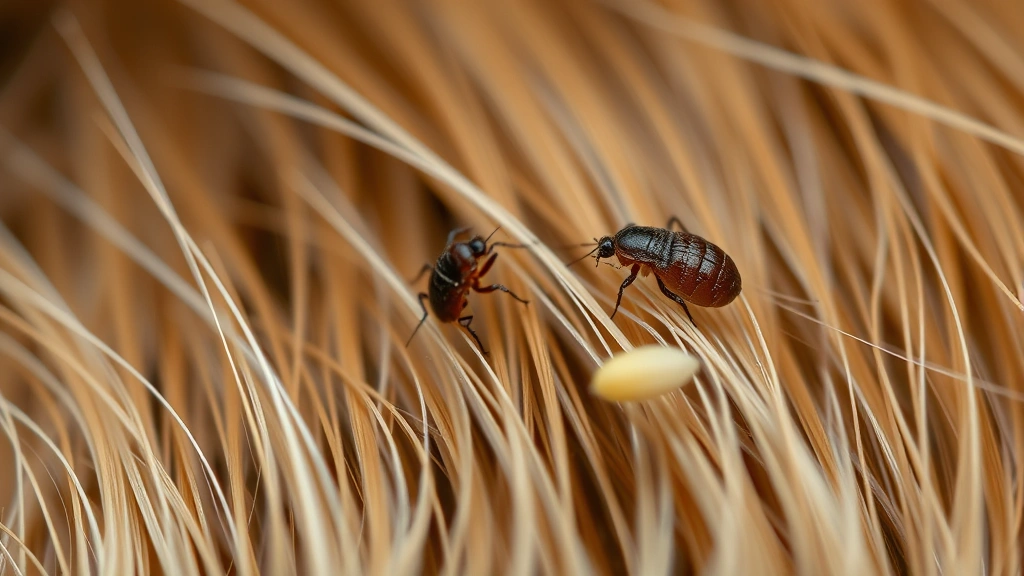
Types of Lice That Affect Pets
Understanding the different types of lice is essential for recognizing and treating infestations. Pet lice fall into two main categories based on their feeding habits: biting lice and sucking lice. This distinction matters because it affects the symptoms your pet might display and the treatment approach your veterinarian might recommend.
Biting Lice
Biting lice, scientifically known as Mallophaga, are the most common type found on both dogs and cats. These parasites feed on dead skin cells, hair, and other debris on your pet’s skin. They’re generally less harmful than sucking lice but can still cause irritation and discomfort. In dogs, Trichodectes canis is the primary biting louse culprit, while cats deal with Felicola subrostatus. The presence of biting lice often leads to excessive scratching, which can result in secondary skin infections if your pet breaks the skin barrier.
Sucking Lice
Sucking lice, scientifically classified as Anoplura, are more dangerous because they actually pierce the skin and feed on blood. This means they can potentially transmit diseases and cause anemia in severe cases. The sucking louse Linognathus setosus primarily affects dogs, particularly those with weakened immune systems or poor living conditions. While sucking lice infestations are less common in well-maintained household pets, they can be serious when they do occur.
The distinction between these types is important because it influences symptom severity and treatment urgency. A veterinarian can help you identify which type of lice your pet has and recommend appropriate interventions.

Signs and Symptoms of Lice Infestation
Recognizing the early signs of lice infestation is crucial for prompt treatment. Many pet owners confuse lice symptoms with other parasitic issues like fleas. However, there are distinct indicators that suggest your pet might be dealing with lice rather than other pests. Understanding these signs helps you communicate effectively with your veterinarian and seek treatment quickly.
Common Signs in Dogs
Dogs with lice typically display several telltale symptoms. The most obvious is excessive scratching, biting, or licking at affected areas, particularly around the head, neck, and back. Your dog might also develop visible hair loss (alopecia) in patches, often with a scruffy or unkempt appearance. You may notice small, white specks in your dog’s coat—these are lice eggs, also called nits. Some dogs develop red, irritated skin or secondary bacterial infections from constant scratching.
If you’re trying to figure out how to know if your dog has fleas, remember that flea infestations typically cause more severe itching and often leave flea dirt (black specks), whereas lice infestations tend to be more localized and cause less frantic scratching. That said, your pet can have both parasites simultaneously, so professional diagnosis is important.
Common Signs in Cats
Cats with lice often exhibit excessive grooming behavior, which might actually be more noticeable than scratching since cats are fastidious groomers. You might observe matted or greasy-looking fur, scabs or crusts on the skin, and visible hair loss. Some cats become irritable or restless and may show signs of skin inflammation. Unlike dogs, cats might not scratch as obviously, so pet owners sometimes miss feline lice infestations until they become more severe.
When to Seek Veterinary Care
If you notice any combination of these symptoms persisting for more than a few days, it’s time to schedule a veterinary appointment. Early intervention prevents secondary infections and reduces your pet’s discomfort significantly.
How Pets Get Lice
Understanding transmission routes helps you prevent lice infestations from occurring in the first place. Lice are transmitted through direct contact with infested animals, making certain situations higher-risk than others. Unlike fleas, which can survive in the environment for extended periods, lice are obligate parasites that must remain on a host animal to survive.
Direct Contact Transmission
The primary transmission method is direct contact between an infested animal and a susceptible one. This commonly occurs at dog parks, boarding facilities, grooming salons, or shelters where your pet might encounter other animals. If your dog plays with an infested dog, or your outdoor cat meets an infested stray, transmission can happen quickly. This is particularly concerning for multi-pet households where an infested pet can spread lice to other animals in the home.
Environmental Transmission
While lice cannot survive long off a host, they can temporarily contaminate bedding, grooming tools, and other items. If you use the same brush on an infested dog and then immediately on another dog without cleaning the brush, transmission is possible. Similarly, shared bedding can harbor lice for short periods. This is why thorough cleaning and disinfection is part of comprehensive lice treatment protocols.
Risk Factors
Certain pets are more susceptible to lice infestations. Young animals, elderly pets, and those with compromised immune systems are at higher risk. Outdoor cats and dogs have greater exposure opportunities than indoor-only pets. Additionally, understanding how dogs get fleas helps you recognize that similar risk factors apply to lice transmission—poor hygiene conditions, overcrowding, and lack of preventive care all increase infestation risk.
Diagnosis and Treatment Options
Proper diagnosis is the foundation of effective treatment. Your veterinarian has several tools to identify lice infestations and can recommend the most appropriate treatment protocol for your specific pet.
Professional Diagnosis
Your vet will typically perform a thorough physical examination and may use a magnifying glass or otoscope to identify lice or nits on your pet’s coat and skin. In some cases, they might perform skin scrapings or pluck hairs for microscopic examination. The ASPCA provides excellent resources on pet health assessments, including parasite identification. Accurate diagnosis ensures you’re treating the right problem with the right medication.
Treatment Methods
Once lice are confirmed, your veterinarian will recommend treatment options tailored to your pet’s age, health status, and the severity of infestation. Topical treatments (spot-on products) are commonly prescribed and applied directly to the skin, usually at the back of the neck where your pet cannot lick it off. These products often contain ingredients like pyrethrins, pyrethroids, or other insecticidal compounds.
Oral medications are another option, particularly for pets who won’t tolerate topical applications. Your vet might also recommend medicated shampoos or dips, though these are less commonly used for lice than for other parasites. Some veterinarians suggest repeat treatments at two-week intervals to catch any lice that hatch from eggs after the initial treatment.
Treating Your Home
While treating your pet, don’t neglect your home environment. Wash all bedding in hot water, vacuum thoroughly, and disinfect grooming tools. Though lice don’t survive long off-host, this thorough cleaning prevents re-infestation and eliminates any environmental risk. If you have multiple pets, treat all of them simultaneously to prevent cross-infestation.
Monitoring Progress
After treatment begins, monitor your pet closely for improvement. Scratching should decrease within a few days, and visible lice should disappear within a week or two. If symptoms persist after treatment, contact your veterinarian—your pet might need a different medication or might be dealing with a secondary infection that requires additional care.
Prevention Strategies
Prevention is always easier and more cost-effective than treatment. Implementing these strategies keeps your pets lice-free and healthy.
Regular Grooming and Inspection
Brush your dog or cat regularly—at least 2-3 times weekly—and inspect their skin and coat carefully. Regular grooming allows you to catch early signs of parasites before they become serious infestations. You’ll also notice behavioral changes or skin abnormalities more quickly. This simple habit is one of the most effective prevention tools available.
Maintaining Clean Living Spaces
Keep your pet’s bedding clean, wash food and water bowls regularly, and maintain a hygienic living environment. Lice thrive in dirty, overcrowded conditions, so cleanliness is a natural deterrent. Vacuum your home regularly and wash your pet’s blankets frequently.
Limiting Exposure
Be cautious about where your pet spends time. While you can’t completely isolate your pet, being selective about dog parks, boarding facilities, and grooming salons helps reduce exposure risk. Ask facilities about their parasite prevention protocols and health screening procedures. If your cat is outdoor-only or indoor-outdoor, consider keeping them primarily indoors to reduce exposure to parasites.
Year-Round Prevention
Consider year-round parasite prevention medications recommended by your veterinarian. Many modern preventatives protect against multiple parasites including lice, fleas, and ticks. This comprehensive approach is often the most effective strategy. The American Animal Hospital Association recommends year-round parasite prevention for all pets.
Veterinary Checkups
Regular veterinary visits—ideally twice yearly for young and senior pets—allow your vet to catch parasites early and recommend appropriate preventative measures. During these visits, discuss your pet’s lifestyle and exposure risks so your vet can tailor prevention recommendations specifically to your situation.
Educating Yourself About Similar Issues
Understanding how to tell if your dog has fleas and learning about what fleas look like on dogs helps you recognize other parasitic issues early. The more you know about various pet parasites, the better equipped you are to maintain your pet’s health proactively.
Frequently Asked Questions
Can I get lice from my dog or cat?
No, you cannot get lice from your pet. Pet lice are species-specific, meaning dog lice only infest dogs and cat lice only infest cats. Human lice are entirely different parasites and cannot be transmitted from pets to people. Your pet’s lice pose no health risk to you or your family members.
Are lice more common than fleas in pets?
No, fleas are significantly more common than lice in household pets. However, lice are more prevalent in certain populations, such as shelter animals, stray cats and dogs, and pets in overcrowded living conditions. Well-maintained household pets rarely develop lice infestations if they receive regular preventative care and grooming.
How long does it take to treat lice?
Most lice infestations respond to treatment within 1-2 weeks. However, your veterinarian typically recommends repeat treatments at 2-week intervals to ensure all lice, including those hatching from eggs, are eliminated. Complete resolution usually takes 3-4 weeks with proper treatment and home cleaning protocols.
Can my dog give lice to my cat or vice versa?
No, because lice are species-specific. Dog lice cannot infest cats, and cat lice cannot infest dogs. However, if you have both dogs and cats in your home and one is infested, practice good hygiene—wash your hands between petting each animal and clean shared spaces thoroughly—to prevent other parasites from spreading.
What’s the best lice prevention method?
Year-round parasite prevention prescribed by your veterinarian is the most effective approach. These medications typically protect against multiple parasites and are tailored to your pet’s specific needs. Combined with regular grooming, inspection, and maintaining a clean living environment, prescription prevention is highly effective at preventing lice infestations.
Should I be worried if my pet has lice?
While lice infestations require treatment, they’re not emergencies. However, they should be addressed promptly to prevent secondary infections and discomfort. Early treatment typically resolves the problem quickly and completely. Contact your veterinarian if you suspect lice, but don’t panic—this is a manageable, treatable condition.
Can lice cause serious health problems?
In most cases, lice cause discomfort and irritation but not serious health issues. However, severe infestations—particularly those involving sucking lice—can potentially cause anemia or transmit secondary infections. This is why prompt treatment is important. Additionally, constant scratching from lice irritation can lead to bacterial skin infections that require additional treatment.





