

Can Dog Fleas Live in Human Hair? Facts You Need to Know
If you’re a dog owner, you’ve probably wondered about the risks of flea infestations spreading to your family. One of the most common questions pet parents ask is whether dog fleas live in human hair. It’s a legitimate concern, especially when you notice your furry friend scratching more than usual. The good news? We’re here to break down the science behind flea behavior and give you the facts you need to protect your household.
Fleas are small parasites that have plagued both pets and humans for thousands of years. However, the relationship between dog fleas and human hosts is far more complicated than a simple “yes” or “no.” Understanding how these tiny creatures operate, what they need to survive, and whether they can actually thrive on human hair is essential for keeping your family safe and your dog comfortable.
In this comprehensive guide, we’ll explore the biology of fleas, examine whether they can truly establish themselves in human hair, and provide you with practical prevention and treatment strategies. Let’s dive into what science tells us about this common pet owner concern.
Understanding Flea Biology and Lifecycle
To answer whether dog fleas can live in human hair, we first need to understand what fleas are and how they survive. Fleas are small, wingless insects belonging to the order Siphonaptera. They’re remarkably specialized parasites that have evolved over millions of years to feed on the blood of mammals and birds. The most common flea species affecting dogs is the cat flea (Ctenocephalides felis), which despite its name, readily infests dogs and other animals.
Fleas have a complete metamorphic lifecycle consisting of four distinct stages: egg, larva, pupa, and adult. Adult fleas are the stage most people recognize—tiny, dark, fast-moving insects about the size of a grain of sand. What many people don’t realize is that adult fleas only make up about 5% of a flea population. The remaining 95% consists of eggs, larvae, and pupae hiding in your carpet, bedding, and furniture.
The adult flea’s primary goal is to find a suitable host, feed on blood, and reproduce. A single female flea can lay hundreds of eggs throughout her lifetime, which is why infestations can quickly spiral out of control. Fleas have specialized mouthparts designed to pierce skin and access blood vessels. They also have powerful hind legs that allow them to jump up to 150 times their body length—an incredible feat that helps them move between hosts and environments.
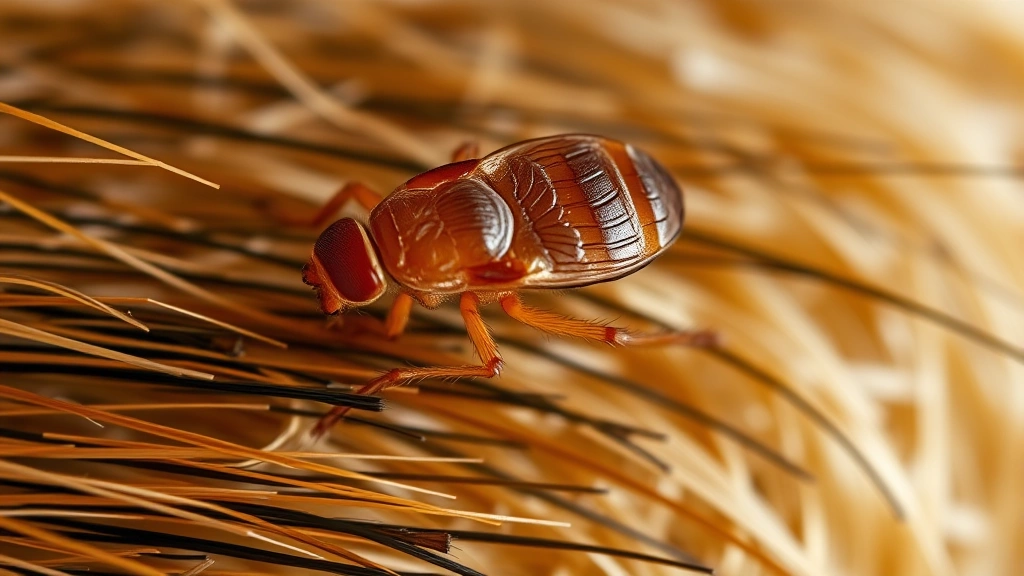
Do Dog Fleas Actually Live in Human Hair?
The short answer is: dog fleas can briefly land on human hair, but they cannot establish a permanent infestation. This is where understanding flea biology becomes crucial. While fleas are opportunistic parasites, they are highly specialized creatures with specific host preferences. Dog fleas have evolved to thrive on dogs and other furry animals, not humans.
Here’s why human hair is an unsuitable environment for dog fleas:
- Hair texture and density: Human hair is relatively sparse compared to dog fur. Dogs have dense double or single coats with multiple layers, creating an ideal microclimate for fleas. Human hair, even when thick, lacks the density and structure that fleas need to hide, reproduce, and access skin easily.
- Skin pH and chemistry: Dog skin has a different pH level than human skin. Dog skin is typically more acidic (around 6.2-7.4), while human skin is more acidic (around 4.7-5.75). Fleas have adapted to dog skin chemistry and may not find human skin as hospitable.
- Body temperature: Dogs maintain a higher body temperature than humans (typically 101-102.5°F for dogs versus 98.6°F for humans). Fleas are sensitive to temperature and prefer the warmer environment that dogs provide.
- Feeding challenges: Even if a flea managed to stay on human hair, accessing blood through human skin is more difficult. Human skin is thicker and less accessible than the skin of dogs, making it harder for fleas to feed effectively.
That said, dog fleas can live on humans temporarily. A flea might jump onto a person, attempt to feed, and even bite. However, without the right conditions, the flea will typically abandon the human host within a few hours and seek out a more suitable animal host. This temporary contact is why some people experience flea bites when they have infested dogs in their homes.
Can Humans Get Fleas from Dogs?
This is an important distinction to make: humans can get fleas from dogs, but not in the way many people fear. You won’t develop an active flea infestation in your hair like your dog might. However, fleas can and will bite humans as they search for their preferred hosts or when they’re particularly hungry.
When a flea bites a human, it injects saliva that can cause an allergic reaction in some people. This results in itchy, red welts that might appear in clusters or lines. These bites are uncomfortable and can become infected if scratched excessively, but they’re temporary and will resolve once you eliminate the flea population from your home and your dog.
The real risk of “getting fleas” from your dog is the indirect infestation of your living space. Fleas from your dog will spread throughout your home, living in carpets, furniture, bedding, and other soft materials. This is where they spend most of their lifecycle developing from eggs to adults. Once your home is infested, you’re much more likely to experience flea bites simply by being in those spaces.

Understanding what fleas look like on dogs can help you catch infestations early. Adult fleas are visible to the naked eye—they appear as small, dark brown or black insects moving quickly through your dog’s fur. You might also see flea dirt (fecal matter) that looks like tiny black specks in your dog’s coat.
Signs You Might Have Fleas in Your Home
Recognizing the signs of a flea infestation early can help you take action before the problem becomes severe. Here are the key indicators to watch for:
- Excessive scratching: If your dog is scratching more than usual, especially around the neck, tail, and hind legs, fleas might be the culprit. Some dogs scratch so intensely they create open wounds and secondary skin infections.
- Visible fleas or flea dirt: During grooming, part your dog’s fur and look for small dark insects or tiny black specks (flea dirt). You can use a flea comb to collect these and place them on a white paper towel for easier visibility.
- Skin irritation and hair loss: Flea bites can cause red, irritated skin. Some dogs develop allergic reactions to flea saliva, leading to hair loss and severe dermatitis.
- Flea bites on humans: If you or your family members notice itchy red bumps on your legs or torso, especially after sitting on furniture or in areas where your dog spends time, you likely have fleas in your home.
- How to know if your dog has fleas includes looking for behavioral changes—dogs with fleas often seem restless, irritable, or uncomfortable.
Understanding how dogs get fleas in the first place can help you implement better prevention strategies. Dogs typically contract fleas through contact with other infested animals, exposure to flea-infested environments like tall grass or wooded areas, or occasionally through contact with wildlife.
Prevention and Treatment Strategies
Now that we’ve established that dog fleas won’t establish a permanent infestation in human hair, let’s focus on keeping your dog and home flea-free. Prevention is always easier and more cost-effective than dealing with an active infestation.
Preventative Measures
Regular flea prevention: The most effective approach is using year-round flea prevention products. Modern preventatives come in various forms including topical treatments, oral medications, flea collars, and injectable options. According to the American Kennel Club, consistent use of veterinary-approved flea prevention is the gold standard for protection.
Environmental management: Since fleas spend most of their lifecycle off your dog, managing your home environment is crucial. Regularly vacuum carpets, wash bedding in hot water, and treat areas where your dog spends significant time. Flea larvae thrive in warm, humid environments, so maintaining good ventilation and moderate humidity levels can help reduce their survival rates.
Regular grooming: Bathing your dog monthly with quality shampoo and using a flea comb can help you catch infestations early. Regular grooming also allows you to inspect your dog’s skin for signs of fleas or other parasites.
Yard maintenance: Keep your yard well-maintained by mowing grass regularly and removing debris where wildlife might harbor fleas. Consider treating outdoor areas if you notice increased flea activity.
Treatment Options
If your dog does develop a flea infestation, several effective treatment options are available. Your veterinarian can recommend the best option based on your dog’s age, weight, health status, and the severity of the infestation. The ASPCA provides comprehensive information on flea treatment options.
Topical treatments: Applied directly to your dog’s skin, these products kill fleas on contact and provide ongoing protection. Most require monthly applications.
Oral medications: Prescription oral flea preventatives work systemically, killing fleas when they bite your dog. Some formulations also prevent flea eggs and larvae from developing.
Injectable treatments: Some veterinarians offer injectable flea prevention that provides protection for several months with a single injection.
Shampoos and dips: While less commonly used today, medicated flea shampoos can provide immediate relief and kill adult fleas, though they don’t offer long-term protection.
Treating Your Home
When dealing with a flea infestation, treating your home is just as important as treating your dog. Environmental treatment typically includes:
- Thorough vacuuming of all carpets, rugs, and upholstered furniture
- Washing all bedding, blankets, and dog beds in hot water
- Using flea sprays or foggers designed for indoor use (following label directions carefully)
- Treating outdoor areas where your dog spends time
- Repeating treatments as necessary, typically 10-14 days after the initial treatment to target newly emerged fleas
For severe infestations, professional pest control services specializing in flea treatment may be necessary. These experts have access to commercial-grade treatments and can provide comprehensive solutions that address all life stages of fleas.
Frequently Asked Questions
Can fleas in human hair cause serious health problems?
Since dog fleas cannot establish permanent infestations in human hair, serious health problems from fleas in your hair are extremely unlikely. However, flea bites on your skin can become infected if scratched excessively. More importantly, the flea infestation in your home and on your dog can lead to serious health issues for your pet, including anemia, tapeworms, and severe skin infections. Addressing flea problems promptly protects both your family and your dog’s health.
How long can a flea survive on a human?
A flea can survive on a human for a few hours to a few days, but it will not thrive or reproduce. Without suitable conditions—like the right fur density, body temperature, and skin chemistry—the flea will seek out a better host. This is why flea infestations on humans don’t develop, even if you have frequent flea contact.
Will washing my hair remove fleas?
If you’re concerned about fleas in your hair after contact with your infested dog, regular shampooing will remove any fleas present. You don’t need special flea shampoo for humans—regular shampoo will do the job. However, the real concern should be addressing the flea infestation on your dog and in your home to prevent ongoing exposure.
Can I get tapeworms or other parasites from my dog’s fleas?
Yes, this is an important consideration. Dogs can develop tapeworms by ingesting fleas while grooming. These tapeworms can occasionally transmit to humans, though this is rare. The best prevention is keeping your dog flea-free through consistent preventative measures. If you suspect you or your family members have been exposed to parasites, consult with your healthcare provider.
What’s the fastest way to get rid of fleas?
The fastest approach involves a multi-pronged strategy: treating your dog with a prescription flea preventative recommended by your veterinarian, thoroughly cleaning and treating your home environment, and washing all bedding and soft furnishings in hot water. Most modern prescription flea treatments work within 24-48 hours to kill adult fleas on your dog. Environmental treatment typically requires 2-3 applications over 2-3 weeks to address all life stages of fleas.
Are natural flea remedies as effective as prescription treatments?
While some natural remedies like essential oils and diatomaceous earth have flea-killing properties, they’re generally less reliable and slower-acting than prescription treatments. According to veterinary medicine resources, prescription flea preventatives have been extensively tested and proven effective. If you prefer natural options, discuss them with your veterinarian, who can recommend products with evidence supporting their effectiveness.
How often should I use flea prevention on my dog?
Most modern flea preventatives are designed for year-round, consistent use. Topical treatments typically require monthly applications, while some oral medications and injectable treatments offer longer protection. Your veterinarian can recommend the best schedule based on your dog’s lifestyle, local climate, and flea risk factors in your area. Even during winter months, year-round prevention is often recommended because fleas can survive indoors.
Understanding the facts about dog fleas and human hair can help you make informed decisions about protecting your family and your furry friend. While the fear of fleas establishing themselves in human hair is understandable, the science shows this simply isn’t how these parasites work. Focus instead on maintaining consistent flea prevention for your dog and keeping your home environment clean and flea-free. By taking these proactive steps, you can ensure your household remains comfortable and healthy.





