
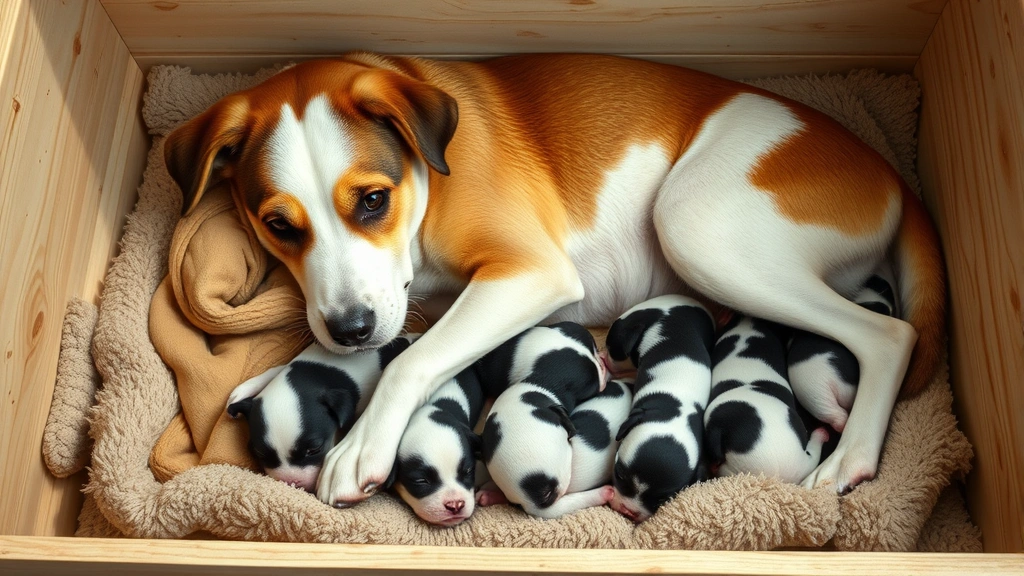
Do dogs eat their babies? It’s one of those questions that makes pet owners nervous, and honestly, it’s a legitimate concern if you’re expecting puppies. The short answer is: it’s extremely rare, but it can happen under specific circumstances. Let’s dig into what actually causes this behavior, when you should worry, and how to prevent it.
Table of Contents
- Understanding Canine Maternal Instincts
- Why Do Dogs Sometimes Harm Their Own Puppies?
- Distinguishing Between Accidents and Intentional Harm
- Risk Factors That Increase Puppy Danger
- Health Issues That Trigger Behavioral Changes
- Signs Your Mother Dog Might Be in Trouble
- Prevention Strategies for Responsible Breeders and Owners
- What to Do If You Suspect Harm Is Occurring
- Common Myths About Dogs Eating Their Puppies
- Frequently Asked Questions
- The Bottom Line: Knowledge and Prevention Win
Understanding Canine Maternal Instincts
First, let’s talk about how dogs actually feel about their puppies. Most mother dogs are fiercely protective and nurturing. They spend weeks licking, cleaning, and caring for their litter with genuine affection. The maternal bond in dogs is powerful—it’s hardwired into their biology. When a female dog gives birth, hormonal changes trigger protective behaviors that make her want to keep those puppies safe and fed.
However, maternal instinct isn’t a guarantee against every possible problem. Dogs don’t have the same cognitive reasoning we do, so they can’t always rationalize their actions the way humans can. This is where things get complicated.
Why Do Dogs Sometimes Harm Their Own Puppies?
When canine maternal aggression or puppy harm occurs, it’s usually linked to specific triggers. Understanding these reasons is crucial for any breeder or owner expecting a litter. The main culprits include stress, health issues, poor socialization, and environmental factors.
Stress and anxiety are massive contributors. If a mother dog feels threatened, unsafe, or overwhelmed by her surroundings, she might harm her puppies as a stress response. Loud noises, too many visitors, or being in an unfamiliar space can push a new mom over the edge. Think of it like human postpartum anxiety—except dogs can’t talk about their feelings.
Health problems also play a role. A mother dog suffering from mastitis (infected mammary glands), uterine infection, or pain might become irritable and aggressive. When she’s in pain, her patience wears thin, and accidents happen. This is why veterinary care after birth is absolutely essential.
Nutritional deficiencies can trigger unusual behaviors too. A malnourished mother dog might experience metabolic changes that affect her behavior. Calcium deficiency, in particular, can cause neurological issues that impact temperament.
Poor socialization and genetics matter more than people realize. Dogs that were never socialized with other dogs or humans tend to have weaker maternal instincts. Additionally, some genetic lines simply have less developed parenting behaviors. Responsible breeders screen for these traits.
Distinguishing Between Accidents and Intentional Harm
Here’s something important: sometimes what looks like a dog eating her puppies is actually accidental. Mother dogs eat the placenta and umbilical cords as part of the natural birthing process—this is completely normal and healthy. It provides nutrients and helps keep the area clean.
Occasionally, during this cleanup phase, a mother might accidentally injure a weak or stillborn puppy. This isn’t malice; it’s instinct. Dead or dying puppies are removed from the litter naturally in wild dog populations, and domestic dogs retain this behavior.
True cannibalism—where a healthy, living puppy is intentionally killed and consumed—is genuinely rare and usually indicates serious underlying problems.
Risk Factors That Increase Puppy Danger
Certain situations make puppy harm more likely. First-time mothers are at higher risk because they don’t know what they’re doing. Young or very old dogs might lack the emotional regulation needed for parenting. Pet telehealth services can help you monitor warning signs if you’re concerned about your pregnant dog’s behavior.
Environmental stressors matter enormously. A mother dog in a noisy household with kids running around is more likely to snap than one in a calm, quiet space. Poor living conditions—cramped spaces, inadequate nesting areas, or unsanitary environments—increase stress exponentially.
Lack of human supervision is another risk factor. Breeders and owners need to monitor births closely without being intrusive. You want to be present enough to intervene if needed, but not so present that you stress the mother out.
Certain breeds show stronger maternal instincts than others. Working and herding breeds tend to have more developed parenting behaviors, while some toy breeds can be surprisingly indifferent to their puppies.
Health Issues That Trigger Behavioral Changes
If you’re concerned about a mother dog’s behavior toward her puppies, health problems should be your first suspect. Eclampsia (milk fever) causes calcium levels to drop dangerously low, leading to neurological symptoms including aggression and confusion. A dog with eclampsia might lash out at anything nearby, including her own puppies.
Postpartum depression is real in dogs too. Some mother dogs experience hormonal crashes that make them withdrawn or irritable. They might reject their puppies or show aggressive tendencies.
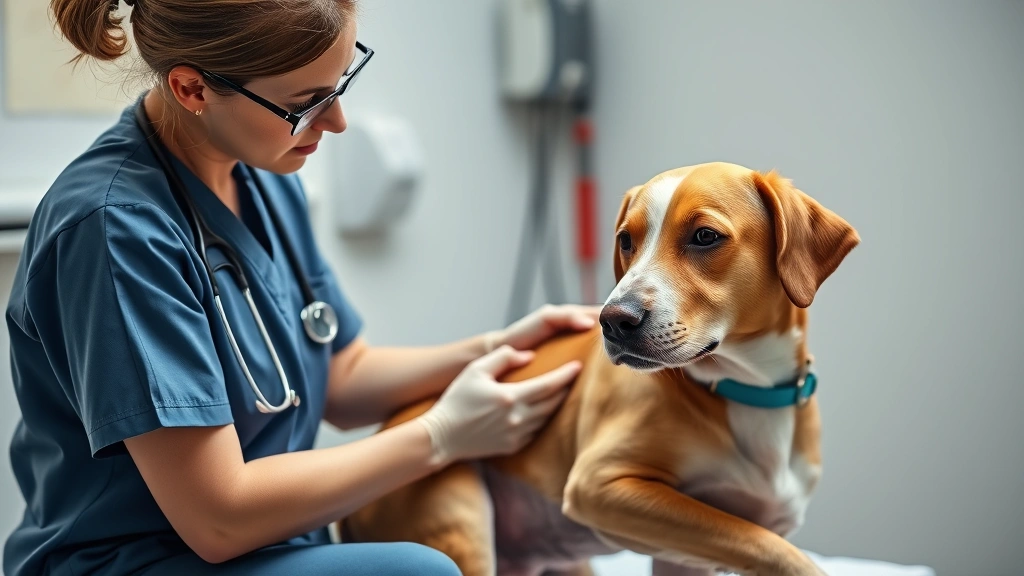
Infections anywhere in the reproductive tract cause pain and behavioral changes. A dog with an infected uterus is going to be cranky, and that crankiness can be directed at her litter.
This is exactly why monitoring your dog’s health during this critical period is non-negotiable. A vet check within 24 hours of birth should be standard practice.
Signs Your Mother Dog Might Be in Trouble
Watch for red flags that indicate a problem. Excessive panting, trembling, or restlessness can signal pain or illness. If your dog refuses to nurse her puppies or actively avoids them, that’s a warning sign. Aggression toward the puppies—growling, snapping, or biting—needs immediate investigation.
Vaginal discharge that’s foul-smelling or contains pus indicates infection. Refusal to eat, lethargy, or fever all point to health issues that need veterinary attention. Don’t wait to see if things improve—call your vet immediately.
Behavioral changes like excessive licking of the puppies (beyond normal grooming) or obsessive circling can indicate stress or neurological problems. Some dogs become overly protective to the point of aggression, attacking anyone who comes near the litter.
Prevention Strategies for Responsible Breeders and Owners
If you’re breeding dogs or expecting a litter, prevention is your best tool. Start with genetics. Choose breeding dogs with proven good temperament and maternal instincts. Health screening is non-negotiable—genetic testing, hip and elbow evaluations, and breed-specific health checks reduce risk significantly.
Prepare the environment meticulously. Create a quiet, comfortable whelping area away from household chaos. The space should be warm, dry, and secure. Some mother dogs do better with a den-like setup—think small, enclosed spaces where she feels protected.
Provide excellent nutrition before, during, and after pregnancy. A well-nourished mother dog is a healthier, calmer mother dog. Quality prenatal vitamins and appropriate calorie increases during lactation matter.
Minimize stress ruthlessly. Limit visitors, keep noise levels down, and maintain a consistent routine. If the mother dog seems anxious, talk to your vet about anxiety management—sometimes a calm dog is a safer dog.
Monitor closely without hovering. Check on the litter regularly but don’t constantly handle the puppies or stress the mother. Your presence should be calm and reassuring, not intrusive.
Socialize the mother dog before breeding. Dogs with good early socialization and exposure to various situations tend to be more stable parents.
What to Do If You Suspect Harm Is Occurring
If you witness or suspect a mother dog harming her puppies, act immediately. Separate the mother from the litter and get her to a vet for a full health evaluation. Don’t assume behavioral problems until medical issues are ruled out.
If the mother is healthy but still showing aggression, you might need to hand-raise the puppies. This involves bottle feeding, temperature regulation, and round-the-clock care. It’s exhausting but doable if you’re committed.
In some cases, the mother dog might be able to nurse if supervised closely, but the puppies need to be separated at night or when you can’t watch. This hybrid approach works for some families.
Document everything if you’re dealing with a breeder situation. Photos, dates, and veterinary records protect everyone involved and help identify patterns.
Common Myths About Dogs Eating Their Puppies
Let’s bust some myths. Myth 1: It’s common. False. It’s actually quite rare in domestic dogs, especially with proper care and monitoring.

Myth 2: It means the dog is evil or broken. False. It’s almost always a medical or environmental issue, not a character flaw.
Myth 3: You should never breed that dog again. Sometimes true, sometimes false. If it was a one-time health issue that’s been addressed, breeding might be possible. If it’s behavioral or genetic, absolutely don’t breed.
Myth 4: Hand-raising puppies is impossible. False. It’s hard, but many people do it successfully. You’ll need bottles, formula, heating pads, and a lot of patience, but it works.
Myth 5: All dogs are naturally good mothers. False. Maternal instinct varies widely among individual dogs, just like parenting abilities vary in humans.
Frequently Asked Questions
Can a dog eat her puppies if she’s hungry?
While starvation can theoretically trigger unusual behaviors, well-fed dogs in typical household situations don’t harm puppies due to hunger. Ensure your nursing mother has unlimited access to high-quality food and fresh water. If you’re concerned about nutrition, consult your vet about appropriate feeding during lactation.
What’s the difference between eating the placenta and eating puppies?
Eating the placenta and umbilical cord is completely natural and healthy. It provides nutrients and helps with uterine contractions. Eating healthy, living puppies is different and indicates a problem. You can tell the difference because the placenta comes out separately, and a mother dog should only eat her own placenta, not her puppies.
How often does this actually happen?
True infanticide in domestic dogs is rare—estimates suggest it occurs in less than 1-2% of litters, and usually only when specific risk factors are present. Most mother dogs are protective and nurturing by nature.
Is this more common in certain breeds?
Some breeds show stronger maternal instincts than others. Herding and working breeds often have better developed parenting behaviors. Toy breeds and some companion breeds can be more indifferent, though most are still protective. Individual personality matters more than breed in many cases.
Should I hand-raise all puppies to be safe?
No. Hand-raising is exhausting and should only be done if necessary. A healthy mother dog with proper support is always better for puppies. Only resort to hand-raising if the mother is unable or unwilling to care for the litter.
What should I feed a nursing mother dog?
A nursing mother needs high-quality, nutrient-dense food—ideally a puppy formula or performance diet with elevated protein and fat. Feed her as much as she wants; lactating dogs need 25-50% more calories than normal. Fresh water must always be available. For specific recommendations, check what foods are safe for your dog, and consult your vet about optimal nutrition during this period.
Can stress cause a dog to harm her puppies?
Yes, absolutely. Stress is one of the primary triggers for behavioral problems in nursing mothers. Loud environments, too many visitors, lack of privacy, and general household chaos can push a mother dog toward aggression or rejection. Create a calm, quiet space for nursing mothers.
When should I call a vet about mother dog behavior?
Call immediately if you see aggression toward puppies, refusal to nurse, fever, foul-smelling discharge, trembling, excessive panting, or lethargy. Don’t wait to see if it resolves. Also contact your vet if the mother seems anxious, withdrawn, or shows personality changes. Early intervention can prevent tragedy.
The Bottom Line: Knowledge and Prevention Win
Do dogs eat their babies? In extremely rare cases, yes—but it’s almost always preventable with proper care, health monitoring, and environmental management. The vast majority of mother dogs are naturally nurturing and protective.
If you’re breeding dogs, get serious about health screening, genetic selection, and proper care protocols. If you’re expecting a litter from your pet, work with your vet, provide excellent nutrition, create a calm environment, and monitor closely. Understanding proper nutrition for the whole family—including the nursing mother—is part of responsible pet ownership.
Most importantly, don’t let fear paralyze you. With knowledge and preparation, you can ensure a healthy, safe experience for your mother dog and her puppies. When in doubt, contact your veterinarian. They’re your best resource for peace of mind and expert guidance during this special time.





