
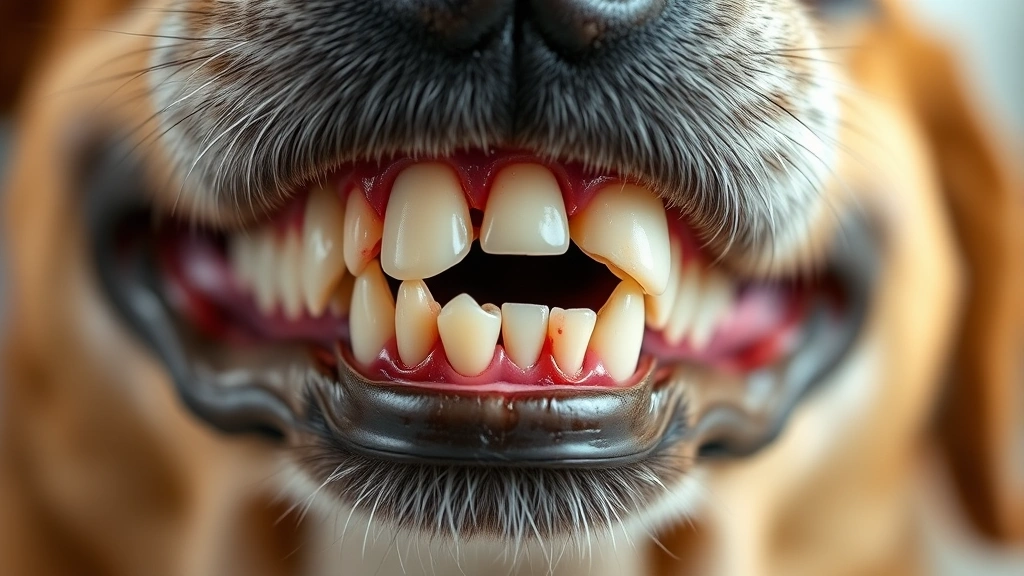
Yes, do dogs get braces—and it’s way more common than you’d think! Just like humans, our furry friends can have misaligned teeth that benefit from orthodontic treatment. But before you start picturing your pup with metal wires and tiny rubber bands, let’s dive into what canine orthodontics actually looks like and whether your dog really needs them.
Table of Contents
- Understanding Canine Orthodontics: More Than Just Cosmetics
- Types of Bite Problems in Dogs That Require Treatment
- When Does Your Dog Actually Need Braces?
- What Types of Braces Do Vets Actually Use?
- The Treatment Timeline and What to Expect
- Cost Considerations for Canine Braces
- Alternatives to Traditional Braces
- Post-Treatment Care and Retainers
- Breed-Specific Considerations for Orthodontics
- Prevention: Can You Avoid Braces Altogether?
- When to Contact Your Vet About Dental Issues
- Frequently Asked Questions
- Summary: Making the Right Decision for Your Dog’s Dental Health
Understanding Canine Orthodontics: More Than Just Cosmetics
When we talk about dogs getting braces, we’re referring to veterinary orthodontics—a specialized field that addresses bite problems and tooth misalignment in pets. Unlike human braces, which are mostly about achieving that Hollywood smile, dog braces serve a critical functional purpose. A misaligned bite can cause serious health issues including difficulty eating, jaw pain, and chronic infections.
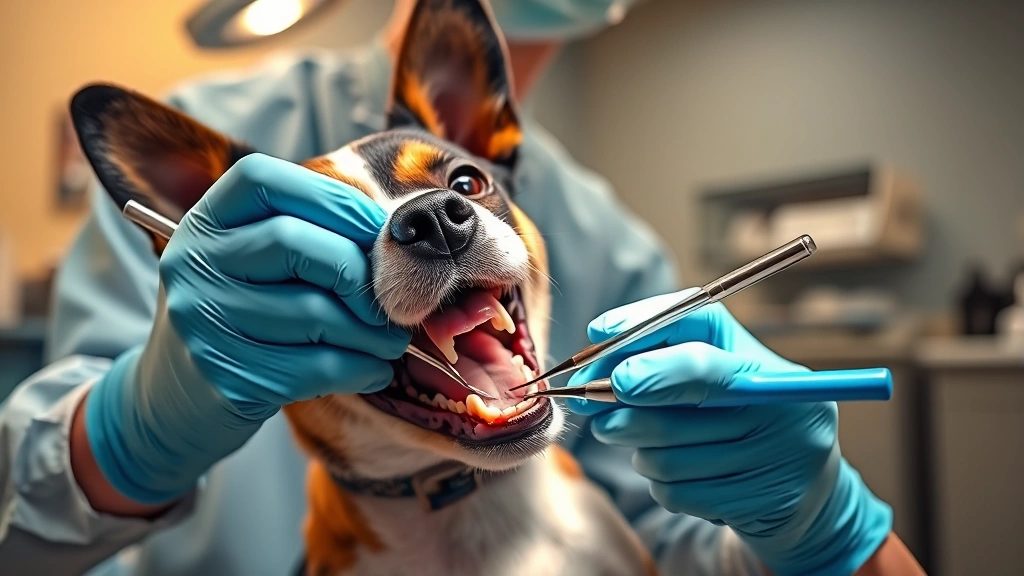
The American Veterinary Dental College recognizes orthodontics as an essential treatment option for dogs with significant bite problems. Your veterinary orthodontist will evaluate your dog’s teeth alignment and determine if treatment is necessary. Many pet owners are surprised to learn that their dog’s dental health directly impacts their overall quality of life.
Types of Bite Problems in Dogs That Require Treatment
Dogs can develop several types of bite misalignments, some more serious than others. An overbite occurs when the upper jaw extends too far over the lower jaw, while an underbite is the opposite—the lower jaw protrudes beyond the upper jaw. A crossbite happens when some upper teeth close inside the lower teeth, creating an asymmetrical bite pattern.
Some breeds are genetically predisposed to these issues. Bulldogs, Boxers, and Pugs commonly have underbites as part of their breed standard, but when the misalignment is severe enough to cause pain or dysfunction, orthodontic intervention becomes necessary. Smaller breeds like Chihuahuas and Dachshunds sometimes experience crowded teeth that can trap food and bacteria.
When Does Your Dog Actually Need Braces?
Not every dog with slightly crooked teeth needs orthodontic treatment. Veterinarians typically recommend braces when the bite problem affects eating, causes pain, or leads to self-trauma. If your dog’s teeth are rubbing against their gums or palate, causing sores or infections, that’s a red flag.
If you’ve noticed your dog chewing only on one side of their mouth, drooling excessively, or showing reluctance to eat hard kibble, it’s time to schedule a consultation with a veterinary dentist. You can also reach out through Pet Telehealth for an initial assessment. Early intervention often prevents more serious complications down the road.
What Types of Braces Do Vets Actually Use?
Veterinary orthodontics has come a long way. The most common option is fixed appliances (similar to human braces), where brackets and wires are bonded to the teeth. These gradually apply pressure to move teeth into proper alignment. Another option is removable appliances, which work like retainers and are used for less severe cases.
Some vets use functional appliances that work with your dog’s natural jaw growth and movement. These are particularly useful for younger dogs whose jaws are still developing. The type of braces recommended depends entirely on your dog’s specific dental problem and age.
The Treatment Timeline and What to Expect
Unlike human orthodontics, which can take 2-3 years, dog braces typically require 6-12 months of treatment. Your veterinary orthodontist will schedule regular check-ups every 4-6 weeks to adjust the braces and monitor progress. Dogs adapt remarkably well to braces—they don’t experience the same self-consciousness humans do!
During treatment, you’ll need to modify your dog’s diet slightly. Hard kibble, bones, and sticky treats should be avoided to prevent damage to the appliances. Your vet will provide specific feeding instructions. Most dogs continue their normal activities, though you should avoid rough play that could damage the braces.
Cost Considerations for Canine Braces
Veterinary orthodontics isn’t cheap. Treatment typically costs between $1,500 to $3,000, depending on the complexity of the case and your location. Some practices offer payment plans to make treatment more accessible. Dental insurance for pets may cover part of the cost, so check your policy.
While the expense is significant, consider it an investment in your dog’s long-term health and quality of life. A dog that can eat comfortably and without pain will be a happier, healthier companion. For guidance on managing costs, Telehealth Pet Nutrition Consultation services can help you understand nutritional needs during treatment.
Alternatives to Traditional Braces
Not all bite problems require braces. In some cases, extraction of problematic teeth is the most practical solution, particularly if the dog is older or has other health concerns. Selective tooth removal can eliminate pain-causing misalignment without the commitment of orthodontic treatment.
Some veterinarians use crown lengthening or other surgical techniques to correct bite problems. Your vet will discuss all options during the consultation. For dogs with food-related complications from dental issues, Human Foods for Pets with Dental Issues offers practical dietary solutions during treatment.
Post-Treatment Care and Retainers
After your dog’s braces come off, the work isn’t quite done. Teeth have a natural tendency to shift back to their original positions, so your vet will likely recommend a retainer. For dogs, retainers are usually worn at night or several nights per week for several months following treatment.
Some dogs wear removable retainers indefinitely to maintain their corrected bite. Your orthodontist will create a customized retention plan based on your dog’s specific case. Regular dental check-ups become even more important post-treatment to ensure everything stays aligned.
Breed-Specific Considerations for Orthodontics
Certain breeds have unique orthodontic challenges. Brachycephalic breeds (flat-faced dogs like Pugs and French Bulldogs) often have severe crowding and bite problems due to their compressed facial structure. These cases may require more aggressive treatment or alternative approaches.
Large breed dogs sometimes develop bite problems as they grow, particularly if there’s a mismatch between jaw growth rates. Giant breeds like Great Danes and German Shepherds can benefit from early orthodontic intervention if problems are detected during growth. Consult with your vet about breed-specific dental health concerns.
Prevention: Can You Avoid Braces Altogether?
While you can’t prevent genetically-determined bite problems, good dental care from puppyhood can prevent some issues. Avoid toys that encourage abnormal jaw development or tooth trauma. Monitor your puppy’s teeth as they develop—if you notice anything unusual, contact your vet early.
Proper nutrition supports healthy tooth and jaw development in growing dogs. Online Vet Advice for Food Reactions can help you identify foods that support dental health. Regular dental check-ups starting in puppyhood allow your vet to catch developing problems before they become serious.

When to Contact Your Vet About Dental Issues
If you’ve noticed your dog struggling to eat, showing signs of mouth pain, or developing bad breath, don’t wait. When to Call the Vet About Food provides guidance on recognizing dental-related eating problems. Schedule a dental examination with your regular vet, who can refer you to a specialist if needed.
Visible tooth misalignment alone isn’t always cause for concern, but if it’s affecting your dog’s eating, behavior, or causing injury to soft tissues, professional evaluation is essential. Early intervention typically leads to better outcomes and faster treatment times.
Frequently Asked Questions
Do dogs really need braces like humans do?
Dogs don’t need braces for cosmetic reasons, but they may need them if bite misalignment causes pain, eating difficulties, or self-trauma. The primary goal of canine orthodontics is improving function and health, not appearance.
Will my dog be in pain while wearing braces?
Dogs experience minimal discomfort with braces. There may be slight soreness for a day or two after adjustments, similar to what humans experience, but most dogs adapt quickly and show no signs of pain during normal treatment.
How long do dogs have to wear braces?
Most dogs wear braces for 6-12 months, significantly shorter than the 2-3 years typical for humans. The exact timeline depends on the severity of the bite problem and how quickly the dog’s teeth respond to treatment.
Can puppies get braces?
Yes, puppies can benefit from early orthodontic intervention, particularly if bite problems are detected during growth. Treating younger dogs often results in faster correction and better long-term outcomes.
Are there any risks associated with dog braces?
Complications are rare when braces are placed and monitored by a qualified veterinary orthodontist. Potential issues include bracket breakage, gum irritation, or infection if oral hygiene isn’t maintained. Your vet will provide specific care instructions to minimize risks.
Can I get braces for my senior dog?
Age alone isn’t a barrier to orthodontic treatment. However, older dogs with other health conditions may not be good candidates. Your vet will evaluate your senior dog’s overall health before recommending treatment.
Summary: Making the Right Decision for Your Dog’s Dental Health
So, do dogs get braces? Absolutely—and for many dogs, orthodontic treatment significantly improves their quality of life. While not every dog with crooked teeth needs braces, those with bite problems affecting eating, causing pain, or leading to injury definitely benefit from professional evaluation.
The decision to pursue orthodontic treatment should be made in consultation with your veterinarian or a veterinary orthodontist. They’ll assess your dog’s specific situation, explain all available options, and help you understand the costs and benefits. With modern veterinary orthodontics, correcting your dog’s bite is safer and faster than ever before. Your dog deserves to eat comfortably and live without mouth pain—sometimes, that means getting braces!





