
Do Dogs Get Cavities? What Pet Dentists Say
If you’ve ever wondered whether your furry best friend can develop cavities like you can, you’re not alone. It’s a question that puzzles many dog owners, especially after they notice their pup’s breath could knock over a small tree. The truth is, yes—dogs absolutely can get cavities, though the process works a bit differently than it does in humans. The good news? Understanding how canine cavities develop can help you protect your dog’s pearly whites and keep them smiling for years to come.
Unlike humans who obsess over candy and sugary snacks, dogs face their own set of dental challenges. While cavities in dogs are less common than in people, they’re certainly not impossible. In fact, dental disease is one of the most prevalent health issues affecting our canine companions, with studies showing that a significant percentage of dogs over three years old suffer from some form of dental disease. The difference is that cavities represent just one piece of the larger puzzle of canine oral health.
So what exactly causes cavities in dogs, and more importantly, what can you do to prevent them? Let’s dig into the details and discover what pet dentists want every dog owner to know about keeping their pup’s teeth in tip-top shape.
Do Dogs Actually Get Cavities?
The straightforward answer is yes, dogs can get cavities, but it’s important to understand that cavities are relatively uncommon in our canine companions compared to humans. This isn’t because dogs have superior dental genetics—it’s because their mouth chemistry and diet are fundamentally different from ours. Dogs have a more alkaline saliva than humans, which means their mouths are naturally less acidic. Since cavity-causing bacteria thrive in acidic environments, this gives dogs a built-in advantage when it comes to cavity prevention.
However, this doesn’t mean your dog gets a free pass to skip dental care. While true cavities might be less frequent, dogs are highly susceptible to other serious dental problems, particularly periodontal disease. According to the American Animal Hospital Association, dental disease affects the majority of dogs and cats over the age of three. Understanding the difference between cavities and other dental issues is crucial for responsible pet ownership.
When cavities do occur in dogs, they typically develop on the chewing surfaces of teeth or between teeth where food particles accumulate. Certain breeds and individual dogs seem more prone to cavity development than others, though researchers are still working to pinpoint exactly why. What we do know is that diet, oral hygiene, and genetics all play significant roles.

How Cavities Form in Dogs
To understand cavity formation in dogs, we need to look at what happens inside that furry mouth. Cavities develop when bacteria in the mouth produce acid that eats away at tooth enamel and the underlying dentin. This process requires several conditions to be met simultaneously: the presence of cavity-causing bacteria, dietary sugars or carbohydrates for the bacteria to feed on, and time for the damage to accumulate.
The primary cavity-causing bacterium in dogs is Streptococcus mutans, the same culprit responsible for most human cavities. When dogs consume sugary or carbohydrate-rich foods, these bacteria have a field day, multiplying rapidly and producing acids as a metabolic byproduct. If plaque isn’t removed regularly, it hardens into tartar (also called calculus), creating an environment where bacteria can thrive undisturbed.
One reason cavities are less common in dogs relates to their diet. Unlike humans who often consume processed sugary foods and beverages, dogs on a proper diet eat primarily protein-based foods. Their natural diet consists of meat, which doesn’t provide the same fuel for cavity-causing bacteria. However, many commercial dog foods contain grains and carbohydrates, which can increase cavity risk if oral hygiene isn’t maintained.
It’s also worth noting that why your dog’s breath might stink could be related to cavity formation or other dental issues. Bad breath is often one of the first signs that something isn’t right with your pup’s oral health.
Signs Your Dog Might Have Cavities
Recognizing the early warning signs of cavities in dogs is essential for catching dental problems before they become serious. Unfortunately, dogs can’t tell us when their teeth hurt, so we need to watch for behavioral and physical changes that might indicate dental discomfort.
One of the most common signs is a reluctance to eat, particularly with hard kibble or treats. Dogs with painful teeth or cavities often prefer softer foods or may eat on only one side of their mouth. You might notice your pup dropping food while eating or taking longer than usual to finish meals. Some dogs become pickier eaters altogether, turning their nose up at foods they previously loved.
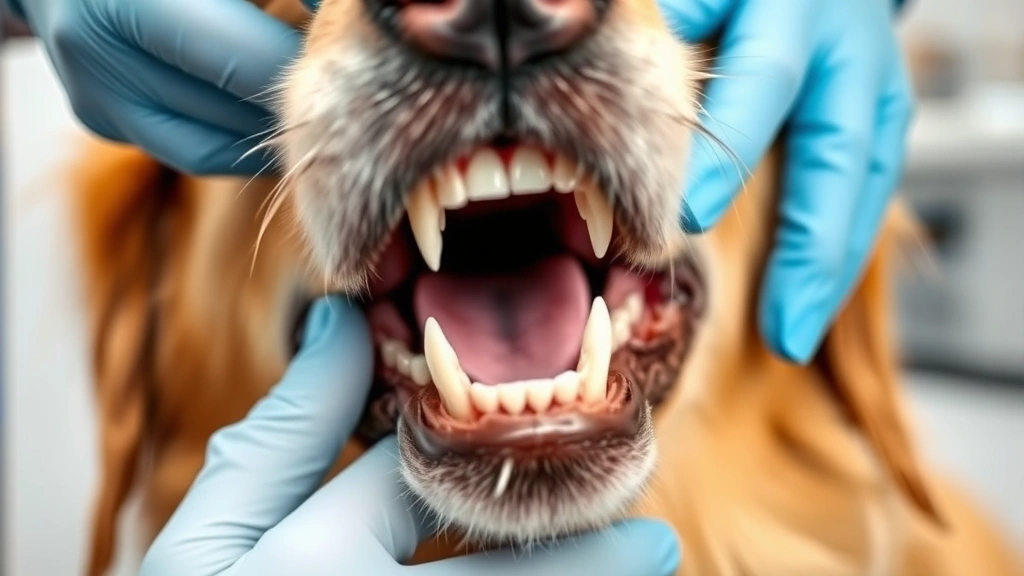
Bad breath is another telltale indicator. While all dogs have some degree of doggy breath, a particularly foul odor can signal cavity formation or other dental disease. The smell often intensifies as bacteria multiply in the mouth. Additionally, look for visible signs of decay—dark spots or discoloration on the teeth, especially on the chewing surfaces.
Behavioral changes can also point to dental problems. Dogs experiencing tooth pain may become irritable, avoid chew toys they normally enjoy, or drool excessively. Some dogs paw at their face or rub their face against furniture when experiencing oral discomfort. Swelling or inflammation around the jaw area is another serious sign that warrants immediate veterinary attention.
If your dog has been losing teeth or showing signs of tooth decay, it’s crucial to schedule a veterinary dental examination promptly. What starts as a small cavity can quickly develop into a serious infection if left untreated.
Prevention: The Best Medicine
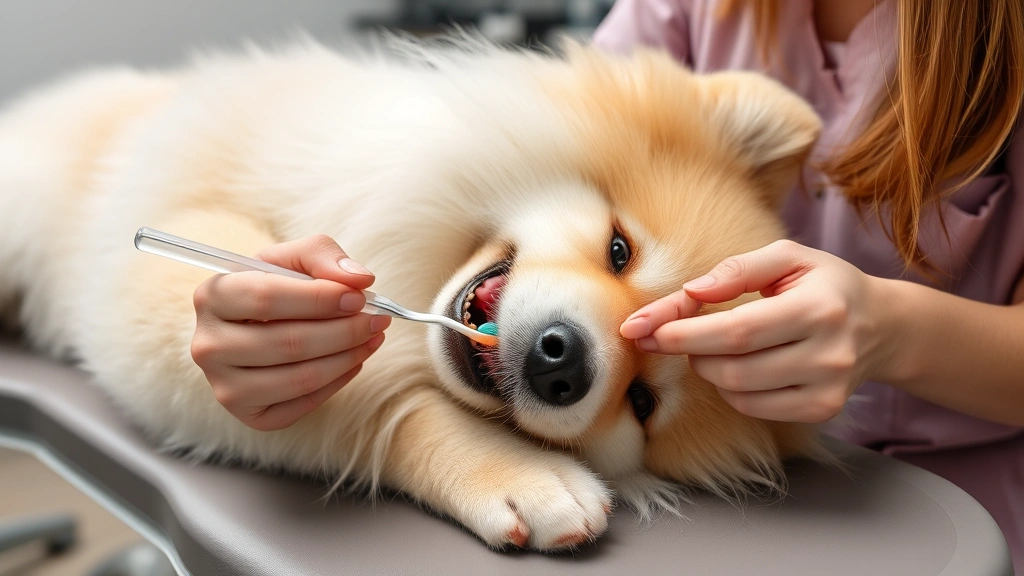
The best approach to cavities and other dental disease is prevention. This starts with establishing a regular dental care routine at home. Daily tooth brushing is the gold standard for maintaining canine oral health. Using a dog-specific toothpaste and a soft-bristled toothbrush, aim to brush your dog’s teeth at least three to four times per week, though daily is ideal.
Many dog owners worry that brushing their dog’s teeth will be a battle, but with patience and positive reinforcement, most dogs adapt well to the routine. Start slowly, letting your dog lick the toothpaste from your finger to get accustomed to the taste. Gradually introduce the toothbrush, and always make it a positive experience with praise and treats afterward.
Diet plays a significant role in cavity prevention. Feeding your dog high-quality food with minimal added sugars and unnecessary carbohydrates helps reduce cavity risk. When considering treats, be mindful of their sugar content. While many dog treats are formulated to be safe, some commercial options contain surprising amounts of added sugars and fillers.
Regarding specific foods, you might wonder about common treats. For instance, whether dogs can have peanut butter is a question many owners ask—and while peanut butter can be safe in moderation, you should choose varieties without added sugars and xylitol. Similarly, rawhide chews and their safety is worth researching, as some dogs may have difficulty digesting them properly.
Dental chews and toys designed to promote oral health can be beneficial additions to your dog’s routine. These products help mechanically remove plaque and tartar buildup through the chewing action. Look for products approved by the American Veterinary Dental College, which maintains a list of products proven to reduce plaque and tartar accumulation.
Water quality matters too. Some research suggests that providing your dog with filtered or high-quality water can support overall oral health. Avoiding sugary beverages or broths meant for human consumption is particularly important.
Professional Dental Care for Dogs
While home care is essential, professional dental cleanings performed by a veterinarian are equally important for maintaining your dog’s oral health. These professional cleanings go far deeper than what you can achieve at home, removing tartar buildup both above and below the gumline—the most critical area for preventing serious dental disease.
Most veterinarians recommend professional dental cleanings annually, though some dogs with existing dental disease may need them more frequently. During a professional cleaning, your veterinarian uses specialized equipment to scale and polish the teeth, then examines the mouth thoroughly for any signs of cavities, infections, or other problems. X-rays may be taken to assess the health of tooth roots and bone structure beneath the gumline.
These procedures require anesthesia, which understandably makes some dog owners nervous. However, modern veterinary anesthesia is quite safe, and the benefits of professional dental care far outweigh the minimal risks. Your veterinarian will conduct pre-anesthetic bloodwork to ensure your dog is healthy enough for the procedure.
If cavities are discovered during examination, your veterinarian may recommend fillings, similar to those used in human dentistry. In some cases, severely decayed teeth may need to be extracted. While this might sound alarming, dogs function remarkably well without certain teeth, and extraction of a problematic tooth is often better than attempting to save it if it’s causing pain or infection.
Diet and Dental Health Connection
The relationship between diet and dental health in dogs cannot be overstated. What your dog eats directly impacts the health of their teeth and gums. Understanding this connection empowers you to make better nutritional choices for your furry friend.
Dry kibble is generally considered better for dental health than wet food because the mechanical action of chewing helps remove some plaque and tartar. However, not all dry foods are created equal. Look for high-quality kibble with minimal fillers and added sugars. Some premium dog foods are specifically formulated with dental health in mind, featuring ingredients and textures designed to promote oral hygiene.
Raw diets have gained popularity among some dog owners, partly due to the belief that they promote better dental health. The theory is that the raw meat and bones provide natural cleaning action and better nutritional support for teeth and gums. However, raw diets come with their own risks, including potential bacterial contamination, so discuss this option thoroughly with your veterinarian before making the switch.
Certain dietary supplements can support oral health. Probiotics formulated for oral health, omega-3 fatty acids, and specific enzymes have shown promise in research for reducing plaque formation and supporting gum health. Always consult your veterinarian before adding supplements to your dog’s diet.
It’s also worth considering how certain behaviors related to diet affect dental health. Why dogs chew their paws could indicate nutritional deficiencies or allergies, which can ultimately affect their overall health, including dental health. Ensuring your dog receives proper nutrition addresses multiple health concerns simultaneously.
Additionally, be cautious about sharing human foods with your dog. Many foods safe for humans can damage canine teeth or promote cavity formation. Sticky foods, hard candies (which some owners mistakenly give to dogs), and foods high in simple carbohydrates should be avoided.
Frequently Asked Questions
How common are cavities in dogs?
Cavities are relatively uncommon in dogs compared to humans, affecting only a small percentage of the canine population. However, dental disease in general—including periodontal disease, gingivitis, and tartar buildup—is extremely common, affecting up to 90% of dogs over age four. The rarity of cavities is largely due to dogs’ more alkaline saliva and dietary differences from humans.
Can puppies get cavities?
Puppies are less likely to develop cavities than adult dogs because their baby teeth are temporary and will be replaced by permanent teeth. However, establishing good oral hygiene habits early sets the foundation for lifelong dental health. Once permanent teeth erupt (usually by six months of age), the same cavity risks apply as in adult dogs.
What should I do if I suspect my dog has a cavity?
If you suspect your dog has a cavity or any dental problem, schedule an appointment with your veterinarian as soon as possible. Early intervention can prevent complications and save your dog from unnecessary pain. Your vet may recommend a professional dental cleaning and examination under anesthesia to properly diagnose and treat the problem.
Are certain dog breeds more prone to cavities?
While any dog can develop cavities, certain breeds may be predisposed to dental problems. Small breeds, in particular, tend to have more crowded teeth, which can trap food particles and make plaque removal more difficult. Breeds with shorter muzzles may also experience more dental crowding. Genetics, jaw structure, and individual susceptibility all play roles in cavity development.
Is dog toothpaste safe if swallowed?
Dog toothpaste is formulated to be safe if swallowed, unlike human toothpaste which contains fluoride at levels that could be harmful to dogs. Dog toothpaste typically comes in flavors appealing to dogs, like chicken or peanut butter, and is designed to be palatable. However, you should still use only the recommended amount and avoid excessive swallowing when possible.
Can diet alone prevent cavities in dogs?
While diet is an important component of cavity prevention, it cannot alone prevent cavities entirely. A comprehensive approach including daily tooth brushing, professional dental cleanings, appropriate chew toys, and a healthy diet provides the best protection. According to research from the Association of American Feed Control Officials, nutrition is crucial, but oral hygiene practices are equally essential.
What happens if my dog’s cavity isn’t treated?
Untreated cavities can progress to more serious conditions, including infections that spread to the jaw bone or even into the bloodstream. Tooth root abscesses can develop, causing severe pain and systemic health problems. In some cases, untreated dental disease can affect the heart and kidneys. This is why preventive care and early treatment are so important.
Are there natural remedies for preventing cavities in dogs?
While some natural remedies like coconut oil have been touted for oral health benefits, scientific evidence supporting their effectiveness in dogs is limited. The most proven natural prevention methods are mechanical—regular brushing and appropriate chewing. Always consult your veterinarian before trying alternative treatments, as some natural substances can be harmful to dogs.
Understanding that overall health issues can be interconnected is important; dental disease can sometimes indicate or lead to other health problems, making preventive care even more critical for your dog’s wellbeing.





