
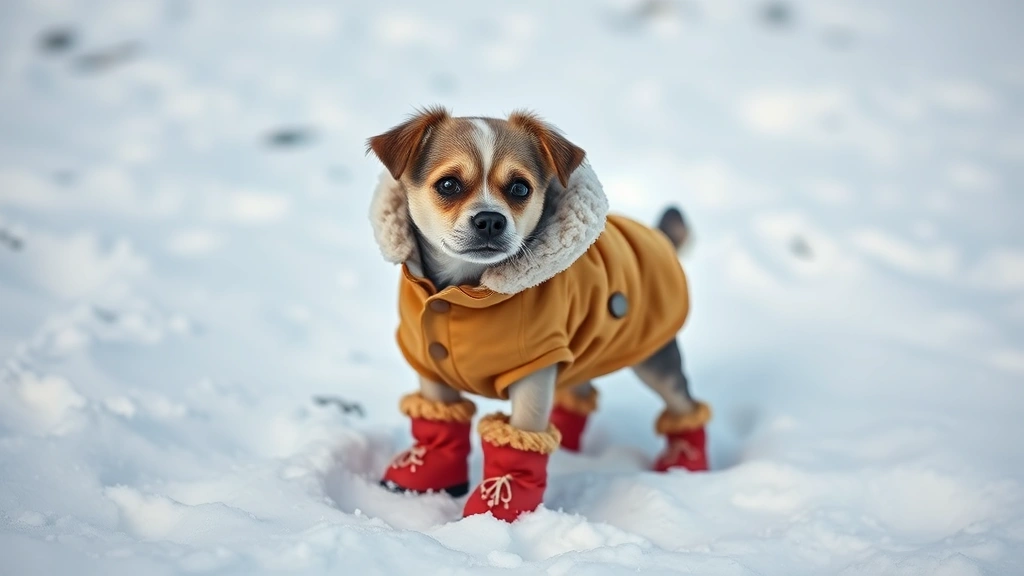
Yes, do dogs get cold—absolutely they do. While your pup’s fur coat might make them look like they’re perpetually bundled up, dogs are actually pretty vulnerable to chilly weather. Just like humans, dogs can experience discomfort, hypothermia, and frostbite when temperatures drop. The difference? They can’t exactly tell you when their paws are freezing or their teeth are chattering.
Table of Contents
- Can Dogs Actually Feel Cold?
- 5 Essential Signs Your Dog Is Cold
- Which Dog Breeds Are Most Vulnerable to Cold?
- Temperature Guidelines: When It’s Too Cold for Dogs
- Winter Coat Solutions and Dog Clothing
- Indoor Comfort: Creating a Warm Haven
- Nutrition and Cold Weather Care
- Health Risks Associated with Cold Exposure
- When to Consult Your Veterinarian
- Cold Weather Exercise and Activity
- Frequently Asked Questions
- Final Thoughts: Keeping Your Pup Warm and Happy
As a vet tech with years of experience, I’ve seen plenty of cold-related issues that could’ve been prevented with a little knowledge and preparation. So let’s dive into what you need to know about keeping your furry friend warm and cozy when the mercury drops.
Can Dogs Actually Feel Cold?
Your dog’s ability to feel cold depends on several factors. Unlike humans who regulate body temperature through sweat glands all over their skin, dogs primarily cool themselves through panting. This means their temperature regulation system works differently—and yes, they absolutely can get uncomfortably cold.
Small breeds, senior dogs, and puppies are particularly susceptible to cold temperatures. A Chihuahua shivering in 40-degree weather isn’t being dramatic; they’re genuinely struggling. Meanwhile, a Husky bred for Arctic conditions might be perfectly comfortable in the same temperature. Breed genetics play a massive role in cold tolerance, along with factors like age, health status, and body fat percentage.
5 Essential Signs Your Dog Is Cold
Recognizing when your dog is experiencing cold symptoms in dogs can prevent serious health issues. Here are the telltale signs:
1. Shivering and Trembling
This is the most obvious sign. If your dog is shaking like they just came out of a washing machine, they’re cold. Some dogs shiver as their body tries to generate heat through muscle contractions.
2. Reluctance to Go Outside
Notice your normally enthusiastic outdoor enthusiast suddenly refusing walks? They might be cold. Some dogs will do their business quickly and make a beeline back inside.
3. Seeking Warmth Constantly
Your pup camping out on the couch under blankets, huddling near heating vents, or refusing to leave your lap? Classic cold-dog behavior. They’re actively seeking heat sources because their body temperature is dropping.
4. Curled-Up Sleeping Position
When dogs curl into a tight ball with their tail wrapped around themselves, they’re conserving body heat. This is different from their normal sleeping position and indicates they’re trying to stay warm.
5. Lethargy and Decreased Activity
A cold dog might seem sluggish, uninterested in play, or generally depressed. This happens because their body is working hard to maintain core temperature, leaving less energy for fun activities.
Which Dog Breeds Are Most Vulnerable to Cold?
Not all dogs are created equal when it comes to cold tolerance. Small breeds are especially susceptible because they have a higher surface-area-to-body-mass ratio, meaning they lose heat faster. Toy breeds like Chihuahuas, Italian Greyhounds, and Miniature Pinschers struggle in cold weather.
Dogs with thin or short coats—like Greyhounds, Boxers, and Pit Bulls—lack the insulation that longer-haired breeds enjoy. Even some larger breeds with short coats can struggle in freezing temperatures. Senior dogs and puppies have less efficient temperature regulation systems, making them vulnerable regardless of breed.
On the flip side, breeds like Huskies, Malamutes, Saint Bernards, and other cold-weather breeds have thick double coats that provide excellent insulation. These pups can handle temperatures that would make other dogs miserable.
Temperature Guidelines: When It’s Too Cold for Dogs
So what temperature is actually too cold? Generally speaking:

- 45°F (7°C) and above: Safe for most dogs
- 32-45°F (0-7°C): Caution for small, thin-coated, senior, or young dogs
- Below 32°F (0°C): Dangerous for most dogs; limit outdoor time
- Below 0°F (-18°C): Dangerous for all dogs; minimize outdoor exposure
Wind chill matters too. A temperature of 20°F with strong winds feels much colder than 20°F on a calm day. Wet fur also accelerates heat loss, so a damp dog gets cold faster than a dry one.
Winter Coat Solutions and Dog Clothing
If your dog is susceptible to cold, investing in appropriate winter gear is essential. Dog sweaters, coats, and booties aren’t just fashion statements—they’re functional protection. Look for water-resistant materials that provide insulation without adding excessive bulk.
For small breeds and thin-coated dogs, a well-fitting coat can make the difference between a comfortable walk and a miserable one. Booties protect paw pads from salt, ice, and cold surfaces. Some dogs resist clothing initially, but with patience and positive reinforcement, most adjust quickly.
Consider your dog’s individual needs. A senior Greyhound might need a coat at 50°F, while a young Husky might not need one until temperatures drop below 20°F. Pay attention to your specific dog’s behavior and adjust accordingly.
Indoor Comfort: Creating a Warm Haven
Even indoors, you should ensure your dog has warm spaces. Provide a cozy bed away from drafts and cold tile floors. Many pet parents find that cooling dog beds work great year-round with appropriate blankets layered on top during winter.
Elevated dog beds help insulate your pup from cold floors. Orthopedic beds with memory foam provide comfort and warmth, especially for senior dogs with arthritis that worsens in cold weather. Place beds in warmer areas of your home, away from windows and exterior doors where drafts sneak in.
Keep your home at a comfortable temperature—usually 68-72°F is ideal for most dogs. If you lower your thermostat at night, provide extra blankets or a heated dog bed to compensate.
Nutrition and Cold Weather Care
During winter months, your dog’s nutritional needs might change slightly. Dogs working hard to maintain body temperature in cold weather may need slightly more calories. This is especially true for outdoor dogs, though most indoor pets don’t need significant dietary changes.
Consider incorporating immune boosting foods for pets into your dog’s diet during winter. A strong immune system helps prevent cold-related illnesses. Additionally, ensure your dog stays hydrated—dehydration is common in winter when dogs drink less water.
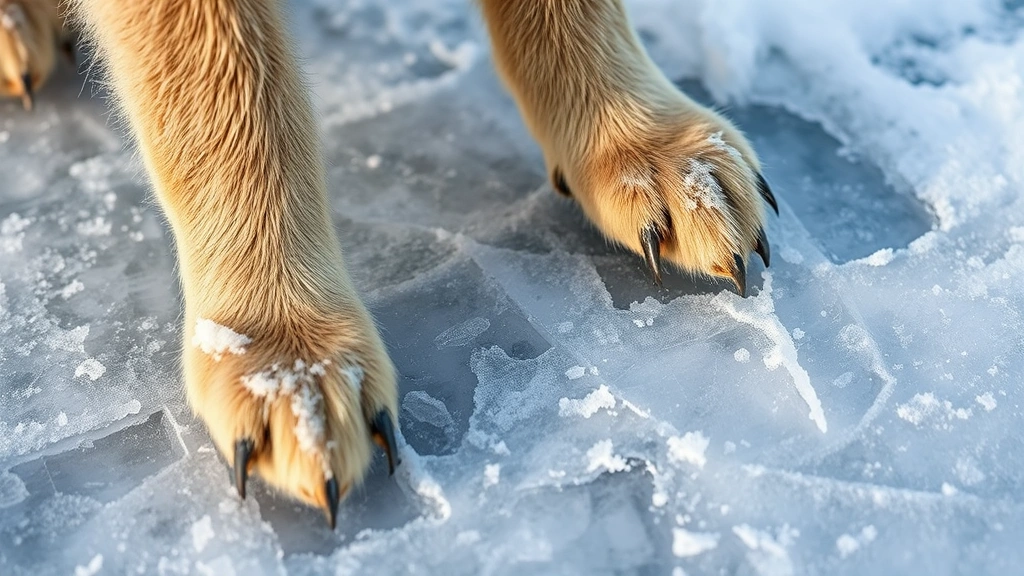
Paw pad care is crucial too. Salt and ice-melt chemicals irritate paws and can be toxic if ingested. Rinse paws after winter walks and consider paw balm to protect sensitive skin.
Health Risks Associated with Cold Exposure
Prolonged cold exposure can lead to serious health issues. Hypothermia occurs when core body temperature drops dangerously low, causing confusion, weakness, and potentially organ failure. Frostbite affects extremities like ears, paws, and tails, causing tissue damage that might not be immediately visible.
Cold weather can also exacerbate existing health conditions. Arthritis becomes more painful in cold temperatures. Heart conditions may worsen. Dogs with respiratory issues might experience increased difficulty breathing in cold air.
If you suspect hypothermia or frostbite, seek veterinary care immediately. Symptoms include extreme lethargy, unresponsiveness, pale gums, and weak pulse. Don’t apply direct heat; gradual warming is essential.
When to Consult Your Veterinarian
Contact your vet if your dog shows signs of cold-related illness, or if you’re unsure whether your specific dog can handle cold weather. Vets can assess your individual dog’s risk factors and provide personalized recommendations.
For dogs with health conditions, online vet advice services can quickly address winter-related concerns. Senior dogs especially benefit from professional guidance on managing arthritis and other age-related issues that worsen in cold.
Some conditions require dietary adjustments during winter. Vet approved human foods for pets can supplement regular meals when recommended by your veterinarian.
Cold Weather Exercise and Activity
Cold weather doesn’t mean your dog should become sedentary. Exercise is crucial for physical and mental health, even in winter. Adjust the duration and intensity based on your dog’s cold tolerance. Multiple short walks often work better than one long walk in freezing temperatures.
Play indoors on extremely cold days. Fetch down hallways, hide-and-seek games, and interactive toys keep dogs mentally stimulated without cold exposure. Treadmills designed for dogs can supplement outdoor exercise when weather is dangerous.
Watch for signs of discomfort during winter walks. If your dog is reluctant, shivering, or limping, cut the walk short. Some days are simply too cold for outdoor activity, and that’s okay.
Frequently Asked Questions
At what temperature do dogs need a coat?
This depends on your dog’s breed, age, and coat type. Generally, small breeds and thin-coated dogs need coats when temperatures drop below 45°F. Large, thick-coated breeds might not need one until it’s well below freezing. Watch your individual dog’s behavior for guidance.
Can dogs get frostbite?
Yes, absolutely. Frostbite affects extremities like ears, paws, and tails. It occurs when tissue freezes, causing damage that might not be immediately visible. Prevention through appropriate clothing and limiting cold exposure is essential.
Do all dog breeds need winter protection?
No. Cold-weather breeds like Huskies and Malamutes have evolved thick coats for protection. However, small breeds, thin-coated dogs, seniors, and puppies typically need extra protection in winter.
Is it safe to leave dogs outside in winter?
Outdoor dogs need shelter, insulation, and access to unfrozen water. Even cold-weather breeds shouldn’t be left outside in extreme cold for extended periods. Most dogs do best living indoors during winter.
What’s the difference between shivering from cold and shivering from illness?
Cold-related shivering typically stops once the dog warms up and is often accompanied by seeking warmth. Illness-related shivering might persist and come with other symptoms like lethargy, loss of appetite, or vomiting. Contact your vet if you’re unsure.
Final Thoughts: Keeping Your Pup Warm and Happy
So, do dogs get cold? You bet they do, and understanding your individual dog’s needs is crucial for their winter wellness. By recognizing the signs, providing appropriate protection, and adjusting activities based on temperature, you can keep your furry friend comfortable all season long.
Pay attention to your dog’s behavior, invest in quality winter gear if needed, and don’t hesitate to consult your veterinarian about cold-weather concerns. Every dog is different, and what works for your neighbor’s Labrador might not work for your Chihuahua. With a little preparation and awareness, you and your pup can enjoy winter safely and happily.





