

Do Dogs Get Concussions? What Pet Experts Say
Your furry best friend just took a tumble off the couch, bonked their head during an enthusiastic game of fetch, or had an unfortunate collision at the dog park. As their worried owner, you’re probably wondering: do dogs get concussions? The short answer is yes—dogs absolutely can suffer concussions, and understanding how to recognize and respond to this injury could make all the difference in your pet’s recovery.
Concussions in dogs are more common than many pet owners realize. Whether your pup is a graceful greyhound or a clumsy Great Dane, any dog can experience a head injury that results in a concussion. The tricky part? Dogs can’t tell us when their heads hurt or if they’re feeling dizzy. That’s why it’s crucial for pet parents to know the signs, understand the risks, and know when it’s time to call the vet.
In this comprehensive guide, we’ll explore everything you need to know about canine concussions, from how they happen to what recovery looks like. We’ll break down the science, share real-world scenarios, and arm you with the knowledge to keep your pup safe and healthy.
What Is a Canine Concussion?
A concussion is a type of traumatic brain injury caused by a bump, blow, or jolt to the head that changes how the brain normally works. According to the American Kennel Club, concussions occur when the brain moves within the skull due to sudden acceleration or deceleration forces. Think of it like a water balloon sloshing inside its container—the rapid movement causes temporary disruption to brain function.
In dogs, concussions are classified as mild traumatic brain injuries (mTBI). While “mild” might sound reassuring, don’t let the terminology fool you. Any concussion deserves serious attention and veterinary evaluation. The brain is delicate, and even seemingly minor impacts can have significant consequences if left untreated.
What makes canine concussions particularly tricky is that dogs can’t communicate their symptoms the way humans can. Your dog won’t tell you they have a headache or that the room is spinning. Instead, you’ll need to watch for behavioral and physical changes that indicate something isn’t quite right.
The severity of a concussion depends on several factors, including the force of impact, the dog’s age and size, and whether there’s any underlying brain disease. A five-pound Chihuahua might experience more significant effects from a fall than a 100-pound Labrador Retriever, simply due to the force distribution.
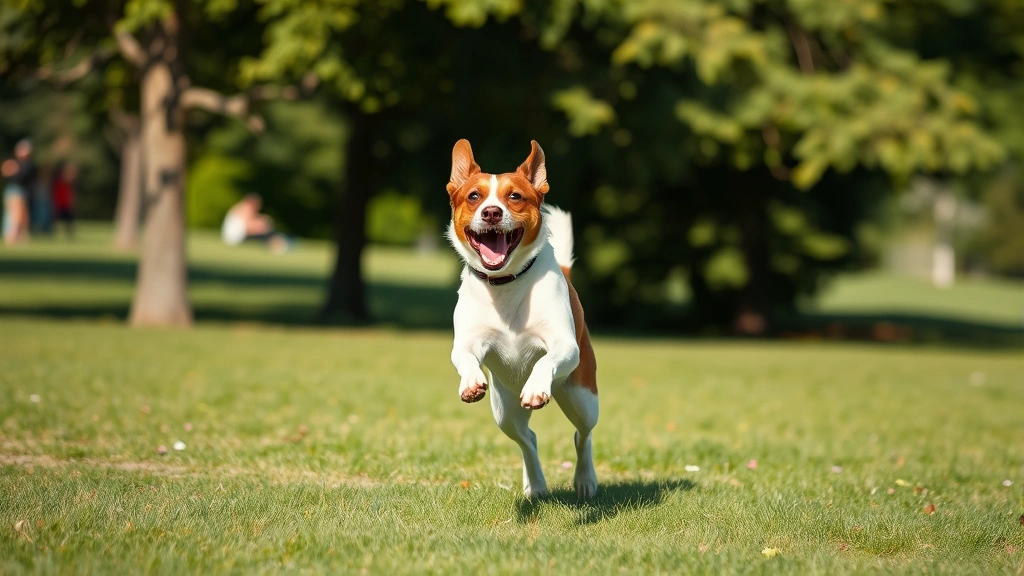
How Do Dogs Get Concussions?
Dogs are adventurous creatures, and their love of play and exploration puts them at risk for head injuries. Understanding the common scenarios where concussions occur can help you take preventive measures.
Common causes of dog concussions include:
- Falls: Tumbling down stairs, jumping from heights, or falling off furniture are leading causes of canine head injuries
- Vehicle accidents: Being hit by a car or involved in a collision is one of the most serious causes of concussions in dogs
- Blunt trauma: Being struck by a ball, stick, or other object during play
- Dog-to-dog collisions: Enthusiastic play at the dog park can sometimes result in accidental head impacts
- Rough handling: Aggressive play or improper handling by children or other people
- Seizures: During a seizure, dogs may bang their heads or fall violently, causing impact injuries. If you’re concerned about seizures, you might want to learn more about what a dog seizure looks like
Certain breeds and ages are at higher risk. Puppies and senior dogs, with their less developed or declining balance and coordination, are more susceptible to falls. Brachycephalic breeds (those with flat faces like Bulldogs and Pugs) may be at increased risk due to their altered center of gravity and respiratory challenges that complicate recovery.
Small breed dogs also face elevated risk because they’re more likely to fall from furniture or be accidentally dropped. Their smaller mass means the same force creates greater acceleration, potentially causing more significant brain movement.
Signs and Symptoms to Watch For
The symptoms of a canine concussion can appear immediately after the injury or develop over hours or even days. Knowing what to look for is absolutely critical for early intervention. Here’s what ASPCA veterinary experts recommend monitoring:
Immediate signs (appearing within minutes to hours):
- Loss of consciousness, even briefly
- Disorientation or confusion—your dog seems “lost” in familiar spaces
- Stumbling, lack of coordination, or ataxia (drunken-like walking)
- Vomiting or retching
- Excessive drooling
- Dilated pupils or eyes that aren’t responsive to light
- Nosebleed or bleeding from the ears
- Shaking or tremors
Delayed or prolonged symptoms (appearing over hours to days):
- Lethargy or unusual tiredness
- Behavioral changes—your normally friendly dog becomes withdrawn or irritable
- Sensitivity to light or sound
- Decreased appetite or refusal to eat
- Difficulty focusing or paying attention
- Excessive panting
- Restlessness or inability to settle
- Memory problems—forgetting house training or familiar commands
- Difficulty sleeping or excessive sleep
It’s important to note that not all dogs will display all symptoms. Some dogs might seem relatively normal after a head injury, only to show subtle signs of a concussion later. This is why monitoring your dog closely for at least 72 hours after any head trauma is essential.
If your dog experienced a head injury and now exhibits any of these symptoms, don’t wait and see. Contact your veterinarian immediately. Time matters when it comes to brain injuries.
Diagnosis and Treatment
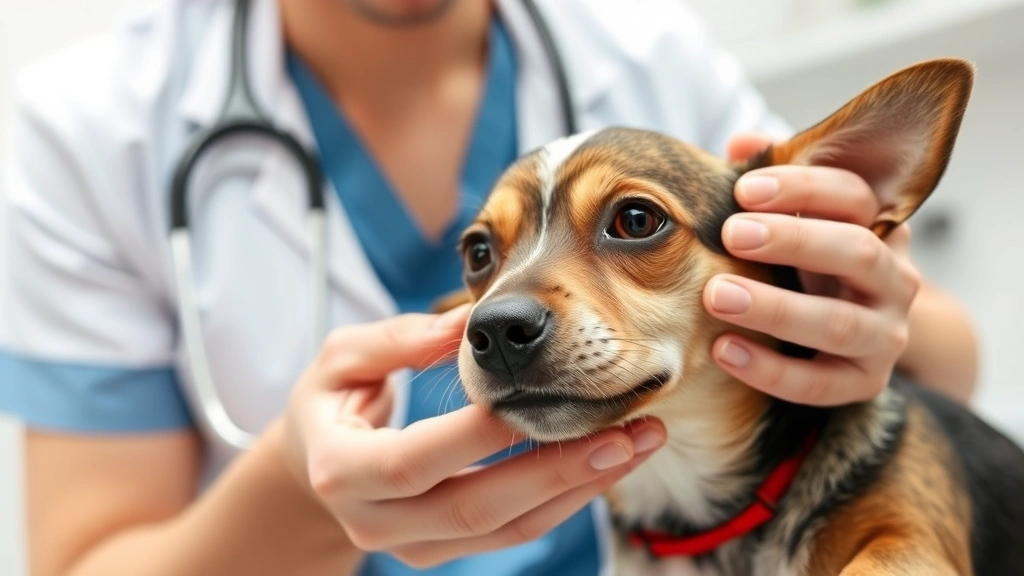
When you bring your potentially concussed pup to the veterinary clinic, your vet will perform a thorough neurological examination. This comprehensive assessment is crucial for determining the severity of the injury and creating an appropriate treatment plan.
What your vet will do:
Your veterinarian will start by taking a detailed history of the incident. They’ll want to know exactly what happened, when it happened, and what symptoms you’ve observed. This information helps them assess the force and nature of the impact.
Next comes the physical examination. Your vet will check your dog’s vital signs—heart rate, respiratory rate, blood pressure, and body temperature. They’ll also assess your dog’s consciousness level and perform a neurological exam that includes checking reflexes, coordination, pupil response, and cranial nerve function.
In some cases, imaging may be necessary. Veterinary imaging specialists may recommend CT scans or MRI to rule out more serious brain injuries like bleeding, bruising, or swelling. While these tests aren’t always necessary for mild concussions, they’re valuable for moderate to severe cases.
Blood work might also be performed to check for other injuries or complications. Your vet may also assess whether your dog has a fever, which could indicate infection or inflammation.
Treatment approaches:
The primary treatment for concussions is rest—and we’re not talking about a casual nap. Your dog needs strict, controlled rest in a quiet environment. This means limiting physical activity, avoiding play, and minimizing mental stimulation for at least 2-4 weeks, depending on severity.
Pain management is another crucial component. Your vet may prescribe pain relievers to keep your dog comfortable during recovery. Never give your dog over-the-counter pain medications without veterinary guidance, as some can be dangerous for dogs.
Anti-inflammatory medications may be prescribed to reduce brain swelling and inflammation. In some cases, your vet might recommend medications to manage nausea or prevent secondary complications.
Most importantly, your dog needs monitoring and follow-up care. Your vet will want to see your pup again after a few days to assess recovery progress, and possibly again after a week or two. These check-ins help ensure your dog is healing properly and aren’t developing complications.
In cases of severe concussions with significant brain swelling or bleeding, hospitalization may be necessary for intensive monitoring and care.
Recovery and Prevention Tips
Supporting your dog’s concussion recovery:
Recovery from a concussion is a marathon, not a sprint. Here’s how you can support your pup during the healing process:
- Enforce strict rest: Keep your dog confined to a small, quiet area of your home. This isn’t the time for adventures, long walks, or trips to the dog park
- Maintain a calm environment: Minimize noise and activity. Close curtains if your dog is sensitive to light. Keep interactions quiet and gentle
- Follow feeding guidelines: If your dog is experiencing nausea, offer small, frequent meals of bland food. Boiled chicken and rice can be easier to digest than regular kibble
- Provide mental rest: Avoid training, puzzle toys, and interactive games. Mental stimulation can be as taxing as physical activity during recovery
- Monitor medication compliance: Give all prescribed medications exactly as directed. Set phone reminders if needed
- Watch for complications: Keep an eye out for any new or worsening symptoms. Don’t hesitate to contact your vet if something seems off
- Gradually increase activity: Only after your vet gives the okay should you slowly reintroduce normal activities. This should happen over several weeks, not days
Preventing concussions in dogs:
While you can’t prevent every accident, you can significantly reduce your dog’s risk of head injuries:
- Secure your home: Use baby gates to prevent access to stairs. Provide ramps or steps for dogs prone to jumping from furniture
- Supervise car rides: Use proper restraints or carriers during vehicle travel. Never let your dog hang their head out the window where flying debris could cause injury
- Manage play safely: Monitor your dog at the dog park. Separate dogs during rough play if necessary. Use soft toys instead of hard ones
- Teach children properly: Make sure children understand how to handle dogs gently. Rough play or dropping dogs is a common cause of injuries
- Keep up with training: A well-trained dog who responds to recall commands is less likely to run into dangerous situations
- Use protective gear: For dogs who participate in sports or activities, consider protective headgear designed for canines
- Watch for underlying issues: If your dog experiences seizures (which can lead to head injuries), work with your vet on seizure management. If you’re worried about your dog’s health status, you might also want to review signs that indicate serious illness
Regular veterinary check-ups help identify any neurological issues early. Your vet can also provide personalized advice based on your specific dog’s age, breed, and lifestyle.
Long-term considerations:
Dogs who’ve suffered concussions may be at slightly higher risk for future complications. Some research suggests that repeated head injuries could increase the risk of long-term neurological issues. This is another reason why prevention is so important.
After your dog recovers from a concussion, continue to be cautious about head injuries. Your pup may also have some lingering sensitivity to their injury site—be extra gentle during grooming or handling around the head area.
Frequently Asked Questions
Can a dog die from a concussion?
While most uncomplicated concussions are not fatal, severe concussions can be life-threatening, especially if they involve significant brain bleeding or swelling. This is why immediate veterinary attention is so important. The sooner a serious concussion is diagnosed and treated, the better the outcome. Even mild concussions deserve professional evaluation to rule out complications.
How long does it take for a dog to recover from a concussion?
Recovery time varies depending on the severity of the concussion. Mild concussions may resolve within 2-4 weeks with proper rest and care. More severe concussions can take 6-12 weeks or longer to fully heal. Some dogs may experience lingering effects. Always follow your veterinarian’s specific recommendations for your dog’s situation.
Can I tell if my dog has a concussion without going to the vet?
While you might notice symptoms at home, you cannot definitively diagnose a concussion without professional evaluation. What seems like a minor head bonk could potentially cause serious internal damage, while a seemingly significant impact might result in only mild injury. Veterinary examination, and potentially imaging, is the only way to accurately assess brain injury severity. When in doubt, contact your vet.
What should I do immediately after my dog hits their head?
First, stay calm—your anxiety will transfer to your dog. Gently examine your dog for obvious injuries like bleeding or wounds. If your dog is conscious and seems alert, keep them calm and quiet while you contact your veterinarian. Describe what happened and any symptoms you’ve noticed. Follow your vet’s guidance on whether you need to come in immediately or monitor at home. If your dog loses consciousness, has difficulty breathing, or shows severe symptoms, seek emergency veterinary care right away.
Are some dogs more prone to concussions?
Yes, certain factors increase concussion risk. Small breeds are more likely to fall or be dropped. Brachycephalic breeds (flat-faced dogs) may have balance issues. Puppies and senior dogs have less developed or declining coordination. Dogs with seizure disorders are at risk of head injuries during seizures. High-energy dogs that engage in rough play face higher risk. Talk to your vet about your specific dog’s risk factors.
Can my dog get a concussion from shaking?
Rough shaking, especially of the head or neck area, can potentially cause concussions or other serious injuries. This is why it’s important to teach children and other caregivers to handle dogs gently. If your dog has experienced rough shaking and shows any concerning symptoms, contact your veterinarian immediately. This is also why some people wonder about whether dogs can experience altered states—certain conditions affecting the brain can cause unusual behaviors.
Will my dog have lasting effects from a concussion?
Most dogs recover fully from mild to moderate concussions with no lasting effects. However, more severe concussions or repeated head injuries may result in long-term complications such as chronic headaches, behavioral changes, or cognitive issues. This is why preventing future injuries is so important after your dog has had one concussion.





