
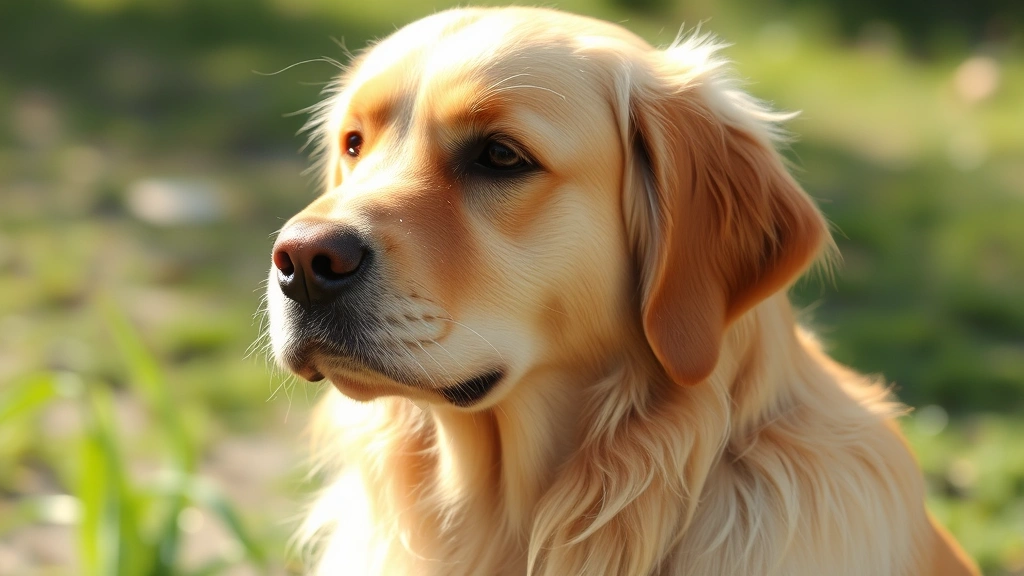
Do Dogs Get Dandruff? Causes and Solutions
If you’ve noticed white flakes on your furry friend’s coat or found them scattered across your furniture, you might be wondering: do dogs actually get dandruff? The short answer is yes—and it’s more common than you’d think! Just like humans, dogs can develop this pesky skin condition, but the good news is that it’s usually manageable with the right approach.
Dandruff in dogs isn’t just a cosmetic issue. Those telltale white flakes are often a sign that something needs attention, whether it’s a dietary adjustment, environmental factor, or an underlying health concern. Understanding what causes canine dandruff and how to address it will help keep your pup’s skin healthy and their coat looking its best.
In this comprehensive guide, we’ll explore everything you need to know about dog dandruff—from identifying the symptoms to discovering effective solutions that actually work. Whether your dog is experiencing mild flaking or more severe skin issues, you’ll find practical advice to help them feel more comfortable.
What Is Dandruff in Dogs?
Canine dandruff, medically known as seborrhea, refers to the excessive shedding of dead skin cells from your dog’s epidermis. While some skin cell turnover is completely normal and healthy, dandruff occurs when this process accelerates or becomes visible to the naked eye.
Your dog’s skin naturally renews itself approximately every three to four weeks. During this cycle, old skin cells are shed to make room for new growth. In healthy dogs, this process is so gradual that you rarely notice it. However, when something disrupts this balance—whether internal or external—the result is those frustrating white flakes we recognize as dandruff.
It’s important to distinguish between normal shedding and problematic dandruff. Normal shedding is a natural part of your dog’s coat cycle, while dandruff typically appears as visible, concentrated patches of flaking skin, often accompanied by itching or inflammation.
Common Causes of Canine Dandruff
Understanding what triggers dandruff in dogs is the first step toward resolving the issue. Multiple factors can contribute to this condition, and often it’s a combination of causes rather than just one culprit.
Nutritional Deficiencies
One of the most common causes of dog dandruff is inadequate nutrition. Your dog’s skin health is directly tied to their diet. Deficiencies in omega-3 and omega-6 fatty acids are particularly problematic, as these nutrients are essential for maintaining a healthy skin barrier. When your pup isn’t getting enough of these vital fats, their skin becomes dry and prone to flaking.
Protein deficiencies can also contribute to skin problems. Since hair and skin are primarily composed of protein, insufficient protein intake means your dog’s body can’t properly repair and maintain their coat and skin. Additionally, certain vitamins and minerals—including B vitamins, zinc, and vitamin E—play crucial roles in skin health.
Environmental Factors
The environment where your dog spends most of their time significantly impacts their skin condition. Low humidity, particularly during winter months when heating systems run constantly, can dry out your dog’s skin considerably. Conversely, excessively humid environments can create conditions favorable for fungal or bacterial growth.
Temperature extremes, whether too hot or too cold, can stress your dog’s skin. Additionally, exposure to harsh chemicals, pollutants, or irritating substances can trigger or worsen dandruff. Some dogs are also sensitive to dust mites or environmental allergens that manifest as skin problems.
Allergies and Sensitivities
Allergic reactions are a leading cause of dandruff in dogs. These allergies can stem from food, environmental triggers, or contact allergens. When your dog’s immune system reacts to an allergen, inflammation occurs, leading to skin irritation and excessive flaking. Dogs that excessively lick their paws are often responding to allergic reactions that cause itching and discomfort.
Food allergies commonly involve proteins like chicken, beef, or dairy, though any ingredient can potentially trigger a reaction in sensitive dogs. Environmental allergies might include pollen, mold, or dust, while contact allergies could result from shampoos, detergents, or fabrics.
Parasites and Infections
Various parasites can cause or contribute to dandruff. Mange mites, lice, and fleas can all irritate the skin, leading to flaking and scratching. Fungal infections, such as ringworm, often present with flaky patches and are particularly contagious. Bacterial skin infections can also result in dandruff-like symptoms.
These parasitic and infectious causes are especially concerning because they can spread to other pets or, in some cases, to humans. If you suspect parasites or infection, veterinary intervention is essential.
Hormonal Imbalances
Certain hormonal conditions can affect skin health and lead to dandruff. Hypothyroidism, for example, commonly causes dry, flaky skin as a secondary symptom. Cushing’s syndrome and other endocrine disorders can also manifest with skin problems. These conditions require veterinary diagnosis and management.
How to Identify Dandruff in Your Dog
Recognizing dandruff in your dog requires knowing what to look for. While visible white flakes are the most obvious sign, there are several other indicators that your dog might be experiencing this condition.
Visual Signs
The most apparent symptom is visible white or gray flakes in your dog’s coat or on their skin. You might notice these flakes on their bedding, furniture, or your clothing. In some cases, the flaking is concentrated in specific areas, while in others it’s distributed throughout the coat.
You may also notice dry patches of skin, redness, or inflammation. Some dogs develop scaly or crusted areas on their skin. The affected areas might appear less lustrous than the surrounding coat, giving your dog’s fur a dull appearance in patches.
Behavioral Indicators
Pay attention to your dog’s behavior. Excessive scratching, licking, or nibbling at their skin suggests discomfort. If your dog seems restless or frequently grooms themselves, this could indicate skin irritation associated with dandruff. Some dogs also develop hot spots or raw areas from excessive licking, which can lead to secondary infections similar to what causes hot spots on dogs.
Odor changes can also accompany dandruff, particularly if a bacterial or fungal infection is involved. A musty or unpleasant smell emanating from your dog’s coat warrants veterinary attention.
Coat Quality Changes
Dandruff often correlates with changes in coat quality. Your dog’s fur might feel dry or brittle rather than soft and supple. The coat might appear thinner or less vibrant than usual. Some dogs experience increased shedding beyond their normal seasonal cycles.
Effective Treatment Solutions
Once you’ve identified that your dog has dandruff, several treatment approaches can help resolve the issue. The best solution depends on the underlying cause.
Dietary Adjustments and Supplements
If nutritional deficiency is contributing to your dog’s dandruff, improving their diet is often the most effective solution. Ensure your dog is eating a high-quality commercial dog food that meets AAFCO standards, or consult with a veterinary nutritionist about a balanced homemade diet.
Omega-3 and omega-6 fatty acid supplements can make a dramatic difference in skin health. Fish oil supplements are particularly beneficial and widely recommended by veterinarians. Many pet owners notice improvements within 4-6 weeks of starting supplementation. Coconut oil is also good for dogs and can be added to their diet in moderation, though it should complement rather than replace fish oil for optimal results.
Consider adding foods rich in antioxidants and vitamins to your dog’s diet. Lean proteins, sweet potatoes, and leafy greens can all contribute to healthier skin. Always introduce new foods gradually and consult your veterinarian before making significant dietary changes.
Bathing and Grooming Strategies
Proper bathing techniques can significantly improve dandruff. Use lukewarm water—not hot, which can further dry out the skin—and a gentle, moisturizing dog shampoo specifically formulated for sensitive or dry skin. Medicated shampoos containing ingredients like coal tar, sulfur, or salicylic acid can help when dandruff is more severe.
Bathe your dog every 1-2 weeks rather than more frequently, as over-bathing can strip natural oils from the skin. Ensure you thoroughly rinse all shampoo residue, as leftover product can irritate the skin. After bathing, gently dry your dog with a towel rather than using a high-heat blow dryer.
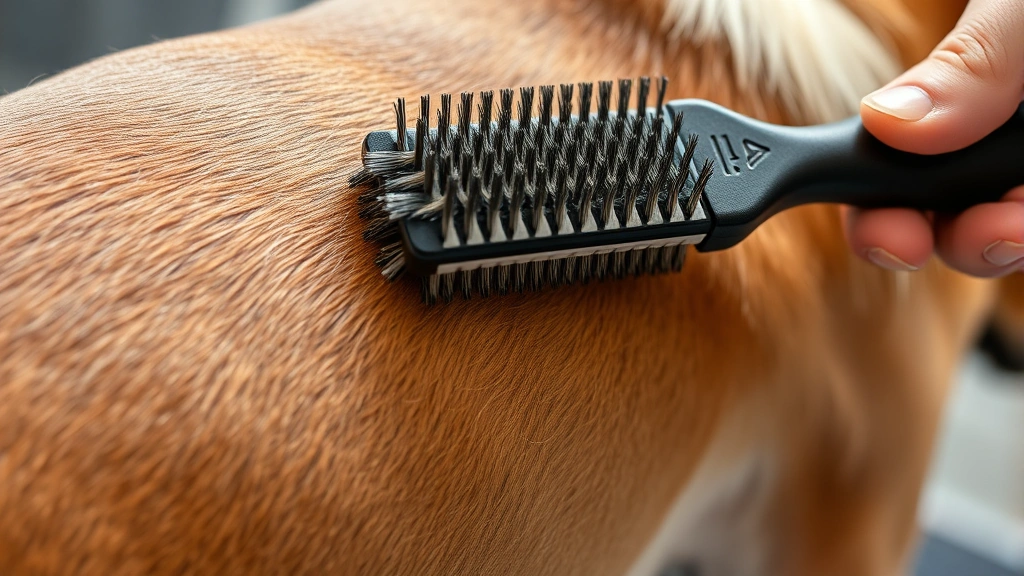
Regular brushing helps remove dead skin cells and improves circulation to the skin. Use a slicker brush or undercoat rake appropriate for your dog’s coat type. Brushing also allows you to inspect your dog’s skin closely for any concerning changes.
Environmental Modifications
Adjusting your home environment can alleviate dandruff symptoms. During dry months, use a humidifier to maintain moisture in the air, targeting 40-60% humidity. Ensure your dog has access to fresh water at all times, as proper hydration supports skin health from within.
Wash your dog’s bedding regularly with mild detergent and avoid fabric softeners or heavily perfumed products that might irritate sensitive skin. Consider using hypoallergenic bedding materials. Keep your dog’s living space clean and free from excessive dust.
Topical Treatments
Topical treatments can provide relief and promote healing. Moisturizing conditioners designed for dogs can be applied after shampooing. Some pet owners find relief using oatmeal-based products, which have soothing properties. Ensure any topical product is specifically formulated for dogs, as human products can be harmful.
In some cases, veterinarians recommend moisturizing sprays or oils applied directly to affected areas. Always follow your veterinarian’s guidance regarding topical treatments, particularly if your dog has open sores or secondary infections.

Medical Interventions
When dandruff is caused by parasites, infections, or allergies, medical treatment becomes necessary. Antiparasitic medications eliminate mites, lice, or fleas causing the problem. Antifungal treatments address fungal infections like ringworm. Antibiotics may be prescribed if bacterial infections are present.
For allergic causes, your veterinarian might recommend antihistamines, corticosteroids, or newer immunosuppressive medications. In some cases, allergy testing can identify specific triggers, allowing you to avoid them. Prescription diets formulated for food sensitivities can also help if food allergies are the culprit.
If hormonal imbalances like hypothyroidism are responsible, thyroid hormone replacement therapy typically resolves associated skin problems.
Prevention Strategies
The best approach to dandruff is prevention. Implementing these strategies can help keep your dog’s skin healthy and dandruff-free.
Nutritional Excellence
Feed your dog a high-quality diet rich in essential fatty acids, proteins, and micronutrients. Look for dog foods listing real meat as the primary ingredient and containing omega-3 and omega-6 fatty acids. Consider whether other skin conditions like skin tags might indicate broader skin health issues requiring dietary attention.
Provide fresh water constantly, as hydration is fundamental to skin health. Consult your veterinarian about appropriate supplementation for your dog’s specific needs and life stage.
Regular Grooming Maintenance
Establish a consistent grooming routine appropriate for your dog’s coat type. Regular brushing removes dead hair and skin while distributing natural oils throughout the coat. Professional grooming every 4-8 weeks can help maintain coat health and allow professionals to spot potential issues early.
Environmental Control
Maintain a clean living environment with appropriate humidity levels. Wash bedding regularly and minimize your dog’s exposure to harsh chemicals or irritants. Keep your dog’s skin dry after outdoor activities, as prolonged moisture can encourage fungal growth.
Parasite Prevention
Maintain year-round parasite prevention as recommended by your veterinarian. Regular flea, tick, and worm prevention eliminates parasites before they cause skin problems. Discuss the most appropriate prevention methods for your dog’s age, weight, and health status.
Regular Veterinary Checkups
Schedule annual wellness examinations where your veterinarian can assess your dog’s skin health. Early identification of potential problems allows for prompt intervention before conditions worsen.
When to See a Veterinarian
While mild dandruff can often be managed with home care, certain situations warrant professional veterinary attention. Contact your veterinarian if:
- Dandruff is severe or rapidly worsening
- Your dog is excessively scratching or showing signs of pain
- You notice open sores, bleeding, or signs of infection
- Dandruff is accompanied by hair loss or bald patches
- Your dog has odor, discharge, or other systemic symptoms
- Home treatments haven’t improved the condition after 2-3 weeks
- You suspect parasites or fungal infections
- Your dog is experiencing behavioral changes or lethargy
Your veterinarian can perform skin scrapings, fungal cultures, or other diagnostic tests to identify the underlying cause. They can also recommend prescription treatments or dietary changes tailored to your specific dog’s needs. According to the American Kennel Club, professional veterinary guidance is especially important when dandruff affects your dog’s quality of life.
Frequently Asked Questions
Is dog dandruff contagious to humans?
Most cases of dog dandruff are not contagious to humans. However, if the dandruff is caused by fungal infections like ringworm, it can potentially spread to people. This is why it’s important to maintain good hygiene and have fungal causes ruled out by your veterinarian. Always wash your hands after handling an affected dog.
Can I use human dandruff shampoo on my dog?
No, you should not use human dandruff shampoo on your dog. Human products have different pH levels and may contain ingredients that are toxic to dogs. Always use shampoos specifically formulated for dogs. Your veterinarian can recommend appropriate medicated shampoos if needed.
How long does it take to see improvement?
The timeline for improvement depends on the underlying cause. Nutritional improvements may take 4-6 weeks to show results. Medicated treatments for infections might show improvement within 1-2 weeks. Environmental changes and bathing routine adjustments may take 2-3 weeks. Be patient and consistent with treatment.
Can I prevent dandruff entirely?
While you can’t guarantee complete prevention, you can significantly reduce the likelihood of dandruff through proper nutrition, regular grooming, parasite prevention, and environmental management. Some dogs are genetically predisposed to skin sensitivity, but good care minimizes problems.
What’s the difference between dandruff and dry skin?
Dry skin is a broader condition where the skin lacks moisture, while dandruff specifically refers to visible flaking of dead skin cells. Dry skin can lead to dandruff, but they’re not identical conditions. Both respond well to similar treatments focused on hydration and nutrition.
Should I be concerned if my dog has dandruff?
Mild dandruff is usually not a cause for alarm and often responds well to simple interventions. However, it can indicate underlying issues that warrant attention. Persistent or worsening dandruff should be evaluated by a veterinarian to rule out infections, parasites, or systemic health problems. According to the ASPCA, any skin condition affecting your dog’s comfort should be addressed.
Can stress cause dandruff in dogs?
Yes, stress can contribute to skin problems in dogs, including dandruff. Stress weakens the immune system and can exacerbate underlying skin conditions or trigger inflammatory responses. Ensure your dog gets adequate exercise, mental stimulation, and a calm, stable environment.
Is dandruff more common in certain dog breeds?
Some breeds are more prone to skin sensitivity and dandruff, particularly those with longer coats or genetic predispositions to skin conditions. However, any dog can develop dandruff regardless of breed. Breed-specific care recommendations from your veterinarian can help prevent issues.
What role does bathing frequency play?
Bathing frequency significantly impacts skin health. Over-bathing strips natural oils from the skin, worsening dryness and dandruff. Most dogs benefit from bathing every 4-12 weeks, though this varies based on activity level and coat type. Discuss appropriate bathing frequency with your veterinarian or professional groomer.
Can diet alone fix dandruff?
In many cases, dietary improvements can significantly help or even resolve dandruff, particularly when nutritional deficiency is the cause. However, if dandruff results from infections, parasites, or environmental factors, diet alone may not be sufficient. A comprehensive approach addressing all potential causes typically yields the best results. Research from the University of Wisconsin School of Veterinary Medicine emphasizes the importance of addressing multiple factors in canine skin health.





