

Yes, do dogs get headaches—and honestly, it’s one of those pet health mysteries that keeps veterinarians and dog owners up at night. Unlike humans who can complain about a throbbing temple or pressure behind their eyes, our furry friends have to communicate their discomfort through behavior changes and subtle signals. As a vet tech who’s spent years observing canine behavior, I can tell you that dogs absolutely experience headaches, and recognizing the signs could be the difference between a quick vet visit and a serious health crisis.
Table of Contents
- Can Dogs Actually Experience Headaches?
- 5 Signs Your Dog Might Have a Headache
- Common Causes of Canine Headaches
- When to Call Your Vet Immediately
- Diagnosing Headaches in Dogs
- Treatment Options for Canine Headaches
- Prevention Strategies for Headache-Prone Dogs
- When Your Dog Has a Headache: What You Can Do
- The Bottom Line on Canine Headaches
- Frequently Asked Questions
Can Dogs Actually Experience Headaches?
The short answer: absolutely. Dogs have the same neurological structures we do—brains, blood vessels, and nerve endings—so there’s no biological reason they’d be exempt from headaches. Research from veterinary neurologists confirms that dogs can suffer from migraines, tension headaches, and pain related to underlying conditions. The tricky part is that our pups can’t tell us “Hey, my head hurts,” so we have to become headache detectives.
The causes range from benign (dehydration, hunger) to serious (infections, tumors, or high blood pressure). Some dogs are even prone to chronic migraines, just like humans. The key is knowing what to look for and when to call your vet.
5 Signs Your Dog Might Have a Headache
1. Head Pressing and Unusual Head Position
One of the most telling signs is when your dog presses their head against walls, floors, or your legs repeatedly. This behavior, called head pressing, often indicates neurological distress or pain. If your normally playful pup suddenly wants to rest their head on cold tile or press against your leg constantly, that’s a red flag. Dogs with headaches may also tilt their head to one side persistently or hold their head lower than usual.
2. Sensitivity to Light and Sound
Does your dog suddenly retreat to dark corners or hide under the bed? Light sensitivity (photophobia) and sound sensitivity are classic migraine indicators in dogs, just like in humans. If your usually social dog avoids bright windows or flinches at normal household noises, a headache could be the culprit. Some dogs will actively seek out dark, quiet spaces and resist coming out for their favorite activities.
3. Behavioral Changes and Lethargy
A dog with a headache might become uncharacteristically withdrawn, anxious, or irritable. They may lose interest in walks, playtime, or treats—which is basically the canine equivalent of calling in sick to work. Lethargy combined with restlessness (pacing without purpose) is particularly concerning. If your energetic Lab suddenly acts like they’ve aged ten years, something’s definitely off.
4. Vomiting and Loss of Appetite
Headaches can trigger nausea in dogs just like they do in us. If your pup is refusing meals, drooling excessively, or vomiting, a headache might be the underlying cause. Some dogs will eat but then immediately regurgitate, or they’ll show interest in food but walk away. This symptom combo warrants veterinary attention, especially if it persists for more than a few hours.
5. Whining, Crying, or Vocal Distress
Pain makes dogs vocal. If your normally quiet pup suddenly whines, cries, or makes unusual vocalizations without an obvious reason, they’re likely trying to communicate discomfort. Some dogs will cry when you touch their head or neck, while others whine continuously. This is their way of saying “something hurts,” and we need to listen.
Common Causes of Canine Headaches
Understanding what triggers headaches helps you prevent them. Dehydration is surprisingly common—dogs who don’t drink enough water can develop headaches quickly. Make sure your pup has constant access to fresh water, especially during hot weather or after exercise.
High blood pressure is another culprit, often linked to kidney disease, obesity, or endocrine disorders. Senior dogs are particularly vulnerable. Infections like ear infections or meningitis cause severe headaches and require immediate veterinary care. Dental disease can radiate pain to the head and temples, so regular dental checkups matter.
Environmental factors play a role too. Exposure to toxins (including harmful foods for dogs), pesticides, or certain medications can trigger headaches. Some dogs are genetically predisposed to migraines, similar to humans. Stress, loud noises, and changes in routine can also provoke headache episodes in sensitive dogs.
When to Call Your Vet Immediately
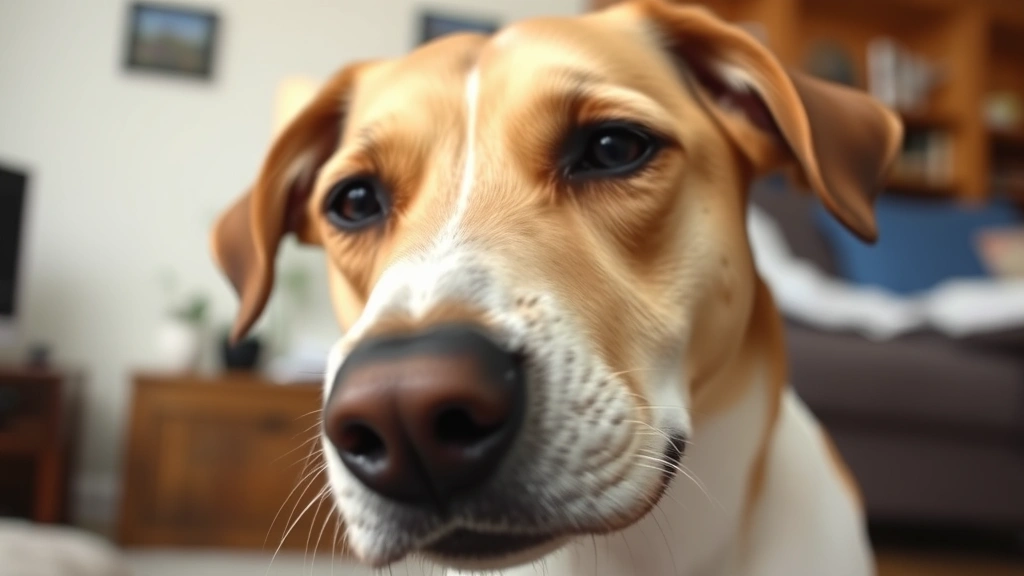
Not every headache requires emergency care, but certain symptoms demand urgent attention. Call your vet right away if your dog shows signs of a severe headache accompanied by fever, stiff neck, confusion, or seizures—these could indicate meningitis or other serious conditions. If your dog is vomiting repeatedly, cannot stand, or seems disoriented, that’s an emergency.
Also seek immediate help if the headache follows a head injury, is accompanied by bleeding from the nose or ears, or if your dog’s pupils are different sizes. These symptoms suggest neurological trauma or increased intracranial pressure.
Diagnosing Headaches in Dogs
Your vet will start with a physical examination and detailed history of your dog’s symptoms. They’ll check for fever, neurological deficits, and signs of pain. Depending on the suspected cause, they might recommend blood work to rule out infections, kidney disease, or metabolic issues. In some cases, imaging like ultrasound or MRI might be necessary to visualize the brain and rule out tumors or other structural problems.
Your vet might also check your dog’s blood pressure, as hypertension is a common but often overlooked cause of headaches in dogs. Keeping a symptom diary before your appointment—noting when headaches occur, how long they last, and what your dog was doing beforehand—helps your vet make a faster diagnosis.
Treatment Options for Canine Headaches
Treatment depends entirely on the underlying cause. For tension headaches or migraines triggered by stress or environmental factors, rest in a quiet, dark space often helps. Melatonin for dogs might be recommended by your vet to help with relaxation and sleep.
If pain relief is needed, your vet might prescribe carprofen dosage for dogs or other NSAIDs (nonsteroidal anti-inflammatory drugs) designed specifically for canine use. Never give your dog human pain relievers like ibuprofen or acetaminophen—these are toxic to dogs.
For chronic headaches or migraines, your vet might recommend anti-inflammatory foods for pets as part of a long-term management strategy. Omega-3 fatty acids, turmeric, and other natural anti-inflammatories can help reduce headache frequency and severity. Addressing the root cause—whether that’s managing high blood pressure, treating an infection, or addressing dental disease—is crucial for lasting relief.
Prevention Strategies for Headache-Prone Dogs
Keep your dog hydrated by ensuring fresh water is always available. Monitor their water intake, especially during hot weather or after exercise. Maintain a consistent routine—dogs thrive on predictability, and sudden changes can trigger stress-related headaches.
Regular exercise helps manage stress and maintain healthy weight, both of which reduce headache risk. However, avoid overexertion in extreme heat, as heat exhaustion can cause headaches. Keep your home environment calm—excessive noise and chaos can trigger migraines in sensitive dogs.
Schedule regular vet checkups to catch underlying conditions like hypertension or kidney disease early. Maintain your dog’s dental health with regular brushing and professional cleanings. If your dog is prone to migraines, work with your vet to identify triggers and develop a prevention plan.
When Your Dog Has a Headache: What You Can Do
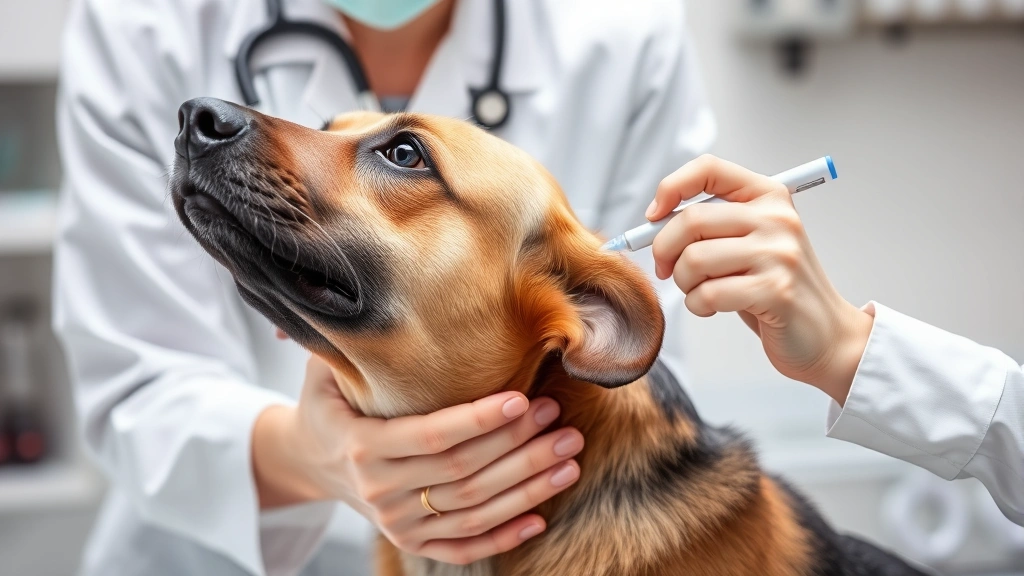
First, create a safe, quiet space where your dog can rest undisturbed. Dim the lights and keep noise to a minimum. Offer water frequently in small amounts—dehydration often worsens headaches. Avoid forcing your dog to play, exercise, or interact if they’re clearly uncomfortable.
Gentle massage of the neck and shoulders might help relieve tension (if your dog tolerates it). Apply a cool compress to the head if your dog will allow it—some dogs find this soothing. Monitor their symptoms closely and contact your vet if the headache persists beyond a few hours or worsens.
The Bottom Line on Canine Headaches
Yes, dogs get headaches, and recognizing the signs is part of responsible pet ownership. Most canine headaches are treatable once you identify the cause, but some require veterinary intervention. Trust your instincts—if something seems off with your pup, it probably is. Your dog can’t tell you about their headache, so you have to be their advocate.
Keep an eye out for those telltale signs: head pressing, light sensitivity, behavioral changes, vomiting, and vocalization. When in doubt, call your vet. A quick phone consultation could save you from a bigger problem down the road. And remember, your dog depends on you to notice when they’re not feeling their best.
Frequently Asked Questions
Can dogs get migraines like humans do?
Yes, dogs can experience migraines with similar symptoms to humans, including sensitivity to light and sound, nausea, and behavioral changes. Some breeds may be predisposed to migraines, and triggers can include stress, weather changes, and dietary factors.
Is it safe to give my dog aspirin for a headache?
Never give your dog human medications without explicit veterinary approval. While some vets might recommend aspirin in specific doses for certain conditions, many human pain relievers are toxic to dogs. Always consult your vet before giving any medication.
How long do dog headaches typically last?
This varies widely depending on the cause. Stress-related or tension headaches might resolve in a few hours with rest. Headaches caused by infections or other underlying conditions may persist until the root cause is treated. If a headache lasts more than a few hours or worsens, contact your vet.
Can dehydration really cause headaches in dogs?
Absolutely. Dehydration is one of the most common and easily preventable causes of headaches in dogs. Ensure your dog always has access to fresh, clean water. Increase water intake during hot weather, after exercise, or if your dog has been vomiting or has diarrhea.
Should I be worried if my dog presses their head against the wall?
Head pressing can indicate a headache, but it can also signal more serious neurological issues. While occasional head pressing might not be alarming, persistent or new head pressing behavior warrants a veterinary evaluation to rule out underlying conditions.
Are certain dog breeds more prone to headaches?
While any dog can get a headache, some breeds may be predisposed to migraines or conditions that cause headaches (like high blood pressure in older dogs). Brachycephalic breeds (flat-faced dogs) sometimes experience headaches related to their anatomy. Discuss breed-specific concerns with your vet.





