
As a dog owner, you may have wondered about various health conditions that affect your furry companion, including whether dogs get hemorrhoids. This common concern often arises when pet owners notice unusual symptoms around their dog’s anal area, such as swelling, discomfort, or changes in bowel movements. Understanding the differences between human and canine anatomy is crucial for proper pet care and recognizing when veterinary attention is needed.
While the term “hemorrhoids” is frequently used by pet owners to describe anal issues in dogs, the reality is more complex. Dogs have a different anatomical structure than humans, which affects how certain conditions manifest. This comprehensive guide will explore the truth about hemorrhoids in dogs, examine similar conditions that may occur, and provide essential information about maintaining your dog’s digestive and anal health.
Do Dogs Actually Get Hemorrhoids?
The straightforward answer is that dogs do not get hemorrhoids in the same way humans do. According to veterinary medicine, true hemorrhoids are extremely rare in dogs due to their anatomical differences. The American Veterinary Medical Association explains that dogs have a different rectal and anal structure that makes traditional hemorrhoids unlikely to develop.
Hemorrhoids in humans occur when blood vessels in the rectal and anal area become swollen and inflamed, often due to increased pressure from straining during bowel movements, prolonged sitting, or other factors. Dogs, however, have a quadrupedal stance and different vascular anatomy that reduces the likelihood of this specific condition occurring.
When pet owners suspect their dog has hemorrhoids, they are typically observing symptoms that indicate other anal or rectal conditions. These may include anal gland issues, rectal prolapse, tumors, or infections that can cause similar symptoms to what humans experience with hemorrhoids.
Anatomical Differences Between Dogs and Humans
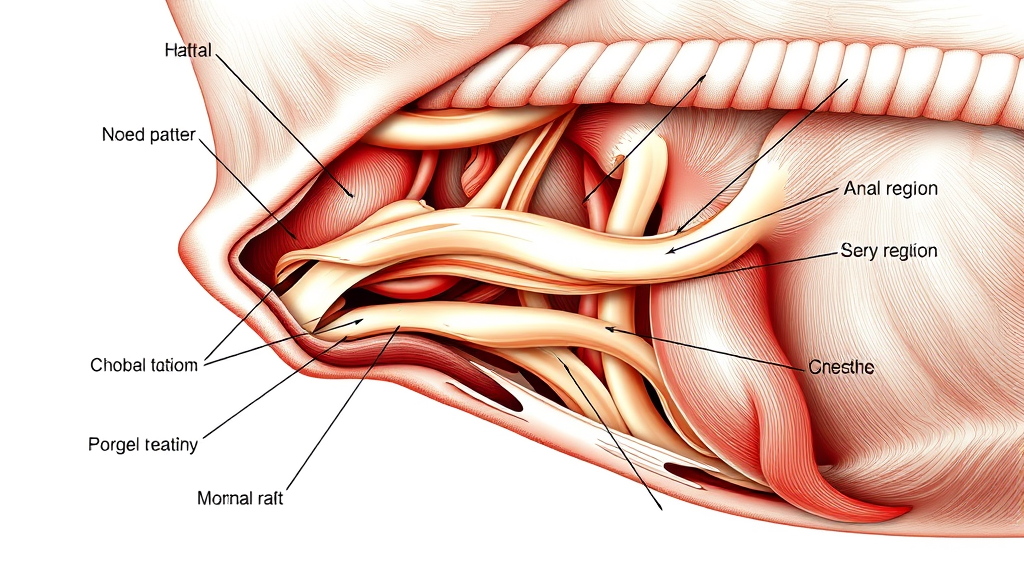
Understanding the anatomical differences between dogs and humans helps explain why hemorrhoids are rare in canines. Dogs walk on four legs, which creates different pressure distributions in their abdominal and pelvic regions compared to upright humans. This quadrupedal posture reduces the gravitational pressure on blood vessels in the anal and rectal area.
Additionally, dogs have anal sacs (also called anal glands) located on either side of their anus, which humans do not possess. These glands serve as scent markers and can become problematic when they don’t empty properly. The presence of these structures creates a different anatomical landscape that affects how conditions manifest in the anal region.
The blood vessel arrangement in dogs’ anal and rectal areas also differs significantly from humans. While humans have a complex network of blood vessels that can become engorged and form hemorrhoids, dogs’ vascular anatomy is structured differently, making true hemorrhoidal formation much less likely.
Similar Conditions That Affect Dogs
Although dogs rarely develop true hemorrhoids, several conditions can cause similar symptoms that concerned pet owners might mistake for hemorrhoids. These conditions require proper veterinary diagnosis and treatment to ensure your dog’s comfort and health.
Rectal prolapse is one condition that can appear similar to hemorrhoids. This occurs when part of the rectum protrudes through the anus, creating a visible red or pink tissue mass. Unlike hemorrhoids, rectal prolapse is a serious condition requiring immediate veterinary attention.
Perianal tumors, both benign and malignant, can also cause swelling and discomfort around the anal area. These growths may appear as lumps or masses near the anus and can cause symptoms similar to what humans experience with hemorrhoids. Research published in veterinary journals indicates that certain dog breeds are more predisposed to these types of tumors.
Infections and abscesses in the anal region can create swelling, pain, and discharge that owners might associate with hemorrhoids. These conditions often result from bacterial infections or foreign objects and require antibiotic treatment or surgical intervention.
Anal Gland Problems in Dogs
Anal gland issues are among the most common problems affecting dogs’ anal regions and are often mistaken for hemorrhoids. Every dog has two small sacs located on either side of their anus that normally empty when the dog defecates. When these glands become impacted, infected, or abscessed, they can cause significant discomfort and visible symptoms.
Impacted anal glands occur when the natural secretions become thick and cannot be expressed normally. This can lead to swelling, discomfort, and the characteristic “scooting” behavior where dogs drag their rear end across the floor. If left untreated, impacted glands can progress to infection or abscess formation.
Signs of anal gland problems include persistent licking or chewing at the anal area, scooting, foul odor, and visible swelling around the anus. Some dogs may also show signs of pain when sitting or during bowel movements. Understanding why is my dog pooping blood can help identify if anal gland issues are contributing to digestive problems.

Symptoms to Watch For
Recognizing the signs of anal and rectal problems in dogs is crucial for early intervention and treatment. While these symptoms may initially appear similar to what humans experience with hemorrhoids, they typically indicate different underlying conditions that require veterinary attention.
Common symptoms include visible swelling or masses around the anal area, changes in bowel movement patterns, straining during defecation, and signs of pain or discomfort when sitting or lying down. Dogs may also exhibit behavioral changes such as reluctance to sit, difficulty finding a comfortable position, or increased restlessness.
Digestive symptoms often accompany anal region problems. These may include diarrhea, constipation, or changes in stool consistency. If your dog is experiencing digestive issues, knowing what to feed dog with diarrhea or how to stop diarrhea in dogs can provide temporary relief while seeking veterinary care.
Other warning signs include excessive licking or biting at the anal area, scooting behavior, foul odors, discharge or bleeding from the anus, and loss of appetite or lethargy. Any combination of these symptoms warrants prompt veterinary evaluation to determine the underlying cause and appropriate treatment.
Diagnosis and Treatment Options
Proper diagnosis of anal and rectal conditions in dogs requires professional veterinary examination. Veterinarians use various diagnostic tools and techniques to identify the specific condition causing your dog’s symptoms and rule out serious underlying problems.
The diagnostic process typically begins with a thorough physical examination, including visual inspection of the anal area and digital rectal examination. Your veterinarian may also recommend additional tests such as fecal examinations, blood work, or imaging studies depending on the suspected condition.
Treatment options vary significantly based on the diagnosed condition. Anal gland problems may require manual expression, antibiotic therapy for infections, or surgical intervention for severe cases. The FDA provides guidelines for safe veterinary treatments and medications for dogs.
For dogs experiencing constipation-related anal discomfort, understanding what to give for constipated dog and how to help a constipated dog can provide supportive care alongside veterinary treatment.
Prevention Strategies for Anal Health
Maintaining your dog’s anal and digestive health through preventive measures can help avoid many conditions that might be mistaken for hemorrhoids. A comprehensive approach to prevention includes dietary management, regular exercise, and routine veterinary care.
Diet plays a crucial role in maintaining healthy bowel movements and preventing anal gland problems. High-quality dog food with appropriate fiber content helps ensure proper stool consistency, which naturally helps express anal glands during defecation. The Pet Food Institute provides guidelines for selecting nutritious dog foods that support digestive health.
Regular exercise promotes healthy digestion and helps prevent constipation, which can contribute to anal region problems. Daily walks and playtime not only maintain physical fitness but also stimulate normal bowel function and reduce the risk of anal gland impaction.
Routine veterinary checkups allow for early detection and prevention of anal region problems. Many veterinarians include anal gland checks as part of regular examinations, especially for breeds prone to these issues. Knowing how to tell if a dog has a fever can help identify early signs of infection or inflammation.
When to See a Veterinarian
Recognizing when anal region problems require professional veterinary attention is essential for your dog’s health and comfort. While some minor issues may resolve with supportive care, many conditions require prompt medical intervention to prevent complications.
Immediate veterinary attention is necessary if you observe visible protrusion of tissue from the anus, significant bleeding, signs of severe pain, or inability to defecate. These symptoms may indicate serious conditions such as rectal prolapse, severe infections, or obstructions that require emergency treatment.
Other situations warranting veterinary consultation include persistent symptoms lasting more than 24-48 hours, recurring problems despite home care efforts, or any symptoms accompanied by lethargy, loss of appetite, or changes in behavior. Early intervention often leads to better treatment outcomes and prevents minor issues from developing into serious complications.
The Humane Society provides guidance on finding qualified veterinarians and preparing for veterinary visits. When dealing with potential anal region problems, it’s also helpful to know about safe topical treatments, such as understanding can you put neosporin on a dog for minor skin irritations.
Frequently Asked Questions
Can dogs get hemorrhoids like humans do?
No, dogs rarely develop true hemorrhoids like humans. Their anatomical structure, including their quadrupedal stance and different vascular arrangement, makes hemorrhoids extremely uncommon. What pet owners often mistake for hemorrhoids are typically anal gland problems, rectal prolapse, or other anal region conditions that require different treatments.
What causes swelling around my dog’s anal area?
Swelling around a dog’s anal area can result from several conditions including impacted or infected anal glands, rectal prolapse, perianal tumors, infections, or abscesses. Each condition requires proper veterinary diagnosis and specific treatment. The most common cause is anal gland problems, which affect many dogs and can cause significant discomfort.
How can I tell if my dog has anal gland problems?
Signs of anal gland problems include scooting (dragging the rear end on the ground), excessive licking or biting at the anal area, foul odor, visible swelling near the anus, and signs of pain when sitting or defecating. Some dogs may also show behavioral changes such as reluctance to sit or increased restlessness due to discomfort.
Should I try to treat my dog’s anal problems at home?
While supportive care such as maintaining proper diet and hygiene can help, most anal region problems require professional veterinary evaluation and treatment. Attempting to treat serious conditions at home can lead to complications or delayed healing. Always consult with a veterinarian for proper diagnosis and treatment recommendations.
Are certain dog breeds more prone to anal region problems?
Yes, some breeds are more susceptible to anal gland problems and other anal region issues. Small breeds like Chihuahuas and toy breeds often experience anal gland impaction, while larger breeds may be more prone to perianal tumors. The American Kennel Club provides breed-specific health information that can help owners understand their dog’s predispositions.
How often should my dog’s anal glands be checked?
Most dogs’ anal glands empty naturally during bowel movements and don’t require regular manual expression. However, dogs with chronic anal gland problems may need professional expression every 4-6 weeks. Your veterinarian can assess your individual dog’s needs during regular checkups and recommend an appropriate schedule if manual expression is necessary.
Can diet changes help prevent anal region problems in dogs?
Yes, proper nutrition plays a significant role in maintaining anal health. High-quality dog food with appropriate fiber content helps ensure proper stool consistency, which naturally helps express anal glands. The Association of American Feed Control Officials provides guidelines for nutritionally complete pet foods that support digestive and overall health.





