Do Dogs Get Warts? Vet Insights and Care Tips
If you’ve noticed a small, bumpy growth on your furry friend’s skin, you might be wondering: do dogs get warts? The short answer is yes—dogs absolutely can develop warts, and while they’re usually nothing to panic about, understanding what they are and how to handle them is essential for any responsible pet owner. These growths can appear seemingly overnight, and it’s natural to feel concerned about your pup’s health.
Warts in dogs are surprisingly common, especially in certain breeds and age groups. The good news? Most canine warts are benign and don’t pose serious health risks. However, knowing the difference between a harmless wart and something that requires veterinary attention could save you time, money, and unnecessary stress. Let’s dive into everything you need to know about doggy warts, from what causes them to how to treat them effectively.
As a pet parent, staying informed about your dog’s skin health is just as important as keeping up with vaccinations and regular check-ups. This guide will walk you through the ins and outs of canine warts, helping you become a more confident and knowledgeable dog owner.
What Are Warts in Dogs?
Canine warts, medically known as papillomas, are benign skin growths caused by viral infections. These small, often rough-textured bumps develop when a dog’s skin becomes infected with a papillomavirus—a virus specific to dogs that doesn’t affect humans. Think of them as your dog’s version of the warts you might get on your own hands, except they’re caused by a completely different virus.
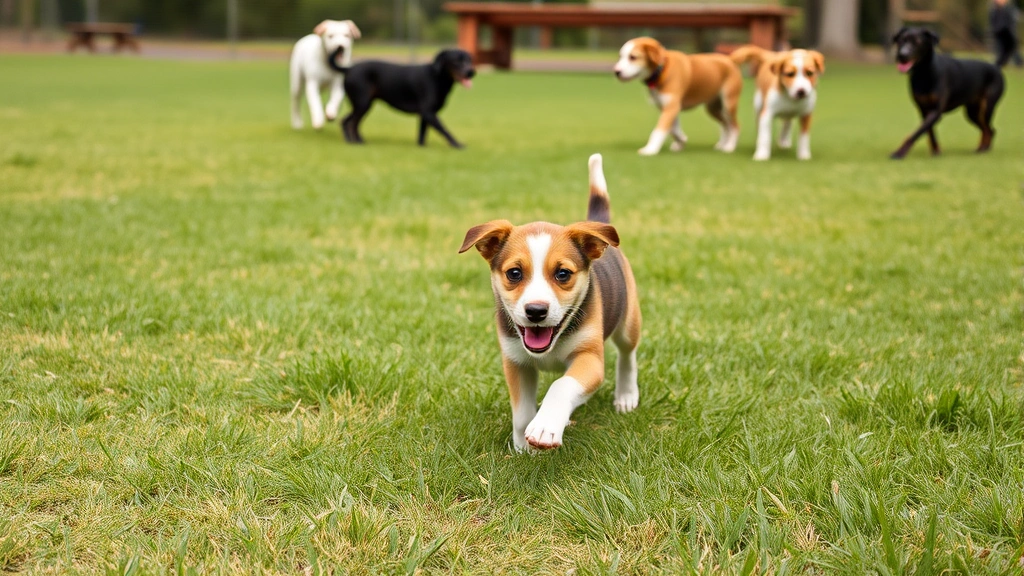
The papillomavirus that causes warts in dogs is highly species-specific, meaning your pup cannot catch warts from you, and you cannot catch them from your dog. This is an important distinction that puts many worried pet owners at ease. The virus spreads between dogs through direct contact or contaminated surfaces, making it most common in dogs that frequent dog parks, doggy daycares, or boarding facilities where they interact closely with other canines.
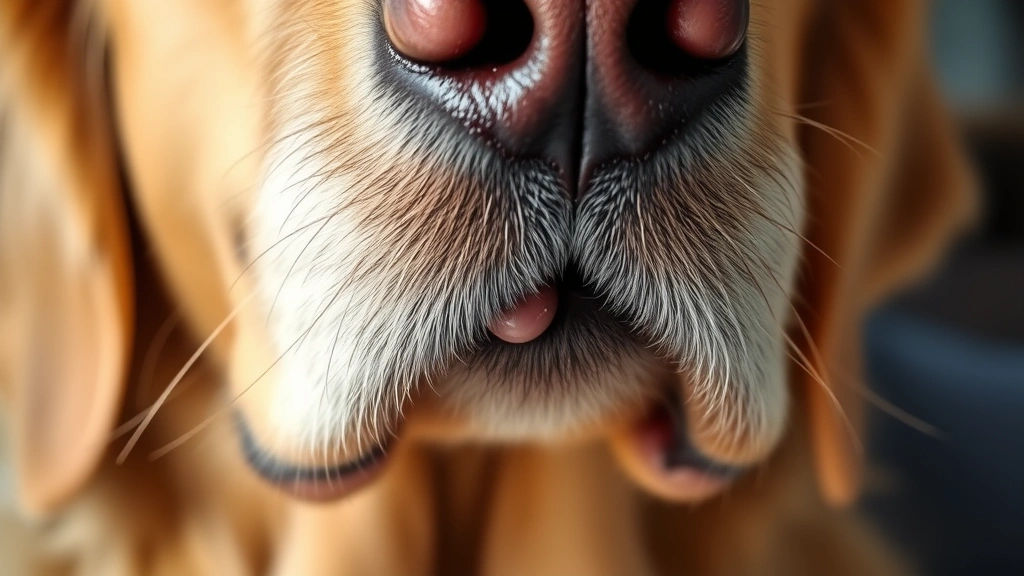
Warts typically appear as small, cauliflower-like protrusions on the skin, though they can vary in appearance. Some dogs develop just one or two warts, while others—particularly puppies and senior dogs—might develop multiple growths. The location varies too; warts can appear on the face, paws, legs, or anywhere on the body. Most warts are completely harmless and often disappear on their own as a dog’s immune system learns to fight off the virus.
It’s worth noting that warts are different from other skin conditions your dog might experience. If you’re curious about similar-looking growths, you might want to learn more about whether dogs can get skin tags, which are another common benign growth that sometimes gets confused with warts.
What Causes Warts in Dogs?
The primary cause of warts in dogs is exposure to the canine papillomavirus (CPV). This virus spreads through direct contact with an infected dog or through contaminated environments. When a dog’s skin has a small cut, abrasion, or compromised area, the virus can enter and establish an infection that manifests as warts.
Several factors increase your dog’s risk of developing warts:
- Age: Puppies and senior dogs have weaker immune systems, making them more susceptible to viral infections. Young puppies are particularly prone to warts because their immune systems are still developing.
- Immune system strength: Any condition that compromises your dog’s immune system—whether it’s stress, illness, or medication—can increase wart development.
- Social exposure: Dogs that spend time in group settings like dog parks, boarding facilities, or training classes have higher exposure rates to the papillomavirus.
- Skin trauma: Cuts, scratches, or other skin injuries create entry points for the virus.
- Genetics: Some dog breeds appear more predisposed to developing warts than others.
Interestingly, not every dog exposed to the papillomavirus will develop warts. A dog’s immune system plays a crucial role in either fighting off the virus before warts form or allowing the infection to take hold. This is why you might notice that one dog in a multi-dog household develops warts while others remain unaffected.
How to Identify Warts on Your Dog
Identifying warts on your dog requires knowing what to look for. True canine warts typically have these characteristics:
- Appearance: Warts usually have a bumpy, cauliflower-like texture with an irregular surface. They’re typically small, ranging from the size of a pinhead to a small pea.
- Color: Most warts are flesh-colored or slightly pink, though they can sometimes appear darker depending on your dog’s skin pigmentation.
- Location: Warts commonly appear on the face, lips, gums, paws, and legs, though they can develop anywhere on the body.
- Growth pattern: Warts may appear suddenly and can multiply if the viral infection isn’t controlled.
- Texture: They feel rough and bumpy to the touch, not smooth like a skin tag.
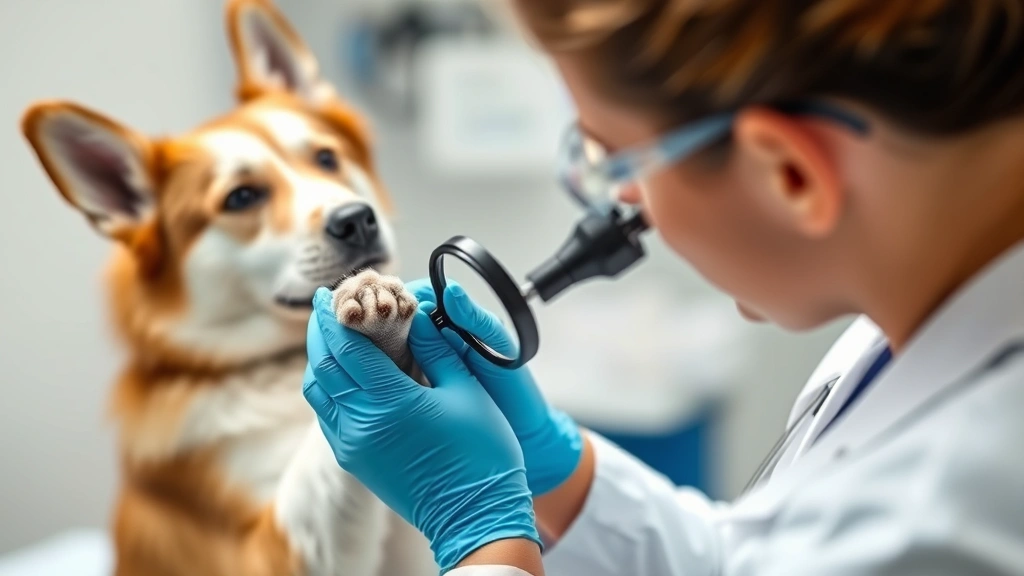
However, it’s crucial not to confuse warts with other skin conditions. If your dog has bumpy skin growths, it could also be ringworm, which looks similar but is fungal, or even pimples, which dogs can develop. The only way to be absolutely certain is to have your veterinarian examine the growths.
If your dog is persistently licking their paws or scratching at areas where warts appear, this could indicate irritation or secondary infection. Similarly, if your dog has developed hot spots on their skin, ensure these are evaluated separately from any warts present.
Treatment Options for Canine Warts
The good news about canine warts is that many resolve on their own without treatment. A healthy dog’s immune system often clears the papillomavirus within weeks to months, causing the warts to gradually disappear. However, some warts persist, and others may cause discomfort or cosmetic concerns that warrant intervention.
Watchful Waiting
The first approach most veterinarians recommend is observation. If your dog’s warts aren’t bothering them and aren’t infected, your vet might suggest simply monitoring them. Keep the area clean and watch for any changes in size, appearance, or your dog’s behavior around the warts. Many pet owners are surprised to find that warts simply vanish after a few months as the immune system gains the upper hand.
Veterinary Treatments
When warts require intervention, several treatment options exist:
- Cryotherapy: This involves freezing the wart with liquid nitrogen, causing it to die and fall off. It’s minimally invasive and often effective, though it may require multiple sessions.
- Surgical removal: For persistent or bothersome warts, your vet can surgically excise them. This is typically a quick procedure performed under local anesthesia.
- Laser therapy: Some veterinary clinics offer laser removal for warts. This method is precise and has minimal bleeding.
- Topical treatments: Certain antiviral creams or solutions may help, though they’re generally less effective than other methods. Your veterinarian might recommend these for mild cases.
- Immunotherapy: In cases where a dog develops multiple warts, your vet might discuss immunotherapy options to boost the immune system’s ability to fight the virus.
According to the American Kennel Club’s guide to skin conditions, most canine warts don’t require aggressive treatment and often resolve independently. However, working with your veterinarian to determine the best approach for your specific dog is always recommended.
Home Care During Recovery
While your dog’s warts are present, keep the affected areas clean and prevent your dog from licking or scratching at them. If your dog is showing signs of illness like fever, this could indicate a secondary infection that requires immediate veterinary attention. Maintain good hygiene practices and consider limiting your dog’s contact with other dogs until the warts have resolved.
Prevention and Management
While you can’t completely prevent warts in dogs—especially if they’re exposed to other dogs—several strategies can reduce the risk:
- Boost immune health: Feed your dog a balanced, nutritious diet rich in antioxidants and essential fatty acids. A strong immune system is your dog’s best defense against viral infections.
- Limit exposure: If your dog is a puppy or senior, consider limiting time at dog parks and group settings during peak seasons when warts are more common.
- Maintain skin health: Keep your dog’s skin clean and free from cuts or abrasions. Use a gentle, dog-appropriate shampoo and keep their nails trimmed.
- Regular vet check-ups: Routine veterinary examinations allow early detection of warts before they become problematic.
- Manage stress: Stress can compromise immune function. Ensure your dog gets adequate exercise, mental stimulation, and rest.
- Keep living areas clean: Regularly disinfect toys, bedding, and areas where your dog spends time, as the papillomavirus can survive on surfaces.
The ASPCA emphasizes that preventative care and immune support are key to maintaining your dog’s skin health and overall wellness.
When to Worry: Serious Concerns
While most canine warts are harmless, certain situations warrant immediate veterinary attention:
- Infected warts: If a wart becomes red, swollen, bleeds, or shows signs of infection, contact your vet. Bacterial infections can develop if your dog repeatedly licks or scratches at warts.
- Rapid growth: Warts that grow quickly or change appearance suddenly should be evaluated by a professional to rule out more serious conditions.
- Obstruction: Warts in the mouth or throat can interfere with eating or breathing and require prompt veterinary attention.
- Spreading infection: If warts are spreading rapidly across your dog’s body, this indicates a weakened immune system that needs investigation.
- Behavioral changes: If your dog seems uncomfortable, is excessively licking or scratching, or shows other behavioral changes related to the warts, seek professional advice.
It’s important to remember that while warts are usually benign, they can occasionally be a sign of underlying immune issues. VCA Animal Hospitals notes that persistent warts might indicate the need for immune system evaluation, particularly in older dogs or those with other health concerns.
Never attempt to remove warts at home using over-the-counter treatments designed for humans. These can be harmful to your dog’s delicate skin and may lead to infection or scarring. Always consult your veterinarian before pursuing any treatment.
Frequently Asked Questions
Can my dog’s warts spread to other dogs?
Yes, the papillomavirus that causes warts is contagious between dogs through direct contact. However, the virus is species-specific, so it cannot spread to humans, cats, or other animals. If your dog has warts, limit close contact with other dogs until the warts have resolved to prevent transmission.
How long do dog warts typically last?
Most canine warts resolve within two to five months as the immune system fights off the virus. However, some warts may persist longer, and a small percentage might require veterinary intervention. Puppies and senior dogs may experience longer-lasting warts due to immune system limitations.
Are dog warts painful?
Most warts are not painful unless they become infected, irritated, or located in areas subject to frequent friction or licking. If your dog seems uncomfortable or is excessively grooming the affected area, contact your veterinarian.
Should I have my dog’s warts removed?
Removal isn’t always necessary unless the warts are bothering your dog, becoming infected, obstructing function, or multiplying rapidly. Many veterinarians recommend observation first, with removal as an option if problems develop. Discuss the best approach with your vet based on your dog’s specific situation.
Can warts come back after removal?
Since the underlying papillomavirus may still be present, warts can potentially recur after removal. However, once a dog’s immune system has successfully fought off the virus, warts typically don’t return. This is why some warts resolve naturally while others may reappear in the same location.
Are certain dog breeds more prone to warts?
While any dog can develop warts, breeds with compromised immune systems or genetic predispositions may be more susceptible. Additionally, breeds that spend more time outdoors or in social settings may have higher exposure rates to the papillomavirus.
Can diet affect wart development?
A nutritious diet supports overall immune function, which helps your dog’s body fight off the papillomavirus more effectively. Foods rich in antioxidants, omega-3 fatty acids, and essential vitamins can support skin health and immune response.
Is there a vaccine for canine warts?
Currently, there is no widely available vaccine for the canine papillomavirus that causes warts. However, veterinary research continues to explore immunotherapy and vaccination options for dogs with persistent or multiple warts.