
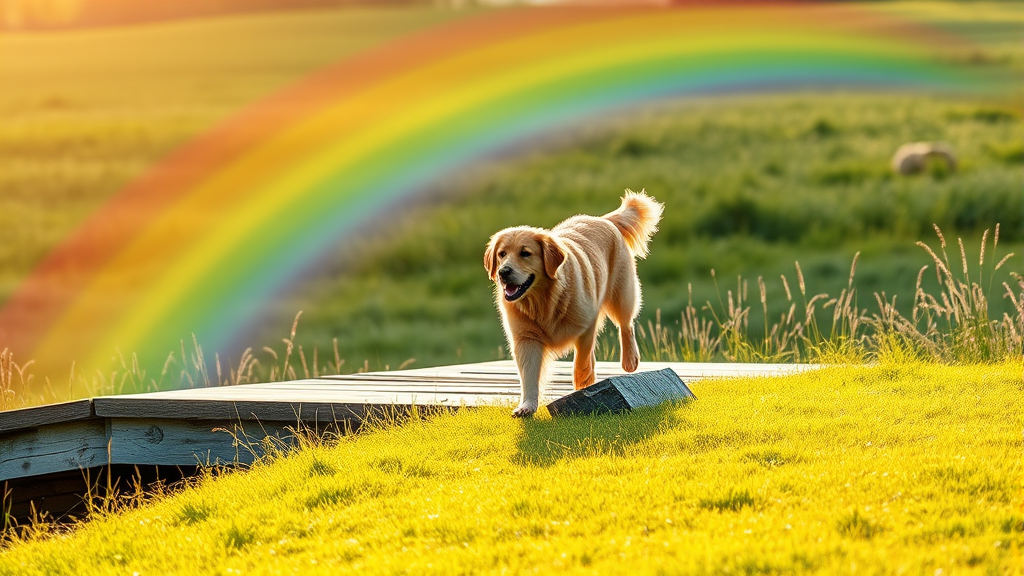
The bond between humans and their canine companions runs deeper than most relationships we experience in life. When our beloved dogs pass away, the grief can be overwhelming, leaving us searching for comfort and answers to profound questions about what happens next. The concept of dogs crossing the “Rainbow Bridge” has become a source of solace for millions of pet owners worldwide, offering hope that our furry friends continue their journey in a peaceful, joyful place beyond this life.
While the question “do dogs go to heaven” has been debated across cultures, religions, and philosophical traditions for centuries, the emotional truth remains unchanged: our dogs leave paw prints on our hearts that never fade. Whether you find comfort in religious teachings, scientific perspectives, or simply the beautiful poetry of the Rainbow Bridge, exploring these different viewpoints can help us process grief and celebrate the incredible impact our dogs have on our lives.
The Origin and Meaning of the Rainbow Bridge
The Rainbow Bridge poem, which has brought comfort to countless grieving pet owners, paints a vivid picture of a magical place where beloved animals wait for their human companions. According to this beautiful narrative, when a cherished pet dies, they cross over a rainbow bridge to a land of meadows, hills, and sunshine, where they are restored to perfect health and youth. Here, they play together until the day they are reunited with their special person, and together they cross the bridge into heaven.
While the exact origin of the Rainbow Bridge poem remains somewhat mysterious, with several people claiming authorship, its impact is undeniable. The concept draws from various cultural and spiritual traditions that speak of bridges connecting the earthly realm to the divine. The rainbow itself has long been a symbol of hope, promise, and divine connection across many cultures, making it a particularly fitting metaphor for this spiritual journey.
The poem addresses one of the most difficult aspects of pet loss: the idea that our dogs might suffer or be alone after death. Instead, it offers a vision of peace, playfulness, and eventual reunion. This narrative has become so embedded in pet loss culture that veterinary clinics, pet cemeteries, and grief counselors regularly reference it when helping families cope with the death of a beloved animal companion.

Religious Perspectives on Dogs and the Afterlife
Different religious traditions offer varying perspectives on whether dogs and other animals have souls and what happens to them after death. In Christianity, theological opinions range widely. Some denominations focus on biblical passages suggesting that only humans, being made “in God’s image,” possess immortal souls. However, other Christian thinkers point to verses like Ecclesiastes 3:19-21, which questions whether the spirit of animals differs from that of humans, and Romans 8:19-22, which speaks of all creation being liberated from decay.
Many contemporary Christian theologians and leaders, including prominent figures like Billy Graham, have expressed belief that beloved pets may indeed be part of God’s heavenly kingdom. The Catholic Church’s position has evolved over time, with Pope Francis suggesting that paradise is open to all of God’s creatures. This shift reflects a growing recognition of animals as sentient beings deserving of compassion and spiritual consideration.
In Eastern religions, the concept of animal afterlife is often more clearly defined. Buddhism and Hinduism both teach that animals possess consciousness and can be reborn into different forms based on their karma. In these traditions, the love and positive energy shared between humans and animals creates spiritual bonds that transcend physical death. Some Buddhist teachings specifically mention that animals who have been loved and cared for by humans may be reborn into higher realms or even as humans in their next life.
Islamic tradition also acknowledges that animals are conscious beings created by Allah, though interpretations vary regarding their ultimate fate. Some Islamic scholars believe that animals will be present in paradise, while others focus on the justice and mercy that all of Allah’s creatures will experience. The Prophet Muhammad’s well-documented love for animals, including his cat Muezza, suggests a deep spiritual connection between humans and their animal companions that may extend beyond earthly life.
The Scientific Viewpoint on Animal Consciousness
Modern neuroscience and animal cognition research have revolutionized our understanding of animal consciousness and emotional capacity. The Cambridge Declaration on Consciousness, signed by prominent neuroscientists in 2012, officially acknowledged that non-human animals, including dogs, possess consciousness and awareness comparable to humans in many ways.
Studies have shown that dogs experience complex emotions including joy, fear, love, grief, and even what appears to be empathy and moral reasoning. Their brains contain structures similar to those associated with emotional processing in humans, including the limbic system. When dogs form attachments to their human families, the same neurochemicals involved in human bonding—such as oxytocin—are released, creating genuine emotional connections.
While science cannot definitively answer questions about an afterlife, it has validated what dog owners have always known: our pets are sentient beings capable of deep emotional experiences. Understanding behaviors like why dogs lick their paws or recognizing signs of anxiety such as why dogs shake helps us appreciate the complex inner lives of our canine companions.
Research into animal cognition has also revealed that dogs possess theory of mind—the ability to understand that others have thoughts and feelings different from their own. This cognitive capacity, once thought to be uniquely human, suggests a level of self-awareness that many consider prerequisites for spiritual existence. Some researchers even explore whether dogs might experience something analogous to what humans call spiritual or transcendent moments.

Cultural Beliefs Around the World
Indigenous cultures worldwide have long honored the spiritual significance of animals and their connection to the afterlife. Many Native American traditions speak of animals as spirit guides who continue to protect and guide their human companions even after death. The concept of animal totems and spirit animals reflects a belief that the bonds between humans and animals transcend physical existence.
In ancient Egyptian culture, animals were considered sacred beings with their own spiritual essence. Dogs were particularly revered, often mummified and buried with their owners to ensure companionship in the afterlife. The god Anubis, depicted with the head of a dog or jackal, served as the guardian of the dead and guide to the afterlife, emphasizing the special role dogs played in spiritual transitions.
Japanese culture includes the touching legend of Hachiko, the loyal Akita who waited for his deceased owner for nearly ten years. This story, celebrated worldwide, reflects the Japanese belief in the deep spiritual bonds between humans and dogs. In Shinto tradition, all living beings possess a spiritual essence that continues after physical death.
Celtic mythology speaks of the “Otherworld,” a realm where spirits of both humans and animals exist in harmony. Dogs were considered psychopomps—beings capable of traveling between worlds and guiding souls through spiritual transitions. This belief system sees death not as an ending but as a transformation into a different state of being where the bonds of love remain intact.
Processing Grief and Finding Healing
The death of a beloved dog often triggers profound grief that can be as intense as losing a human family member. This is entirely natural and reflects the genuine love and attachment we form with our canine companions. Understanding that grief is a normal response to loss helps validate these powerful emotions and begins the healing process.
Veterinary professionals and pet loss counselors recognize several stages of pet grief: denial, anger, bargaining, depression, and acceptance. These stages don’t always occur in order, and people may experience multiple stages simultaneously. Some pet owners feel guilty about their grief, wondering if it’s “normal” to feel so devastated over “just a dog.” The reality is that the bond with a beloved pet is real, meaningful, and worthy of the grief it generates when broken.
Professional pet loss counseling has become increasingly available as the veterinary community recognizes the importance of supporting grieving families. Many veterinary schools now include training on helping clients through pet loss, and organizations like the American Veterinary Medical Association provide resources for coping with pet loss.
Creating rituals around your dog’s passing can be incredibly healing. This might include holding a memorial service, creating a photo album, planting a garden in their memory, or writing letters to your deceased pet. Some people find comfort in volunteering at animal shelters or rescues, channeling their love for their departed dog into helping other animals in need.
Memorial Traditions and Honoring Your Dog
The ways we choose to memorialize our beloved dogs reflect both our personal beliefs and our need to maintain a connection with them after death. Traditional options include burial in pet cemeteries, which often feature beautiful gardens and memorial stones where families can visit and remember their pets. These spaces provide a physical location for grief and remembrance, similar to human cemeteries.
Cremation has become increasingly popular, allowing families to keep their dog’s ashes in decorative urns, scatter them in meaningful locations, or even incorporate them into memorial jewelry or artwork. Some companies now offer services to turn cremated remains into diamonds or glass sculptures, creating lasting physical memorials that can be treasured for generations.
Digital memorials have emerged as a modern way to honor deceased pets. Online memorial websites, social media tribute pages, and digital photo albums allow families to share stories, photos, and memories with others who knew and loved their dog. These platforms often become gathering places where friends and extended family can offer condolences and share their own memories.
Many families choose to make charitable donations in their dog’s name to animal welfare organizations, veterinary research foundations, or local shelters. This transforms grief into positive action that helps other animals, creating a living legacy that honors the deceased pet’s memory while helping animals still in need of care and love.
Signs of Comfort and Spiritual Connections
Many grieving pet owners report experiencing what they interpret as signs from their deceased dogs. These might include dreams featuring their beloved pet, sensing their presence in familiar places, or experiencing unexplained phenomena that remind them of their dog. While science cannot verify the spiritual nature of these experiences, their comfort value is undeniable.
Dreams about deceased pets are extremely common and often bring tremendous comfort to grieving owners. In these dreams, dogs typically appear healthy, young, and happy—similar to the Rainbow Bridge imagery. Whether viewed as spiritual visitations or the mind’s way of processing grief, these dreams often provide a sense of closure and peace that helps people move forward while maintaining their love for their departed pet.
Some people report sensing their dog’s presence through familiar sounds, scents, or physical sensations. They might hear the jingle of a collar, feel the weight of their dog jumping on the bed, or catch a whiff of their pet’s distinctive scent. These experiences, regardless of their ultimate nature, often bring comfort and a sense that the bond with their beloved dog continues in some form.
Behavioral quirks that we might normally question, such as why dogs eat poop or other unusual behaviors, suddenly become cherished memories that connect us to our departed pets. Even challenging behaviors or health concerns we worried about, including questions like can dogs have autism, transform into loving memories of our unique companion and their individual personality.
Frequently Asked Questions
Do all dogs go to heaven according to religious beliefs?
Religious perspectives on dogs in the afterlife vary significantly. Many Christian denominations are divided on this issue, with some believing only humans have immortal souls while others, including prominent leaders like Pope Francis and Billy Graham, suggest that beloved pets may indeed be part of God’s heavenly kingdom. Eastern religions like Buddhism and Hinduism generally acknowledge animal consciousness and the possibility of spiritual continuation after death, while Islamic teachings vary in their interpretation of animals’ ultimate fate.
What is the Rainbow Bridge and where did it come from?
The Rainbow Bridge is a comforting poem that describes a peaceful place where beloved pets wait for their owners after death. The exact authorship remains unclear, but the poem has become a cornerstone of pet loss comfort literature. It depicts animals crossing a rainbow bridge to a beautiful meadow where they are restored to perfect health and youth, playing together until reunited with their human companions for their journey into heaven together.
Is it normal to grieve as deeply for a dog as for a human family member?
Absolutely. The grief experienced after losing a beloved dog can be just as intense and valid as grief for human family members. Dogs often provide unconditional love, daily companionship, and emotional support that creates genuine attachment bonds. Veterinary professionals and grief counselors recognize pet loss as a legitimate form of bereavement that deserves the same respect and support as other types of grief.
What does science say about animal consciousness and souls?
Modern neuroscience has confirmed that dogs possess consciousness, complex emotions, and cognitive abilities once thought unique to humans. The Cambridge Declaration on Consciousness officially acknowledged that dogs experience awareness comparable to humans in many ways. While science cannot prove or disprove the existence of animal souls, it has validated that dogs are sentient beings capable of deep emotional experiences and genuine bonds with their human families.
How can I cope with the loss of my dog?
Coping with pet loss involves acknowledging your grief as valid and allowing yourself time to heal. Consider creating memorial rituals, seeking support from pet loss counselors or support groups, and connecting with others who understand your loss. Many people find comfort in volunteering with animal organizations, creating memorial items, or making charitable donations in their pet’s name. Professional counseling is available specifically for pet loss and can be extremely helpful during the grieving process.
Are there signs that my deceased dog is still with me?
Many pet owners report experiencing dreams, sensing their dog’s presence, or noticing signs that remind them of their beloved pet. While these experiences cannot be scientifically verified as spiritual phenomena, they often provide significant comfort and a sense of continuing connection. Whether interpreted as spiritual visitations or the mind’s way of processing grief and maintaining bonds, these experiences can be healing parts of the bereavement process.
Should I get another dog right away after my pet dies?
The timing for adopting a new dog is deeply personal and varies for each individual and family. Some people find comfort in providing a home for another dog relatively quickly, while others need more time to grieve before opening their hearts to a new companion. There’s no “right” timeline—the important thing is to ensure you’re emotionally ready to form a new bond without expecting the new dog to replace your beloved pet. Each dog is unique and deserves to be loved for their own special qualities.





