

Do Dogs Have Adam’s Apples? What Experts Say
Ever found yourself staring at your dog’s neck and wondering about that mysterious bump on yours? You know, the one that bobs up and down when you swallow? Well, you’re not alone in pondering whether our four-legged friends have the same anatomical feature. The short answer is yes—dogs do have Adam’s apples, though theirs work quite differently than ours, and you might never notice them lurking beneath all that fur.
The question “do dogs have Adam’s apples” might seem quirky, but it’s actually a fantastic gateway into understanding canine anatomy. By exploring this seemingly simple question, we’ll uncover fascinating differences between human and dog physiology, learn how dogs’ throats function, and discover why their neck anatomy is so perfectly adapted for their unique needs.
Whether you’re a curious pet parent, a budding veterinarian, or simply someone who enjoys random dog facts to share at dinner parties, this comprehensive guide will satisfy your anatomical curiosity and help you appreciate just how wonderfully different our canine companions truly are.
What Exactly Is an Adam’s Apple?
Let’s start with the basics. An Adam’s apple—scientifically called the laryngeal prominence—is the visible bulge in the front of your neck. It’s part of your larynx, or voice box, and it’s made up of thyroid cartilage. This cartilage protects your vocal cords and is responsible for producing sound.
The term “Adam’s apple” has biblical origins, with some believing it references the forbidden fruit that Adam ate and got stuck in his throat. Whether or not that’s historically accurate, the name has stuck around for centuries. The Adam’s apple is typically more prominent in adult males due to testosterone’s effects on laryngeal growth during puberty, which is why you’ll notice it more pronounced in men than women.
The larynx serves several critical functions in humans: it houses the vocal cords for speech, protects the airway during swallowing, and helps regulate breathing. When you swallow, your larynx actually rises up slightly—you can feel this movement if you place your fingers on your throat. It’s a coordinated dance of muscles and cartilage that we rarely think about but depends on constantly.
Now, here’s where things get interesting: dogs have all the same basic anatomical components in their throats. They have a larynx, thyroid cartilage, vocal cords, and all the supporting structures. But their version looks and functions quite differently than ours.
Do Dogs Have Adam’s Apples?
Yes, dogs absolutely have Adam’s apples! However, they’re structured differently than human Adam’s apples and are typically hidden beneath fur and skin, making them nearly impossible to spot. A dog’s laryngeal prominence exists as part of their larynx, but it’s much less pronounced than the human version, and the cartilage arrangement creates a different silhouette.
The reason you don’t notice a dog’s Adam’s apple has everything to do with their anatomy and evolutionary adaptations. While humans have a prominent laryngeal prominence that sticks out noticeably, dogs’ larynxes are positioned differently in their necks. Additionally, the thyroid cartilage in dogs doesn’t protrude as dramatically as it does in humans. Combined with their fur and the overall structure of their neck muscles, any laryngeal prominence is essentially invisible to the naked eye.
If you’ve ever felt your dog’s neck, you might have noticed various bumps and lumps. Most of these are lymph nodes, muscles, or other soft tissue structures. The Adam’s apple itself would feel like a small cartilaginous bump, but it’s so subtle that most pet owners never specifically identify it.
Interestingly, the lack of a prominent Adam’s apple is just one of many ways dogs’ throats differ from ours. Understanding these differences helps explain why dogs communicate so differently, why they’re prone to certain throat issues, and how their bodies have adapted for their specific needs.

How the Canine Larynx Works
Your dog’s larynx is a marvel of biological engineering, perfectly designed for their lifestyle and communication style. Located in the throat, the canine larynx contains vocal folds (sometimes called vocal cords) that vibrate to produce sound. When air passes through these folds, it creates the barks, whines, and growls we know and love.
The larynx also plays a crucial role in protecting your dog’s airway. When your pup swallows, the larynx rises and a small flap called the epiglottis covers the opening to the trachea (windpipe), preventing food and water from entering the lungs. This is the same protective mechanism humans have, and it’s absolutely essential for survival.
One fascinating aspect of canine laryngeal function relates to why dogs pant. Why dogs pant is directly connected to their larynx and throat structure. Dogs lack efficient sweat glands and instead regulate their body temperature through panting. The larynx opens and closes rapidly during panting, allowing air to flow over the tongue and oral tissues, which helps cool the body. This is why you’ll see your dog panting heavily after exercise or on hot days.
The vocal quality of a dog’s bark is determined by several factors, including the size and shape of their larynx, the length of their vocal folds, and the overall size of their resonating chambers (throat, mouth, and nasal passages). This is why large breeds tend to have deeper barks while small breeds often have higher-pitched vocalizations. It’s not just attitude—it’s anatomy!
Dogs also have remarkable control over their larynx for communication. They can produce a wide range of sounds: sharp barks for alerts, soft whines for attention-seeking, deep growls for warnings, and even those adorable little “woo-woo” sounds some breeds make. All of this vocal versatility stems from their laryngeal control.
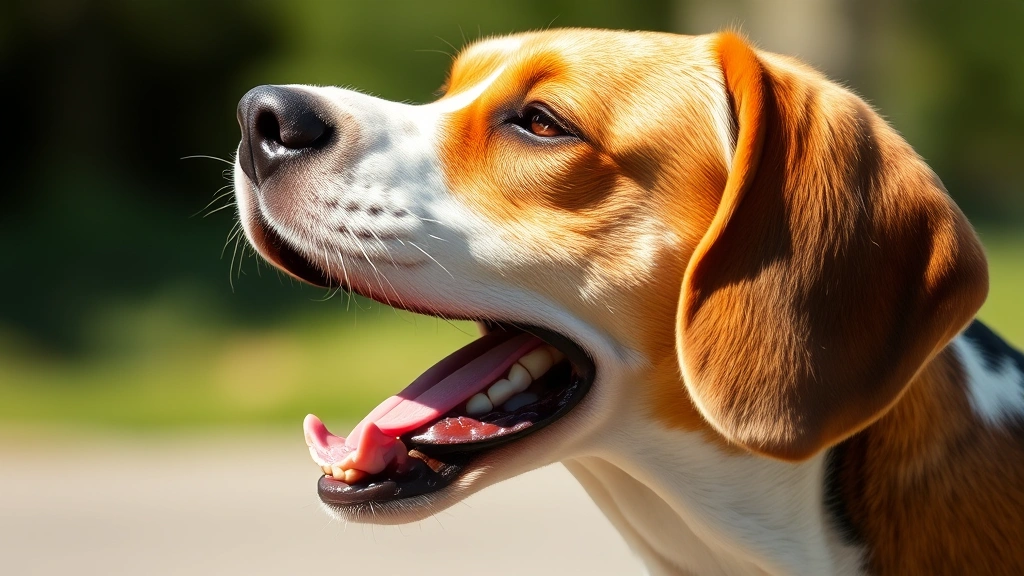
Key Differences Between Human and Dog Throats
While humans and dogs share the same basic throat anatomy—larynx, pharynx, trachea, and esophagus—the differences are significant and worth exploring. These differences have evolved to suit each species’ unique lifestyle, diet, and communication needs.
Laryngeal Position and Structure
In humans, the larynx is positioned relatively high in the neck, and it descends further during development. This positioning is partly responsible for our ability to produce complex speech sounds. Dogs’ larynxes are positioned differently, more toward the back of the throat, which affects sound production and airway dynamics.
Vocal Cord Differences
While both humans and dogs have vocal cords, the structure and control differ significantly. Human vocal cords are highly specialized for producing the complex sounds required for speech. Dog vocal cords are more suited for producing barks, howls, and growls. Additionally, dogs have less fine motor control over their vocal cords compared to humans, which is why they can’t produce human speech sounds.
Throat Anatomy Related to Oral Structure
Dogs’ throats are adapted to their diet and eating habits. Like humans, dogs have teeth designed for tearing and grinding, but their throat anatomy is optimized for swallowing larger pieces of food without extensive chewing. This is an evolutionary adaptation from their wolf ancestors, who needed to consume prey quickly.
Additionally, many dog owners wonder about other throat structures. For instance, do dogs have tonsils? The answer is yes—dogs have pharyngeal tonsils and other lymphoid tissue in their throats, just like humans do. These structures play a role in immune function.
Pharyngeal and Esophageal Differences
The pharynx (throat) in dogs is proportionally larger than in humans, and their esophagus (food tube) is more elastic and muscular. This allows dogs to swallow larger chunks of food than humans typically could manage. The muscular contractions in a dog’s esophagus are also more powerful, facilitating the movement of food to the stomach.
Lymphoid Tissue Distribution
Dogs have lymph nodes distributed throughout their neck and throat region, similar to humans. However, the distribution and prominence differ. If you feel your dog’s neck, you might notice small bumps—these could be lymph nodes, which are part of the immune system. It’s normal for dogs to have palpable lymph nodes, though significantly enlarged ones warrant a veterinary check-up.
Understanding these anatomical differences helps explain why dogs have different health vulnerabilities. For example, why your dog might be coughing could relate to various throat conditions, allergies, or infections that affect their unique throat anatomy differently than they would affect humans.
Health Implications and What to Watch For
Now that we understand the anatomy, let’s discuss what can go wrong and how to keep your dog’s throat healthy. Several conditions can affect the canine larynx and throat, and recognizing the signs early can make a significant difference in your pet’s health.
Laryngeal Paralysis
One of the more common laryngeal issues in dogs is laryngeal paralysis, where the muscles controlling the larynx become weak or paralyzed. This can result in difficulty breathing, especially during exercise, and a characteristic change in the bark sound. Older dogs and certain breeds like Labradors and Golden Retrievers are more prone to this condition. If you notice your dog’s bark sounds hoarse or they’re having trouble breathing, consult your veterinarian.
Throat Infections and Inflammation
Dogs can develop pharyngitis (throat inflammation) or laryngitis from infections, allergies, or irritants. Signs include difficulty swallowing, excessive drooling, loss of appetite, or a change in vocalization. These conditions often resolve with veterinary care, which might include antibiotics if bacterial infection is present.
Collapsing Trachea
While not strictly an Adam’s apple issue, tracheal collapse affects the windpipe and can cause coughing and breathing difficulties. Small breeds are particularly susceptible. If your dog has a chronic dry cough, especially a “honking” sound, this could be the culprit.
Reverse Sneezing and Gagging
Sometimes dogs experience reverse sneezing, where they rapidly inhale through the nose, often making a snorting or honking sound. While usually harmless, it indicates some irritation in the throat or nasal passages. Most reverse sneezing episodes resolve on their own, but frequent episodes warrant veterinary evaluation.
Signs of Throat Problems to Watch For
- Changes in bark sound or complete loss of voice
- Difficulty swallowing or excessive drooling
- Persistent coughing, especially after exercise
- Breathing difficulties or labored breathing
- Loss of appetite or reluctance to eat
- Gagging or retching
- Swelling in the neck area
- Fever or lethargy combined with throat symptoms
If your dog displays any of these symptoms, schedule a veterinary appointment. Your vet can perform a physical examination and, if necessary, imaging or endoscopy to assess your dog’s throat health. Early intervention can prevent minor issues from becoming major problems.
It’s also worth noting that can dogs get the flu is a question many pet owners ask, especially during flu season. Yes, dogs can contract canine influenza, which can cause respiratory symptoms including throat irritation. Keeping your dog vaccinated and practicing good hygiene can help prevent respiratory infections.
Keeping Your Dog’s Throat Healthy
Prevention is always better than treatment. Here are some tips to maintain your dog’s throat health:
- Provide fresh water: Proper hydration keeps mucous membranes healthy
- Avoid irritants: Keep your dog away from smoke, strong chemicals, and air pollution
- Maintain a healthy weight: Obesity can contribute to breathing and throat issues
- Regular veterinary checkups: Annual exams allow your vet to catch problems early
- Appropriate exercise: Keep your dog active but avoid overexertion in extreme heat
- Quality diet: Proper nutrition supports immune function
- Vaccination: Keep your dog current on vaccines that protect against respiratory infections
One interesting anatomical feature many people wonder about is whether dogs have eyebrows. While this might seem unrelated to throat anatomy, it’s another great example of how dogs’ anatomy differs from humans in surprising ways. Dogs have eyebrow-like markings and muscles, but they’re not true eyebrows like ours.
Frequently Asked Questions
Can you feel a dog’s Adam’s apple?
Technically, yes, you can feel a dog’s laryngeal prominence if you know where to look and feel carefully. However, it’s extremely subtle—much less prominent than a human Adam’s apple. A dog’s Adam’s apple feels like a small, smooth cartilaginous bump on the front of the neck, but it’s usually difficult to distinguish from other neck structures. The fur also makes it harder to locate. Most veterinarians can identify it through palpation, but average pet owners rarely notice it unless specifically looking for it.
Why don’t dogs have visible Adam’s apples like humans?
Dogs’ Adam’s apples aren’t visible for several reasons. First, the laryngeal prominence in dogs is much less pronounced anatomically than in humans. Second, dogs’ larynxes are positioned differently in their necks. Third, dogs’ thick fur and different neck muscle structure obscure any slight protrusion that might exist. Finally, evolutionary adaptations have shaped canine anatomy for their specific needs—a prominent Adam’s apple isn’t necessary for their survival or communication.
Do all dog breeds have Adam’s apples?
Yes, all dogs have Adam’s apples (laryngeal prominence) as part of their larynx structure. However, the prominence might vary slightly between breeds depending on neck structure, size, and body composition. Large breeds with thicker necks might have slightly more noticeable laryngeal structures, but it would still be imperceptible to most people due to fur and the overall anatomy.
Is the Adam’s apple important for a dog’s health?
Absolutely. The larynx, including the cartilage that comprises the Adam’s apple, is essential for multiple vital functions: breathing, swallowing, and vocalization. Problems with the larynx can affect any of these functions, potentially impacting your dog’s quality of life and health. This is why conditions like laryngeal paralysis or laryngitis require veterinary attention.
What should I do if I notice a lump on my dog’s neck?
If you notice a new lump or swelling on your dog’s neck, contact your veterinarian. While many lumps are harmless (lymph nodes, fatty deposits, etc.), some could indicate infection, inflammation, or more serious conditions. Your vet can perform a physical examination and recommend further diagnostics if needed. Don’t panic, but do get it checked out professionally.
Can dogs get sore throats like humans?
Yes, dogs can develop sore throats from infections, allergies, or irritation. Signs include difficulty swallowing, drooling, loss of appetite, or changes in vocalization. If you suspect your dog has a sore throat, contact your veterinarian. They can determine the cause and recommend appropriate treatment, which might include antibiotics for bacterial infections or supportive care for viral infections.
How is dog laryngitis treated?
Treatment for laryngitis depends on the underlying cause. If it’s bacterial, antibiotics might be prescribed. For viral laryngitis, treatment is usually supportive—rest, fluids, and sometimes anti-inflammatory medications. Your veterinarian might recommend keeping your dog calm and quiet to allow the larynx to heal. In some cases, if the laryngitis is severe or persistent, additional diagnostics might be needed.
Are certain dog breeds more prone to throat problems?
Yes, some breeds are more susceptible to certain throat conditions. Large breeds like Labradors and Golden Retrievers are more prone to laryngeal paralysis. Small breeds like Chihuahuas and Toy Poodles are more susceptible to tracheal collapse. Brachycephalic breeds (flat-faced dogs like Bulldogs and Pugs) often have respiratory and throat issues due to their anatomy. If you own one of these breeds, discuss breed-specific health concerns with your veterinarian.
Should I be concerned if my dog’s bark changes?
A change in your dog’s bark can indicate a laryngeal issue, but it could also be due to other factors. If the change is sudden and accompanied by other symptoms like difficulty breathing or eating, contact your vet promptly. If it’s a gradual change in an older dog, it might be age-related, but it’s still worth mentioning at your next veterinary visit. Your vet can determine if investigation is needed.





