
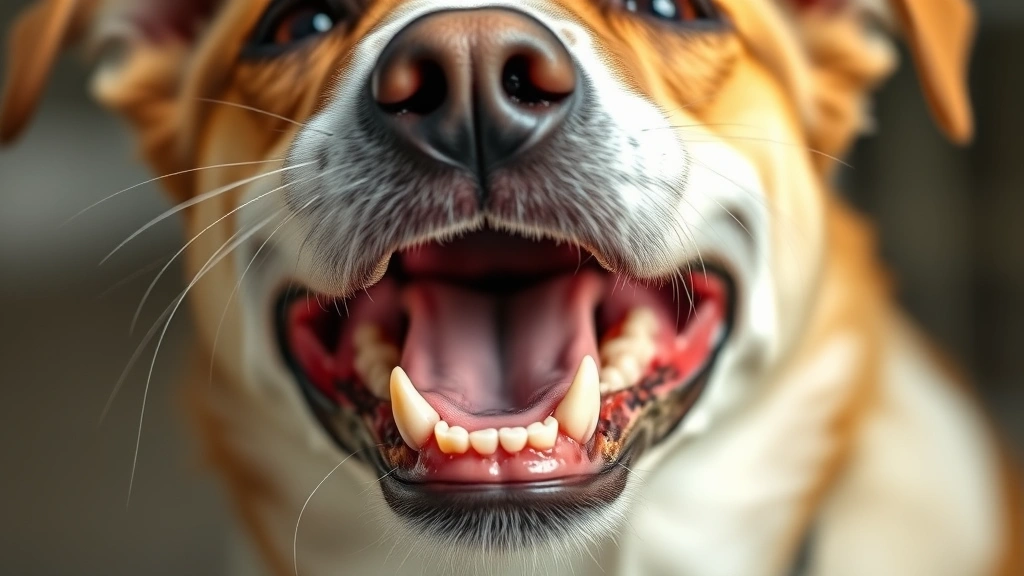
So, do dogs have cleanest mouth compared to humans? Not even close, and we’re about to blow your mind with the reality of what’s actually happening in your pup’s mouth right now. You’ve probably heard the old myth that a dog’s mouth is cleaner than a human’s—maybe even cleaner than a toilet seat (yikes). Well, grab your sense of humor because we’re diving into the bacterial cesspool that is your beloved dog’s oral cavity.
Table of Contents
- The Myth vs. Reality: Debunking the Cleanest Mouth Claim
- What’s Actually Living in Your Dog’s Mouth
- Why the Myth Persists: The Saliva Factor
- Dental Disease in Dogs: The Real Story
- The Bacteria That Actually Matters: Pasteurella and Other Pathogens
- Oral Hygiene for Dogs: What Actually Works
- Should You Be Afraid of Dog Kisses?
- The Bottom Line on Dog Mouth Cleanliness
- Keeping Your Dog’s Mouth as Healthy as Possible
- Frequently Asked Questions
The Myth vs. Reality: Debunking the Cleanest Mouth Claim
Let’s address the elephant in the room: the persistent myth that dog mouths are somehow magically cleaner than human mouths. This folklore has been passed down through generations, whispered at dog parks, and repeated by well-meaning dog owners everywhere. The truth? It’s completely backwards.
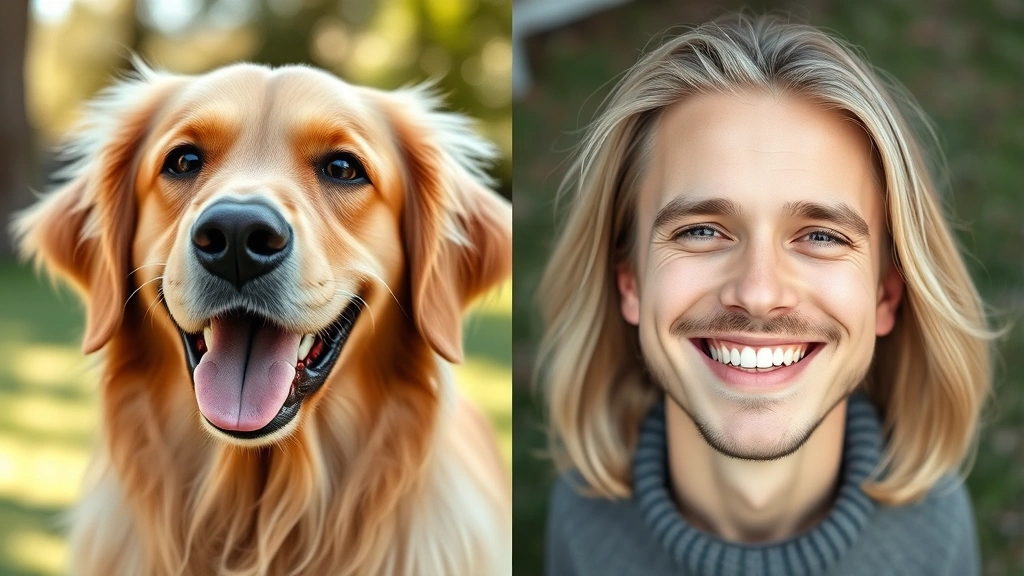
A dog’s mouth contains roughly 600-700 different species of bacteria. Your mouth? You’ve got about 700-800 species too. But here’s where it gets interesting—and gross. Dogs don’t practice oral hygiene. They don’t brush their teeth, floss, or use mouthwash. Meanwhile, humans (well, most of us) actually maintain dental routines. This means the bacterial load in your dog’s mouth is significantly higher and far less regulated than what’s happening in yours.
What’s Actually Living in Your Dog’s Mouth
Your dog’s mouth is basically a thriving metropolis of microorganisms. We’re talking about bacteria like Streptococcus, Staphylococcus, and Pasteurella multocida. Some of these bacteria are relatively harmless, while others can cause serious infections if they get into an open wound on your skin.
The warm, moist environment of a dog’s mouth is basically a five-star resort for bacteria. Add in the fact that dogs eat questionable things (dead animals, garbage, their own poop—don’t even get us started), and you’ve got a microbial nightmare. Every time your dog licks you, they’re essentially sharing their bacterial collection with you.
Why the Myth Persists: The Saliva Factor
Here’s why people think dog mouths are clean: saliva does have some antimicrobial properties. Dog saliva contains lysozyme, an enzyme that can break down bacterial cell walls. So technically, there is some self-cleaning happening. But—and this is a big but—it’s nowhere near effective enough to make a dog’s mouth cleaner than a human’s.
The antimicrobial properties of saliva are modest at best. They help slow bacterial growth, but they don’t eliminate the problem. It’s like putting a band-aid on a broken leg and calling it healed. Yes, there’s some benefit, but the overall picture is still pretty grimy.
Dental Disease in Dogs: The Real Story
If dog mouths were actually clean, we wouldn’t see such rampant dental disease in our canine companions. By age three, about 80% of dogs have some form of dental disease. This includes tartar buildup, gum disease, and tooth decay—all signs that the mouth environment isn’t exactly pristine.
Unlike humans who can brush their teeth and visit dentists, dogs rely entirely on their owners for dental care. Most dogs never get their teeth professionally cleaned, and many owners don’t even attempt to brush their dog’s teeth. This neglect leads to plaque accumulation, which hardens into tartar, creating an environment where even more bacteria thrive. It’s a vicious cycle of oral neglect.
The Bacteria That Actually Matters: Pasteurella and Other Pathogens
Let’s talk about the bacteria that should actually concern you. Pasteurella multocida is found in the mouths of about 50-80% of healthy dogs. This bacterium can cause serious infections if it enters your bloodstream through a cut or wound. There’s also Streptococcus and Staphylococcus species that can be pathogenic.
When your dog licks an open wound on your hand, they’re potentially introducing these bacteria directly into your body. For most healthy people, this isn’t a problem—your immune system handles it. But for people with compromised immune systems, the elderly, or young children, a dog lick could theoretically lead to infection.
For more information on treating minor wounds from pets, check out our guide on can I put Neosporin on my dog to understand proper wound care for both you and your pup.
Oral Hygiene for Dogs: What Actually Works
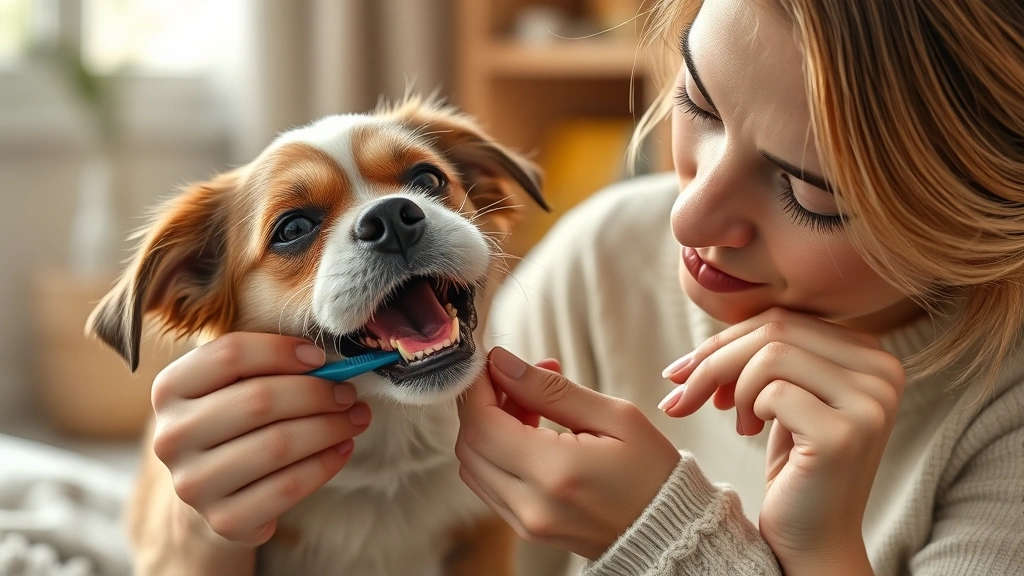
If you want to improve your dog’s oral health, there are actually proven methods. Regular teeth brushing is the gold standard—yes, you can brush your dog’s teeth, and yes, they’ll probably hate it, but it works. Using a dog-specific toothbrush and toothpaste (never human toothpaste, which contains fluoride that’s toxic to dogs) can significantly reduce plaque and tartar buildup.
Dental chews and toys designed to promote chewing can also help mechanically clean teeth. Raw bones (under supervision) can provide some benefit, though this is debated among veterinarians. Professional dental cleanings by your veterinarian are sometimes necessary for dogs with significant dental disease.
Proper pet nutrition advice also plays a role in oral health. Dry kibble is slightly better for teeth than wet food, as it provides some mechanical cleaning action. Some veterinary diets are specifically formulated to support dental health.
Should You Be Afraid of Dog Kisses?
Now, before you ban your dog from licking your face, let’s be reasonable. The risk of getting a serious infection from a dog lick is actually quite low for most people. Your skin is an excellent barrier, and your immune system is pretty good at handling the bacteria dogs carry. The real danger comes when a dog licks an open wound or when someone with a compromised immune system is exposed.
If you have a cut or scrape, it’s wise to keep your dog’s mouth away from it. If you’re immunocompromised, pregnant, or very young, you might want to be more cautious about dog kisses on the face. For most healthy adults? A dog lick is unlikely to cause problems, even if their mouth isn’t exactly clean.
The Bottom Line on Dog Mouth Cleanliness
Do dogs have the cleanest mouth? Absolutely not. In fact, your dog’s mouth is probably significantly dirtier than yours, and that’s okay. Dogs are animals, and their mouths reflect that reality. They don’t have the ability to maintain oral hygiene like humans do, and they engage in behaviors (like eating garbage) that would horrify any dentist.
The key takeaway is that while dog mouths aren’t clean, they’re also not inherently dangerous for most people. The bacteria they carry are part of normal dog biology. What matters is maintaining good pet food safety practices and being aware of when dog licks might pose a risk—like around open wounds or for immunocompromised individuals.
If you’re concerned about your dog’s oral health or have questions about whether your dog’s mouth hygiene is affecting their overall health, consider scheduling a telehealth vet appointment to discuss preventive dental care options with a professional.
Keeping Your Dog’s Mouth as Healthy as Possible
While we can’t make your dog’s mouth actually clean, we can keep it as healthy as possible. Start by establishing a dental care routine early in your dog’s life. Puppies are more receptive to teeth brushing than adult dogs, so if you have a young pup, start now.
Regular veterinary check-ups should include oral examinations. Your vet can spot early signs of dental disease before they become serious problems. They can also recommend professional cleaning if needed and suggest the best at-home care routine for your specific dog.
Remember that dental disease in dogs isn’t just about bad breath—it can lead to serious health problems. Bacteria from infected teeth can enter the bloodstream and affect the heart, kidneys, and liver. So maintaining your dog’s oral health is actually about maintaining their overall health.
Frequently Asked Questions
Is it safe to let my dog lick my face?
For most healthy people, letting your dog lick your face is generally safe. However, if you have open wounds, cuts, or a compromised immune system, it’s better to avoid face licks. Always wash your hands and face after dog contact, especially before eating or touching your eyes.
Do dogs’ mouths heal faster than humans because they’re cleaner?
Dogs’ mouths don’t heal faster because they’re cleaner—they’re not. Any faster healing in dogs is due to different biological factors, like higher cell turnover rates and different immune responses, not because their mouths are cleaner or more hygienic.
Can I get sick from my dog licking me?
While it’s theoretically possible to get an infection from a dog lick, it’s quite rare in healthy people. The bacteria in dog saliva rarely cause problems unless they enter through an open wound or you have a compromised immune system.
How often should I brush my dog’s teeth?
Ideally, you should brush your dog’s teeth daily, just like you do your own. If daily brushing isn’t realistic, aim for at least 3-4 times per week. Even occasional brushing is better than none.
What’s the best way to improve my dog’s oral hygiene?
The most effective method is regular teeth brushing with dog-specific toothpaste. Combine this with dental chews, appropriate toys, quality nutrition, and regular veterinary check-ups for the best results.





