
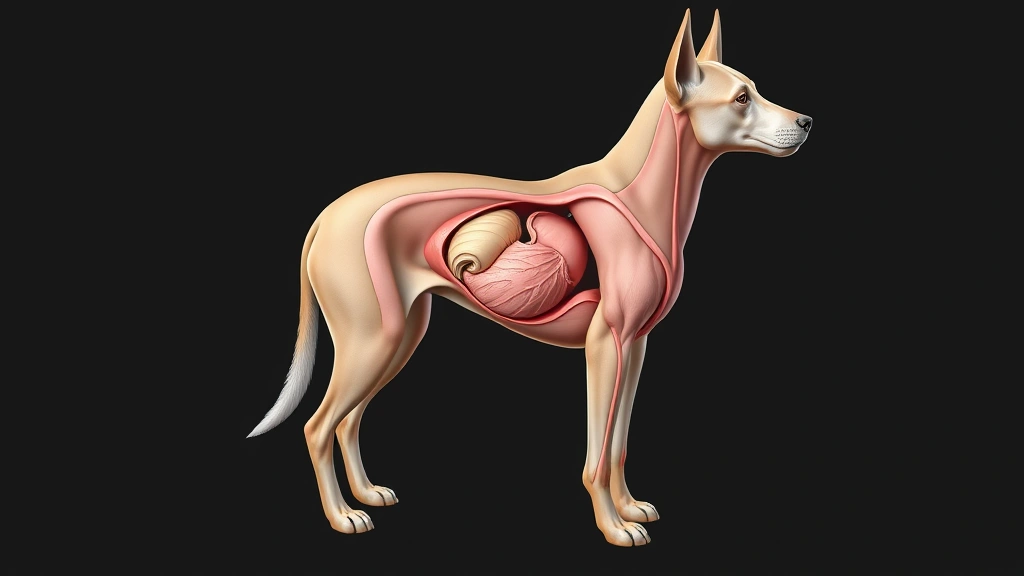
Yes, female dogs do have a clitoris, and it functions similarly to the human version. If you’ve ever wondered about your dog’s reproductive anatomy, you’re not alone—this is actually a common question pet owners ask veterinarians. Let’s dive into the fascinating world of canine reproductive biology without the awkwardness.
Table of Contents
- The Female Dog’s Reproductive System Explained
- Where Is the Clitoris Located in Dogs?
- How Does Canine Clitoral Anatomy Differ From Humans?
- The Role of the Clitoris in Dog Heat Cycles
- Spaying and the Clitoris: What Happens During Surgery
- Sexual Behavior and the Clitoris in Female Dogs
- Health Concerns Related to the Vulva and Clitoris
- Comparing Dog Anatomy to Other Mammals
- Why This Information Matters for Pet Owners
- Spaying vs. Leaving Dogs Intact: The Anatomy Perspective
- Normal vs. Abnormal Vulvar Changes
- Frequently Asked Questions
- Final Thoughts on Canine Reproductive Anatomy
The Female Dog’s Reproductive System Explained
Female dogs have a complete reproductive system that includes ovaries, a uterus, and yes, a clitoris. The canine clitoris is a small, sensitive organ located within the vulva. Unlike humans, it’s not as visually prominent, but it’s definitely there and serves an important biological purpose. Understanding your dog’s anatomy helps you provide better care and recognize when something might be wrong.
Where Is the Clitoris Located in Dogs?
The canine clitoris is tucked inside the vulva, making it less obvious than in humans. It’s positioned at the ventral commissure of the vulva, which is the lower junction of the vulvar lips. This protected location makes sense evolutionarily—it keeps this sensitive tissue safe from environmental exposure and injury. During a dog’s heat cycle, the entire vulva swells, and blood flow to the clitoris increases, which is completely normal.
How Does Canine Clitoral Anatomy Differ From Humans?
While both humans and dogs have a clitoris, the structures differ in size and prominence. A dog’s clitoris is much smaller and less externally visible. The human clitoris has a visible glans and shaft, whereas the canine version is more compact and internal. However, functionally, both serve as erogenous tissue with nerve endings that provide sensation. This is why spaying procedures require careful surgical technique in this area.
The Role of the Clitoris in Dog Heat Cycles
During estrus (heat), your female dog’s clitoris becomes engorged with blood along with the rest of her reproductive tract. This engorgement is part of the natural physiological response that prepares her body for potential breeding. The increased sensitivity during this time is one reason why female dogs in heat may display behavioral changes, including increased interest in mounting and seeking male dogs. This is purely biological and not something to be embarrassed about—it’s how nature works.
Spaying and the Clitoris: What Happens During Surgery
When a female dog is spayed, the veterinarian removes the ovaries and uterus through a surgical procedure. The clitoris itself is typically left intact since it’s not part of the reproductive organs being removed. However, because it’s located near the surgical site, experienced veterinarians must work carefully around it. This is why choosing a skilled vet matters—they understand canine reproductive anatomy intimately. According to the American Kennel Club, spaying is one of the most common surgical procedures performed on dogs.
Sexual Behavior and the Clitoris in Female Dogs
The clitoris plays a role in female dog sexual behavior, though dogs don’t experience sexuality the way humans do. During estrus, the clitoris’s sensitivity increases, which can trigger mounting behavior in female dogs—yes, females mount too! This isn’t abnormal; it’s a natural response to hormonal changes. If your spayed dog still exhibits these behaviors occasionally, it’s usually harmless and often decreases over time as hormone levels stabilize.
Health Concerns Related to the Vulva and Clitoris
Just like any part of your dog’s body, the vulva and clitoris can experience health issues. Vulvitis (inflammation of the vulva) can occur and may cause excessive licking, discharge, or discomfort. Some dogs develop benign tumors in this area, and infections can happen too. If you notice your dog excessively licking her genital area, has unusual discharge, or seems uncomfortable, contact your veterinarian. PetMD has excellent resources on recognizing signs of reproductive health issues.
Comparing Dog Anatomy to Other Mammals
The clitoris isn’t unique to dogs or humans—it’s found in most female mammals. Horses, cats, primates, and even whales have clitorises. This is a reminder that reproductive anatomy is a shared feature across the animal kingdom. The variation in size, location, and function reflects each species’ evolutionary needs and reproductive strategies. Understanding this broader context helps us appreciate how dogs fit into the larger mammalian family tree.
Why This Information Matters for Pet Owners
Knowing about your dog’s anatomy helps you make informed decisions about her health care. Understanding the heat cycle, spaying procedures, and normal reproductive function means you can recognize abnormalities early. It also helps you appreciate that behaviors related to reproduction aren’t shameful or weird—they’re biological. If you’re considering breeding your dog, this knowledge becomes even more critical. Resources from veterinary schools and the American Veterinary Medical Association provide detailed information for those interested in breeding responsibly.
Spaying vs. Leaving Dogs Intact: The Anatomy Perspective
The decision to spay or leave a dog intact involves understanding her reproductive anatomy. Spaying eliminates the heat cycle and associated behaviors but removes hormone-producing organs. Some owners prefer to keep their dogs intact for various reasons, which is a valid choice if done responsibly. Either way, understanding that the clitoris exists and functions as part of a complete reproductive system helps you appreciate the complexity of your dog’s body. For breed-specific information, check out our guides on Colorado Mountain Dog health considerations or Chug Dog reproductive health.
Normal vs. Abnormal Vulvar Changes
During a heat cycle, it’s normal for the vulva to swell significantly—sometimes two to three times its normal size. You might also notice bloody discharge, which is completely normal. However, if the swelling seems excessive, if discharge has a foul odor, or if your dog seems to be in pain, these could indicate infection or other issues. Knowing what’s normal helps you spot what’s not. Compare your observations with your vet’s guidance rather than relying on internet diagnosis.
Frequently Asked Questions
Do spayed dogs still have a clitoris?
Yes, spaying removes the ovaries and uterus but leaves the clitoris intact since it’s not part of the reproductive organs being removed. The clitoris remains a normal part of your dog’s anatomy even after spaying.

Is it normal for my female dog to mount other dogs?
Yes, mounting behavior in female dogs is completely normal, especially during heat cycles. It’s a natural response to hormonal changes and doesn’t indicate any problem. Even spayed dogs may occasionally exhibit this behavior due to residual hormonal sensitivity.
Can the clitoris get infected or diseased?
While the clitoris itself rarely develops isolated infections, the surrounding vulva can experience vulvitis, infections, or benign tumors. If you notice excessive licking, discharge, or signs of discomfort, consult your veterinarian.
Why is the dog clitoris so small compared to humans?
Size differences reflect evolutionary adaptation and reproductive strategy. Dogs’ reproductive cycles and mating behaviors differ significantly from humans, so their anatomy evolved accordingly. Smaller size doesn’t mean less function—it’s just different.
Should I be concerned about my dog’s vulva during her heat cycle?
Swelling and discharge during heat are normal. However, excessive swelling, foul-smelling discharge, or signs of pain warrant a veterinary visit. Trust your instincts—you know your dog best.
Final Thoughts on Canine Reproductive Anatomy
Understanding that female dogs have a clitoris is just one part of appreciating their complete biological systems. Whether you’re a new dog owner, a breeder, or someone simply curious about animal anatomy, this knowledge helps you provide better care and make informed health decisions. Your dog’s reproductive system is complex, fascinating, and deserves the same respect and understanding you’d give to any other aspect of her health. If you have specific concerns about your dog’s reproductive health, always consult with your veterinarian—they’re your best resource for personalized guidance.





