
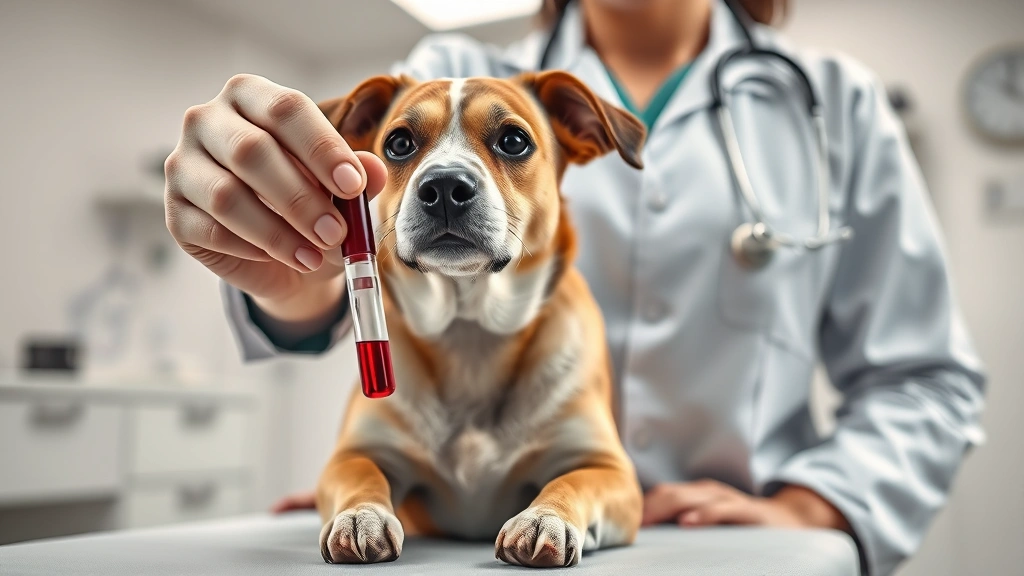
Yes, do dogs have different blood types, and understanding this could literally save your dog’s life. Unlike humans with their familiar A, B, AB, and O system, dogs have a completely different blood typing system that most pet owners have never heard of. But here’s the thing: if your pup ever needs an emergency blood transfusion, knowing about canine blood types could be the difference between a wagging tail and a tragedy.
Table of Contents
- The Canine Blood Type System: It’s Not Like Humans
- Understanding DEA 1: The Most Important Canine Blood Type
- Other Blood Types and Antigens in Dogs
- Why Blood Types Matter in Emergency Situations
- Blood Type Testing: How It Works and Why You Might Need It
- Breed-Specific Considerations for Canine Blood Types
- Transfusion Reactions: What Happens When Blood Types Clash
- Blood Donation Programs: How Dogs Help Other Dogs
- Preparing Your Dog for Potential Transfusions
- The Future of Canine Blood Banking
- Frequently Asked Questions
- Summary: Why This Matters for Your Dog
The Canine Blood Type System: It’s Not Like Humans
Dogs don’t have A, B, and O blood types like we do. Instead, they have what’s called the Dog Erythrocyte Antigen (DEA) system. Think of it as nature’s way of keeping things interesting in the veterinary world. The main blood type in dogs is DEA 1, which comes in two flavors: DEA 1.1 and DEA 1.2. But that’s just the beginning of the story.
The canine blood typing system is way more complex than the human one, with at least eight different blood group systems identified so far. Most vets focus on DEA 1 because it’s the most important clinically, but other antigens include DEA 2, 3, 4, 5, 6, 7, and 8. It’s like dogs decided to make things complicated just to mess with us.
Understanding DEA 1: The Most Important Canine Blood Type
DEA 1 is basically the celebrity of dog blood types. It’s the most immunogenic, meaning a dog’s body will throw the biggest fit if it receives the wrong type. Dogs that are DEA 1 positive can receive blood from either positive or negative donors, but DEA 1 negative dogs can only receive from DEA 1 negative donors. Give a DEA 1 negative dog DEA 1 positive blood, and you’ve got a serious problem on your hands.
Here’s where it gets wild: unlike humans, dogs don’t naturally have antibodies against blood types they don’t possess. This means a dog can receive a first transfusion of mismatched blood without an immediate reaction. But give them a second transfusion of the wrong type, and their immune system goes full attack mode. It’s like the dog’s body is saying, “Oh, you again? Not today, buddy.”
Other Blood Types and Antigens in Dogs
Beyond DEA 1, there are several other blood group systems that matter in specific situations. DEA 4 is actually the most common blood type in dogs—most pups are DEA 4 positive. DEA 5 and DEA 7 are also fairly prevalent. Then you’ve got the rare blood types: DEA 1.1 negative, for instance, is considered a universal donor in the dog world because it lacks the most problematic antigen.

The thing about dog blood type variations is that they don’t follow breed patterns like you might expect. A purebred German Shepherd could have a completely different blood type than another German Shepherd. There’s no rhyme or reason to it—it’s just genetic luck of the draw.
Why Blood Types Matter in Emergency Situations
Let’s say your dog gets hit by a car or suffers from severe blood loss due to surgery complications. Your vet might need to perform an emergency blood transfusion. If your dog is at the emergency clinic and there’s no time to run a blood type test, the vet will likely use DEA 1 negative blood because it’s the safest bet—it’s like the universal donor of the dog world.
But here’s the kicker: not all emergency clinics have blood banks, and those that do might not have the specific type your dog needs. This is why some owners of breeds prone to bleeding disorders or health issues opt to have their dog’s blood type tested ahead of time. It’s like having a medical passport ready to go.
For more information about managing health emergencies, check out our guide on virtual vet consultation for diet questions, which can help you prepare for various health scenarios.
Blood Type Testing: How It Works and Why You Might Need It
Getting your dog’s blood type tested is straightforward. Your vet takes a small blood sample, and it goes to a lab where they run compatibility tests. The whole process takes about 15 minutes to an hour, depending on the lab. It costs anywhere from $50 to $150, which is honestly pocket change compared to the peace of mind you get.
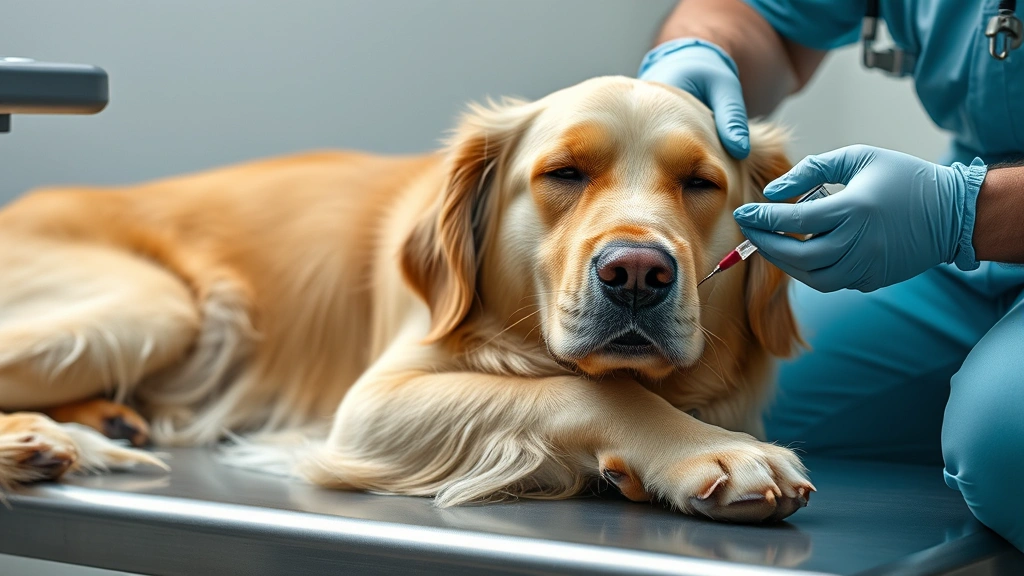
Some vets recommend testing for dogs that are going into surgery, especially older dogs or those with certain health conditions. Breeds prone to bleeding disorders—like Doberman Pinschers or certain hound breeds—might benefit from knowing their blood type ahead of time. If your dog has a condition like CHF in dogs, blood type information becomes even more valuable for emergency preparedness.
Breed-Specific Considerations for Canine Blood Types
While blood types don’t follow breed lines strictly, certain breeds do have higher prevalence of specific types. Some rescue organizations and breeders are starting to track blood types more carefully, especially for breeds known to have health issues. It’s becoming part of responsible breeding and rescue practices.
The irony is that mixed breeds often have more genetic diversity in their blood types than purebreds. So that adorable rescue mutt you brought home might have a rarer blood type than a show dog from a carefully controlled breeding program. Nature’s way of keeping things balanced, I guess.
Transfusion Reactions: What Happens When Blood Types Clash
A transfusion reaction happens when a dog’s immune system recognizes the donor blood as an invader. Symptoms include fever, lethargy, vomiting, dark urine, and jaundice. In severe cases, the dog’s kidneys can fail, which is why veterinarians take blood typing seriously. It’s not something to mess around with.
The first transfusion reaction is usually milder because the dog hasn’t had time to develop antibodies yet. But subsequent transfusions with mismatched blood? That’s when things get dangerous. The dog’s immune system is ready for war, and the transfusion can trigger a severe, potentially fatal reaction.

If your dog needs ongoing transfusions for a condition like severe anemia, knowing the blood type becomes absolutely critical. Your vet can plan ahead and ensure compatible blood is available. It’s one of those situations where preparation literally saves lives.
Blood Donation Programs: How Dogs Help Other Dogs
Some veterinary clinics and blood banks have canine blood donor programs. They’re looking for healthy dogs with specific blood types—particularly DEA 1 negative dogs—to be donors. If your pup is a universal donor, they could help save another dog’s life. It’s actually pretty cool when you think about it.
Donors usually need to be between 1 and 7 years old, weigh at least 50 pounds, and be in excellent health. The process is safe for the donor dog, and many facilities give donors treats and recognition for their contribution. Your dog gets to be a hero, and you get the warm fuzzy feeling of knowing you helped another pup.
Preparing Your Dog for Potential Transfusions
If your dog has a chronic condition that might require a transfusion, or if you’re planning surgery for an older dog, ask your vet about blood typing. Keep the results in your dog’s medical records and share them with any emergency clinic you might visit. It’s like having an insurance policy for your dog’s health.
Some owners even wear medical alert information about their dog’s blood type, similar to human medical alert bracelets. It might sound extreme, but when you’re dealing with a life-or-death emergency, every second counts. Having that information readily available could make all the difference.
For dogs with digestive issues that might require emergency procedures, understanding their complete medical profile—including blood type—is essential. Learn more about managing these issues in our article on constipation in dogs.
The Future of Canine Blood Banking
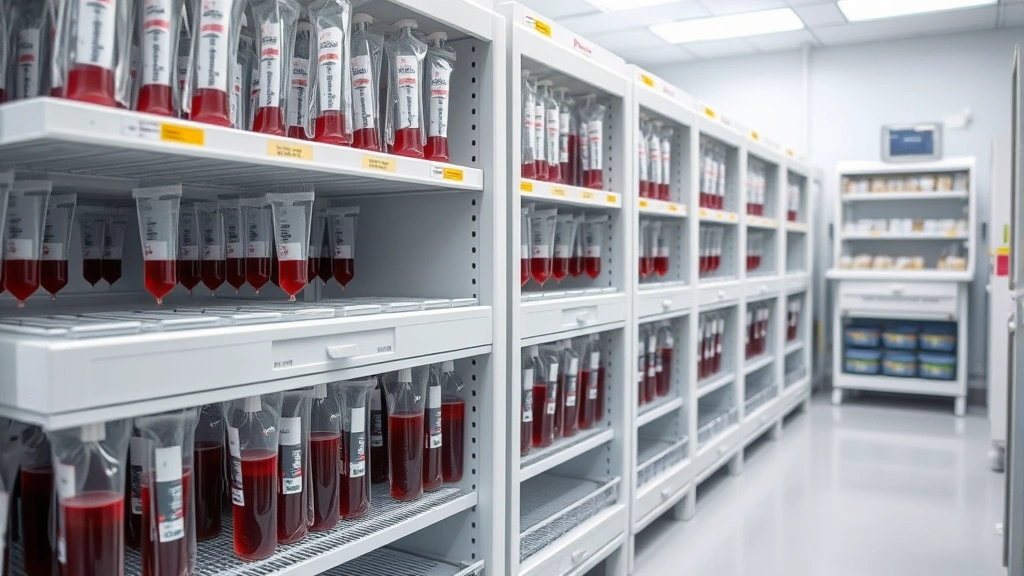
Veterinary medicine is evolving, and blood banking for dogs is becoming more sophisticated. Some facilities now have frozen blood banks, which means they can store blood longer and have it available for emergencies. As technology improves, accessing the right blood type for your dog should become easier and faster.
Research into canine blood types continues, and vets are learning more about the implications of different types for various health conditions. Who knows? In the future, blood type might be as routine to check as microchipping. For dogs with respiratory issues requiring ongoing care, like those needing cough medicine for dogs, having complete medical information including blood type becomes part of comprehensive care planning.
Frequently Asked Questions
Can dogs receive human blood?
No, absolutely not. Dog blood is completely incompatible with human blood, and vice versa. The antigens are different, and a transfusion would trigger a severe, potentially fatal reaction. Stick to dog blood for dogs and human blood for humans—nature has pretty clear rules about this one.
Is my dog’s blood type determined by their breed?
Not really. While certain breeds might have higher prevalence of specific types, blood type is determined by genetics and doesn’t follow breed lines consistently. Two dogs of the exact same breed could have completely different blood types. It’s one of those genetic wild cards.

How often do dogs actually need blood transfusions?
Most dogs will never need a blood transfusion. But when they do, it’s usually due to trauma, surgery complications, severe anemia, or bleeding disorders. It’s not common, but it happens often enough that blood banks exist to handle the demand.
Should I have my healthy dog’s blood type tested?
For most healthy dogs, it’s not necessary unless they’re going into surgery or have a health condition that might require a transfusion. Talk to your vet about whether it makes sense for your individual dog. Some vets recommend it as standard preventive care; others think it’s overkill for healthy dogs.
What’s a universal dog blood donor?
A DEA 1 negative dog is considered a universal donor because it lacks the DEA 1 antigen, which is the most problematic for transfusion reactions. These dogs can donate to any other dog without causing an immediate reaction, making them incredibly valuable for blood banks.
Summary: Why This Matters for Your Dog
So, do dogs have different blood types? Absolutely, and it’s more complicated than most people realize. The canine blood typing system is unique and important for emergency medical care. Understanding that your dog might need a blood transfusion someday, and knowing that blood type compatibility matters, could literally save their life.
While you don’t need to obsess over your dog’s blood type if they’re healthy, it’s worth having a conversation with your vet about whether testing makes sense for your situation. If your dog is going into surgery, has a bleeding disorder, or has a chronic condition, knowing their blood type is smart preventive medicine.
The bottom line? Dogs aren’t just like humans when it comes to blood. They’ve got their own system, their own rules, and their own requirements. And the more you know about it, the better prepared you’ll be to keep your furry friend safe and healthy for years to come.





