
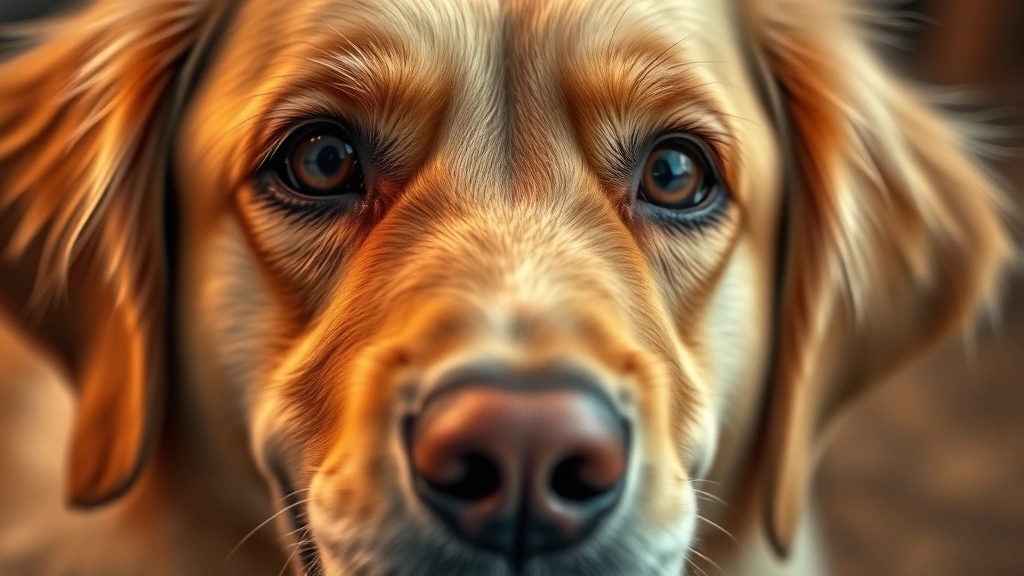
Do Dogs Have Eyebrows? The Fascinating Truth Behind Your Pup’s Expressive Face
Have you ever noticed your dog giving you a certain look that seems almost human? That adorable furrow above their eyes that makes them look sad, happy, or confused? You’re not alone in wondering about this. One of the most common questions pet owners ask is whether dogs actually have eyebrows. The answer is more nuanced and fascinating than you might think, revealing incredible insights into canine evolution, communication, and the special bond between dogs and humans.
The truth is that dogs do have eyebrows, though not in the same way humans do. While dogs lack the dense hair growth and muscular control that humans use to express emotions through eyebrow movement, they possess a sophisticated system of facial markings and muscles that serve similar communicative purposes. Understanding this unique feature of canine anatomy can help you better interpret your dog’s behavior and deepen your relationship with your furry companion.
In this comprehensive guide, we’ll explore the anatomy of canine eyebrows, how they differ from human eyebrows, why they evolved, and what your dog’s eyebrow movements actually mean. By the end, you’ll have a complete understanding of this delightful aspect of dog facial expression.
The Anatomy of Canine Eyebrows
When we talk about dog eyebrows, we’re referring to a combination of anatomical features rather than a single structure. Dogs have a region above their eyes called the supraorbital area, which contains muscles, skin, and sometimes distinctive fur markings that resemble human eyebrows. The key difference is that while humans have the orbicularis oculi and corrugator supercilii muscles that allow precise eyebrow movement, dogs have a different set of facial muscles called the levator anguli oculi medialis (also known as the inner eyebrow raiser).
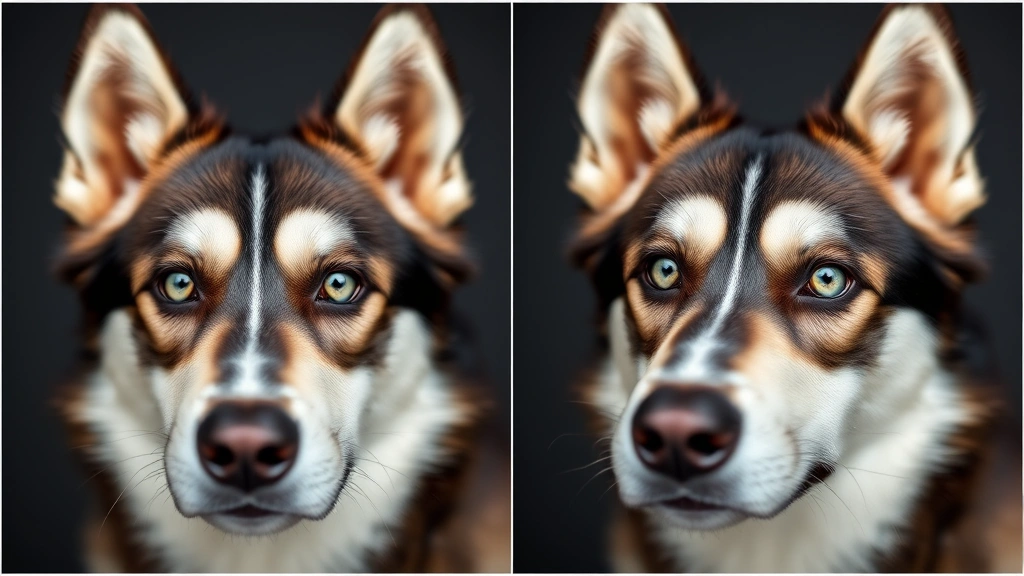
This muscle, located above the inner corner of a dog’s eye, is particularly important in canine communication. When your dog lifts this muscle, it creates that characteristic “sad” or “pleading” expression that many owners find irresistible. The fur above a dog’s eyes often has a different color or texture than the surrounding facial hair, which makes this movement even more noticeable and expressive. Some dogs have white or lighter-colored markings above their eyes that stand out against darker fur, making their eyebrow movements incredibly visible.
The structure of a dog’s eyebrows is also influenced by the shape of their skull and eye placement. Dogs with forward-facing eyes and prominent brow ridges tend to have more noticeable eyebrow regions. Additionally, the skin and fur around a dog’s eyes are thinner and more mobile than in other areas of their face, allowing for greater expressiveness in this region.
How Canine Eyebrows Evolved
The evolution of canine eyebrows is a fascinating story of domestication and adaptation. When wolves were first domesticated thousands of years ago, they underwent significant changes in behavior, appearance, and communication methods. Research published in peer-reviewed journals suggests that dogs’ distinctive eyebrow muscles may have evolved specifically through the domestication process.
A groundbreaking study conducted by researchers at the University of Portsmouth found that dogs have evolved more prominent eyebrow muscles compared to their wolf ancestors. The study compared the facial anatomy of dogs and wolves and discovered that dogs possess a more developed medial eyebrow muscle, which allows them to create that characteristic “puppy dog eyes” expression. This evolution likely occurred because humans unconsciously favored dogs that appeared more “baby-like” or vulnerable, with more expressive facial features.
This is a perfect example of how dogs have adapted differently than cats and other animals through their relationship with humans. The ability to communicate emotions through facial expressions became an advantageous trait for survival and reproduction in the human-dominated environment. Dogs that could better communicate with humans—through eyebrow raises, ear movements, and other facial expressions—were more likely to receive food, care, and breeding opportunities.
This evolutionary process demonstrates the remarkable plasticity of animal bodies and behavior. Over thousands of years, selective breeding and natural selection shaped canine anatomy to enhance communication with humans. The eyebrow muscles are just one example of how domestication has fundamentally changed dogs from their wild wolf ancestors.
Eyebrows as a Communication Tool
Your dog’s eyebrows are far more than just a cute facial feature—they’re a sophisticated communication system. Dogs use their eyebrows to express emotions, seek attention, and respond to social cues from humans and other dogs. Understanding this language can significantly improve your relationship with your pet.
When your dog raises their inner eyebrows, they’re typically trying to appear smaller, more vulnerable, or more appealing to you. This expression often accompanies other body language signals like lowered ears, a tucked tail, or a soft gaze. It’s essentially your dog saying, “I need your help” or “Please pay attention to me.” This behavior is particularly common when dogs want something—whether it’s food, a walk, or playtime.
The raised eyebrow expression is closely related to the concept of why dogs lick their owners, as both are forms of affection and attention-seeking behavior. Additionally, understanding these facial expressions can help you recognize when your dog might be experiencing stress or anxiety, similar to how you might notice other behavioral changes like whether dogs have nightmares.
Interestingly, dogs appear to adjust their eyebrow expressions based on whether they’re being watched. Research has shown that dogs raise their eyebrows more frequently when humans are looking at them compared to when humans are not paying attention. This suggests that dogs have learned to use their eyebrows strategically to manipulate human behavior and elicit desired responses. It’s a form of non-verbal communication that demonstrates the sophisticated social intelligence of our canine companions.
Dogs also use their eyebrows when interacting with other dogs, though the communication is often more subtle. During play or social interaction, dogs may slightly raise their eyebrows as part of their overall body language. However, the most dramatic eyebrow expressions are typically reserved for human interactions, suggesting that dogs have specifically adapted this communication method for cross-species communication.

Breed Differences in Eyebrow Appearance
Not all dog eyebrows are created equal. Different breeds have varying levels of eyebrow prominence based on their genetic makeup, skull shape, and selective breeding history. Some breeds are famous for their distinctive eyebrow markings, while others have barely noticeable eyebrow regions.
Breeds with prominent eyebrows include:
- Rottweilers: Known for their distinctive tan eyebrow markings above darker faces, creating an almost permanently concerned expression
- Doberman Pinschers: Similar to Rottweilers, they have striking eyebrow markings that enhance their alert appearance
- Schnoodles and Schnauzers: Their wiry eyebrow hair is often groomed to stand upright, making their eyebrows very prominent
- Huskies and Malamutes: These breeds often have white or light-colored facial markings that create the appearance of raised eyebrows
- Poodles: When groomed in traditional styles, their eyebrow hair is often shaped and highlighted
- Basset Hounds: Their droopy faces and prominent facial wrinkles make their eyebrow region very expressive
On the other hand, some breeds have less noticeable eyebrows due to their facial structure or coat characteristics. Breeds with very short coats, like Boxers or Pit Bulls, may have less visible eyebrow hair, though they still possess the underlying muscles. Breeds with very long coats that cover their eyes, like Old English Sheepdogs or Komondors, may have their eyebrows completely hidden beneath their coat.
The appearance of eyebrows can also vary based on grooming practices. Many dog owners choose to trim or shape their dog’s eyebrow hair to enhance their natural markings or create a more polished appearance. This grooming practice highlights just how important eyebrows are to our perception of our dogs’ personalities and expressions.
The Science Behind the Puppy Dog Eyes
The “puppy dog eyes” phenomenon has been the subject of scientific research because it’s so effective at manipulating human behavior. This expression involves a combination of eyebrow raising, eye widening, and often a tilted head. The effect is almost irresistible to most humans, and there’s actually a biological reason for this.
Research from the Proceedings of the National Academy of Sciences suggests that this expression triggers the human nurturing instinct. When a dog raises their eyebrows and widens their eyes, they begin to resemble human infants, which activates our caregiving responses. This is an example of how dogs have evolved to exploit human psychology, creating physical features that naturally appeal to our parental instincts.
The study found that dogs with more prominent eyebrow movements were adopted more quickly from shelters and received more positive attention from humans in general. This positive feedback loop likely reinforced the evolution of more expressive eyebrows through selective breeding. Dog breeders, whether intentionally or unintentionally, may have favored dogs with more expressive eyebrows, leading to the enhanced eyebrow muscles we see in modern dogs.
It’s worth noting that while understanding the science is fascinating, the emotional connection we feel when our dogs give us those pleading eyes is very real. Whether it’s an evolved manipulation tactic or a genuine expression of emotion, the eyebrow raise is a powerful form of communication that strengthens the bond between dogs and their owners. This communication method works alongside other sensory abilities—for instance, understanding how dogs taste food and perceive the world through their senses helps us appreciate how multifaceted their communication is.
The neurological basis of eyebrow expression also relates to how dogs process emotions and social information. Dogs have a highly developed temporal lobe, which is associated with social cognition and emotional processing. This brain region likely plays a role in generating and interpreting facial expressions, including eyebrow movements. Additionally, the development of these expressions is influenced by early socialization and learning, meaning puppies gradually learn to use their eyebrows more effectively as they mature.
Scientists have also discovered that dogs’ ability to read human facial expressions is directly tied to their own expressive capabilities. Dogs that are better at producing eyebrow expressions are also better at interpreting human emotions and responding appropriately. This suggests a bidirectional relationship between expression and comprehension, where the ability to produce an emotion facially enhances the ability to recognize that emotion in others.
Another fascinating aspect of canine eyebrow science relates to the vagus nerve, which controls many facial muscles including those involved in eyebrow expression. The vagus nerve also plays a role in the parasympathetic nervous system, which is associated with calming and social bonding. When a dog raises their eyebrows in a gentle, appealing way, they may actually be activating their own calming systems, which is why this expression often accompanies a relaxed demeanor.
Understanding the physiology of eyebrow expression also helps explain why some dogs seem to have a naturally sad appearance even when they’re perfectly happy. Breeds with certain facial structures or markings may appear to have permanently raised eyebrows simply due to their anatomy, not because they’re constantly sad or pleading. This is similar to how certain breeds appear to be perpetually smiling due to their mouth shape, regardless of their actual emotional state.
The research into canine eyebrow expression has also provided insights into other aspects of dog communication. For example, scientists have learned that dogs use their entire face, not just their eyebrows, to communicate. The ears, mouth, nose, and eyes all work together to create a comprehensive communication system. When you see your dog raise their eyebrows, they’re often simultaneously adjusting their ear position and facial muscles to convey a complete message.
One interesting finding is that dogs appear to have different eyebrow expressions for different situations. When greeting their owner, dogs may raise their eyebrows with a more relaxed facial expression. When begging for food, the eyebrow raise might be accompanied by a more intense stare. When anxious or uncertain, the eyebrow expression might be combined with other signs like lip licking or yawning. These nuances suggest that eyebrow expression is a sophisticated language with multiple dialects and contexts.
You might also be curious about how this relates to other canine behaviors and sensations. For instance, understanding why dogs lick their paws involves recognizing that dogs communicate through multiple channels—not just facial expressions. Similarly, knowing how many teeth dogs have helps us understand their complete physical communication toolkit, from their facial expressions to their bite pressure and mouthing behaviors.
Frequently Asked Questions
Do all dogs have the ability to raise their eyebrows?
Yes, all dogs have the anatomical structures necessary to raise their eyebrows because they all possess the medial eyebrow muscle. However, the visibility and effectiveness of this movement varies based on breed, coat type, and individual muscle development. Some dogs are simply more expressive than others, just like humans. Additionally, training and early socialization can enhance a dog’s ability to use their eyebrows expressively, as dogs learn which facial expressions elicit positive responses from humans.
Why do some dogs have white eyebrow markings?
White eyebrow markings are often the result of selective breeding and genetics. Certain breeds were bred to have these distinctive markings because they make the dog’s face more expressive and appealing to humans. The contrast between dark fur and white eyebrow markings makes eyebrow movements more visible and noticeable. Many dog breeders intentionally select for these markings because they enhance the dog’s ability to communicate with humans and make the dogs more attractive to potential owners.
Can dogs control their eyebrow expressions intentionally?
Research suggests that dogs do have some level of voluntary control over their eyebrow expressions, but much of it is also automatic and instinctive. Dogs learn through experience that certain eyebrow expressions elicit specific responses from humans, so they may consciously use these expressions strategically. However, many eyebrow movements also occur unconsciously in response to emotions and stimuli. The reality is likely that dogs have a combination of both intentional and automatic eyebrow control, similar to how humans can both consciously smile and also smile automatically when happy.
Do eyebrow expressions mean the same thing in all dogs?
While the basic eyebrow raise generally indicates attention-seeking, appeasement, or emotional engagement across most dogs, the specific meaning can vary based on context, individual personality, and breed tendencies. Some dogs may raise their eyebrows primarily when seeking food, while others do it when greeting their owners. Additionally, individual dogs develop their own unique communication styles with their owners, so learning your specific dog’s eyebrow language is important for understanding their needs and emotions.
Is the puppy dog eyes expression genetic or learned?
The puppy dog eyes expression is influenced by both genetic and learned factors. The anatomical capability to produce the expression is genetic—dogs inherit the facial muscles from their parents. However, the frequency and effectiveness with which a dog uses this expression is largely learned. Puppies that receive positive reinforcement when they make this expression are more likely to use it frequently as adults. This is why socialization and early interactions with humans are so important in shaping a dog’s communicative behavior.
Do wolves and wild dogs have similar eyebrow expressions?
Wolves and wild dogs have less developed eyebrow muscles compared to domesticated dogs, and they use eyebrow expressions much less frequently. This is one of the key differences between domesticated dogs and their wild ancestors. The enhanced eyebrow muscles in dogs are thought to have evolved specifically through the domestication process, as dogs that could communicate more effectively with humans were more successful in the human-dominated environment. This demonstrates how domestication has fundamentally altered canine communication.
Should I be concerned if my dog doesn’t raise their eyebrows much?
If your dog doesn’t raise their eyebrows frequently, there’s usually no reason for concern. Some dogs are simply less expressive than others due to breed characteristics, individual personality, or facial structure. As long as your dog is otherwise healthy and communicating with you through other means—body language, vocalizations, and behavior—the lack of eyebrow expression is not a problem. However, if you notice a sudden change in your dog’s facial expressiveness or other behavioral changes, it’s worth discussing with your veterinarian to rule out any underlying health issues.





