
Yes, do dogs have hairballs—and it’s way more common than most pet owners realize. Unlike cats who hack up a hairball every few weeks like clockwork, dogs handle ingested hair differently, but that doesn’t mean they’re immune to the problem. If you’ve ever wondered why your pup is gagging, retching, or producing weird hair-filled vomit, you’re about to get some answers that’ll make you feel way less alone in this messy reality of dog ownership.
Table of Contents
- Do Dogs Actually Get Hairballs Like Cats Do?
- Why Do Dogs Ingest Hair in the First Place?
- Signs Your Dog Might Have Hair Blockage Issues
- Understanding Canine Digestive System vs. Feline Digestion
- How to Reduce Hair Ingestion: Prevention Strategies
- Diet and Nutrition: Supporting Digestive Health
- When to Contact Your Veterinarian About Hair Issues
- Treatment Options for Dogs with Hair Blockages
- Breed-Specific Considerations for Hair-Related Issues
- Natural Remedies and Supplements That May Help
- Frequently Asked Questions
- Summary: Taking Action to Protect Your Dog
Do Dogs Actually Get Hairballs Like Cats Do?
Here’s the thing: dogs don’t get hairballs in the same way cats do. When a cat grooms itself obsessively (which is basically their entire personality), they ingest tons of loose fur that accumulates in their stomach. Eventually, they hack it up in a neat little cylinder of doom on your carpet. Dogs, however, are less meticulous groomers and typically swallow hair in smaller quantities. But here’s where it gets interesting—dogs absolutely can develop hair blockages, especially heavy shedders like Golden Retrievers, German Shepherds, and Huskies. The difference is that instead of vomiting up a hairball, the hair often passes through their digestive system or causes more serious intestinal complications.
Why Do Dogs Ingest Hair in the First Place?
Dogs consume hair for several reasons, and understanding these will help you prevent excessive ingestion. During shedding season, loose fur gets everywhere—on furniture, clothes, and floors—where your curious canine friend can easily pick it up while playing or eating. Some dogs are compulsive lickers and will groom themselves (or other dogs) excessively, swallowing significant amounts of hair. Stress, anxiety, and boredom can trigger excessive licking and grooming behaviors. Additionally, if your dog has skin allergies or irritation, they might lick affected areas obsessively, pulling out hair in the process. Puppies are particularly notorious for eating everything, including their own fur and that of their littermates.

Signs Your Dog Might Have Hair Blockage Issues
Recognizing symptoms early is crucial for preventing serious complications. Watch for persistent gagging or dry heaving without producing anything—this is often the first sign. You might notice your dog vomiting hair, sometimes mixed with food or bile. Constipation or difficulty defecating can indicate a blockage forming in the intestines. Loss of appetite, lethargy, and abdominal pain (evidenced by whining or a hunched posture) are red flags. Some dogs become restless or show behavioral changes when experiencing digestive discomfort. If your pup seems uncomfortable after eating or drinking, that’s worth monitoring. In severe cases, you might notice weight loss, dehydration, or signs of distress that demand immediate veterinary attention.

Understanding Canine Digestive System vs. Feline Digestion
The digestive systems of dogs and cats are fundamentally different, which explains why hairballs manifest differently between species. Cats have a more delicate digestive tract designed for obligate carnivores who traditionally consumed whole prey. Their stomach acid is stronger, and their intestines are proportionally longer relative to body size. Dogs, being opportunistic omnivores, have a more robust digestive system capable of breaking down diverse foods. However, this doesn’t mean dogs are immune to hair-related issues—it just means the hair might pass through without forming a compact ball, or it might accumulate in unexpected ways. Dogs also tend to gulp their food rather than chew thoroughly, which means hair gets swallowed in larger chunks that don’t always move smoothly through the system.

How to Reduce Hair Ingestion: Prevention Strategies
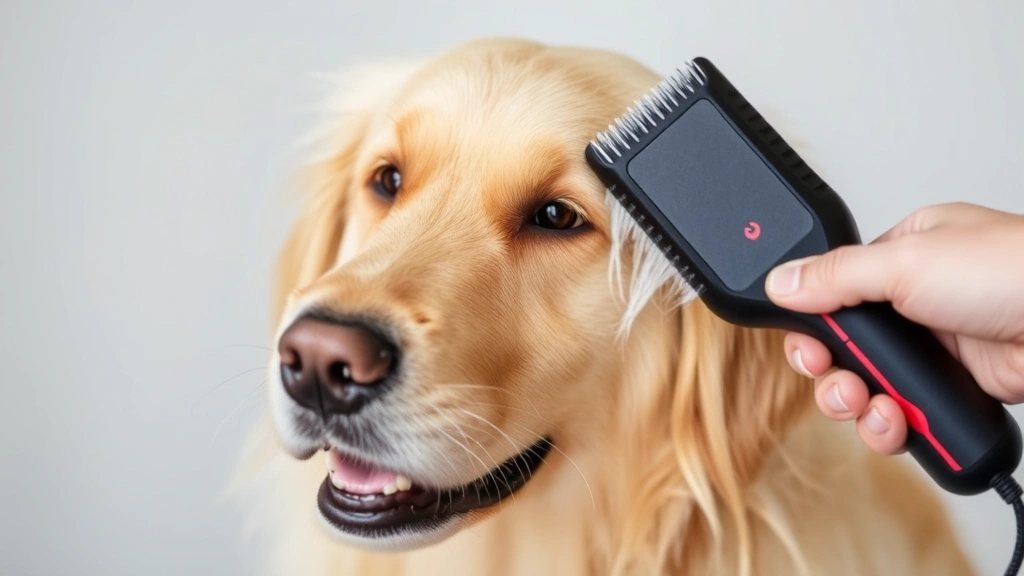
The best approach is preventing excessive hair ingestion before it becomes a problem. Regular brushing is your first line of defense—aim for daily brushing during shedding season to remove loose fur before your dog can ingest it. Consider investing in a high-quality de-shedding tool like a FURminator or undercoat rake, which removes far more loose hair than traditional brushes. Bathe your dog regularly with quality shampoo to loosen and remove dead hair. Keep your home clean by vacuuming frequently and using lint rollers on furniture where your dog spends time. Ensure your dog has adequate mental stimulation and exercise, as boredom-related licking often contributes to hair ingestion. If your dog has skin allergies or excessive itching, consult your veterinarian about foods that support skin health or other treatments. Address anxiety through training, supplements, or medication if stress-related grooming is an issue.
Diet and Nutrition: Supporting Digestive Health
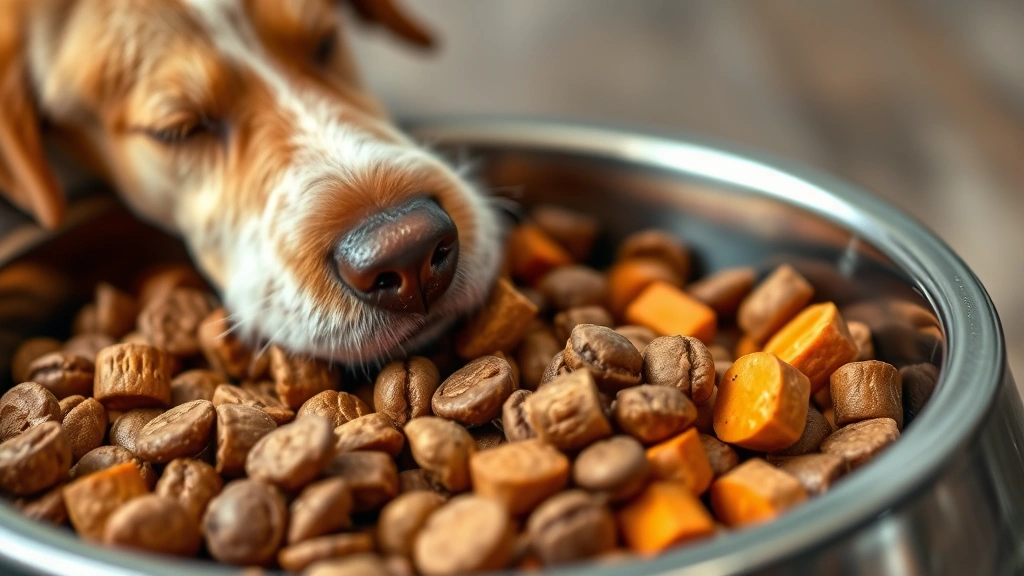
What you feed your dog significantly impacts their digestive health and ability to process ingested hair. A high-quality diet rich in fiber helps move material through the digestive tract more efficiently. Look for dog foods that include beneficial ingredients like pumpkin, sweet potato, or psyllium husk. Omega-3 fatty acids support skin health, reducing the itching that triggers excessive grooming. Adequate hydration is crucial—ensure your dog always has access to fresh water, as proper hydration keeps the digestive system functioning optimally. Some pet owners find that adding a small amount of plain pumpkin puree to meals helps prevent constipation and hair blockages. Avoid foods that might upset your dog’s stomach, as digestive upset can exacerbate licking behaviors. Check out our guide on what not to feed your dog to ensure you’re not inadvertently contributing to digestive issues. If your dog has a sensitive stomach, our article on human foods for pets with sensitive stomachs offers safe nutritional options.

When to Contact Your Veterinarian About Hair Issues
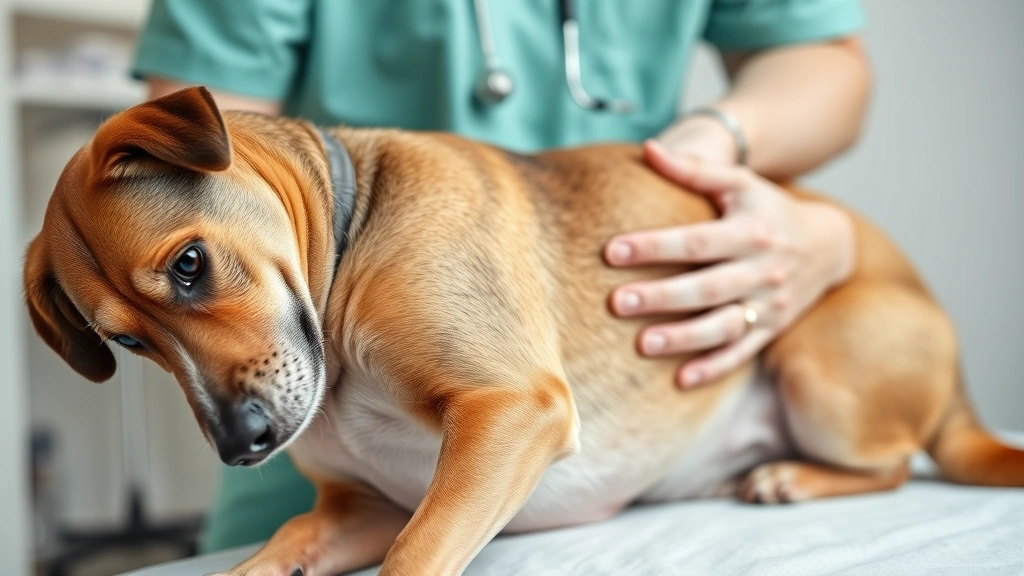
Some hair ingestion is normal and typically passes without incident, but certain situations warrant professional evaluation. If your dog vomits hair more than occasionally, schedule a vet visit. Persistent gagging, retching, or dry heaving that doesn’t produce results needs veterinary assessment. Any signs of intestinal blockage—severe constipation, inability to defecate, abdominal pain, or vomiting—require immediate emergency care. If your dog seems lethargic, stops eating, or shows signs of dehydration, don’t wait. Excessive licking or grooming that seems compulsive might indicate underlying allergies, parasites, or behavioral issues that your vet can address. Your veterinarian can perform physical exams, X-rays, or ultrasounds to determine if a blockage exists. In some cases, they might recommend bland diet recipes for sick pets during recovery. If you have diet-related questions, consider a virtual vet consultation for diet questions to get professional guidance quickly.

Treatment Options for Dogs with Hair Blockages
Treatment depends on the severity of the blockage and your dog’s overall health. Mild cases might resolve with dietary adjustments, increased fiber intake, and close monitoring. Your vet might recommend stool softeners or laxatives to help move hair through the system. In moderate cases, your veterinarian might prescribe medications to reduce vomiting and support digestive function. Severe blockages that don’t respond to conservative treatment may require surgical intervention—a procedure called enterotomy where the vet surgically removes the blockage. Post-operative care includes restricted activity, pain management, and a carefully managed diet during recovery. Some vets use endoscopy to visualize and sometimes remove blockages without surgery. The key is early intervention—waiting too long can result in intestinal damage, infection, or life-threatening complications.

Breed-Specific Considerations for Hair-Related Issues
Certain breeds are more prone to hair ingestion problems due to their coat types and grooming habits. Double-coated breeds like Golden Retrievers, Huskies, German Shepherds, and Corgis shed heavily and are at higher risk during shedding season. Long-haired breeds like Afghan Hounds and Old English Sheepdogs require more frequent grooming to prevent excessive loose hair. Small breeds sometimes develop hair blockages more readily because their smaller digestive tracts can be obstructed by less material. Breeds prone to anxiety or compulsive behaviors (like some terriers) might engage in excessive self-grooming. Brachycephalic breeds (flat-faced dogs) sometimes have additional digestive challenges that make hair blockages more problematic. Understanding your breed’s specific predispositions helps you take proactive prevention measures. If you own a breed known for digestive sensitivity, explore vet-approved human foods for pets that support digestive health.
Natural Remedies and Supplements That May Help
While no supplement can eliminate the risk of hair blockages entirely, several natural options support digestive health. Pumpkin puree (plain, not pie filling) is a well-regarded natural remedy that adds fiber and helps regulate digestion. Bone broth supports gut health and provides hydration. Probiotics designed for dogs can improve digestive flora and overall gut function. Slippery elm bark has been traditionally used to soothe digestive tracts. Ginger, in appropriate amounts, can help with nausea and digestive upset. Coconut oil, when given in small amounts, supports skin health and might reduce itching-related grooming. Always consult your veterinarian before introducing supplements, as some can interact with medications or be inappropriate for certain health conditions. Natural doesn’t automatically mean safe or effective, so rely on professional guidance rather than internet trends.

Frequently Asked Questions
Can dogs die from hairballs?
While most hairballs pass harmlessly, severe blockages can be life-threatening if not treated promptly. Intestinal blockages can cut off blood supply, cause tissue death, or lead to peritonitis (infection in the abdominal cavity). This is why seeking veterinary care for persistent symptoms is crucial.

How often is it normal for a dog to vomit hair?
Occasional vomiting of hair, perhaps once or twice a month during heavy shedding season, is relatively normal. However, frequent vomiting (more than once weekly) or vomiting hair year-round warrants veterinary evaluation to rule out underlying issues.

Do all dogs shed enough to cause hairball problems?
No, dogs with short, single coats shed minimally and rarely develop hair-related digestive issues. Double-coated and long-haired breeds are at much higher risk, especially during seasonal shedding.
Is there a surgery to prevent hairballs in dogs?
There’s no preventive surgery for hairballs, though some owners of heavy shedders use professional grooming services or medications to manage shedding. Prevention through grooming and diet management is far more practical than surgical intervention.
Can stress cause my dog to ingest more hair?
Absolutely. Anxiety and stress trigger excessive licking and grooming behaviors, which increases hair ingestion. Addressing your dog’s stress through exercise, training, and environmental enrichment can reduce this behavior significantly.
Summary: Taking Action to Protect Your Dog
Do dogs have hairballs? Yes, though not in the same way cats do. Dogs can develop serious hair blockages that require veterinary attention, making prevention and early recognition essential for responsible pet ownership. By maintaining a regular grooming routine, providing a nutritious diet, addressing behavioral and medical issues promptly, and staying alert to warning signs, you can significantly reduce the risk of hair-related digestive problems. Remember that while some hair ingestion is normal, persistent vomiting, gagging, or signs of blockage demand professional evaluation. Your veterinarian is your best resource for personalized advice based on your dog’s breed, age, health status, and individual risk factors. With proactive management and vigilant monitoring, you can keep your furry friend healthy and comfortable for years to come.





