
Do Dogs Have Knees? Understanding Canine Anatomy
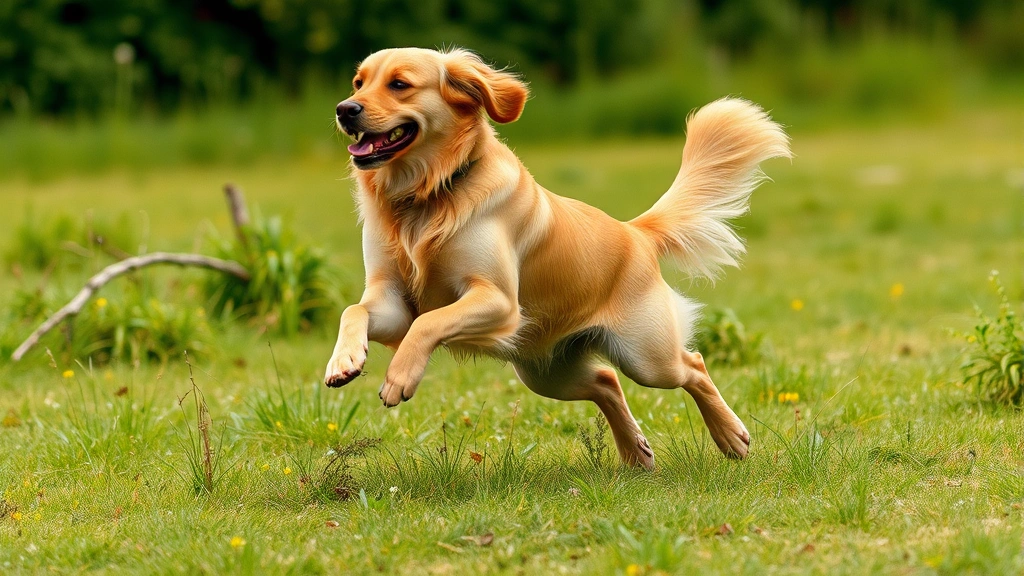
Ever watched your furry best friend sprint across the park and wondered how their back legs bend so gracefully? If you’ve asked yourself “do dogs have knees,” you’re not alone! This question stumps many dog owners because canine anatomy differs significantly from human anatomy. The short answer is yes—dogs absolutely have knees—but their knee structure and function operate quite differently than ours do. Understanding your dog’s skeletal system isn’t just fascinating; it’s essential for recognizing when something might be wrong and keeping your pup healthy and active.
Your dog’s knees are crucial joints that enable them to run, jump, play fetch, and perform all those adorable movements we love. However, because dogs walk on all fours and their legs are positioned differently than human legs, their knees work in ways that might surprise you. This anatomical difference is why your dog can do things humans simply can’t—and why certain injuries affect them differently too.
Let’s dive deep into the world of canine leg anatomy and discover exactly what’s happening when your dog bounds toward you with unbridled enthusiasm.
Yes, Dogs Have Knees: The Basics
Let’s settle this once and for all: dogs absolutely have knees. In fact, understanding how many bones does a dog have reveals that canine skeletal systems are remarkably complex. Dogs have approximately 230 bones throughout their bodies, and their knees are integral joints within this sophisticated system.
The confusion often arises because dog knees aren’t positioned where we might expect them to be if we’re only thinking about human anatomy. When you look at a dog’s hind leg, what appears to be their “knee” bending backward is actually their knee joint—it just functions at a different angle than ours. Dogs’ back legs are naturally angled in a way that makes their knees less obvious to the casual observer.
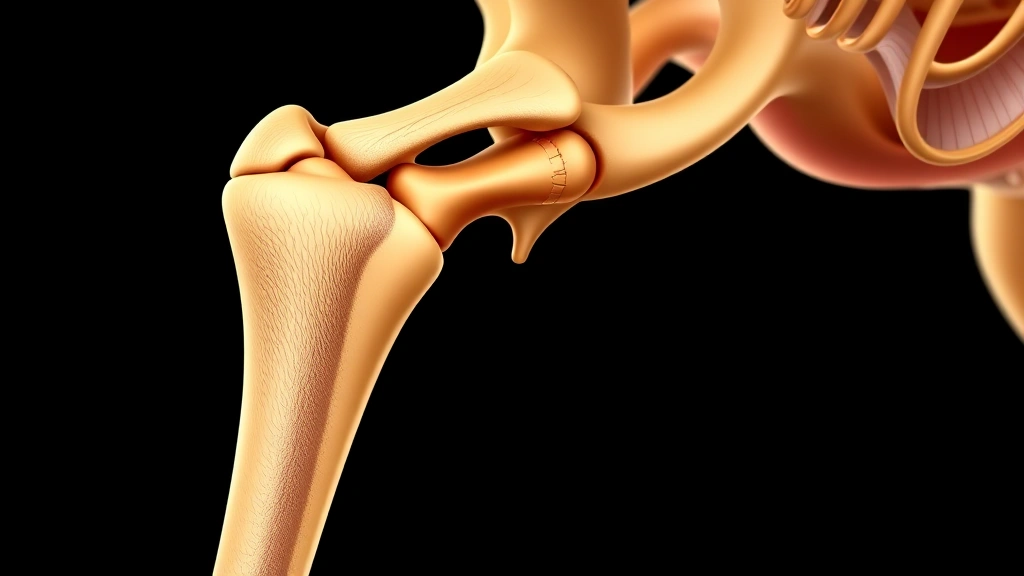
The stifle joint—that’s the fancy anatomical term for a dog’s knee—connects the femur (thighbone) to the tibia and fibula (shin bones). This joint is absolutely essential for your dog’s mobility, strength, and ability to perform everyday activities like walking, running, and climbing stairs.
The Anatomy of a Dog’s Knee
A dog’s knee is a complex structure composed of multiple components working in perfect harmony. Understanding these parts helps explain why knee injuries can be so problematic for our four-legged companions.
The Main Components:
- Femur (Thighbone): The longest bone in your dog’s leg, connecting the hip to the knee
- Tibia (Shin Bone): The larger of the two lower leg bones that bears most of the weight
- Fibula: A smaller bone running alongside the tibia
- Patella (Kneecap): A small bone that glides along grooves in the femur, similar to the human kneecap
- Ligaments: Tough connective tissues that hold the bones together and provide stability
- Menisci: Cartilage pads that act as shock absorbers between the bones
- Synovial Fluid: A lubricating fluid that reduces friction and keeps the joint functioning smoothly
The most critical ligament in a dog’s knee is the cranial cruciate ligament (CCL), which is equivalent to the anterior cruciate ligament (ACL) in humans. This ligament prevents the tibia from sliding forward relative to the femur. When this ligament tears or degenerates, it can cause significant pain and mobility issues.
How Dog Knees Differ from Human Knees
While dogs and humans both have knees, the similarities pretty much end there. Several key differences make canine knees uniquely suited to how dogs move and function.
Angle and Positioning: Human knees are designed for bipedal locomotion and bend primarily in a forward-and-backward motion. Dog knees, however, are angled to support quadrupedal movement. When a dog stands, their knees are already slightly bent, which allows for explosive power when they need to sprint or jump. This natural angle is why your dog’s hind legs look perpetually ready to pounce.
Weight Distribution: Humans distribute their body weight across two legs, while dogs distribute theirs across four. This means each of your dog’s knees bears less weight than each human knee, but they must handle different types of stress, particularly rotational forces and sudden directional changes.
Range of Motion: Dogs have a more limited range of motion in their knees compared to humans, but they have incredible flexibility in other areas of their spine and hips. This trade-off allows them to twist their bodies mid-air and land safely from falls.
Muscle Support: The muscles surrounding a dog’s knee are structured differently than human knee muscles. Dogs have powerful quadriceps and hamstring groups that provide dynamic support to the knee joint during movement. This muscular support is crucial because dogs engage in high-impact activities like jumping and running far more frequently than most humans.
Another fascinating difference involves the patella. In dogs, the kneecap can slide more freely within its groove compared to human kneecaps. This mobility is usually beneficial, but it can sometimes lead to patellar luxation—a condition where the kneecap slips out of its proper position. Learn more about this by exploring can dogs get arthritis, which often develops after knee injuries or abnormalities.
Common Knee Problems in Dogs
Despite their incredible design, dog knees are vulnerable to several common injuries and conditions. Recognizing these issues early can make a tremendous difference in your dog’s quality of life.
Cranial Cruciate Ligament (CCL) Tears: This is the most common knee injury in dogs. The CCL can tear suddenly during play or gradually degrade over time. Overweight dogs and those with poor muscle tone are at higher risk. According to American Animal Hospital Association guidelines, CCL injuries often require surgical intervention for optimal outcomes.
Patellar Luxation: In this condition, the kneecap slips out of its groove, causing pain and lameness. It’s particularly common in small breed dogs and can range from mild to severe. Some cases resolve with rest, while others require surgical correction.
Osteoarthritis: Also known as degenerative joint disease, osteoarthritis develops when the protective cartilage in the knee wears down. This is a progressive condition that causes chronic pain and stiffness. If you notice why is my dog limping, arthritis might be the culprit.
Meniscal Tears: The menisci—those cartilage shock absorbers—can tear from trauma or degeneration. These injuries often occur alongside CCL tears and can significantly impact your dog’s mobility.
Osteochondritis Dissecans (OCD): This developmental condition occurs when cartilage doesn’t form properly, leading to joint inflammation. It’s more common in large breed dogs and typically appears in young dogs.
According to research published in veterinary journals, proper nutrition and weight management play crucial roles in preventing many knee problems. Maintaining your dog at a healthy weight is one of the most effective preventive measures you can take.
Protecting Your Dog’s Knees
Prevention is always better than treatment when it comes to your dog’s knees. Here are evidence-based strategies to keep those joints healthy and strong throughout your dog’s life.
Maintain a Healthy Weight: Excess weight puts tremendous strain on your dog’s knees. Even a few extra pounds can significantly impact joint health. Work with your veterinarian to determine your dog’s ideal weight and adjust their diet accordingly. If your dog seems less active than usual, why do dogs sleep so much might indicate underlying issues worth investigating.
Provide Regular, Appropriate Exercise: Strong muscles provide crucial support for knee joints. Low-impact exercises like swimming and controlled walks are excellent for building strength without stressing the knees. Avoid high-impact activities like repeatedly jumping off furniture or playing on slippery floors, especially in puppies whose joints are still developing.
Offer Joint-Supporting Supplements: Glucosamine, chondroitin, and omega-3 fatty acids have been shown to support joint health. Many veterinarians recommend these supplements, particularly for large breed dogs or aging dogs at higher risk for joint problems.
Manage Environmental Factors: Provide non-slip flooring where your dog spends time, as slippery surfaces can cause knee injuries. Be cautious with stairs—consider using ramps if your dog has difficulty navigating them. Avoid forcing your dog to jump excessively, especially during growth periods.
Regular Veterinary Check-ups: Annual or bi-annual veterinary examinations allow your vet to detect early signs of knee problems. They can assess your dog’s gait, palpate the joints, and recommend preventive measures before issues become serious.
Maintain Proper Grooming: If your dog is how to stop dog from licking paws, excessive licking might indicate joint pain or skin irritation that’s affecting mobility. Regular grooming also allows you to notice swelling or heat in the knee area.
Signs Your Dog Has Knee Issues
Being able to recognize signs of knee problems allows you to seek veterinary care promptly. Early intervention often leads to better outcomes and less pain for your beloved companion.
Observable Symptoms:
- Limping or favoring one hind leg
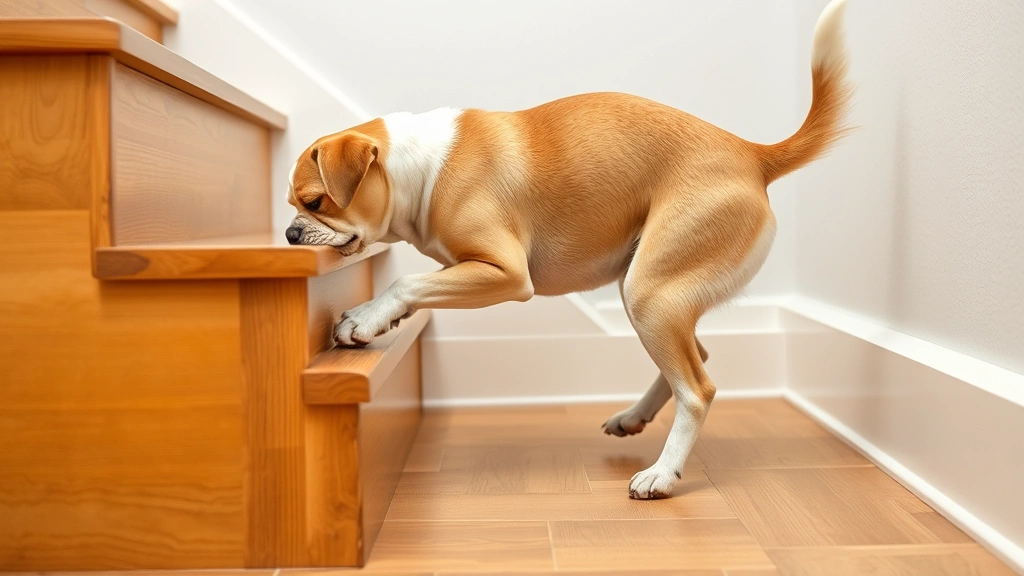
- Reluctance to jump, climb stairs, or engage in normal activities
- Difficulty rising after rest or sleep
- Swelling or heat around the knee area
- Licking or chewing at the knee
- Stiffness, especially after exercise
- Bunny-hopping or dragging the hind legs
- Audible clicking or popping sounds when moving
- Muscle atrophy (wasting) in the hind legs
- Changes in gait or posture
If you notice any of these signs, schedule an appointment with your veterinarian. They can perform physical examinations, take radiographs (X-rays), and potentially recommend advanced imaging like ultrasound or MRI to diagnose the specific problem. According to the Orthopedic Foundation for Animals, early diagnosis of knee conditions significantly improves treatment outcomes.
When your dog is experiencing knee discomfort, you might also notice behavioral changes. Some dogs become withdrawn or irritable when in pain. Others might have difficulty with how to tell if your dog has a fever, as infections can sometimes accompany knee injuries. Pay attention to your dog’s overall demeanor, not just their physical symptoms.
Frequently Asked Questions
Do dogs have knees like humans?
Dogs have knees, but they’re structured and positioned differently than human knees. While both are hinge joints, dog knees are angled to support quadrupedal movement and are naturally bent even when standing. The stifle joint in dogs is equivalent to the human knee but functions within the context of four-legged locomotion.
What is a dog’s knee called?
A dog’s knee is officially called the stifle joint. The kneecap itself is called the patella, just like in humans. Understanding this terminology can help you communicate more effectively with your veterinarian about your dog’s health.
Can dogs get ACL injuries like humans?
Yes! Dogs can tear their cranial cruciate ligament (CCL), which is equivalent to the human anterior cruciate ligament (ACL). In fact, CCL tears are one of the most common orthopedic injuries in dogs. These injuries require prompt veterinary attention and often necessitate surgical repair.
How much does knee surgery cost for dogs?
The cost of knee surgery for dogs varies widely depending on the specific procedure, your location, and your veterinary clinic. CCL repair surgeries typically range from $1,500 to $4,000 per knee. Some procedures, like tibial plateau leveling osteotomy (TPLO), are more expensive than others. Pet insurance can help offset these costs if you have coverage.
Can dogs recover from knee injuries?
Many dogs recover well from knee injuries with appropriate treatment. The recovery timeline depends on the specific injury and treatment method. Some dogs recover with conservative management (rest, medication, physical therapy), while others require surgery. Most dogs show significant improvement within 6-12 weeks of starting appropriate treatment.
Are certain dog breeds more prone to knee problems?
Yes, certain breeds have higher predispositions to knee issues. Large breed dogs like Labrador Retrievers, German Shepherds, and Golden Retrievers are prone to CCL tears. Small breeds like Chihuahuas and Pomeranians are more susceptible to patellar luxation. However, any dog can develop knee problems regardless of breed.
What can I do to prevent my dog’s knee problems?
Maintain your dog at a healthy weight, provide regular moderate exercise, avoid excessive jumping, use joint supplements when appropriate, provide non-slip flooring, and schedule regular veterinary check-ups. Early detection and prevention are your best tools for maintaining healthy knees throughout your dog’s life.





