

Yes, do dogs have seasonal allergies—and frankly, your pup might be just as miserable as you are when spring rolls around. If you’ve noticed your dog scratching like they’re auditioning for a flea circus or licking their paws until they’re raw, seasonal allergies could be the culprit. Let’s dig into what’s actually happening with your furry friend’s immune system and how to help them feel better.
Table of Contents
- What Are Seasonal Allergies in Dogs?
- Common Signs Your Dog Has Seasonal Allergies
- Seasonal Timing: When Do Dog Allergies Strike?
- Diagnosing Seasonal Allergies: What Your Vet Will Do
- Treatment Options: Making Your Dog More Comfortable
- Home Remedies and Prevention Strategies
- When Seasonal Allergies Lead to Infections
- Breed Predisposition: Are Some Dogs More Allergic?
- Long-Term Management and Quality of Life
- Frequently Asked Questions
- Conclusion: Your Dog Doesn’t Have to Suffer
What Are Seasonal Allergies in Dogs?
Seasonal allergies in dogs, medically called atopic dermatitis or environmental allergies, occur when your dog’s immune system overreacts to harmless substances in the environment. Think pollen, mold spores, dust mites, and grass. During certain times of year—usually spring and fall—these allergens spike, and your dog’s body throws a tantrum.
Unlike humans who sneeze and get watery eyes, dogs tend to show allergies through their skin. Their immune system goes haywire, inflammation kicks in, and suddenly your sweet pup is scratching themselves into oblivion. It’s not contagious, it’s not their fault, and yes, it’s totally treatable.
Common Signs Your Dog Has Seasonal Allergies
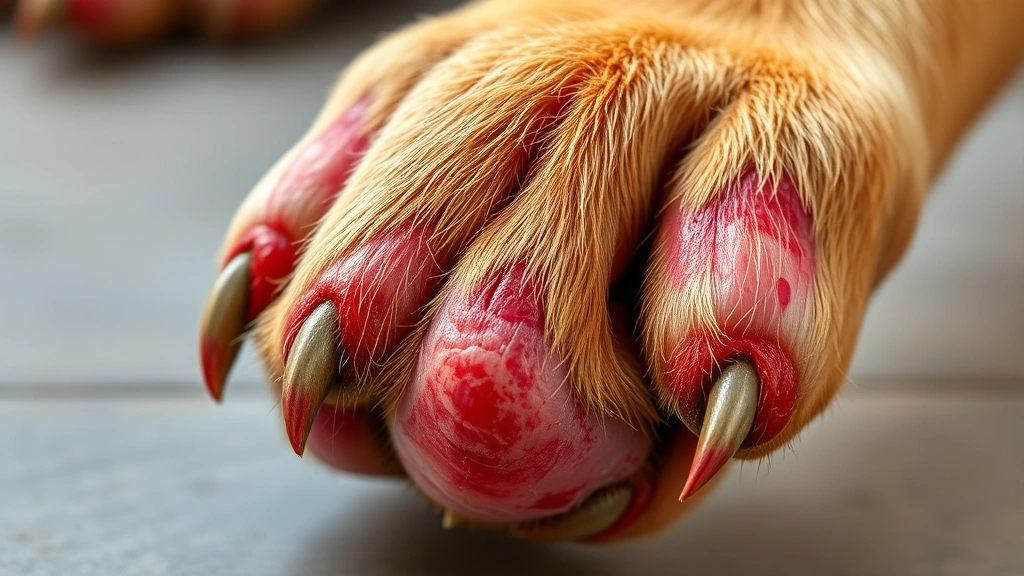
The telltale symptoms of canine seasonal allergies are pretty unmistakable once you know what to look for. Your dog might exhibit excessive scratching, especially on their paws, face, ears, and belly. Some dogs develop red, irritated skin or hot spots that seem to appear out of nowhere.
You might also notice your dog licking or chewing their paws obsessively—sometimes so much they cause secondary infections. Ear infections are super common in allergic dogs; if your pup’s ears smell yeasty or look red and inflamed, allergies could be involved. Some dogs get watery eyes, runny noses, or excessive ear discharge. A few even develop skin infections because all that scratching breaks the skin barrier and lets bacteria in.
Seasonal Timing: When Do Dog Allergies Strike?
Most dogs experience seasonal allergy flare-ups during spring (March-May) and fall (August-October), but timing varies by location and individual dogs. In warmer climates, pollen seasons might extend longer or happen year-round. Some dogs are allergic to specific plants—ragweed, birch pollen, or grass—so their symptoms might spike at different times than their neighbors’ dogs.
If your dog is scratching consistently during the same months every year, seasonal allergies are likely the answer. Keep a mental note of when symptoms start and stop; this info helps your vet narrow down which allergens are causing problems.
Diagnosing Seasonal Allergies: What Your Vet Will Do
Your veterinarian will start with a physical exam and history. They’ll ask about when symptoms started, which body parts are affected most, and whether anything makes it better or worse. Sometimes the diagnosis is obvious based on symptoms and timing.
If your vet needs to be more specific about which allergens are triggering reactions, they might recommend an intradermal skin test or a blood test (like a serum IgE test). These tests help identify exactly which environmental allergens your dog is reacting to. You can also explore telehealth vet appointments for initial consultations if you want professional guidance without leaving home.
Treatment Options: Making Your Dog More Comfortable
The good news? There are tons of ways to manage seasonal allergies. Treatment depends on severity, your dog’s age, and other health factors.
Antihistamines like diphenhydramine (Benadryl) or cetirizine (Zyrtec) can help mild cases. They’re over-the-counter, relatively inexpensive, and worth trying first. Topical treatments like medicated shampoos and conditioners soothe irritated skin and remove allergens from the coat. Bathing your dog weekly during allergy season can actually help wash away pollen and reduce symptoms.
Prescription medications like apoquel or Temaril-P work faster and stronger than OTC options for moderate to severe cases. Immunotherapy (allergy shots or sublingual tablets) can desensitize your dog’s immune system over time—this is a long-term solution but sometimes worth it for chronic allergy sufferers.
Some vets recommend omega-3 supplements to support skin health and reduce inflammation. And don’t overlook the power of a good pet nutrition advice plan—a healthy diet supports immune function.
Home Remedies and Prevention Strategies
You don’t always need prescription meds to help your dog feel better. Simple environmental management goes a long way. Keep your dog indoors when pollen counts are highest (usually early morning and windy days). Wipe their paws with a damp cloth when they come inside to remove pollen.
Wash their bedding frequently in hot water, use air purifiers in your home, and consider keeping windows closed during peak allergy season. Some dogs benefit from oatmeal baths or coconut oil applied to irritated areas—both have anti-inflammatory properties.
If your dog’s allergies are food-related (which can overlap with seasonal allergies), explore food allergies in pets and pet dietary restrictions to see if dietary changes help.
When Seasonal Allergies Lead to Infections
Here’s where things get tricky: all that scratching and inflammation can open the door to secondary bacterial or yeast infections. Your dog’s skin barrier gets compromised, and opportunistic microbes move in. You’ll notice increased odor, discharge, crusty patches, or swelling.
Secondary infections need veterinary treatment—usually antibiotics or antifungal medications. This is why managing the underlying allergy is so important; prevent the scratching, prevent the infection. If your dog develops an infection, your vet might recommend bland diet recipes for sick pets to support their immune system while healing.
Breed Predisposition: Are Some Dogs More Allergic?
Certain breeds are genetically predisposed to allergies. Bulldogs, French Bulldogs, Golden Retrievers, Labrador Retrievers, West Highland White Terriers, and Cocker Spaniels are notorious allergy sufferers. If you have one of these breeds, assume seasonal allergies are in their future and plan accordingly.
That said, any dog can develop seasonal allergies regardless of breed. Mixed breeds aren’t immune, and individual sensitivity varies widely. Some dogs barely notice pollen season while others are absolutely wrecked by it.
Long-Term Management and Quality of Life
Managing seasonal allergies is about consistency and knowing your dog. Track symptoms, note what works and what doesn’t, and work closely with your vet. Most dogs with seasonal allergies live completely normal, happy lives—they just need a little extra support during flare-up seasons.

Start treatment early in the season before symptoms get severe. It’s easier to prevent scratching than to treat infected hot spots. Your dog will be more comfortable, sleep better, and you won’t have to listen to constant licking and scratching.
Frequently Asked Questions
Can seasonal allergies in dogs go away on their own?
Not really. Once a dog develops seasonal allergies, they’ll likely have them for life. However, symptoms can be managed effectively with the right treatment plan. Some dogs seem to have milder symptoms as they age, but this varies.
Are seasonal allergies the same as food allergies in dogs?
No, they’re different. Seasonal allergies are environmental (pollen, mold, dust), while food allergies come from specific ingredients in their diet. Dogs can have both simultaneously, which makes diagnosis trickier. Check out our guide on food allergies in pets to learn more.
How much does allergy testing cost for dogs?
Intradermal skin tests typically cost $200-$500, while blood tests run $300-$600. It depends on your vet and location. These tests help identify specific allergens, which is useful for immunotherapy but not always necessary for basic management.
Can I give my dog human allergy medication?
Some human antihistamines are safe for dogs (like Benadryl or Zyrtec), but dosing is critical and varies by weight. Always check with your vet before giving any medication, even OTC ones. Never give your dog decongestants or medications containing pseudoephedrine.
What’s the difference between atopic dermatitis and contact allergies?
Atopic dermatitis is an inherited predisposition to allergies affecting multiple body areas. Contact allergies occur when your dog’s skin reacts to something it touches—like certain plants or cleaning products. Seasonal allergies typically involve atopic dermatitis.
Conclusion: Your Dog Doesn’t Have to Suffer
So, do dogs have seasonal allergies? Absolutely, and they’re more common than you might think. The good news is that with proper diagnosis and management, your dog can be comfortable year-round. Whether you opt for antihistamines, prescription medications, immunotherapy, or a combination of treatments, work with your vet to find what works best for your individual pup.
Pay attention to when symptoms appear, keep detailed records, and don’t wait until your dog’s skin is raw and infected to seek help. Start treatment early, stay consistent, and remember that seasonal allergies are manageable. Your dog will thank you with fewer itches, better sleep, and more playtime without the constant scratching soundtrack.





