
Have you ever wondered what your furry companion experiences when they eagerly devour their favorite treat? The world of canine taste perception is far more fascinating and complex than most pet owners realize. While dogs may not experience flavor in the same intricate way humans do, they possess a unique sensory system that allows them to navigate their world through taste and smell in remarkable ways.
Understanding how dogs experience taste not only satisfies our curiosity but also helps us make better decisions about their nutrition and overall well-being. From the number of taste buds they possess to the specific flavors they can detect, dogs have evolved a sophisticated system that serves their survival needs. Let’s embark on a journey to discover the incredible world of canine taste perception and learn how our four-legged friends truly experience the flavors around them.
The Science Behind Canine Taste Buds
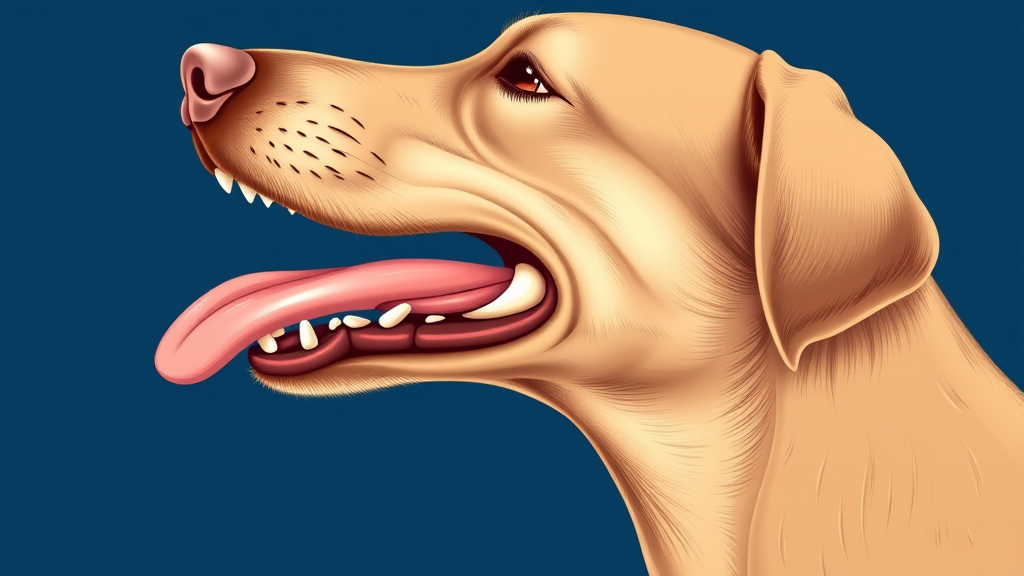
Yes, dogs do have taste buds, but their gustatory system operates quite differently from ours. Dogs possess approximately 1,700 taste buds, which is significantly fewer than the 9,000-10,000 taste buds found in humans. These taste buds are located primarily on the tongue, with some scattered throughout the mouth and throat. The American Kennel Club explains that canine taste buds are structured similarly to human taste buds but are less numerous and less sensitive.
Each taste bud contains specialized receptor cells that detect different chemical compounds in food. When dogs eat, these compounds dissolve in saliva and bind to the receptor cells, sending signals through the nervous system to the brain. This process allows dogs to identify and categorize different flavors, though their interpretation may vary significantly from human taste experiences.
The distribution of taste buds in dogs is also unique. Unlike humans, who have taste buds concentrated on specific areas of the tongue, dogs have a more even distribution across their entire tongue surface. This arrangement helps them quickly assess food quality and safety, which was crucial for their wild ancestors’ survival.
How Dogs Taste Compared to Humans
The fundamental difference between human and canine taste perception lies not just in the number of taste buds, but in how these systems evolved to serve different purposes. While humans developed sophisticated taste perception for culinary enjoyment and nutrition, dogs evolved their taste system primarily for survival and quick food assessment.
Dogs process taste information much more rapidly than humans. Where we might savor flavors and detect subtle nuances, dogs make split-second decisions about whether food is safe to consume. This quick processing is partly why dogs often seem to inhale their food rather than chew it thoroughly. Their taste system is designed for efficiency rather than enjoyment.
Interestingly, dogs show preferences for certain foods that might surprise their owners. Many dogs enjoy sweet potato and other naturally sweet foods, while others gravitate toward savory options. These preferences can help guide us in choosing healthy treats and meal options that our pets will actually enjoy.
The sensitivity levels also differ dramatically between species. Humans can detect incredibly subtle flavor differences, such as distinguishing between different varieties of wine or detecting minute amounts of seasoning. Dogs, however, are more focused on detecting broader categories that indicate food safety and nutritional value.
The Five Basic Tastes Dogs Can Experience
Dogs can detect the same five basic tastes that humans experience: sweet, sour, salty, bitter, and umami. However, their sensitivity to each varies significantly from our own taste experiences.
Sweet: Dogs have fewer sweet taste receptors than humans, making them less sensitive to sugary flavors. However, they can still detect and often enjoy naturally sweet foods. This is why many dogs appreciate fruits like blackberries in moderation, though their sugar content should be carefully managed.
Sour: Canines are quite sensitive to sour tastes, which serves as a natural protection mechanism against spoiled or fermented foods. This sensitivity helps them avoid potentially harmful substances in the wild.
Salty: Dogs have a moderate sensitivity to salt. Unlike humans, they don’t crave salty foods as intensely, partly because their natural diet provided adequate sodium through meat consumption. However, they can detect and may enjoy mildly salty flavors.
Bitter: This is perhaps the most important taste for canine survival. Dogs are highly sensitive to bitter compounds, which often indicate toxic or poisonous substances. This sensitivity explains why dogs typically avoid bitter medications and why chocolate is dangerous for them.
Umami: Dogs are particularly sensitive to umami, the savory taste associated with meat and protein. This makes evolutionary sense, as dogs are carnivores who needed to identify protein-rich foods for survival.
The Powerful Connection Between Smell and Taste
While taste buds play a role in canine food perception, the real star of the show is their incredible sense of smell. Dogs possess up to 300 million olfactory receptors compared to humans’ mere 6 million. This means that what we might consider “taste” in dogs is actually a complex combination of taste and smell working together.
The American Veterinary Medical Association notes that dogs experience flavor primarily through their nose rather than their tongue. When dogs eat, aromatic compounds from food travel through their nasal passages, creating a much richer sensory experience than taste buds alone could provide.
This smell-taste connection explains why dogs might show strong preferences for certain foods that seem bland to us, or why they might reject foods that smell “off” even if they taste fine to humans. Their decision to eat or avoid food is made primarily through olfactory assessment before the food even reaches their taste buds.

Understanding this connection can help explain why some dogs are picky eaters while others seem to enjoy everything. A dog with a less sensitive nose might be more willing to try new foods, while those with highly sensitive olfactory systems might be more selective about their meals.
Understanding Your Dog’s Food Preferences
Individual dogs can have surprisingly distinct food preferences, much like humans do. These preferences are influenced by genetics, early life experiences, health status, and learned behaviors. Some dogs develop strong preferences for specific textures, temperatures, or flavor profiles that persist throughout their lives.
Protein preferences are particularly common among dogs. Some may prefer poultry-based foods, while others gravitate toward beef or fish. These preferences often reflect their umami sensitivity and can guide owners in selecting the most appealing and nutritious options for their pets.
Many dogs also show preferences for certain healthy human foods. For instance, some dogs enjoy Greek yogurt as an occasional treat, while others prefer the nutty flavor of peanut butter. Understanding these preferences can help in training, medication administration, and overall pet care.
Temperature can also significantly affect food appeal for dogs. Many prefer room temperature or slightly warm food over cold meals, as warmth enhances aroma release and makes food more appealing to their scent-driven taste system.
How Age and Health Affect Canine Taste
Like humans, dogs experience changes in their taste and smell capabilities as they age. Senior dogs may have diminished taste bud function and reduced olfactory sensitivity, which can lead to decreased appetite or changed food preferences. The National Center for Biotechnology Information has documented these age-related changes in canine sensory perception.
Health conditions can also significantly impact a dog’s taste experience. Dental problems, oral infections, medications, and systemic diseases can all alter taste perception. Dogs with compromised taste or smell might become pickier eaters or lose interest in food altogether.
Certain medications commonly prescribed to dogs can affect taste buds directly or alter saliva production, which impacts flavor perception. If your dog suddenly changes eating habits or shows decreased food interest, it’s important to consult with a veterinarian to rule out underlying health issues.
Interestingly, some dogs develop food aversions after negative experiences, such as becoming ill after eating a particular food. These learned aversions can persist long after the initial incident and may require patience and gradual reintroduction to overcome.
Practical Tips for Enhancing Your Dog’s Eating Experience
Understanding canine taste perception can help pet owners make informed decisions about feeding and treat selection. Here are practical strategies to enhance your dog’s dining experience while maintaining proper nutrition.
First, consider food temperature and presentation. Slightly warming your dog’s food can enhance its aroma and make it more appealing. This is particularly helpful for senior dogs or those with decreased appetite. However, always test temperature to ensure food isn’t too hot.
Variety in protein sources can keep meals interesting for dogs with strong taste preferences. Rotating between different high-quality proteins can prevent boredom and ensure balanced nutrition. Some dogs enjoy the occasional addition of safe human foods like cheese or bacon as special treats, though these should be given in moderation.
Texture variety can also enhance the eating experience. Mixing wet and dry foods, adding safe vegetables, or incorporating different textures can make meals more engaging for dogs who enjoy variety in their food experience.
For picky eaters, gradual food transitions work better than sudden changes. Dogs may need time to adjust to new flavors and textures, especially if they have strong established preferences.
Always avoid foods that are dangerous for dogs, and be mindful that some seemingly harmless items can cause digestive upset. For example, while some dogs can enjoy small amounts of certain fruits, others like watermelon peel should be avoided due to potential digestive issues.
Frequently Asked Questions
Do dogs have taste buds like humans?
Yes, dogs have taste buds, but significantly fewer than humans. Dogs have approximately 1,700 taste buds compared to humans’ 9,000-10,000. Their taste buds can detect the same five basic tastes (sweet, sour, salty, bitter, and umami) but with different sensitivity levels. Dogs rely much more heavily on their sense of smell to experience flavor than humans do.
Why do dogs eat so quickly without seeming to taste their food?
Dogs evolved to eat quickly as a survival mechanism. In the wild, fast eating prevented other animals from stealing their food. Additionally, dogs process taste information much more rapidly than humans and rely primarily on smell to assess food quality before eating. Their taste system is designed for quick food safety assessment rather than prolonged flavor enjoyment.
Can dogs taste spicy foods?
Dogs cannot taste spiciness the way humans do because they lack the receptors for capsaicin, the compound that makes foods spicy. However, they can still experience irritation from spicy foods through pain receptors in their mouth and digestive system. It’s best to avoid giving dogs spicy foods as they can cause digestive upset and discomfort.
Do dogs prefer certain flavors over others?
Yes, dogs can have individual flavor preferences, much like humans. Many dogs show preferences for umami (savory/meaty) flavors due to their carnivorous nature. Some dogs enjoy mildly sweet foods, while others prefer saltier options. These preferences can be influenced by genetics, early life experiences, and learned behaviors.
How does a dog’s sense of smell affect their taste?
A dog’s sense of smell is crucial to their taste experience. With up to 300 million olfactory receptors compared to humans’ 6 million, dogs experience flavor primarily through their nose. Aromatic compounds from food travel through their nasal passages while eating, creating a rich sensory experience that goes far beyond what their taste buds alone could provide.
Can older dogs lose their sense of taste?
Yes, senior dogs often experience diminished taste and smell capabilities as they age, similar to humans. This can lead to decreased appetite or changed food preferences. Health conditions, medications, and dental problems can also affect taste perception in dogs of any age. If your dog suddenly changes eating habits, consult with a veterinarian.
Why might my dog suddenly stop liking a food they used to enjoy?
Dogs can develop food aversions for several reasons, including negative associations (such as becoming ill after eating), changes in the food’s formulation, health issues affecting taste perception, or simply developing new preferences over time. Gradual reintroduction and consultation with a veterinarian can help identify and address the underlying cause.





