
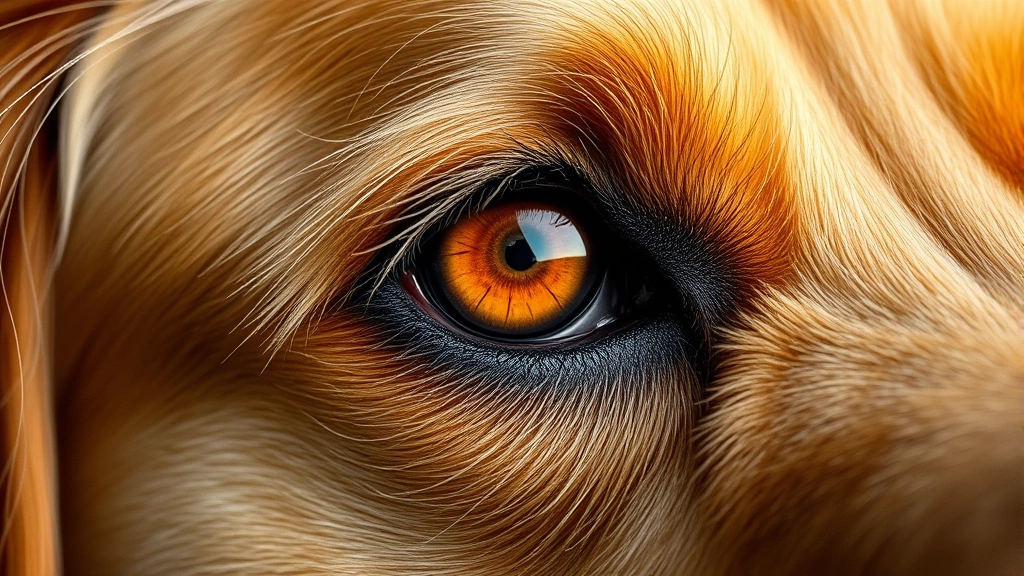
Yes, do dogs have two eyelids—but here’s the kicker: they actually have THREE. Surprise! Most dog owners think their pups only have upper and lower lids like humans do, but canines are secretly sporting an extra eyelid that does some seriously impressive work. Let’s dive into the fascinating world of dog eyes and uncover what makes their vision setup so uniquely awesome.
Table of Contents
- The Third Eyelid: Your Dog’s Secret Weapon
- Understanding Canine Eye Anatomy: More Than Meets the Eye
- Why Your Dog’s Third Eyelid Matters More Than You Think
- When You’ll Actually See the Third Eyelid
- Common Third Eyelid Problems in Dogs
- Dog Vision Compared to Human Vision
- Health Issues Affecting Dog Eyelids and Eyes
- Keeping Your Dog’s Eyes Healthy
- Breed-Specific Eye Considerations
- When to Call the Vet About Your Dog’s Eyes
- Frequently Asked Questions
- Summary: Your Dog’s Amazing Three-Eyelid System
The Third Eyelid: Your Dog’s Secret Weapon
When we talk about whether dogs have two eyelids, we need to introduce the real MVP: the nictitating membrane, also called the third eyelid or haw. This translucent membrane sits in the corner of your dog’s eye, near the inner corner closest to their nose. It’s like nature gave dogs a built-in windshield wiper that most people never even notice.
This third eyelid isn’t just for show. It serves critical protective functions that help keep your dog’s eyes healthy and moist. When your pup is tired, stressed, or dealing with certain health issues, you might actually see this membrane slide across their eye. It’s kind of creepy-cool when you first witness it, honestly.
Understanding Canine Eye Anatomy: More Than Meets the Eye
Dogs have evolved incredible vision capabilities over thousands of years of domestication and wild ancestry. Their eye structure is optimized for detecting movement, seeing in low light, and protecting their peepers from debris and environmental hazards. The upper eyelid, lower eyelid, and third eyelid work together like a well-oiled machine.
The conjunctiva—a thin, transparent membrane that covers the white part of the eye and lines the inner eyelids—keeps everything lubricated and protected. When your dog’s eyes are watery or you notice discharge, that’s often the conjunctiva doing its job, though sometimes it signals a problem worth investigating.
Why Your Dog’s Third Eyelid Matters More Than You Think
That sneaky third eyelid isn’t just decorative. It contains a gland that produces about 30% of your dog’s tear production. Tears aren’t just for crying—they’re essential for keeping eyes clean, moist, and infection-free. Without this third eyelid and its gland, your dog’s eyes would be significantly more vulnerable to dryness and irritation.
The third eyelid also acts as a protective barrier. When your dog plays rough, gets dust in their face, or encounters anything potentially harmful, that membrane can sweep across the eye to shield it. It’s basically a built-in safety feature that humans have to envy.
When You’ll Actually See the Third Eyelid
Most of the time, your dog’s third eyelid stays tucked away, hidden in that inner corner of the eye. You won’t see it during normal, healthy situations. But there are specific times when it becomes visible, and understanding these moments helps you distinguish between normal and concerning.
When your dog is extremely relaxed, drowsy, or just waking up, you might catch a glimpse of the third eyelid. It’s totally normal. However, if the third eyelid is constantly visible or covering a large portion of the eye, that’s worth mentioning to your vet. It could indicate an underlying issue like infection, inflammation, or even systemic illness.
Common Third Eyelid Problems in Dogs
Just like any part of your dog’s body, the third eyelid can develop problems. Cherry eye is a common condition where the gland associated with the third eyelid becomes inflamed and protrudes, creating a red, swollen appearance in the corner of the eye. It looks alarming but is usually treatable, though it often requires veterinary intervention.
Prolapse of the third eyelid, where it becomes permanently visible or swollen, can result from various causes including allergies, infections, or dehydration. If you notice your dog’s third eyelid looking abnormal, scheduling a vet check is the smart move. Early detection prevents minor issues from becoming major problems.
Dog Vision Compared to Human Vision
While we’re talking about dog eyes, let’s compare them to ours. Dogs don’t see the world the same way humans do. They have better night vision, superior motion detection, and a wider field of view (around 250 degrees compared to our 190 degrees). However, their color vision is more limited—they see the world in shades of blue and yellow rather than the full spectrum we enjoy.
The presence of that third eyelid is just one way dogs’ eyes are specialized for their unique needs. Their pupils dilate more dramatically, their lens shape changes differently, and their retina contains more rod cells for low-light vision. It’s a completely different optical system, optimized for a canine lifestyle.
Health Issues Affecting Dog Eyelids and Eyes
Several health conditions can affect your dog’s eyelids and overall eye health. Entropion is when the eyelid rolls inward, causing the lashes to rub against the eye—super uncomfortable for your pup. Ectropion is the opposite, where the eyelid droops outward, exposing too much of the eye’s surface.
Dry eye syndrome, or keratoconjunctivitis sicca (KCS), occurs when dogs don’t produce enough tears. This is where that third eyelid’s gland becomes even more critical. Certain dog breeds like Chinese dog breeds and flat-faced dogs are more prone to eyelid issues due to their facial structure.
Keeping Your Dog’s Eyes Healthy
Prevention is always better than treatment when it comes to your dog’s eye health. Regular check-ups with your veterinarian should include eye examinations. Watch for signs of discomfort like excessive blinking, squinting, or pawing at the eyes. Keep your dog’s face clean, especially if they have longer hair that might irritate their eyes.
Environmental factors matter too. Protect your dog’s eyes from harsh wind, chemicals, and excessive sun exposure. If your dog swims frequently, rinse their eyes with clean water afterward to remove chlorine or salt water. These simple habits can prevent many common eye problems before they start.
Breed-Specific Eye Considerations
Different dog breeds have different eye-related vulnerabilities. Breeds with prominent eyes, like Pugs and Chihuahuas, are more prone to eye injuries and dryness. Breeds with heavy facial wrinkles may experience eyelid issues due to skin folds. Even athletic breeds like the Colorado Mountain Dog need eye protection during outdoor adventures.
Understanding your specific dog’s breed predispositions helps you stay vigilant about potential issues. If you’re considering a particular breed, ask breeders about common eye health problems and what screening tests they perform on their breeding dogs.
When to Call the Vet About Your Dog’s Eyes
Certain eye symptoms warrant immediate veterinary attention. If your dog’s eye appears cloudy, has visible discharge that’s thick or colored, shows signs of pain, or if the third eyelid is constantly visible, get them checked out. Squinting, excessive tearing, redness, or swelling around the eyes also deserve professional evaluation.
Don’t assume eye issues will resolve on their own. Eye problems can escalate quickly and potentially affect your dog’s vision permanently if left untreated. Your vet can properly diagnose the issue and recommend appropriate treatment, whether that’s medication, surgery, or lifestyle changes.
Frequently Asked Questions
Can dogs see better than humans?
Dogs have superior night vision and motion detection compared to humans, but they don’t see colors as vividly. They see the world in blues and yellows rather than the full color spectrum. Their wider field of view (250 degrees vs. our 190 degrees) also gives them an advantage in detecting movement on the periphery.
Is it normal to see my dog’s third eyelid all the time?
No, a constantly visible third eyelid usually indicates a problem. While brief glimpses during sleep or relaxation are normal, persistent visibility suggests infection, inflammation, allergies, or systemic illness. Schedule a vet appointment if you notice this.
What does cherry eye look like?
Cherry eye appears as a red, swollen bump in the inner corner of your dog’s eye. It’s caused by inflammation of the gland attached to the third eyelid. While it looks concerning, it’s treatable, though it often requires veterinary care.
How often should I have my dog’s eyes checked?
Include eye examinations during your dog’s annual or bi-annual vet visits. Senior dogs and breeds prone to eye problems may benefit from more frequent checks. If you notice any abnormalities, don’t wait for the scheduled appointment.
Can dogs get cataracts like humans?
Yes, dogs can develop cataracts, especially as they age. Certain breeds are more predisposed, and conditions like diabetes can accelerate cataract development. Early detection through regular vet exams can help manage the condition and preserve vision.
Summary: Your Dog’s Amazing Three-Eyelid System
So, do dogs have two eyelids? Technically yes, but the real story is that they have three—and that third eyelid is an evolutionary marvel. The nictitating membrane, or haw, provides crucial protection, lubrication, and defense for your dog’s eyes. Understanding this unique feature helps you appreciate just how specialized your pup’s vision system really is.
Your dog’s eyes are windows to their health and happiness. By staying informed about normal eye anatomy, recognizing warning signs, and maintaining regular vet check-ups, you’re taking important steps to protect your furry friend’s vision for years to come. Keep an eye out for anything unusual, and don’t hesitate to consult your veterinarian if something seems off. Your dog’s sight is too precious to ignore.
For more detailed information about canine health, check out resources from the American Kennel Club, PetMD, and your local veterinary clinic. And if you ever suspect your dog has ingested something toxic that might affect their eyes or overall health, the Pet Poison Hotline is an invaluable resource.





