

Yes, do dogs imprint on humans—and it’s way more intense than you’d think. Unlike birds that imprint on the first moving object they see, dogs experience a phenomenon called “bonding” that’s actually more complex and emotionally rewarding. If you’ve ever wondered why your pup loses their mind when you come home or refuses to let you use the bathroom alone, you’re witnessing canine imprinting in action.
Table of Contents
- What Does Imprinting Actually Mean for Dogs?
- Sign #1: The Velcro Dog Phenomenon (Constant Shadowing)
- Sign #2: Extreme Enthusiasm at Reunions
- Sign #3: Seeking You Out for Comfort and Security
- Sign #4: The “Checking In” Behavior
- Sign #5: Resource Guarding Around You (But Not Aggression)
- The Critical Socialization Window: When Imprinting Happens Fastest
- Can Dogs Imprint on Multiple Humans?
- What About Dogs That Don’t Seem Imprinted?
- How to Strengthen Your Dog’s Imprint on You
- The Science Behind Canine Imprinting
- Common Misconceptions About Dog Imprinting
- Frequently Asked Questions
- Conclusion: Your Dog’s Imprint on You Is Real and Powerful
Here’s the thing: dog imprinting isn’t a one-time event like it is with ducklings. Instead, it’s a gradual process that happens during critical developmental periods and continues throughout your dog’s life. The bond between you and your furry friend is built on trust, repetition, and positive associations—and honestly, it’s one of the most beautiful relationships you can have with an animal.
What Does Imprinting Actually Mean for Dogs?
Imprinting in the scientific sense refers to rapid learning that happens during a critical period in development. For dogs, the socialization window is roughly 3 to 14 weeks old. During this time, puppies are like little sponges, absorbing information about their environment, other animals, and especially the humans around them.
When your puppy spends time with you during this critical period, they’re literally encoding you into their brain as a safe, trustworthy figure. This is different from imprinting in birds, where a chick follows the first moving object it sees. Dogs are way smarter—they’re learning that you’re the source of food, comfort, play, and protection.
The cool part? Even adult dogs can form deep imprints with new humans, though it takes longer. This is why rescue dogs often become the most devoted companions—they’ve learned through experience that you’re worth their trust.
Sign #1: The Velcro Dog Phenomenon (Constant Shadowing)
If your dog follows you from room to room like you’re connected by an invisible leash, congratulations—you’ve been imprinted on. This behavior, often called “Velcro dog” syndrome, is one of the clearest signs that your pup has bonded with you at a deep level.
Your dog isn’t being clingy because they’re needy (okay, maybe a little). They’re shadowing you because they’ve learned that good things happen when you’re around. You’re the source of food, walks, playtime, and affection. In their mind, staying close to you is the safest bet for happiness.
This behavior typically peaks in puppies and can persist into adulthood, especially in breeds like Velcro dog champions—Golden Retrievers, Labrador Retrievers, and German Shepherds. If your dog sleeps outside your bedroom door or panics when you leave, they’ve definitely imprinted on you.
Sign #2: Extreme Enthusiasm at Reunions
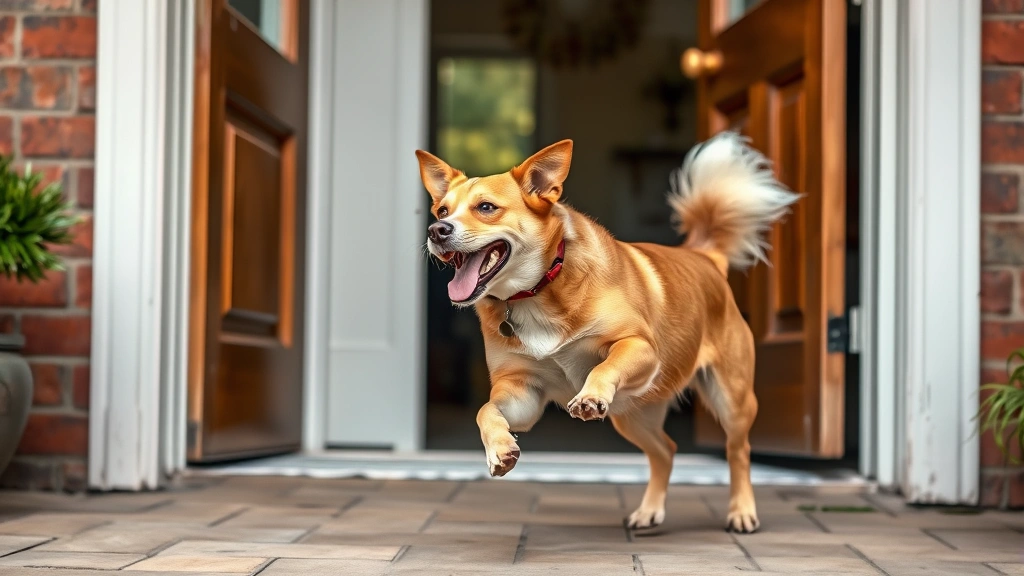
You know that moment when you come home and your dog acts like you’ve been gone for five years instead of five minutes? That’s imprinting. The intensity of your dog’s greeting is directly proportional to how deeply they’ve bonded with you.
Imprinted dogs will display behaviors like:
- Jumping and spinning in circles
- Whining or howling with excitement
- Bringing you toys as gifts
- Doing a full-body wiggle (not just tail wagging)
- Attempting to climb into your lap regardless of their size
This greeting ritual reinforces the bond. Your dog is literally celebrating your return because you’re their person. The dopamine rush they get from seeing you is real—it’s the same neurochemical response humans experience when they see someone they love.
Sign #3: Seeking You Out for Comfort and Security
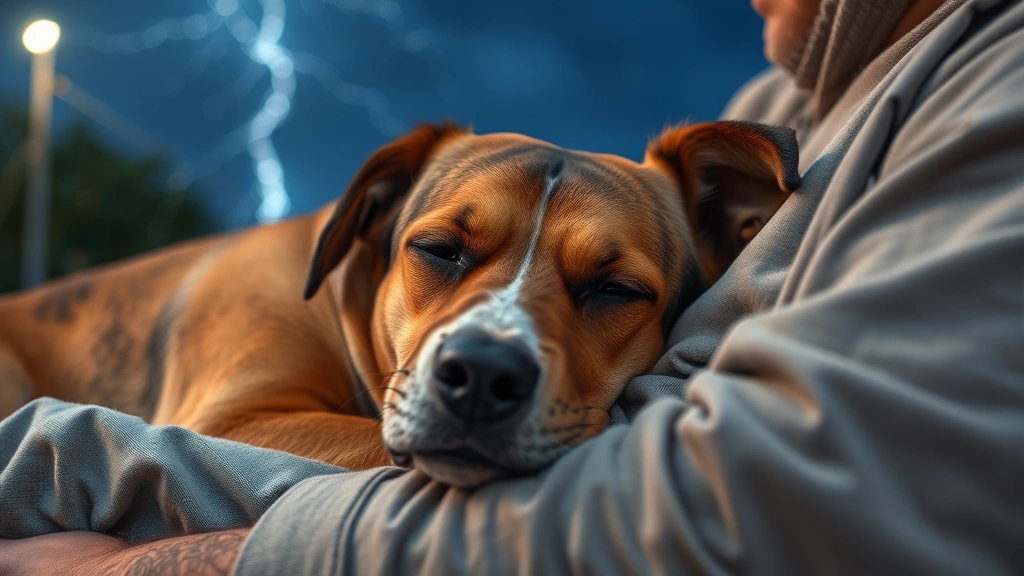
When your dog is scared (thunderstorms, fireworks, vacuum cleaners), do they run to you? That’s a textbook sign of imprinting. Your dog has learned through repeated positive experiences that you equal safety.
Imprinted dogs will:
- Hide between your legs during scary situations
- Put their head on your lap when anxious
- Follow you to “safe” rooms during stressful events
- Calm down noticeably when you’re nearby
This behavior develops because you’ve consistently provided comfort and protection. Your dog’s brain has literally wired you as their security blanket. This is why dogs with strong imprinting bonds often struggle with separation anxiety—they’ve learned that you’re their emotional anchor.
Sign #4: The “Checking In” Behavior
Have you noticed your dog periodically looking back at you during walks or playtime? That’s called checking in, and it’s a sign of a healthy imprint. Your dog is essentially asking, “You still there? Still cool with what I’m doing?”
This behavior shows that:
- Your dog trusts your judgment
- They value your approval
- They see you as their leader and protector
- They’re emotionally bonded to you
Dogs with weak imprinting or poor socialization often don’t check in with their humans. Instead, they either ignore you completely or show signs of fear and avoidance. The checking-in behavior is a green flag that your dog sees you as their safe person.
Sign #5: Resource Guarding Around You (But Not Aggression)
Here’s a subtle but telling sign: if your dog eats faster or guards their toys only when certain people are around but relaxes completely with you, that’s imprinting. Your dog trusts you so much that they don’t feel the need to protect their resources from you.
Conversely, if your dog guards toys or food aggressively around you, that’s a sign of poor imprinting or a trust issue that needs addressing. A dog with a healthy imprint on you will generally be more relaxed and less defensive in your presence.
This is why positive reinforcement training works so well—when you’re the source of good things (treats, praise, play), your dog learns to trust you completely.
The Critical Socialization Window: When Imprinting Happens Fastest
The 3 to 14-week window is golden for imprinting. During this time, puppies are neurologically primed to learn and bond. If you get a puppy during this period and spend quality time with them, the imprinting happens relatively quickly.
However—and this is important—imprinting doesn’t stop after 14 weeks. Dogs continue to bond throughout their lives. A dog adopted at age 5 can still form a deep imprint with their new human, it just takes more time and consistent positive interactions.
The key is repetition and positive association. Every time you feed your dog, play with them, take them for a walk, or comfort them, you’re strengthening the imprint. It’s cumulative.
Can Dogs Imprint on Multiple Humans?
Yes, absolutely. Dogs can imprint on their entire family, their trainer, their vet, or even their dog walker. However, they typically have a primary imprint—usually the person who spends the most time with them and provides the most care.
This is why dogs often have a “favorite” person in the household. That person has likely spent the most time with them during critical bonding periods and continues to be the primary source of food, play, and affection.
That said, dogs can absolutely love multiple people deeply. They’re not limited in their capacity for bonding like humans sometimes are. Your dog can be equally devoted to you and your spouse, or your kids, or your parents. There’s plenty of love to go around.
What About Dogs That Don’t Seem Imprinted?
Some dogs are naturally more independent or aloof. Certain breeds like Siberian Huskies, Afghan Hounds, and some Terriers are bred to work independently and may not show the same level of obvious attachment as, say, a Labrador.
Additionally, dogs with poor early socialization, trauma, or neglect may struggle to imprint on humans. These dogs might show:
- Fear or avoidance of humans
- Lack of eye contact
- Inability to settle near people
- Aggressive responses to touch
If your dog shows these signs, it doesn’t mean they can’t bond with you—it just means the process will take longer and require more patience. Working with a professional trainer or behaviorist can help rebuild trust and create a healthy imprint.
For dogs struggling with imprinting issues, training treats from human food can be a powerful tool for building positive associations. Using high-value rewards during training sessions strengthens the bond and helps the dog learn to trust you.
How to Strengthen Your Dog’s Imprint on You
If you want to deepen your dog’s bond with you, here are proven strategies:
Spend quality time together: Play, training, walks, and cuddles all count. The more positive interactions you have, the stronger the imprint.
Be consistent: Dogs love routine. Feed them at the same time, walk them at the same time, and maintain predictable interactions. Consistency builds trust.
Use positive reinforcement: Reward your dog for good behavior with praise, play, and treats. DIY pet treats made from healthy ingredients can be especially effective because they’re unique and special.
Be their protector: When your dog is scared or anxious, comfort them. Show them that you’re their safe person.
Establish yourself as the food source: Hand-feed treats, control mealtimes, and use food as a bonding tool. Your dog will naturally gravitate toward the person who provides nourishment.
Avoid punishment: Harsh corrections damage imprinting. Positive training methods build stronger bonds than fear-based techniques.
The Science Behind Canine Imprinting
When your dog looks at you, their brain releases oxytocin—the same “love hormone” that bonds humans to their babies. Studies have shown that dogs’ oxytocin levels spike when they’re near their imprinted human, and they can actually read your facial expressions and emotional state.
This is why your dog knows when you’re sad or stressed. They’re literally reading your face and responding to your emotional state. It’s not magic—it’s neuroscience.
Research from institutions like UC Davis has shown that the human-dog bond activates the same neural pathways as human-human bonding. Your dog’s love for you is real, measurable, and neurologically identical to human love in many ways.
If you’re ever concerned about your dog’s health or behavior related to bonding, resources like the PetMD behavioral guides offer evidence-based information. And for safety concerns about what you’re feeding your dog, the ASPCA Animal Poison Control Center is an invaluable resource.
Understanding canine nutrition is also part of strengthening imprinting. When you know human food portion sizes for pets, you can safely incorporate healthy human foods into your dog’s diet, which strengthens the bonding experience during training and treat time.
Common Misconceptions About Dog Imprinting
Myth #1: Dogs imprint on only one person. False. Dogs can bond deeply with multiple people, though they often have a primary attachment figure.
Myth #2: Imprinting only happens in puppyhood. False. Adult dogs can absolutely imprint on new humans, though it takes longer.
Myth #3: All dogs show imprinting the same way. False. Some dogs are naturally more demonstrative than others. A calm dog sitting quietly beside you is just as imprinted as a bouncy dog jumping all over you.
Myth #4: Imprinting means your dog is dependent or weak. False. Imprinting is a sign of intelligence and emotional capacity. Dogs that imprint are often more trainable and responsive to their humans.
Frequently Asked Questions
At what age do puppies imprint on humans?
The critical imprinting window is 3 to 14 weeks of age. However, puppies continue to bond and strengthen their imprint throughout their first year and beyond. Early socialization during this window creates the strongest initial bonds, but imprinting is an ongoing process.
Can an adult dog imprint on a new owner?
Yes, absolutely. Adult dogs can form new imprints with new owners, though it typically takes longer—anywhere from a few weeks to several months depending on the dog’s history and temperament. Consistency, positive reinforcement, and patience are key.
What’s the difference between imprinting and bonding?
Imprinting is a rapid learning process that happens during critical developmental periods. Bonding is the emotional attachment that develops over time through positive interactions. In practical terms, imprinting is the foundation, and bonding is the ongoing relationship.
Is separation anxiety a sign of imprinting?
Separation anxiety can indicate strong imprinting, but not always. Some dogs with poor imprinting also develop separation anxiety due to fear or insecurity. The key difference is that dogs with healthy imprinting are anxious because they miss you specifically, while dogs with poor imprinting may be anxious due to general fear or lack of trust.
Can I damage my dog’s imprint on me?
It’s difficult but possible. Consistent punishment, neglect, or betrayal of trust can damage imprinting. However, dogs are remarkably forgiving. Even if you’ve made mistakes, you can rebuild trust through consistent positive interactions and patience.
Do all dog breeds imprint the same way?
No. Some breeds are naturally more bonded to their humans (Goldens, Labs, Spaniels), while others are more independent (Huskies, Terriers, Sighthounds). However, all dogs are capable of imprinting—it just looks different depending on their breed temperament.
Conclusion: Your Dog’s Imprint on You Is Real and Powerful
So, do dogs imprint on humans? Absolutely, and it’s one of the most rewarding aspects of dog ownership. That intense connection your pup has with you isn’t just cute—it’s neurologically real and emotionally profound.
Your dog’s imprint on you means they see you as their safe person, their provider, their protector, and their best friend. When they follow you around the house, greet you like you’ve been gone for years, or seek comfort in your presence, they’re expressing a bond that’s been scientifically proven to activate the same brain regions as human love.
Whether you have a puppy during the critical imprinting window or an adult dog you’ve recently adopted, you have the power to strengthen this bond through consistency, positive reinforcement, and genuine care. Every interaction counts. Every treat, every walk, every moment of comfort is building or reinforcing the imprint.
Cherish this bond. It’s rare and special, and your dog is lucky to have someone they trust so completely.





